
You have been Successfully Subscribed to Newsletter


Step-by-Step Guide: How to Convert a Private Vehicle to a Commercial Vehicle
May 28, 2026 • 10 Min Read
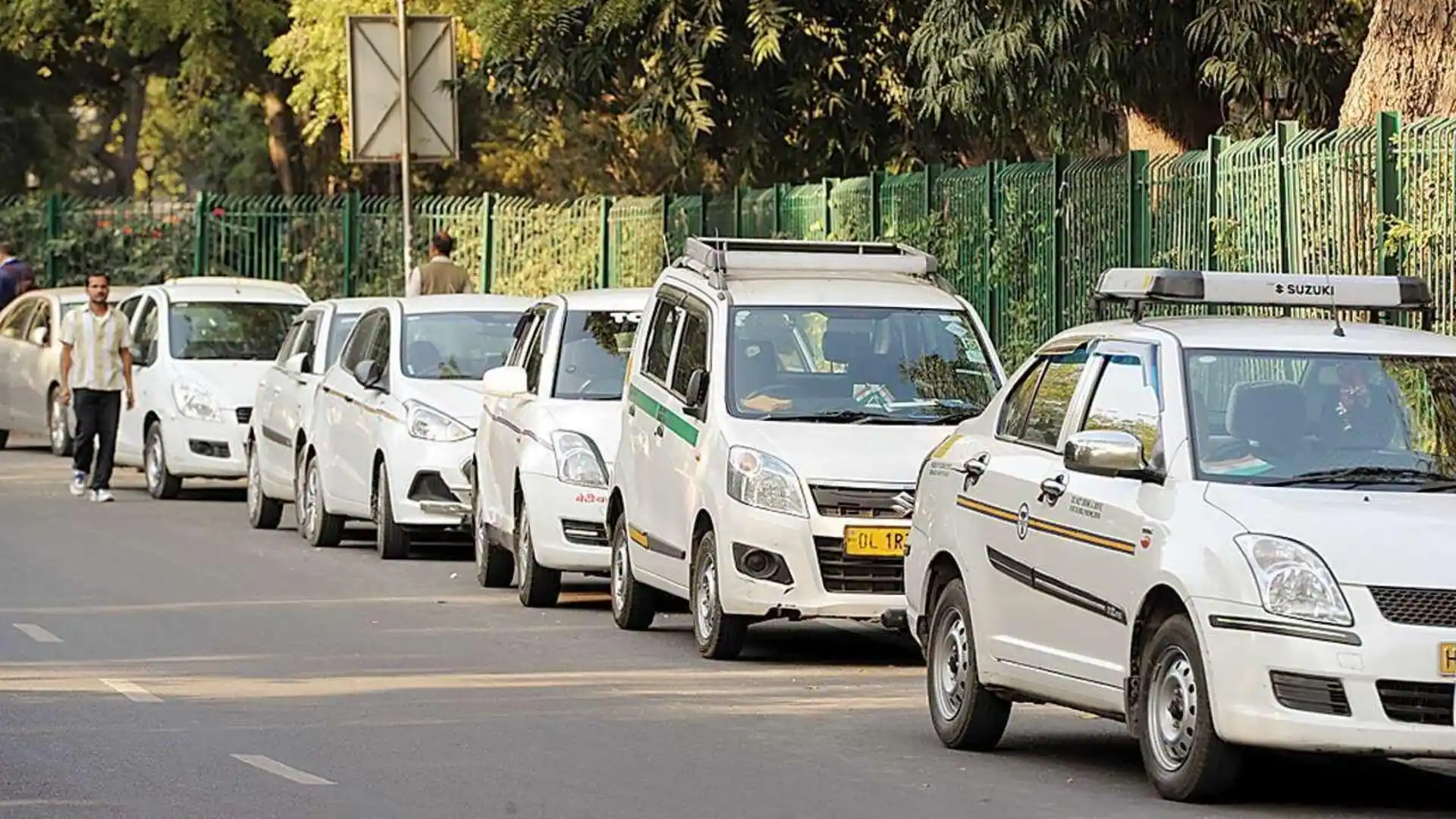
Many vehicle owners in India face a common dilemma when their personal car or two-wheeler becomes their primary source of income. Whether you're starting a taxi service, delivery business, or goods transportation, using a private vehicle for commercial purposes without proper registration can lead to hefty fines, insurance claim rejections, and legal troubles. The cost to convert a private car to a commercial one varies significantly across states, making proper planning essential.
The conversion process from private to commercial vehicle registration involves specific legal requirements, documentation, and fee structures that differ from state to state. Understanding these requirements helps you avoid complications and ensures smooth business operations while staying compliant with Indian transport regulations.
Understanding Private vs. Commercial Vehicles
The fundamental difference between private and commercial vehicles lies in their intended use and legal classification under the Motor Vehicle Act. This classification affects everything from taxation to insurance requirements and operational permissions.
Key Differences in Usage and Registration
A private vehicle serves personal transportation needs, while a commercial vehicle operates for business purposes, carrying passengers for fare or transporting goods for profit. The moment you start using your private vehicle to earn money, it legally becomes a commercial vehicle requiring proper registration.
Here's a comparison of key differences between private and commercial vehicles:
|
|
|
|
|---|---|---|
| Number Plate | White with black text | Yellow with black text |
| Primary Use | Personal transportation | Business/commercial purposes |
| Insurance Type | Private motor insurance | Commercial vehicle insurance |
| Road Tax | Lower rates | Higher commercial rates |
| Fitness Certificate | Required after 15 years | Required after 7–8 years |
| Permit Requirements | Not required | Mandatory for operation |
| Operational Restrictions | Personal use only | Business operations allowed |
Disclaimer: Regulations may vary by state. Verify with your local RTO.
Importance of Converting Legally
Using a private vehicle for commercial purposes without proper conversion creates serious legal and financial risks. Insurance companies routinely reject claims when they discover vehicles were used commercially while registered as private. This leaves you financially exposed during accidents or theft.
Legal compliance under the Motor Vehicle Act mandates proper vehicle classification. Authorities can impose fines ranging from ₹2,000 to ₹10,000 for operating an improperly registered vehicle.
Commercial vehicle insurance costs more than private insurance but provides appropriate coverage for business use. Operating without proper insurance violates Indian law and creates personal liability for damages or injuries.
Step-by-Step Process to Convert a Private Vehicle to Commercial
Converting your vehicle from private to commercial use requires following a structured process through your Regional Transport Office (RTO).
Eligibility Criteria and Vehicle Requirements
- Your vehicle must pass fitness standards and emission norms.
- The vehicle should be in good mechanical condition to pass inspection requirements.
- Electric vehicles can also be converted to commercial use, provided they meet state-specific fitness, insurance, and permit requirements.
Application at the RTO or Online Portal
The conversion process can be completed online through the Vahan Citizen Services portal. Visit vahan.parivahan.gov.in, select your state and RTO, and then choose "Conversion of Vehicle" from the available options.
The digital approach offers convenience and tracking capabilities for your application status. For offline applications, visit your local RTO office with all the required documents. Submit the conversion application form along with supporting papers and pay the prescribed fees.
Required Documents for Conversion
Document preparation is crucial for smooth processing. The following documents are required for conversion:
- Your Registration Certificate (RC) must be in your name. The RC should be valid and not expired.
- A valid insurance certificate is essential during the conversion process.
- Your PUC certificate needs to be current and valid. This document proves your vehicle meets emission standards.
Vehicle Inspection and Fitness Certificate
Fitness certificates become mandatory after conversion, with validity periods varying by vehicle age. Commercial vehicles up to 8 years old receive 2 years of fitness certificate validity, while older vehicles require annual renewal. The inspection process evaluates your vehicle's mechanical condition, safety features, and emission compliance. Authorised inspection centres conduct these checks, and fees range from ₹200-₹1000 depending on your state and vehicle type.
Payment of Fees and Taxes
The total cost to convert a private car to a commercial one typically ranges from ₹3,000 to ₹10,000, (depending upon the state) including NOC fees, road tax, and re-registration charges. State variations in fee structures mean costs differ significantly across India.
Receiving New Registration Certificate and Number Plate
Your vehicle number changes during conversion, requiring new number plates with a yellow background and black text. The new Registration Certificate reflects your vehicle's commercial status and updated details.
Documents Needed for Conversion
Proper documentation forms the foundation of successful vehicle conversion. Missing or invalid documents can delay or reject your application, so prepare everything carefully before starting the process.
Registration Certificate (RC)
Your original Registration Certificate must be in your name and valid. If the vehicle is registered in someone else's name, complete the transfer process first.
Valid Insurance Certificate
Your current insurance certificate must be active during the conversion process. An expired policy will immediately block your application.
Pollution Under Control (PUC) Certificate
Your PUC certificate must be current and valid. Even a few days past expiry will block the conversion process. This document proves your vehicle meets emission standards set by pollution control authorities.
Fitness Certificate
Fitness certificates are mandatory for older vehicles or specific categories as determined by state regulations. Required documents for a fitness certificate include the original RC, valid insurance, a PUC certificate, and a vehicle inspection at an authorised centre.
No Objection Certificate (If Applicable)
Leased or financed vehicles require a No Objection Certificate (NOC) from the leasing company or bank before conversion. This document confirms the lender's permission for changing vehicle classification.
Letter of Intent and Identity Proofs
Some RTOs require a signed declaration stating the vehicle will be used exclusively for commercial purposes. This letter confirms your commitment to comply with commercial vehicle usage norms.
Permit-Related Documents
Permit requirements depend on whether you're converting for goods transportation or passenger service. Different commercial activities require different permits - taxi services need passenger permits, while goods vehicles need cargo permits.
Understanding Fees, Taxes, and Permits
Financial planning for vehicle conversion requires understanding various fee components and ongoing costs. These expenses vary significantly across states.
Conversion Processing Fee
Conversion processing fees typically range from ₹1,000-₹1,500 for updating your registration from private to commercial. This covers administrative costs for changing vehicle classification in RTO systems. New RC or smart card fees add ₹200-₹800 if the RTO issues fresh documentation with updated details. These fees cover printing and delivery of your new registration certificate.
Road Tax Variations by State
Road tax rates vary dramatically across Indian states, with some states charging significantly more than others. Himachal Pradesh offers the lowest road tax rates in India, while Karnataka imposes the highest commercial vehicle taxes. Commercial vehicles face higher road tax rates due to increased road usage and infrastructure impact.
Local and National Permits
State permits allow operation within specific states, while pan-India permits enable nationwide operation.
Other Possible Charges
Additional charges may include inspection fees, re-examination costs if the initial inspection fails, and administrative fees for special circumstances.
Commercial Vehicle Insurance Explained
Insurance requirements change dramatically when converting from private to commercial use. Understanding these differences helps you maintain proper coverage and legal compliance for business operations.
Differences Between Private and Commercial Insurance
Before choosing the right policy, it’s important to understand how private and commercial vehicle insurance differ. The table below highlights the key differences between the two:
|
|
|
|
|---|---|---|
| Purpose of Coverage | Covers personal use only | Designed for business use such as passenger transport, goods carriage, and commercial operations |
| Commercial Activities | Commercial use is strictly excluded | Specifically covers commercial activities |
| Premium Cost | Lower premiums due to limited risk exposure | Higher premiums due to increased usage and risk |
| Risk Exposure | Lower accident and claim frequency | Higher accident risk and claim frequency |
| Coverage Scope | Limited to personal usage protection | Includes business-related protection, passenger liability, and goods coverage |
| Policy Terms | Standard coverage terms | Broader terms tailored for commercial operations |
Why Commercial Insurance Is Mandatory
All commercial vehicle owners and operators face legal requirements for appropriate insurance coverage. Operating a commercial vehicle with private insurance violates Indian law and creates serious financial exposure. The Motor Vehicles Act, 1988 , mandates proper insurance for all vehicles, with specific requirements for commercial operations. Total insurance premiums across all categories reached ₹11.19 trillion in 2023-24, indicating the scale of India's insurance sector. Insurance claim rejection becomes almost certain when companies discover commercial use of privately insured vehicles.
How to Buy Commercial Vehicle Insurance After Conversion
Purchase commercial vehicle insurance immediately after conversion approval. Many insurers offer online purchasing options for quick policy activation and immediate coverage. Compare different insurers and coverage options to find suitable protection for your specific commercial activities. Consider factors like claim settlement ratios, network garages, and customer service quality when selecting an insurer.
Ensure continuous coverage by purchasing your commercial policy before your private insurance expires. Any coverage gap violates legal requirements and creates financial exposure.
Factors Affecting Commercial Insurance Cost
Vehicle type, age, and intended use significantly impact commercial insurance premiums. Passenger vehicles typically cost more to insure than goods carriers due to higher liability risks. Your driving history, location, and business type influence premium calculations. Add-on covers like depreciation waiver (full cost of replaced parts), windshield glass cover (protects NCB), EMI protector (reimburses EMI during repairs), loss of income cover, and enhanced PA cover, increase premiums but provide valuable additional protection.
Renewing Your Commercial Vehicle Registration
Commercial vehicle registration requires regular renewal to maintain legal operation. Understanding renewal requirements and timelines helps you avoid lapses that can disrupt business operations.
Renewal Process and Documentation
Commercial vehicle permits can be renewed for up to 10 years from the date of first registration, depending on vehicle condition and compliance history. Regular renewal maintains your legal operating status.
Submit renewal applications before current permits expire to avoid operational disruptions. Required documentation for renewal includes current fitness certificates, insurance coverage, PUC certificates, and fee payments.
Vehicle Inspection and Fitness Check
Fitness certificate validity varies by vehicle age: commercial vehicles up to 8 years old receive 2-year certificates, while older vehicles require annual renewal.
Regular inspections verify your vehicle continues meeting safety and operational standards. Inspection costs and requirements vary by state.
Consequences of Not Renewing on Time
Fines for driving with expired fitness certificates can be up to ₹5,000 under the amended Motor Vehicles Act, with subsequent offences attracting up to ₹10,000. Expired registration or permits can result in vehicle seizure until proper documentation is provided. Insurance claims may be rejected if your vehicle lacks current registration or fitness certificates during an accident.
State-Specific Rules and Recent Updates
Vehicle conversion rules vary across Indian states, with some regions offering special incentives or having unique requirements.
Examples: Tamil Nadu Taxi Conversion Policy
Tamil Nadu now allows all types of private cars to be converted into taxis or commercial vehicles, expanding beyond previously restricted models. This policy change opens conversion opportunities for more vehicle owners.
The state offers 100% road tax exemption and registration fee waivers until December 31, 2027, for electric vehicles, including two-wheelers, private cars, auto-rickshaws, transport vehicles, and buses. Permit fee waivers also apply to electric commercial vehicles during this period.
Variations in RTO Processes Across States
While the broad conversion process remains similar across India, specific requirements, tax rates, and inspection protocols vary by state. Document requirements may include additional local certifications or permits.
Processing timelines differ based on local RTO workload and efficiency. Some states offer faster online processing, while others may require more physical inspections and longer approval times. Fee structures vary significantly, with some states charging minimal conversion fees while others impose substantial costs.
Important Local Considerations
Some states have specific restrictions on vehicle types eligible for conversion or age limits that differ from national norms. Local environmental regulations may impose stricter emission requirements for commercial vehicles. Urban areas may have additional requirements like route permits, parking restrictions, or operational time limits for commercial vehicles.
Your Guide to Choosing Smart Commercial Vehicle Insurance
Converting your vehicle to commercial use opens new business opportunities but requires proper insurance protection. The right coverage ensures legal compliance while protecting your investment and livelihood.
Royal Sundaram General Insurance offers comprehensive commercial vehicle insurance designed specifically for business operations. We offer policy cover for various vehicle types, including goods carriers, passenger vehicles, and specialised commercial equipment with unlimited third-party liability coverage.
Key features include cashless claim services at registered garages, comprehensive own-damage coverage, and personal accident protection for owner-drivers up to ₹15 lakhs. The company maintains a high claim settlement ratio.
Frequently Asked Questions
Yes, but you need a No Objection Certificate (NOC) from the leasing company before applying for conversion at the RTO. The lender must approve the change in vehicle classification.
Most states restrict conversion to vehicles under 8-10 years old, though specific limits vary by location.
Key documents include the original RC, a valid insurance certificate, a current PUC certificate, a fitness certificate, identity proofs, and a letter of intent. Financed vehicles also need NOC from lenders.
The cost to convert a private car to a commercial one typically ranges from ₹3,000 to ₹10,000, including conversion processing fees of ₹1,000 to ₹1,500, road tax differences, and permit charges varying by state.
No, you must purchase commercial vehicle insurance immediately after conversion. Using private insurance for commercial operations violates legal requirements.
Check your application status via the Vahan Citizen Services portal at vahan.parivahan.gov.in using your application number or vehicle registration details for real-time updates.
No, commercial vehicles must be used exclusively for business purposes. The Motor Vehicle Act prohibits dual use, and violation can result in fines and registration cancellation.
Yes, the vehicle number plate does change after conversion from private to commercial. A private vehicle with a white number plate must switch to a yellow number plate. This change is mandatory as per RTO regulations.
Yes, conversion rules can vary across Indian states. Fees, permit types, road tax differences, and vehicle inspection requirements may differ based on local RTO regulations.
The conversion process typically takes 3–7 working days, depending on the state and RTO workload. However, delays may occur due to vehicle inspection schedules, incomplete documentation, pending dues, or permit approvals.


Discover the perfect insurance plan for you!
Get your free quote now!
Get StartedBy Clicking on Get Started, You agree to our Terms and Conditions and override DNC/NDNC registration.
More like this
View more
.png)