
You have been Successfully Subscribed to Newsletter


Types of Electric Vehicles: Which One Suits Your Needs?
Feb 13, 2026 • 10 Min Read
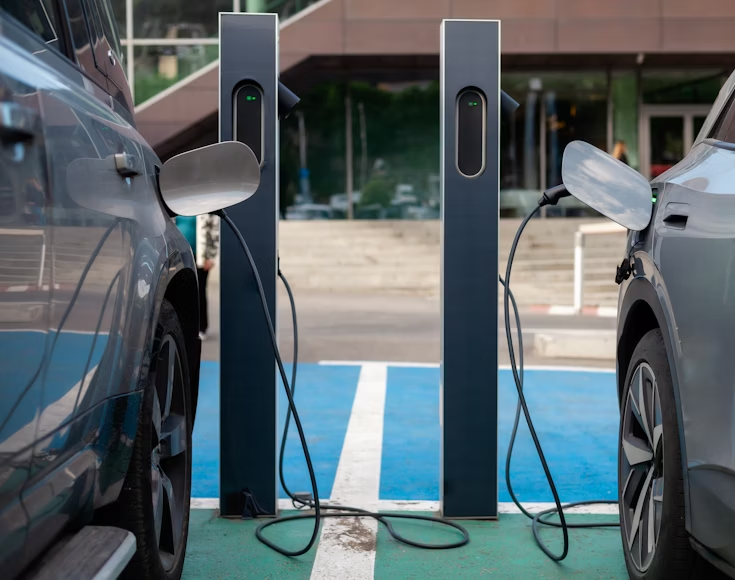
Electric cars are changing how we think about transportation. With petrol prices rising and air pollution becoming a serious concern in Indian cities, more people are looking at electric options. The good news is that you don't have to choose between a traditional car and a fully electric one anymore.
The types of electric vehicles available today range from cars that run completely on batteries to those that cleverly combine electric motors with petrol engines. Each type offers different benefits, costs, and driving experiences. Some work perfectly for city driving, while others handle long highway trips better. In this article, we will guide you through these differences and help you choose the vehicle that best fits your needs and budget.
Overview of Electric Vehicle Types
Electric vehicles represent a broad category that includes any vehicle using electric motors for propulsion, either partially or completely. The types of electric vehicles available today range from fully battery-powered cars to hybrid systems that combine electric motors with traditional engines.
What Defines Electric Vehicles
Electric vehicles use electric motors to move forward, reducing or eliminating dependence on petrol or diesel engines. The main types of EV cars—Battery Electric Vehicles (BEVs), Hybrid Electric Vehicles (HEVs), Plug-in Hybrid Electric Vehicles (PHEVs), Fuel Cell Electric Vehicles (FCEVs), and Extended-Range Electric Vehicles (EREVs)—fall under the broader classification of electric vehicles.
These vehicles share common features like quieter operation, lower emissions, and energy storage in batteries or fuel cells. They differ mainly in how they generate or store electricity and whether they can operate without any traditional fuel.
Why Understanding EV Types Matters
Choosing the wrong electric vehicle type can lead to frustration and unexpected costs. Your decision affects daily convenience, long-term expenses, and environmental impact. Different types suit different needs—city drivers might prefer one option while highway commuters need another.
Government policies and insurance coverage also vary by vehicle type. Understanding these differences helps you make informed decisions about purchase incentives, tax benefits, and coverage options.
Battery Electric Vehicles (BEVs)
Battery Electric Vehicles run on rechargeable batteries and electric motors. They contain no petrol or diesel engine, fuel tank, or exhaust system. You charge them by plugging into home chargers or public charging stations.
What Are BEVs?
BEVs represent the purest form of electric driving, running entirely on battery power without any petrol engine backup. These vehicles charge from external power sources and offer zero tailpipe emissions. While they require planning for longer trips, BEVs provide the lowest running costs and maintenance requirements among all vehicle types.
Key Components and How They Work
BEVs contain five main parts:
- Lithium-Ion Battery Pack: Stores electrical energy
- Electric Motor: Converts electricity into movement
- Controller: Manages power flow
- Onboard Charger: Converts AC power to DC for battery
- Regenerative Braking System: Recovers energy when slowing down
Advantages and Challenges
BEVs offer several benefits that make them appealing to modern drivers, from environmental gains to reduced upkeep:
- Zero tailpipe emissions
- Lower maintenance costs
- Quiet operation
- Strong acceleration
- Lower running costs
Despite their advantages, EVs also face certain hurdles that can affect practicality and accessibility for some users:
- Limited driving range
- Charging infrastructure gaps
- Longer charging times
- Higher upfront costs
Popular BEV Models and Examples
Here’s a quick look at popular EVs available in India and international markets:
- Tata Nexon EV: Leading EV in India with practical range and strong value for money.
- Tata Punch EV: Compact, city-friendly EV with modern features and efficient performance.
- Citroën ë-C3: Affordable electric hatchback with stylish design and urban practicality.
- Windsor EV: New entrant focusing on affordability and everyday usability.
- BYD Atto 3: Premium electric SUV with long range and advanced safety features.
- Tesla Model 3: Global benchmark for EV performance and technology.
- Nissan Leaf: Reliable and efficient EV with proven global track record.
Hybrid Electric Vehicles (HEVs)
Hybrid vehicles combine traditional engines with electric motors to improve fuel efficiency without requiring external charging. They represent a bridge between conventional cars and fully electric vehicles.
Understanding HEVs
HEVs use both petrol engines and electric motors, switching seamlessly between power sources. The battery charges through engine operation and regenerative braking—you never plug them in. This makes them convenient for drivers without charging access.
Variants: Mild Hybrid vs Full Hybrid
Hybrid vehicles come in different types, each offering distinct levels of electric support and fuel efficiency.
A mild hybrid involves:
- An electric motor that assists the petrol engine
- It cannot drive on electricity alone
- It provides modest fuel savings
A full hybrid:
- Can operate on electric power alone for short distances
- Offers greater fuel economy improvements
- More complex but more efficient
Components and Working Mechanism
Key parts include:
- Internal combustion engine: Provides main driving power.
- Electric motor: Assists the engine and enables electric-only driving at times.
- Small battery pack: Stores energy for the electric motor.
- Transmission system: Manages power delivery to the wheels.
- Regenerative braking: Recovers energy during braking.
- Energy management system: Decides when to use electric or engine power based on driving needs.
Benefits and Limitations
While hybrids strike a balance between petrol engines and electric motors, it is important to weigh both their strengths and drawbacks before deciding.
|
|
|
|---|---|
| No need for external charging infrastructure | Limited electric-only range |
| Better fuel efficiency than conventional cars | More complex mechanical systems |
| Lower emissions | Higher maintenance compared to BEVs |
| Familiar and smooth driving experience | Higher upfront cost than petrol or diesel cars |
Common HEV Models
Popular HEVs in India include:
- Maruti Suzuki Grand Vitara: Combines efficiency with SUV practicality.
- Toyota Innova HyCross: Spacious hybrid MPV ideal for families and long drives.
- Honda City e:HEV: Offers smooth performance and excellent urban fuel economy.
- Toyota Urban Cruiser Hyryder: Compact SUV with strong hybrid efficiency.
- Lexus NX 350h: Premium hybrid SUV blending luxury with advanced tech.
Plug-in Hybrid Electric Vehicles (PHEVs)
PHEVs bridge the gap between HEVs and BEVs by offering larger batteries that you can charge externally while maintaining engine backup for longer trips.
What Makes PHEVs Unique
PHEVs feature larger batteries than regular hybrids and accept external charging. They can run on pure electric power for moderate distances before switching to hybrid mode. This flexibility reduces range anxiety while maximising electric driving benefits.
Operational Modes: All-Electric and Hybrid
PHEVs operate in two main modes:
- All-electric mode: Runs on battery power only, producing zero emissions
- Hybrid mode: Combines engine and battery power for optimal efficiency
Components and Functionality
PHEVs include large batteries, onboard chargers, electric motors, engines, transmissions, and regenerative braking systems. Users can select driving modes based on trip requirements and battery levels.
Pros and Cons
Here’s a quick look at the pros and con of PHEVs:
|
|
|
|---|---|
| Flexible fuel options | Higher costs than HEVs |
| Reduced emissions | Added weight and complexity |
| Eligible for government incentives | Less electric range than BEVs |
| Lower range anxiety |
Popular PHEV Examples
Here are some of the most notable PHEV options:
- Toyota Prius Plug-in: Combines a petrol engine with an electric motor; electric range ~69 km.
- BMW 530e: 2.0L petrol engine plus electric motor; smooth luxury sedan performance.
- BMW 550e xDrive: More powerful hybrid variant of the 5 Series with AWD.
- Mercedes-AMG S 63 E Performance: High-performance hybrid with 802 hp output.
- Mercedes-AMG GT 63 S E Performance: Sports-focused PHEV with 843 hp.
Fuel Cell Electric Vehicles (FCEVs)
FCEVs use hydrogen fuel cells to generate electricity onboard, offering zero-emission driving with quick refueling times similar to conventional vehicles.
Introduction to FCEVs
FCEVs power electric motors using electricity generated from hydrogen fuel cells. They emit only water vapor and offer driving ranges comparable to petrol vehicles. India has pilot hydrogen filling stations in select cities, though widespread infrastructure remains limited.
Fuel Cell Technology Explained
Fuel cells convert hydrogen into electricity through electrochemical reactions. This process produces only water as a byproduct, making FCEVs truly zero-emission vehicles.
Key Components and Working Principle
FCEVs contain hydrogen storage tanks, fuel cell stacks, batteries, and electric motors. Hydrogen flows to the fuel cell, generates electricity, and powers the motor while storing excess energy in the battery.
Advantages and Challenges
The advantages and disadvantages of FCEVs include:
|
|
|
|---|---|
| Fast refueling (5 minutes) | High vehicle costs |
| Long driving range | Limited hydrogen infrastructure |
| Zero tailpipe emissions | Complex technology |
| Quiet operation | Few available models |
Notable FCEV Models
International models include the Toyota Mirai and Hyundai Nexo. No mass-market FCEVs are available in India yet, though demonstration projects continue.
Extended-Range Electric Vehicles (EREVs)
EREVs run primarily on electric power while using small petrol engines as generators to extend driving range without directly powering the wheels.
How EREVs Differ from PHEVs
EREVs operate mainly as electric vehicles, with engines serving only as battery chargers. PHEVs allow engines to directly drive the wheels. This gives EREVs a pure electric driving feel even when the engine runs.
Components and Working
EREVs include large batteries, electric motors, and small onboard generators. The engine activates only when battery levels drop, maintaining electric power without range limitations.
Advantages and Drawbacks
EREVs combine the strengths of electric driving with a backup generator, offering both benefits and compromises.
|
|
|
|---|---|
| Extended electric range | Added complexity and weight |
| Pure electric driving experience | Higher costs |
| Reduced range anxiety | Limited model availability |
Example Models
Prominent global examples include the BMW i3 REx and Chevrolet Volt. No Indian EREV models exist currently.
Comparison of Different Electric Vehicle Types
Understanding the classification of electric vehicles makes it easier to compare how different types of EV cars perform in terms of cost, convenience, environmental impact, and driving experience.
Power Sources and Emissions
The environmental impact of electric vehicles depends largely on where their electricity comes from:
|
|
|
|
|---|---|---|
| BEV | Battery only | None |
| HEV | Engine + battery | Reduced vs conventional |
| PHEV | Battery + engine | None/reduced |
| FCEV | Hydrogen fuel cell | Water vapor only |
| EREV | Battery + generator | None/very low |
Charging Requirements and Infrastructure
The biggest concern preventing Indian consumers from buying battery-electric vehicles is the charging infrastructure. However, India now has 29,277 public EV charging stations operational across the country as of August 2025.
|
|
|
|
|---|---|---|
| BEV | Plug-in charging | Widespread charging stations |
| HEV | Self-charging | No special infrastructure |
| PHEV | Plug-in charging | Charging stations/home setup |
| FCEV | Hydrogen refueling | Hydrogen fuel stations |
| EREV | Plug-in charging | Charging stations/home setup |
Driving Range and Refueling/Charging Time
Different types of electrified vehicles vary widely in how far they can travel and how long they take to refuel or recharge, which plays a key role in everyday convenience.
|
|
|
|
|---|---|---|
| BEV | 200-400 km | 6-8 hours (home), 30-60 min (fast) |
| HEV | 700+ km | 5 minutes (petrol) |
| PHEV | 40-60 km electric, 500+ km total | 2-4 hours (electric) |
| FCEV | 400-600 km | 5 minutes |
| EREV | 100-300 km electric, 500+ km extended | Variable |
Cost and Maintenance Considerations
BEVs cost ₹1.2-₹1.5 per kilometer to operate versus ₹6-₹7 per kilometer for conventional cars. This significant difference offsets higher purchase prices over time through reduced fuel and maintenance costs.
Choosing the Right Type of Electric Vehicle for You
Your choice among types of electric vehicles depends on your specific needs, budget, and driving patterns.
Factors to Consider: Driving Habits, Infrastructure, Budget
Your daily driving distance, access to charging facilities, and overall budget play a crucial role in selecting the most suitable electric vehicle. Consider how often you drive, typical traffic conditions, and whether your routes include highways, as these factors influence battery usage, charging frequency, and overall efficiency. Balancing these elements ensures your choice aligns with both lifestyle and financial priorities.
Environmental Impact and Sustainability Goals
BEVs and FCEVs offer maximum emission reductions, while PHEVs and HEVs provide incremental improvements. Shifting to EVs could reduce India's urban CO2 emissions by up to 37% by 2030.
Suitability for Urban vs. Long-Distance Driving
If you mostly drive short distances within the city and have reliable home or workplace charging options, a BEV can be highly convenient and cost-effective. On the other hand, long-distance commuters or those frequently travelling to areas with limited charging infrastructure may benefit more from PHEVs or HEVs, which offer the flexibility of combining electric power with traditional fuel.
Driving Into the Future: Picking the EV That Fits You
Electric vehicles are no longer one-size-fits-all—whether you choose a BEV, HEV, PHEV, FCEV, or EREV depends on your driving habits, budget, and long-term goals. Each type of electric vehicle offers unique strengths and trade-offs, but all contribute towards cleaner, more sustainable mobility.
Electric vehicles represent significant investments requiring proper protection. Royal Sundaram offers comprehensive motor insurance plans that ensure you are covered for technology-related risks while enjoying competitive premiums tailored to electric vehicle ownership costs.
FAQs
The main types of electric vehicles include Battery Electric Vehicles (BEVs) that run only on batteries, Hybrid Electric Vehicles (HEVs) that combine engines with electric motors, Plug-in Hybrid Electric Vehicles (PHEVs) with rechargeable batteries, and Fuel Cell Electric Vehicles (FCEVs) powered by hydrogen.
BEVs use rechargeable lithium-ion batteries to power electric motors that drive the wheels. They charge through external power sources and use regenerative braking to recover energy during deceleration.
HEVs charge their batteries through engine operation and regenerative braking only, while PHEVs have larger batteries that can be charged externally and offer longer electric-only driving ranges.
Yes, FCEVs produce zero tailpipe emissions, releasing only water vapor as they convert hydrogen into electricity through fuel cell technology.
PHEVs offer fuel flexibility, lower emissions, and reduced range anxiety with both battery and engine support. However, they are costlier, more complex, and may require higher maintenance than simpler hybrids.
Consider your daily driving distance, access to charging infrastructure, budget, environmental goals, and whether you primarily drive in cities or on highways.
BEVs and PHEVs can be charged at home using standard electrical outlets or dedicated charging equipment. HEVs do not require external charging as they generate electricity internally.
BEVs typically take 6-8 hours for full charging at home or 30-60 minutes at fast-charging stations. PHEVs need 2-4 hours for electric battery charging, while FCEVs refuel with hydrogen in about 5 minutes.
Within the classification of electric vehicles, BEVs usually cost less to maintain thanks to fewer moving parts, while hybrids and fuel cell vehicles can be pricier due to more complex systems.
EREVs are electric vehicles with a gasoline engine that charges the battery, extending the driving range beyond the battery’s capacity.


Discover the perfect insurance plan for you!
Get your free quote now!
Get StartedBy Clicking on Get Started, You agree to our Terms and Conditions and override DNC/NDNC registration.
More like this
View more


.png)