You have been Successfully Subscribed to Newsletter


Understanding Anaphylaxis: A Comprehensive Guide
Feb 11, 2025 • 2 Min Read
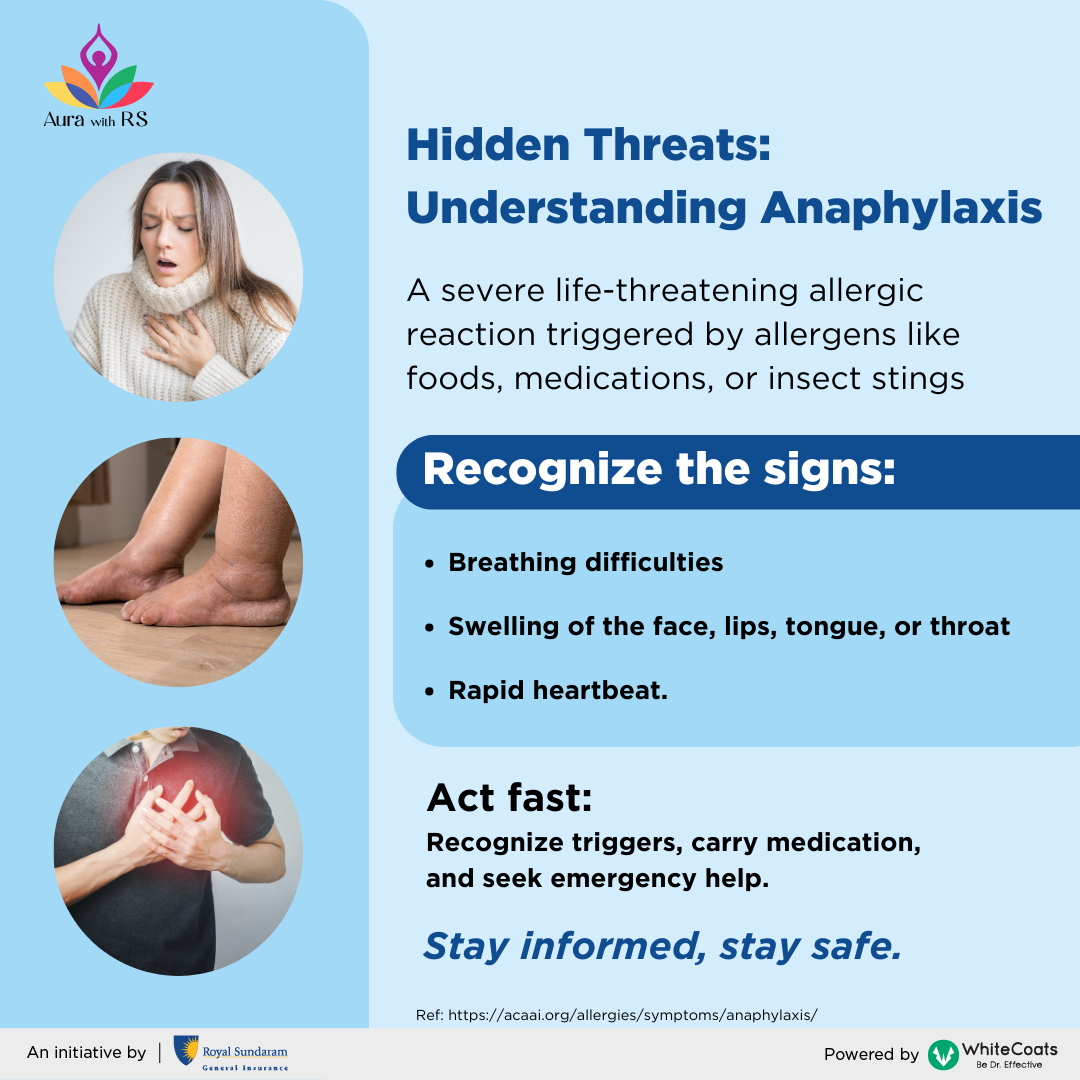
Anaphylaxis, a severe allergic reaction, poses a life-threatening risk that demands immediate attention and intervention. Typically triggered by food consumption or insect stings, anaphylactic shock can swiftly escalate without proper management.
Recognizing the symptoms and administering timely treatment, such as epinephrine injection, is paramount for survival.
Anaphylaxis, characterized by a rapid and severe allergic response, can manifest in various bodily systems simultaneously.
The immune system's overreaction triggers the release of histamine and other chemicals, leading to symptoms such as swelling, difficulty breathing, and gastrointestinal distress. Food allergies, insect stings, medications, and latex are common triggers for anaphylaxis.
Symptoms and Stages of Anaphylaxis
Anaphylaxis symptoms typically escalate quickly, with mild signs like skin rash progressing to more severe manifestations, including throat swelling and respiratory distress. Healthcare providers categorize anaphylaxis into four stages: mild, moderate, severe, and life-threatening. Each stage presents distinct symptoms, ranging from skin irritation to cardiovascular collapse, underscoring the urgency of prompt medical attention.
Diagnosis and Tests
Anaphylaxis diagnosis hinges on a comprehensive evaluation of symptoms and medical history, often supplemented by allergy tests such as skin prick tests or blood tests. Accurate diagnosis facilitates identifying allergic triggers and devising tailored management strategies to mitigate future risks.
Management and Treatment
Epinephrine injection is the cornerstone of anaphylaxis treatment, administered promptly upon symptom onset to counteract the allergic response and stabilize vital functions. Immediate medical intervention, including hospitalization and additional medications like antihistamines and corticosteroids, is imperative for preventing recurrence and addressing potential complications.
Prevention and Outlook
While anaphylaxis cannot be prevented outright, proactive measures can mitigate risks and enhance safety. Vigilant allergen avoidance, communication with healthcare providers regarding allergies, and carrying epinephrine autoinjectors are essential precautions. With proper management and adherence to preventive measures, individuals with anaphylaxis can lead fulfilling lives while minimizing the likelihood of severe allergic reactions.
Living With Anaphylaxis
Living with anaphylaxis necessitates proactive management strategies and a vigilant approach to potential triggers. Engaging in comprehensive allergen education, cultivating a support network, and staying informed about emerging treatment options are vital aspects of navigating life with this condition. Despite the challenges, individuals with anaphylaxis can thrive by adopting a proactive mindset and prioritizing their health and well-being.
In conclusion, understanding anaphylaxis empowers individuals to recognize the signs, seek timely intervention, and implement preventive measures effectively. Through informed decision-making and collaborative efforts with healthcare providers, individuals with anaphylaxis can navigate life with confidence and resilience, ensuring optimal safety and well-being in the face of allergic risks.

Discover the perfect insurance plan for you!
Get your free quote now!
Get StartedBy Clicking on Get Started, You agree to our Terms and Conditions and override DNC/NDNC registration.
More like this
View more