You have been Successfully Subscribed to Newsletter


Obesity and Osteoarthritis: Understanding the Link and Finding Solutions
Feb 11, 2025 • 2 Min Read
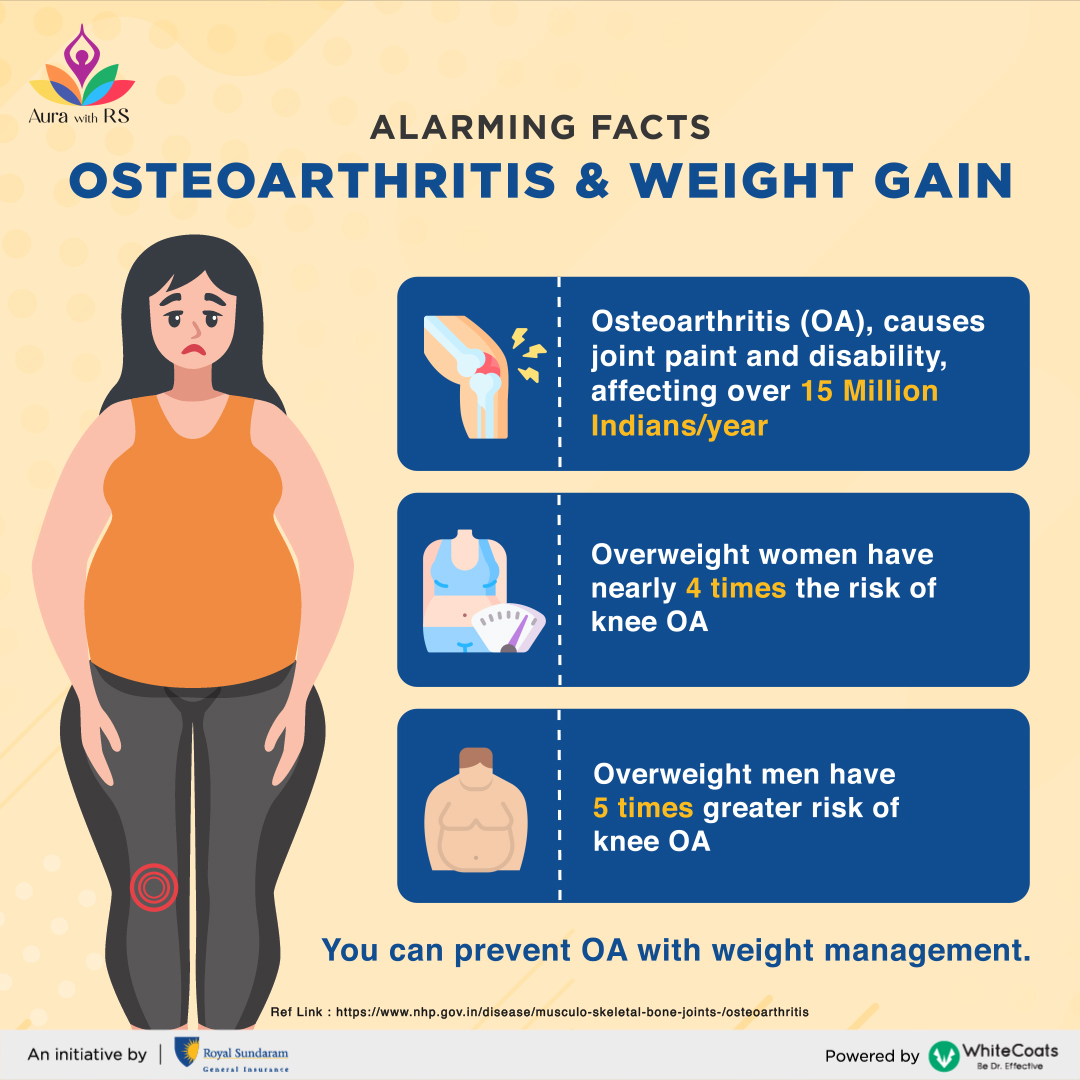
Obesity is a growing health concern worldwide. According to the World Health Organization (WHO), more than 1.9 billion adults were overweight, and 650 million were obese in 2016. Osteoarthritis is another chronic health condition affecting millions of people worldwide. Studies have shown, a strong link between obesity and osteoarthritis, and the prevalence of osteoarthritis is higher among obese individuals. In this blog, we will explore the link between obesity and osteoarthritis and discuss strategies to manage both conditions.
The Link Between Obesity and Osteoarthritis:
Osteoarthritis is a degenerative joint disease that occurs because of the wear and tear of the cartilage that cushions the joints. Excessive weight puts extra stress on the joints, especially the weight-bearing joints such as the knees and hips, leading to cartilage damage and joint pain. According to the (CDC) Centers for Disease Control and Prevention, obese individuals are 2-3 times more likely to develop osteoarthritis than those with a healthy weight. The risk of osteoarthritis increases with each additional kilogram of weight and losing just 10% of body weight can reduce the risk of developing osteoarthritis.
Managing Obesity and Osteoarthritis:
Losing weight is one of the most effective ways to manage obesity and reduce the risk of developing osteoarthritis. The CDC recommends a gradual weight loss of 500 grams to 1 kilogram per week through a combination of a healthy diet and regular physical activity. Exercise can help improve joint flexibility, reduce joint pain, and improve overall physical function. Low-impact exercises like walking, swimming, and cycling are recommended for individuals with osteoarthritis.
In addition to weight loss and exercise, other strategies to manage osteoarthritis include:
- Pain management: Pain relievers, such as acetaminophen and nonsteroidal anti-inflammatory drugs (NSAIDs), can help reduce joint pain. You should use them only with doctor’s advice and long-term usage of pain relievers can lead to kidney failure and other health complications.
- Physical therapy: A physical therapist can work with you to develop a customized exercise program that meets your needs and helps improve joint function.
- Assistive devices: Braces, splints, and other assistive devices can help support the joints and reduce pain.
Obesity and osteoarthritis are two chronic health conditions that are closely linked. Losing weight and regular exercise are two effective strategies to manage both conditions. If you are struggling with obesity or osteoarthritis, talk to your doctor about developing a customized treatment plan.
Ref Link:

Discover the perfect insurance plan for you!
Get your free quote now!
Get StartedBy Clicking on Get Started, You agree to our Terms and Conditions and override DNC/NDNC registration.
More like this
View more