You have been Successfully Subscribed to Newsletter


How White Sesame Seeds Benefit Female Nutrition and Vitality
May 20, 2026 • 15 Min Read
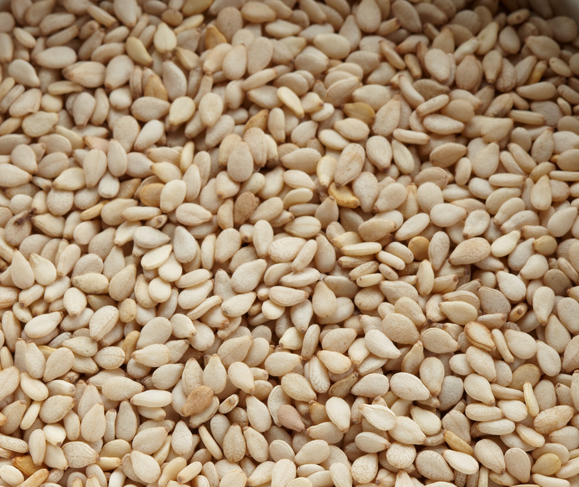
White sesame seed benefits for female nutrition and vitality have been widely recognised due to their dense nutrient composition, including calcium, magnesium, protein, healthy fats, and phytoestrogens. These nutrients address key female health concerns such as bone strength, hormonal balance, cardiovascular health, and skin maintenance. Understanding the role of white sesame seeds provides practical insights into improving nutrient intake and supporting specific physiological functions in women.
Nutritional Profile of White Sesame Seeds for Women
White sesame seeds pack exceptional nutritional density, specifically beneficial for women's health requirements. These small seeds contain concentrated amounts of essential nutrients that address common female health concerns.
Macronutrients: Protein, Fats, and Fibre
The following table shows the impressive macronutrient profile that makes uses of white sesame seeds particularly valuable:
|
|
|
|
|---|---|---|
| Protein | 30% | Supports muscle health, hormone production & tissue repair |
| Healthy Fats (Mono + Polyunsaturated) | 30% | Balances hormones, improves skin health & supports reproductive wellness |
| Dietary Fiber | 30% | Supports digestion, controls blood sugar & promotes gut health |
The high-quality protein supports muscle building and hormonal health, while the balanced fat promotes reproductive wellness.
Key Minerals: Calcium, Magnesium, Iron, Zinc
These minerals address critical deficiencies common among Indian women:
- Calcium: 87.75 mg per tablespoon - the highest among all seeds
- Iron: Essential for preventing anaemia (1.31 mg per tablespoon)
- Magnesium: (31.59 mg per tablespoon) supports bone density and reduces PMS symptoms
- Zinc: (0.7 mg per tablespoon) boosts immune function and skin health
Vitamins Important for Females: B Vitamins and Vitamin E
White sesame seeds provide B vitamins crucial for energy metabolism and neurological function. Per 100 g, they provide 0.79 mg thiamine (B1), 0.25 mg riboflavin (B2) , 4.5 mg niacin (B3) , 0.790 mg vitamin B6 and Folate (B9) 97 μg. The gamma-tocopherol form of vitamin E offers powerful antioxidant protection for skin health and cellular repair.
Role of Phytoestrogens in Sesame Seeds
Sesame seeds contain lignans (such as sesamin, sesamolin and other polyphenolic compounds), which — after digestion — are converted into mammalian lignans with estrogenic activity. These phytoestrogens help balance hormone levels by mimicking or blocking estrogen based on your body's needs.
Health Benefits of White Sesame Seeds Specific to Females
Using sesame seeds for immunity can strengthen overall female wellness, as their rich nutrient profile supports many of women’s unique health needs.
Bone Health Support and Osteoporosis Prevention
As per studies, Indians consume insufficient calcium, averaging around 429 mg per day, whereas adult women require about 600 mg daily. Sesame seeds provide abundant calcium, magnesium, and phosphorus, key minerals that work together to build and fortify bones. Their synergistic action enhances bone density, making regular sesame seed consumption a valuable strategy for maintaining skeletal health and potentially lowering osteoporosis risk, especially in postmenopausal women.
Hormonal Balance and Menopause Symptom Relief
Incorporating sesame seeds into the diet may help women manage hormonal fluctuations during menopause. The plant compounds in sesame can support the body’s natural hormone function, which may reduce discomfort associated with changing estrogen levels. Additionally, the healthy fats and antioxidants in sesame contribute to overall hormonal health and well-being.
Heart Health: Cholesterol and Blood Pressure Management
Studies show remarkable cardiovascular benefits from sesame consumption:
- Reduction in LDL cholesterol and total cholesterol — Several clinical trials and meta-analyses show that sesame intake helps lower LDL and total cholesterol in people with hyperlipidemia or type 2 diabetes .
- Decrease in triglycerides — Research indicates sesame seeds, or oil, can reduce triglyceride levels , supporting healthier lipid profiles .
- Lowering blood pressure — Meta-analyses report modest reductions in both systolic and diastolic blood pressure with regular sesame consumption.
These benefits are especially important considering that 24% of women of reproductive age in India were overweight or obese in 2019–21, as reported by the study.
Skin, Hair, and Anti-Ageing Effects
The vitamin E and essential fatty acids in sesame seeds support collagen production, skin moisture retention, and hair lustre. Zinc plays a crucial role in wound healing and maintaining youthful skin appearance.
Supporting Mental Health and Stress Reduction
Magnesium and B vitamins support neurological function, helping combat stress and anxiety. Regular consumption may improve sleep quality and reduce muscle cramps during menstruation.
Blood Sugar Regulation and Weight Management
The protein and fibre content promote satiety, while pinoresinol helps regulate blood sugar by inhibiting sugar-absorbing enzymes. This supports healthy weight management and metabolic function.
Digestive Health and Fibre Benefits
Sesame seeds are high in dietary fibre, which supports healthy digestion and may benefit gut health. Including fibre-rich foods like sesame can help maintain digestive regularity.
Immune System Support
The combination of zinc, selenium, iron, and vitamin E strengthens immune defences, helping women fight infections and maintain overall health.
Anti-Inflammatory and Joint Health Benefits
Sesamin provides anti-inflammatory effects that may protect cartilage and reduce joint pain, particularly beneficial for ageing women.
How to Incorporate White Sesame Seeds Into a Female-Friendly Diet
Daily consumption of 1-2 tablespoons provides optimal benefits without excessive calories. This represents the ideal uses of white sesame seeds for maximum health impact.
Daily Recommended Intake and Serving Suggestions
- Optimal amount: A moderate daily intake of about 1–2 tablespoons of sesame seeds is often used in nutrition guides as a reasonable serving for adults.
- Timing: While using sesame oil, include it in cooking or meals in small quantities — for example, by replacing other cooking oils — rather than over-consuming, since sesame seeds/oil are high in fats and calories.
- Forms: You can consume sesame in different forms: whole seeds (raw or roasted), ground seeds/powder, or as paste (e.g. tahini).
Cooking Tips: Roasting, Sprouting, and Soaking
To enhance nutrient availability:
- Roasting: Heat at 120° – 180°C for 10–30 minutes — this moderate heat and time tend to preserve antioxidants and minerals while improving flavour. Moreover, this makes minerals such as calcium and magnesium easier for the body to use.
- Soaking: Soaking sesame seeds softens them and helps reduce naturally occurring antinutrients, improving digestibility and allowing better absorption of minerals.
- Sprouting: A 2025 study found that sprouting sesame seeds ( over 0 to 96 hours ) increased the protein content and “ash” (mineral portion) of the seed flour, while reducing crude fibre, carbohydrates, and crude fat. Mineral contents such as calcium and magnesium improved slightly after sprouting.
Using Sesame Seeds in Popular Recipes and Snacks
Sesame seeds are incredibly versatile, and they can be used in many everyday recipes to enhance flavour, texture, and nutrition.
- Sprinkle toasted sesame seeds on salads, soups, noodles, and stir-fries for a nutty crunch.
- Add a spoon to smoothies for calcium and healthy fats.
- Mix into roti or bread dough for better texture — sesame seeds add fat, fibre and minerals which enrich the dough.
- Use in ladoos and chikki. Sesame seeds’ healthy fats, proteins and minerals make them ideal for nutrient-dense snacks.
Precautions and Possible Side Effects for Women
While generally safe, consider these points:
- Avoid during early pregnancy (first trimester)
- Watch for allergic reactions
- Reduce intake if experiencing digestive discomfort
- Consult healthcare providers if taking blood-thinning medications
- Use in spice mixes (like gomasio) or dry chutneys — adds a rich, nutty flavour along with a nutritional boost.
Scientific Evidence Behind White Sesame Seeds' Benefits for Women
Clinical research strongly supports the white sesame seeds' benefits for female health through multiple peer-reviewed studies.
Clinical Studies on Hormone Modulation and Menopause
Clinical research suggests that sesame seeds may influence certain hormone-related markers in postmenopausal women. In a controlled study where participants consumed 50 g of sesame seed powder daily for 5 weeks, researchers observed a 15% rise in sex hormone–binding globulin (SHBG) and a notable increase in favourable estrogen metabolites.
These biochemical shifts indicate that sesame seeds may support healthier estrogen metabolism—changes that are often linked with reduced menopause discomfort, such as hot flashes and mood fluctuations, though larger studies are still needed to confirm direct symptom relief.
Research on Bone Density and Mineral Absorption
- A 2023 review concluded that sesame seeds and their bioactive compounds show a protective role for bone health and bone mineralisation in postmenopausal osteoporosis.
- In laboratory studies, sesamin was shown to stimulate the differentiation of bone-forming cells (osteoblasts)
Effects on Cardiovascular and Metabolic Health
- A 2024 meta-analysis of 13 clinical trials (521 participants) found that sesame intake lowered key inflammatory markers such as CRP and IL-6.
- A systematic review on sesame supplementation in people with metabolic disorders and type 2 diabetes showed significant reductions in triglycerides (TG).
Anti-Cancer and Antioxidant Research Highlights
Sesamol and lignans demonstrate potential anti-cancer properties through their antioxidant mechanisms, though more research continues.
Your Path to Comprehensive Health Protection
While sesame seeds offer significant health benefits, true wellness comes from a balanced approach that combines nutrition, healthy habits, and adequate insurance protection.
Royal Sundaram General Insurance provides comprehensive health insurance. Choose Royal Sundaram health insurance for:
- Extensive Coverage: Offers multiple health insurance plans with flexible sum-insured options, allowing customers to choose coverage levels based on their medical needs and budget.
- Women-Focused Benefits: Plans available with special coverage for maternity and women's health conditions.
- Alternative Medicine: Coverage for Ayurveda, Unani, and Siddha treatments in select plans.
- Cashless Network: Seamless cashless treatment at a vast hospital network across India.
Frequently Asked Questions about White Sesame Seeds for Females
Sesame seeds contain lignans (phytoestrogens) that help balance estrogen levels by either mimicking or blocking estrogen, based on your body's specific needs, particularly beneficial during menopause.
Yes, one tablespoon provides 87.75 mg of calcium, working with magnesium to improve bone density and prevent osteoporosis, especially crucial for postmenopausal women.
Sesame seeds are rich in antioxidants, including vitamin E, which helps protect skin cells from oxidative damage and maintain elasticity. Their healthy fats support skin hydration and nourishment. Regular consumption promotes stronger, shinier hair.
A typical daily serving of white sesame seeds for women is approximately 1–2 tablespoons. This amount provides beneficial nutrients like calcium, healthy fats, and antioxidants while minimising digestive discomfort. It’s best to include them as part of a balanced diet rather than in excessive amounts.
Yes, their fibre and protein content slows digestion, while pinoresinol reduces sugar-absorbing enzyme activity, helping stabilise blood glucose levels naturally.
Pregnant women should avoid these seeds during the first trimester, watch for allergic reactions, and consult healthcare providers if taking blood-thinning medications.
Black sesame seeds have higher lignan content, offering stronger antioxidant and hormone-supporting effects. White sesame seeds provide calcium, healthy fats, and protein with slightly different phytochemicals. Both support women’s health, mainly differing in antioxidants and lignans.
Despite being calorie-dense, the high fibre and protein content promotes satiety, helping you feel fuller longer and supporting healthy weight management goals.
You can sprinkle white sesame seeds on salads, yoghurt, or roasted vegetables for added nutrients. You can also use the seeds in dressings, dips, or sauces, or mix them into baked goods like bread and muffins. Toasting the seeds lightly enhances flavour and nutrient absorption.

Discover the perfect insurance plan for you!
Get your free quote now!
Get StartedBy Clicking on Get Started, You agree to our Terms and Conditions and override DNC/NDNC registration.
More like this
View more