You have been Successfully Subscribed to Newsletter


How To Apply For Newborn Passport in India: Complete Guide
May 28, 2026 • 10 Min Read
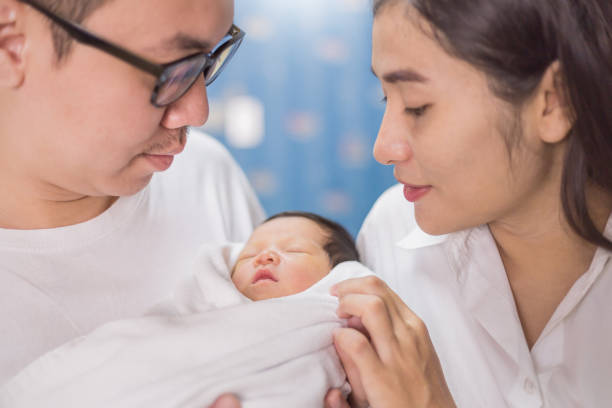
Every Indian parent planning international travel with their newborn faces a crucial requirement: obtaining an individual passport for their child. Gone are the days when children could travel on their father's passport endorsement. Today's regulations mandate that every Indian citizen, regardless of age, must possess a valid passport for overseas journeys.
The passport application process for infants involves specific documentation and procedures designed to protect children's interests while ensuring smooth travel arrangements. Understanding these requirements helps parents avoid common pitfalls and processing delays.
Introduction to Newborn Passport Application in India
The passport application system for newborns operates under specific guidelines that prioritise child safety while facilitating family travel. Every infant requires an individual travel document before crossing international borders, making passport application an essential step for travelling families.
Why a Newborn Needs a Separate Passport
The practice of endorsing children on their father's passport has been discontinued, requiring all minors to obtain individual passports. This change ensures better security protocols and clearer identification procedures at international borders. Infant passport requirements in India mandate that even babies under one year old must possess their own travel documents.
The individual passport system provides several benefits:
- Enhanced security during international travel
- Clear identification of the child's nationality
- Simplified immigration procedures
- Protection against potential custody disputes
Overview of the Passport Application Process for Infants
Getting a newborn passport in India involves both online and offline procedures, with parents choosing their preferred application method. The process requires consent from both parents, distinguishing it from adult applications where individual consent suffices.
Key process highlights include:
- Dual parental consent requirement
- Simplified documentation for minors
- Walk-in facility available at Passport Seva Kendras
- No police verification for most cases
Eligibility and Age Requirements
Indian passport regulations maintain clear guidelines for minor applicants, with specific provisions for different age groups. The system recognises that infant applications require special consideration while maintaining security standards.
Is There a Minimum Age to Apply?
No minimum age restriction exists for passport applications in India. Parents can apply for their newborn's passport immediately after obtaining the birth certificate. This flexibility allows families to plan international travel without age-related delays.
The age-inclusive policy ensures:
- Immediate travel planning capability
- No waiting periods for documentation
- Equal treatment regardless of infant's age
- Streamlined family travel arrangements
Definition of Minor and Infant Categories in Passport Rules
Indian passport regulations classify anyone under 18 years as a minor, with special provisions for different age brackets. Children between 15-18 years receive additional options for passport validity periods.
|
|
|
|
|---|---|---|
| 0–15 years | 5 years or until 18 | Only 36-page booklet |
| 15–18 years | 5 years or 10 years | Choice of validity |
| Above 18 | 10 years | Full adult options |
Documents Required for Newborn Passport
Proper documentation forms the foundation of successful passport applications. Infant passports require particular documents that establish the child's identity, parentage, and nationality while ensuring both parents consent to the application.
Birth Certificate Requirements
The municipal authority or registrar of births and deaths must issue the birth certificate, serving as primary proof of the child's date of birth and place of birth. This document establishes the fundamental basis for passport eligibility.
Essential birth certificate criteria:
- Issued by municipal authority or registrar
- Contains accurate birth details
- Clearly states parents' names
- Includes official seal and signature
Parents' Passport Copies
Both parents' passport copies establish the infant's nationality and parentage. If the spouse's name isn't endorsed on either parent's passport, additional documentation becomes necessary.
Required passport documentation includes:
- Clear copies of both parents' passports
- Pages showing personal details
- Spouse name endorsement verification
- Valid passport status confirmation
Photographs of the Infant
Recent passport-sized photographs meeting specific guidelines are mandatory for infant applications. Special photography guidelines apply to children under four years of age, for example, the face of the infant must take up 80-85% of the photograph, the size of the photograph must be 45mm x 35mm, and the photograph must be in color with a white background.
Annexure Forms and Affidavits (Annexure D, H, etc.)
Annexure D represents a sworn affidavit by both parents stating their consent for the child's passport issuance. This mandatory declaration protects against unauthorised passport applications and ensures both parents agree to the process.
Address Proof of Parents
Valid address proof in either parent's name satisfies the residential requirement. Acceptable documents include utility bills, rental agreements, or other government-recognised address verification documents.
Additional Documents (marriage certificate, etc.)
When spouse names aren't endorsed on parents' passports, marriage certificates become mandatory. This additional documentation establishes the legal relationship between parents and confirms the child's legitimate parentage.
Step-by-Step Application Process
The application process offers flexibility through online and offline channels, accommodating different parent preferences. Understanding each step ensures smooth processing without unnecessary delays.
Online Application Procedure
Online applications begin with registration on the Passport Seva website (passportindia.gov.in). The system provides two alternatives: complete online form filling or downloadable forms for offline completion.
Offline Application Procedure
Offline applications allow parents to download forms or collect them from Passport Seva Kendras. Walk-in facilities remain available for minor passport applications, unlike adult applications requiring advance appointments.
Filling the Application Form for Newborns
Complete the application form using black or blue ink in block letters. Accuracy remains crucial as discrepancies can cause significant processing delays.
Booking Appointment at Passport Seva Kendra (PSK) or Regional Passport Office (RPO)
After form submission, schedule appointments at the nearest facility. The 533 processing centres across India provide convenient access for most applicants.
Attending the Appointment and Document Verification
Both parents must attend the appointment with all original documents. The verification process includes document authentication and application review.
Fees and Payment Options
Understanding the fee structure helps parents budget appropriately while choosing between normal and expedited processing options.
Types of Passports and Corresponding Fees (36 pages, 60 pages, Tatkaal)
Minors receive only 36-page passport booklets, with fees varying based on processing type.
|
|
|
|
|---|---|---|
| Normal | ₹1,000–2,000 | 7–10 days |
| Tatkaal | ₹3,500–4,000 | 1–3 days |
Disclaimer: Fees are subject to change. Please verify with official sources.
How to Pay Online and Offline
Payment options include online transactions through the Passport Seva portal or offline payments at PSK counters using cash, debit cards, or credit cards. The State Bank of India payment portal processes all transactions.
Police Verification and Additional Formalities
Police verification requirements depend on parents' passport status, with most infant applications exempted from this procedure.
When is Police Verification Required for Newborns?
Police verification isn't mandatory for minors below 18 years when either parent holds a valid passport with spouse name endorsement. This exemption simplifies the process for most families.
Exceptions and Simplified Procedures for Minors
When parents lack valid passports, police verification becomes necessary. However, the process remains straightforward and typically occurs post-issuance rather than before passport approval.
Common Verification Process Steps
Required verification follows standard protocols including address confirmation and character verification. The process typically completes within 3-5 working days when applicable.
Processing Time and Passport Delivery
Processing timelines vary based on application type and documentation completeness. Understanding these timeframes helps parents plan travel schedules appropriately.
Normal Processing Timeline
Standard processing requires 7-10 days working days including submission, verification, and dispatch stages. However, infant passports often process faster due to simplified verification requirements.
Tatkaal Processing Timeline
Tatkaal applications complete within 1-3 working days, providing expedited service for urgent travel needs. The higher fee reflects the priority processing and faster delivery timeline.
How to Track Your Newborn Passport Application Status
Online tracking tools provide real-time status updates using application file numbers. SMS notifications offer additional convenience for busy parents monitoring application progress.
Common Issues and Troubleshooting
Preventing common application problems ensures smooth processing without unnecessary delays or rejections.
Incomplete Documents and How to Avoid Delays
Document discrepancies cause significant processing delays. Adhering strictly to photograph specifications and maintaining accurate information prevents most rejection issues.
What to Do If Your Application Is Rejected or Delayed
Incorrect information entry represents the most common tracking issue. Double-checking file numbers, dates of birth, and names ensures accurate status monitoring.
Tips for Smooth Application Processing
Early appointment booking, especially during peak travel seasons, ensures convenient scheduling. Both parents must provide consent, with additional documentation like filling the Annexure C form are required when one parent is unavailable.
Additional Tips for Parents
Practical considerations help parents manage the application process effectively while planning future travel arrangements.
Do Both Parents Need to Be Present?
Both parents must attend PSK appointments, though alternatives like signing separate forms (Annexure C or D) exist when one parent carries both passports. PSK officials may request the absent parent's presence if signature verification proves unsatisfactory.
Validity of Newborn Passports
Infant passports remain valid for five years or until the child reaches 18 years, whichever occurs first. Children aged 15-18 can choose between five-year minor passports or ten-year adult validity options.
Planning Applications Ahead of International Travel
A passport for a newborn in India requires advance planning to accommodate processing times. Early applications avoid rush periods and provide adequate time for any additional documentation requirements.
Your Path to Secure International Travel Insurance
When planning international travel with your newborn, securing comprehensive travel insurance becomes equally important as obtaining the passport. Royal Sundaram Travel Insurance provides extensive coverage for families travelling abroad, including medical emergencies, checked in baggage protection, and emergency medical evacuation.
Royal Sundaram offers specialised travel insurance that covers:
- Medical Emergency Coverage: Comprehensive healthcare protection abroad
- Trip Cancellation: Reimbursement for prepaid trip expenses if the trip is cancelled for covered reasons.
- Checked In Baggage and Personal Belongings: Compensation for loss, damage or theft of baggage.
- Personal Liability: Protection against legal liabilities for third-party injuries or property damage caused during the trip.
Frequently Asked Questions
Essential documents include the birth certificate from municipal authorities, both parents' passport copies, recent infant photographs, Annexure D affidavit, parental address proof, and the marriage certificate if spouse names aren't endorsed.
Yes, you can initiate a newborn passport application online by filling out the form on the official Passport Seva website.
Police verification isn't mandatory for minors when either parent holds a valid passport with spouse name endorsement. This exemption applies to most infant passport applications.
Normal processing typically requires 7-10 days, though infant applications often complete faster due to simplified verification requirements and exempted police verification procedures.
The fee to apply for a newborn (minor) passport in India is Rs. 1,000 for a standard 36-page booklet while a 36-page tatkal booklet costs Rs, 3000.
Yes, a single parent can apply for a newborn's passport in India, regardless of marital status (unwed, divorced, or separated). The applicant must submit a specific affidavit, usually Annexure C, confirming their sole custody or the inability to obtain the other parent's signature.
Yes, a passport is mandatory for newborns and infants travelling internationally.
Yes, a newborn's passport application can be done without both parents present, but it requires specific documentation to prove consent. One parent can bring their child and the other parent's consent via a signed Annexure C and a copy of their passport/ID.


Discover the perfect insurance plan for you!
Get your free quote now!
Get StartedBy Clicking on Get Started, You agree to our Terms and Conditions and override DNC/NDNC registration.
More like this
View more