You have been Successfully Subscribed to Newsletter


Importance of Air Filters in Bikes
Jan 30, 2026 • 10 Min Read
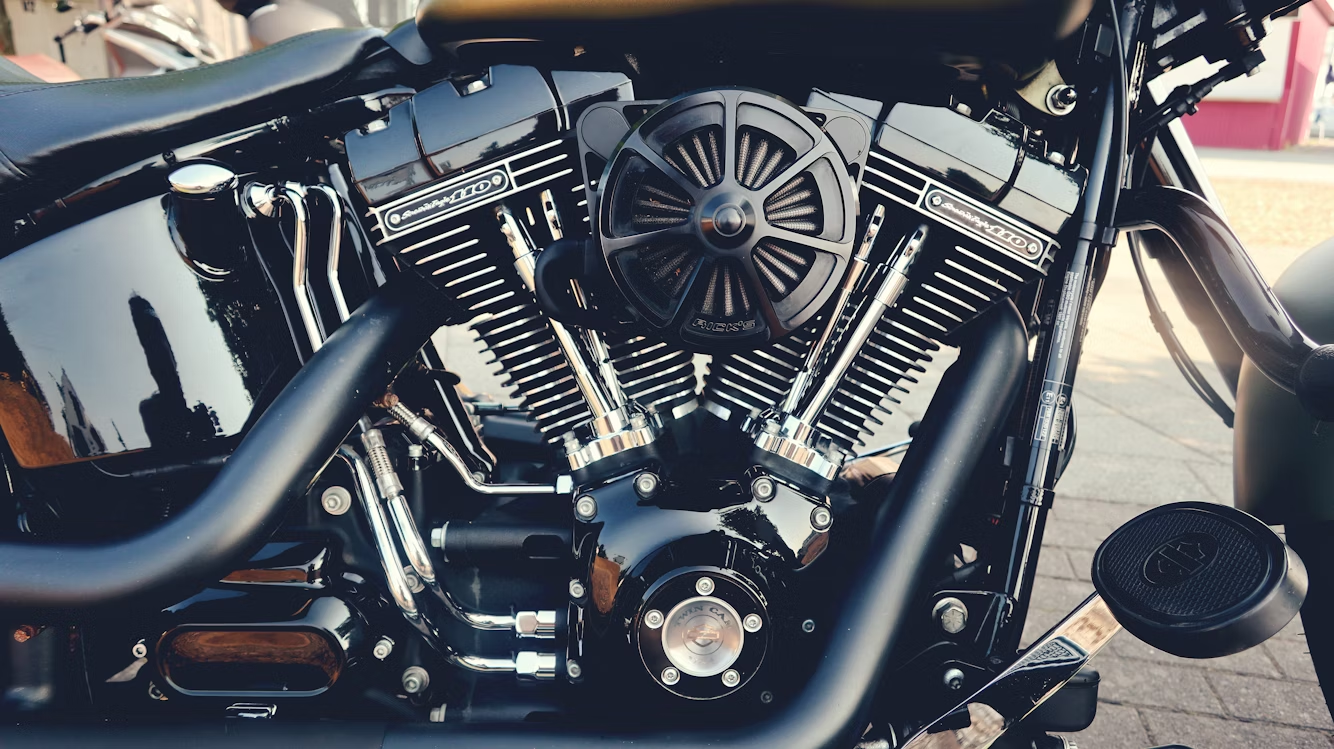
Your bike's engine breathes just like you do, and the importance of air filters in bikes becomes clear when you consider what happens without clean air. Every time you start your engine, it sucks in thousands of liters of air mixed with dust, pollen, and tiny particles that can destroy internal components within months.
The global motorcycle filter market is projected to reach $6.36 billion by 2034, growing at 5.1% annually. This growth reflects how crucial proper filtration has become for modern engines. This guide explains everything you need to know about selecting, maintaining, and replacing your bike's air filter for optimal performance and protection.
What Are Bike Air Filters and Why They Matter
Air filters in bikes act as protective barriers that clean incoming air before it enters your engine's combustion chamber. They remove harmful particles while allowing sufficient airflow for optimal performance.
Role of Air Filters in Engine Performance
What is the use of an air filter in a bike? Understanding starts with combustion basics. Here's how proper filtration affects your engine:
- Clean Combustion:Pure air creates better fuel-air mixtures, resulting in smoother power delivery and improved efficiency
- Optimal Fuel Mixture:Clean air ensures proper fuel-air ratios for complete combustion
- Consistent Power Output:Adequate airflow maintains steady engine performance across different RPM ranges
- Reduced Emissions:Proper combustion produces fewer harmful exhaust gases
How Air Filters Protect Your Bike's Engine
Your engine's internal components face constant threats from airborne contaminants. Consider these protection mechanisms:
- Oil Contamination Prevention:Particles mixing with engine oil create abrasive compounds that scratch cylinder walls and piston rings
- Piston Protection:Clean air prevents jamming caused by excessive oil thickening from dust accumulation
- Long-Term Durability:Proper filtration stops harmful contaminants from building up inside the engine
- Engine Seizure Prevention:Proper filtration prevents complete engine failure from excessive contamination
Common Air Filter Materials and Types
Different materials offer varying levels of protection and maintenance requirements:
|
|
|
|
|
|
|---|---|---|---|---|
| Paper/Cellulose | Good for street use | 6,000 km | Replace only | Lowest |
| Cotton Gauze | Superior filtration | 80,000+ km | Washable/reusable | Highest |
| Foam | Excellent for dusty conditions | 10,000-12,000 km | Cleanable with oil | Medium |
Types of Air Filters for Bikes
Air filters in motorcycles are of three main types, each suited for different riding conditions and maintenance preferences.
Paper Air Filters - Pros and Cons
Paper air filters are disposable filters made from pleated paper that trap dust and debris to keep the engine’s intake air clean. Here's a look at their pros and cons:
|
|
|
|---|---|
| Most affordable option | Cannot be cleaned or reused |
| Easy to manufacture and install | Gets clogged easily in dusty conditions |
| Good protection for street riders | Less efficient in very dirty environments |
| Extended service intervals | Can rupture with large particles |
Cotton Gauze and Oiled Filters
Premium cotton gauze filters offer superior performance through their unique oiled filtration system.
- These filters use microscopic fibres that hold oil in suspension, creating a powerful filtering action.
- They cost 50-100% more than paper alternatives but provide reusability benefits.
- You can wash and re-oil them repeatedly, making them cost-effective over time.
Foam Filters
Foam filters excel in off-road conditions where dust and debris are constant threats.
- Dense foam catches sand and dirt particles for off-road use, while lighter foam allows better airflow for road riding.
- They don't block particles but trap them using special oil that sticks to the foam material
- However, dense foam can reduce breathability and requires frequent cleaning.
Performance/Aftermarket Air Filters
Premium aftermarket brands offer advanced filtration technology:
|
|
|
|
|---|---|---|
| K&N | Washable, reusable | Up to 80,000 km |
| BMC | Multi-layered cotton and foam | Extended durability |
| DNA | Higher surface area design | Long-lasting |
| Sprint Filter | Polyester tissue, maintenance-free cleaning with compressed air | Long service life, maintenance-free |
| HiFloFiltro | High filtration efficiency, durable foam/synthetic media | Recommended replacement every 15,000–30,000 km |
The brands listed are some of the popular premium aftermarket options. Several other reputable brands and models are also available in India, depending on vehicle type and compatibility.
Choosing the Right Air Filter for Your Bike
Selecting the right air filter for a motorcycle requires careful consideration of compatibility, performance needs, and riding conditions.
Compatibility and Fitment Considerations
Proper fitment ensures optimal performance and prevents damage:
- Direct Replacement Design:Quality filters require no modifications for installation
- Air-Box Placement:Most filters sit inside air-boxes near the engine's intake mechanism
- Size Specifications:Different bikes require specific filter shapes and dimensions
- Manual Consultation:Always check your owner's manual for manufacturer recommendations
Performance Needs vs Regular Use
Match your filter choice to your riding style:
|
|
|
|
|---|---|---|
| Daily commuting | OEM paper filter | Cost-effective, reliable protection |
| Performance riding | Oiled cotton gauze | Better airflow, reusable |
| Off-road/dusty conditions | Foam or oiled cotton | Superior dust protection |
Factors to Consider: Riding Environment and Maintenance
India's challenging conditions require special attention to filtration needs:
- Dust Exposure:Fine particles settle on filter pores, requiring frequent cleaning
- Climate Variations:Dusty terrains and following other vehicles increase dust exposure significantly, accelerating filter clogging
- Mixed Terrain Riding:Urban and rural environments require different filtration approaches
- Daily Maintenance:Extremely dusty environments may need end-of-day filter cleaning
- Seasonal Adjustments:Increase cleaning frequency during dry, dusty seasons
Maintaining and Replacing Bike Air Filters
Air filters in bikes play a key role in ensuring consistent airflow, which directly affects throttle response and fuel economy over time. Regular maintenance prevents costly engine damage and maintains optimal performance.
Signs Your Air Filter Needs Cleaning or Replacement
Watch for these warning indicators:
- Performance Issues:Poor fuel efficiency, power loss, and rough idling
- Visual Inspection:Hold filter against light—minimal light passage indicates replacement needs
- Exhaust Problems:Black smoke indicates an overly rich fuel mixture from dirty filters
- Engine Sounds:Sputtering during acceleration or merging attempts
- Throttle Response:Sluggish acceleration and reduced maneuverability
Cleaning Methods for Different Filter Types
Proper cleaning extends filter life and maintains performance:
|
|
|
|
|---|---|---|
| Paper | Compressed air only | Air compressor |
| Foam | Degreaser and re-oiling | Filter cleaning kit |
| Cotton gauze | Special cleaner fluid | Filter oil and applicator |
Recommended Replacement Intervals
Maintenance schedules depend on riding conditions and filter type. General recommendations range from 6,000 to 12,000 km for replacement, with cleaning intervals every 2,500-3,000 km for reusable filters.
Using Air Filter Cleaner and Oil Kits
Professional cleaning kits ensure proper maintenance of reusable filters. These kits include specialized degreasers and oils formulated for specific filter materials, maintaining filtration efficiency while extending filter life.
How Air Filters Can Boost Bike Performance
Proper filtration directly impacts your bike's power delivery and efficiency. High-quality air filters in bikes help optimize your bike's performance.
1. Improved Airflow and Combustion Efficiency
Performance filters increase airflow rates, creating better fuel-air mixtures that improve combustion efficiency and engine responsiveness.
2. Effect on Fuel Consumption and Power Output
Clean filters can improve fuel efficiency by up to 10% by preventing incomplete combustion that wastes fuel and reduces power output.
3. Limitations: When a Filter Alone Won't Increase Performance
Significant power gains require complementary modifications like performance cams, exhaust systems, and proper tuning. Filters alone provide minimal horsepower increases.
4. Tuning Tips When Using Performance Filters
Consider professional services when installing high-flow filters to maximise benefits:
- ECU Remapping:Get professional ECU tuning or remapping done to ensure the engine’s air-fuel ratio is adjusted for the increased airflow from high-performance filters.
- Regular Monitoring:Check spark plugs and exhaust emissions after installation to make sure the engine is not running too lean or rich.
- Pair with Exhaust Upgrades:For optimal results, combine the performance filter with a free-flow exhaust to balance intake and exhaust flow.
- Maintenance Schedule:Clean or replace the filter as recommended, as performance filters can clog faster in dusty or humid conditions.
Common Issues Related to Bike Air Filters
Understanding potential problems helps prevent costly repairs.
- Consequences of Dirty or Clogged Filters:Neglected filters cause reduced performance, increased fuel consumption, and potential engine damage from restricted airflow.
- Risks of Running Without or Incorrect Filters:Missing or wrong filters allow debris to enter the engine, causing rapid internal wear and potential seizure.
- Poor Filtration Affects Engine Longevity:Contaminated air reduces engine life by causing premature wear of pistons, rings, and cylinder walls.
Top Air Filter Brands and Their Unique Features
Leading manufacturers offer various technologies to suit different needs:
|
|
|
|
|
|---|---|---|---|
| K&N | Cotton gauze with oil | Performance riders | Premium |
| DNA | High-flow design | Track use | High-end |
| BMC | Multi-layer construction | All-around performance | Premium |
| Huims | Multi-layer woven cotton gauze, washable and reusable, pre-oiled | Cost-conscious riders | Affordable |
These are examples of popular aftermarket options. Many additional, more affordable air-filter brands are also available in India. It is wise to compare price, performance, and compatibility to find the best fit for your budget and motorbike.
What Sets Performance Filters Apart
Premium filters use advanced materials, better construction quality, and superior filtration efficiency compared to standard paper alternatives.
Price Ranges and Value for Money
Performance filters cost more initially but offer better long-term value through reusability and improved engine protection.
Breathe Easy, Ride Strong
Your bike’s air filter might seem small, but it is the silent guardian of your engine’s health and performance. Whether you stick to a reliable paper filter or upgrade to a high-flow cotton or foam option, keeping it clean and well-fitted makes all the difference. Regular checks mean smoother rides, better mileage, and fewer trips to the mechanic, because air filters in bikes are the simplest yet most powerful way to keep your ride breathing easy and running strong.
Your bike deserves comprehensive protection beyond just air filtration. Royal Sundaram offers hassle-free two-wheeler insurance that protects your investment from accidents, theft, and third-party liabilities. Don't let unexpected events drain your wallet. Get Royal Sundaram two-wheeler insurance today.
FAQs
Replace paper filters every 6,000-12,000 km, clean foam filters every 10,000-12,000 km, and service cotton filters every 8,000-16,000 km. Dusty conditions require more frequent maintenance.
Yes, dirty filters reduce airflow, causing incomplete combustion that can decrease fuel efficiency and increase exhaust emissions.
Performance filters provide better airflow, but significant power gains require additional modifications like exhaust upgrades and ECU tuning.
Watch for reduced power, poor acceleration, black exhaust smoke, rough idling, and decreased fuel efficiency. Visual inspection showing blocked filter material also indicates the need for replacement.
Use a specialized filter cleaner to remove dirt, rinse thoroughly, dry completely, then apply filter oil evenly across the surface before reinstalling.
Bike-specific filters ensure proper sealing and optimal airflow characteristics for your engine. Universal filters may not seal correctly or provide adequate filtration.
Absolutely. Dust bypassing clogged filters causes rapid engine wear, scratched cylinders, and potential seizure, requiring expensive repairs.
Paper filters offer good filtration at low cost but are not reusable. Foam filters excel in dusty conditions and can be washed and reused but require regular maintenance with special oils.


Discover the perfect insurance plan for you!
Get your free quote now!
Get StartedBy Clicking on Get Started, You agree to our Terms and Conditions and override DNC/NDNC registration.
More like this
View more