You have been Successfully Subscribed to Newsletter


Things to Check Before Buying a Second Bike in India: A Complete Guide
Dec 5, 2025 • 10 Min Read
Table of Contents
- Why Consider Buying a Second Hand Bike in India?
- How to Buy Used Bikes Online Safely
- Ride Smart: Wrap Up Your Purchase the Right Way
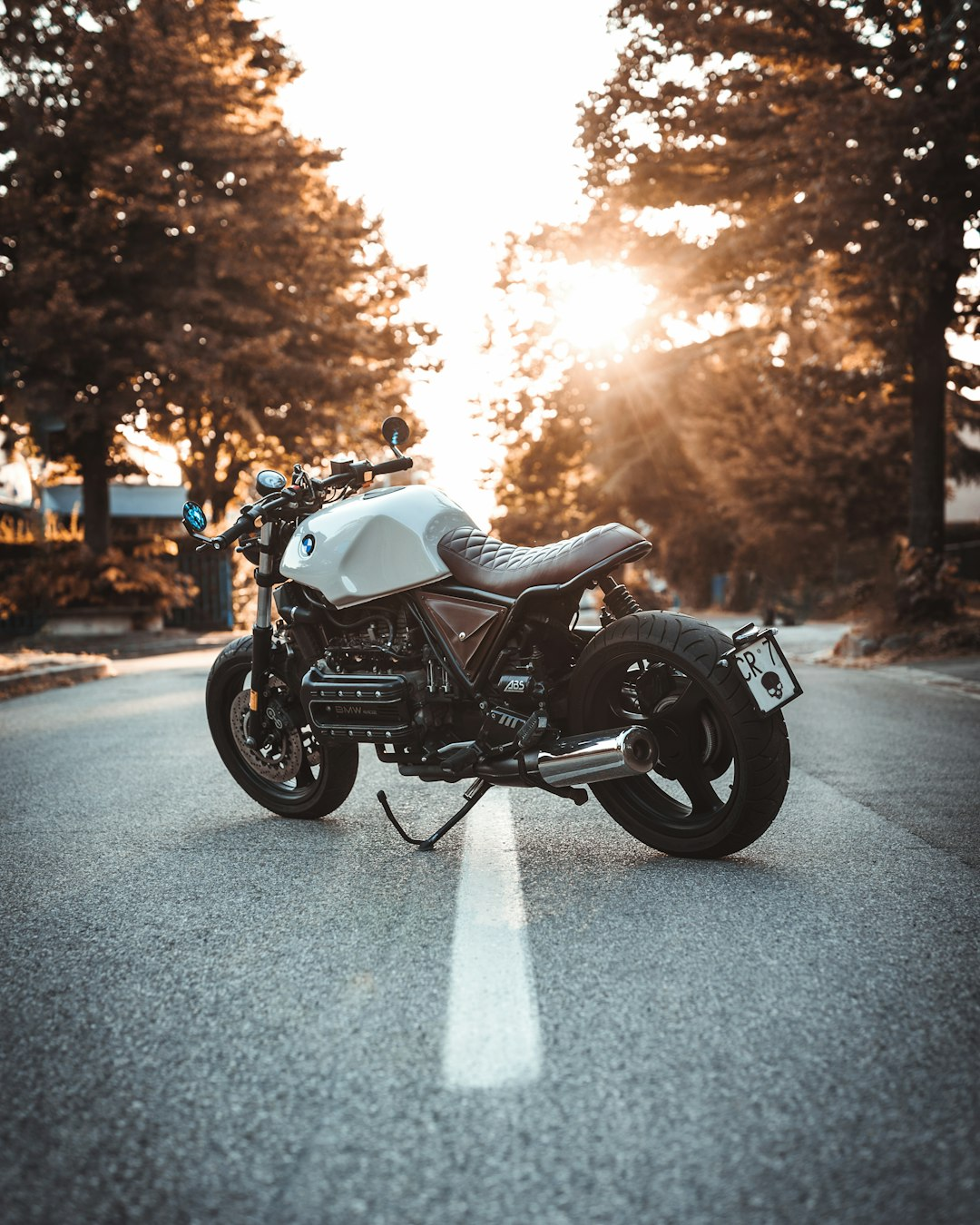
With India’s thriving two-wheeler market, buying a second hand bike is a smart move for those seeking affordability and flexibility. Whether you’re a daily commuter or a weekend rider, a used bike can offer substantial savings and a wide range of choices. However, making the right purchase requires careful inspection and verification. Here’s a complete guide on things to check before buying a second bike in India, including tips for a safe old bike purchase online.
Why Consider Buying a Second Hand Bike in India?
Purchasing a second-hand bike in India is becoming increasingly popular among budget-conscious and practical buyers. Here are some compelling reasons to consider this option:
- Cost Savings:Used bikes are significantly cheaper than new ones, letting you own your dream ride without hefty EMIs.
- Variety:The used bike market in India is vast, offering everything from commuter bikes to premium models.
- Depreciation:Second-hand bikes have already undergone the steepest depreciation, so you lose less value over time.
- Accessibility:Buying a second hand bike is easier than ever, with thousands of options available online and offline.
Before you start inspecting potential bikes, here’s a handy checklist to guide you through the essential steps of inspecting a second-hand bike.
1. Visual and Physical Inspection Checklist
Before you buy a used bike, always conduct a thorough visual and physical inspection:
- Frame and Body:Check for cracks, dents, rust, or signs of accident repairs. A damaged frame can compromise safety.
- Tyres & Wheels:Inspect tyre tread depth, look for bulges or uneven wear, and ensure rims are not bent.
- Brakes:Test both front and rear brakes for responsiveness and check for worn-out brake pads.
- Chain, Sprockets and Suspension:Look for excessive wear, proper tension, and smooth movement in the suspension.
- Electricals:Ensure headlights, indicators, horn, and battery are working properly.
- General Wear:Assess the condition of the seat, handlebar, and foot pegs for unusual wear and tear.
2. Check the Bike’s Document History
Proper documentation is crucial for a hassle-free transfer and future resale:
- Registration Certificate (RC):Confirm the RC details match the bike’s chassis and engine numbers.
- Insurance Policy:Check for a valid insurance policy; it’s mandatory for transfer and future claims.
- Pollution Under Control Certificate (PUCC):Ensure the bike has a valid PUC certificate.
- Service Records:Ask for service history to understand maintenance and any major repairs.
- Other Documents:Collect the original invoice, warranty (if any), and RTO forms 28, 29, and 30 for ownership transfer.
As you review the bike’s document history, don’t forget to secure comprehensive coverage. Royal Sundaram Two-Wheeler Insurance offers affordable plans with fast claims and wide garage networks—perfect for your newly purchased ride.
3. Assess Engine, Battery, and Brake Condition
A bike’s performance depends on its core components:
- Engine:Look for oil leaks, listen for unusual noises, and check for excessive smoke during ignition.
- Battery:Test the battery’s health by checking if the bike starts easily and all electricals function properly.
- Brakes:Inspect brake pads, discs, and cables for wear; ensure braking is smooth and effective.
4. Go for a Test Ride
Never skip the test ride. It helps you:
- Assess Handling:Check how the bike starts, accelerates, and brakes under real conditions.
- Spot Issues:Listen for abnormal sounds or vibrations, and feel for alignment or suspension problems.
- Comfort:Ensure the bike fits your height and riding style; adjust the seat and handlebars if needed.
5. Check the Bike Servicing History
A well-maintained bike is less likely to have hidden issues:
- Service Records:Review past servicing and repairs. Frequent, regular maintenance is a good sign.
- Major Replacements:Check if critical parts like the engine, clutch, or gearbox were replaced, and why.
6. Negotiate for the Best Price
Use your findings to bargain:
- Market Research:Compare prices for similar models and conditions in your area.
- Condition-Based Pricing:Point out flaws or missing documents to negotiate a lower price.
- Be Ready to Walk Away:Don’t hesitate to skip a deal if the bike doesn’t meet your expectations or the seller is unwilling to negotiate.
How to Buy Used Bikes Online Safely
Buying used bikes online is convenient, but take these precautions:
- Choose Reputable Platforms:Use trusted websites with verified listings and transparent inspection reports.
- Check Seller Ratings:Prefer sellers with good reviews and a history of successful transactions.
- Request Inspection Reports:Many platforms offer detailed inspection and certification for each bike.
- Secure Payment:Use the platform’s payment gateway and avoid direct cash transactions.
- Verify Documents Before Payment:Never make full payment without verifying all documents and the bike’s physical condition.
Ride Smart: Wrap Up Your Purchase the Right Way
Buying a second hand bike in India can be a rewarding experience if you follow a systematic approach. From physical inspection and document verification to test rides and smart negotiation, each step ensures you get value for your money. If you’re considering an old bike purchase online, always use trusted platforms and verify everything before closing the deal.
And once you’ve found the right ride, protect it with Royal Sundaram Two-Wheeler Insurance. It’s quick to buy online, customizable to your needs, and gives you peace of mind wherever you go.


Discover the perfect insurance plan for you!
Get your free quote now!
Get StartedBy Clicking on Get Started, You agree to our Terms and Conditions and override DNC/NDNC registration.
More like this
View more