You have been Successfully Subscribed to Newsletter


Understanding Drum Brake vs Disc Brake: Pros, Cons, and Maintenance Tips
Feb 05, 2026 • 10 Min Read
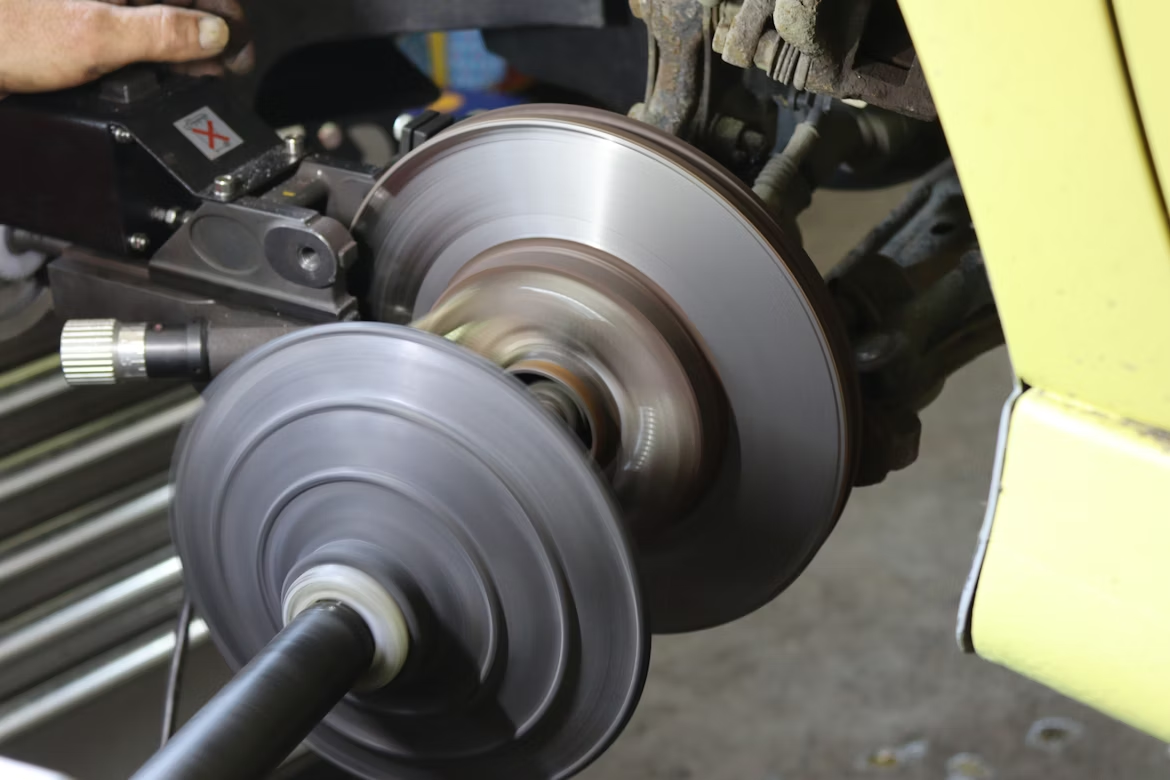
Your vehicle's braking system stands as the most critical safety feature between you and potential disaster. Every year, brake-related defects cause hundreds of accidents across Indian roads. These sobering numbers highlight why understanding your vehicle's braking system is not just technical knowledge; it is essential for your safety and that of others on the road.
The drum brake vs disc brake debate has shaped automotive safety for decades. Both systems serve the same purpose but achieve it through different methods, each with distinct advantages and limitations. This guide will help you understand these critical differences and make informed decisions about your vehicle's braking needs.
Introduction to Drum and Disc Brakes
Modern vehicles use two main types of friction-based braking systems. Both systems convert your vehicle's kinetic energy into heat through friction, but they achieve this through different designs and components. Breaking down the finer points of the drum brake vs disc brake debate helps vehicle owners choose the right system.
|
|
|
|
|---|---|---|
| Design | Rotating metal drum with internal brake shoes | Flat, circular rotor with caliper and brake pads |
| Operation | Brake shoes press outward against the drum | Brake pads squeeze the rotor from both sides |
| Protection | Enclosed design protects from dirt and debris | Open design allows better airflow |
| Heat Dissipation | Less efficient; can overheat | More efficient; better cooling |
How Braking Systems Work
Both systems rely on hydraulic pressure from your brake pedal. When you press the pedal, brake fluid transfers this pressure to either the wheel cylinder in drum brakes or the caliper in disc brakes, activating the friction mechanism that slows your vehicle. The key difference between disc brake and drum brake systems lies in how they generate and manage this friction.
Design and Mechanical Differences
The fundamental design differences between these systems affect their performance, maintenance requirements, and costs.
|
|
|
|
|---|---|---|
| Main Parts | Metal drum, brake shoes, wheel cylinder, return springs, adjusting mechanisms, backing plate | Rotor (disc), caliper, brake pads, hydraulic pistons, optional dust shields |
| Design | Enclosed design protects components from dirt and debris | Open design allows better airflow and cooling |
| Maintenance | Harder to inspect; rear-wheel use preferred | Easier to inspect and replace pads |
| Ideal Use | Suitable for rear wheels where braking forces are lower | Commonly used for front wheels and high-performance braking |
Performance Comparison
The drum brake vs disc brake performance debate centers on several key factors that affect your driving safety and experience.
Stopping Power
The drum brake vs disc brake discussion often comes down to stopping power, heat dissipation, and reliability under different conditions.
- Disc brakes provide superior stopping power, especially at high speeds.
- The clamping action of disc brakes creates more consistent pressure distribution compared to the expanding action of drum brakes.
- This translates to shorter stopping distances, an advantage that becomes crucial during emergency braking situations on highways or in heavy traffic.
Heat Dissipation and Brake Fade
Here is a quick comparison between drum and disc brakes to understand their performance differences in everyday riding conditions:
|
|
|
|
|---|---|---|
| Heat Dissipation | Poor - enclosed design | Excellent - open design |
| Brake Fade Risk | High during repeated stops | Low - consistent performance |
| Cooling Airflow | Limited | Direct airflow over rotor |
Brake fade occurs when excessive heat reduces friction effectiveness. Disc brakes handle heat better, making them safer for mountain driving or heavy traffic conditions common in Indian cities.
Performance in Wet and Variable Weather
Wet weather performance shows another significant difference.
- Disc Brakes: Shed water quickly from their rotor surfaces, maintaining consistent stopping power.
- Drum Brakes: May trap moisture, reducing effectiveness until the water evaporates or gets expelled through use.
Noise and Brake Dust Generation
Here’s how disc and drum brakes compare in terms of everyday use:
|
|
|
|
|---|---|---|
| Noise | Generally quieter, but may squeak as components wear | May produce occasional squealing when pads need replacement |
| Brake Dust | Minimal | More visible, but easier to clean |
Maintenance and Durability
Understanding maintenance needs helps you budget for brake servicing and recognize warning signs of wear.
|
|
|
|
|---|---|---|
| Drum Brakes | Less frequent maintenance, but service is complex and time-consuming; periodic professional adjustment needed | Difficult to inspect without disassembly |
| Disc Brakes | Pads require more frequent replacement, but maintenance is simpler | Easy visual inspection of pad thickness and rotor condition |
Durability and Lifespan Comparison
Here is a comparison of the durability and lifespan of drum and disc brakes under typical riding conditions:
|
|
|
|
|---|---|---|
| Typical Lifespan | 50,000 – 80,000 km | 25,000 – 50,000 km (pads) |
| Durability Factors | Longer-lasting under normal city use, but affected by moisture and dust | Shorter pad lifespan, but consistent performance; affected by aggressive braking and debris |
| Influencing Conditions | Driving style, load, and weather | Driving style, terrain, and maintenance frequency |
Cost Implications
Cost considerations span initial purchase, maintenance, and long-term ownership expenses.
Manufacturing and Installation Costs
Here’s a quick comparison of cost and complexity of manufacturing and installation:
|
|
|
|
|---|---|---|
| Manufacturing Cost | Less expensive to produce due to its simpler design and fewer parts | Higher production cost because of complex components like rotors and calipers |
| Installation Cost | Easier and cheaper to install | Installation may involve higher labor costs |
| Overall Cost Trend | Cost-efficient, helping keep vehicle prices low. | Costs have decreased over time with wider adoption. |
Repair and Replacement Expenses
While drum brake parts cost less, labor charges can be higher due to complex servicing requirements.
|
|
|
|
|---|---|---|
| Parts Cost | Lower | Higher |
| Labor Cost | Higher – more complex service | Lower – easier access |
| Service Frequency | Less frequent | More frequent |
Long-Term Cost Considerations
Consider total ownership costs, including maintenance frequency, part prices, and potential safety benefits, when choosing between systems. Total ownership costs depend on your driving patterns and maintenance habits. While drum brakes offer lower initial costs, disc brakes may provide better value through consistent performance and easier maintenance.
Applications and Use Cases
Different vehicle types and usage scenarios favor different braking systems based on their specific requirements.
|
|
|
|
|---|---|---|
| Drum Brakes | Entry-level cars (e.g., Maruti Suzuki Alto, Hyundai Santro) | Low-cost, reliable for short, low-speed city driving |
| Disc Brakes | Premium cars, SUVs, performance vehicles, two-wheelers with ABS | Superior stopping power, improved braking efficiency in emergencies or slippery conditions |
Combination Use in Modern Vehicles
Many modern vehicles employ a combination of disc brakes at the front and drum brakes at the rear. As the front brakes handle approximately 70% of braking force, disc brakes ensure strong, consistent stopping performance, while drum brakes at the rear help maintain cost-effectiveness without compromising safety. This setup balances durability, efficiency, and affordability for everyday use.
Advantages and Disadvantages Summary
Understanding the trade-offs helps you make informed decisions about which is better, drum brakes or disc brakes, for your specific needs.
Drum Brakes: Pros and Cons
Drum brakes are reliable and budget-friendly, making them suitable for everyday driving, though they have some performance limitations.
|
|
|
|---|---|
| Lower cost to manufacture and maintain | Less effective at high speeds |
| Protected from dust and debris | Can overheat under heavy braking |
| Longer intervals between servicing | Repairs can be more complex |
| Built-in parking brake | Performance drops in wet conditions |
Disc Brakes: Pros and Cons
Disc brakes provide strong and consistent stopping power, ideal for demanding conditions, but may require higher maintenance and costs.
|
|
|
|---|---|
| Stronger and more reliable braking | Higher initial and maintenance costs |
| Better heat dissipation prevents fade | Pads wear out more quickly |
| Easy to inspect and maintain | Can produce noise and dust |
| Performs well in wet conditions | Needs a separate parking brake system |
Common Misconceptions and Clarifications
Several misconceptions surround brake system selection and performance characteristics.
1. Is Disc Brake Always Better Than Drum?
Not necessarily. Which is better, drum brakes or disc brakes, depends on your specific needs. Drum brakes remain cost-effective and reliable for many applications, particularly rear wheels of economy vehicles, where braking demands are lower.
2. Brake Fade and Water Fade Explained
Brake fade occurs when heat reduces friction material effectiveness. Water fade happens when moisture reduces friction temporarily. Drum brakes are more susceptible to both conditions due to their enclosed design that traps heat and water.
3. Parking Brake Functionality Differences
Drum brakes integrate parking brake mechanisms naturally, while disc brake systems often require separate drum-in-hat designs or electronic parking brakes, adding complexity and cost.
Braking It Down: Choosing What Suits You Best
Choosing between drum and disc brakes depends on your vehicle type, driving conditions, and maintenance priorities. Drum brakes remain cost-effective and durable for everyday city driving, while disc brakes offer superior stopping power, heat management, and performance in demanding conditions. By understanding the drum brake vs disc brake pros, cons, and maintenance requirements, you can make informed decisions that balance safety, reliability, and long-term cost efficiency.
Learning about your vehicle's braking system is crucial, but protecting your investment requires comprehensive insurance coverage. Royal Sundaram offers complete vehicular insurance solutions that provide financial protection for accidents, theft, and third-party liabilities.
FAQs
Disc brakes provide superior stopping power and responsiveness, especially at high speeds, due to their efficient clamping action and better heat dissipation compared to drum brakes.
The open design of disc brakes allows direct airflow over the rotor surface, cooling it quickly, while drum brakes' enclosed design traps heat inside, leading to brake fade.
Yes, drum brake components cost less initially, but servicing can be more labor-intensive. Disc brakes have higher part costs but simpler, quicker replacement procedures.
Yes, disc brakes maintain consistent performance in wet conditions because water is quickly expelled from the rotor surface, unlike drum brakes, which may trap moisture.
Front wheels handle approximately 70% of braking force during stops, making disc brakes' superior performance characteristics ideal for this demanding application.
Brake fade is the temporary loss of braking power due to overheating. Drum brakes are more susceptible because their enclosed design retains heat, while disc brakes dissipate heat effectively through their open structure.
Yes, aftermarket disc brake conversions are possible but require professional evaluation for compatibility, safety compliance, and potential warranty implications. Consider the costs and benefits carefully before proceeding, and make sure to inform your insurer about any such modifications.
Drum brakes typically last 50,000-80,000 kilometers before major service, while disc brake pads need replacement every 25,000-50,000 kilometers, though they maintain consistent performance throughout their life.
Disc brake noise can occur due to rotor surface corrosion, worn or glazed brake pads, or debris caught between the pad and rotor. Unlike drum brakes, which often squeak quietly as shoes wear or springs loosen, disc brake noise is usually sharper and more noticeable, signaling the need for inspection or pad replacement.
Yes, drum brakes naturally integrate the parking brake mechanism, using mechanical linkages to hold the vehicle stationary. Disc brakes, on the other hand, typically require a separate drum-in-hat setup or electronic parking brake system, making their parking functionality more complex and less straightforward.


Discover the perfect insurance plan for you!
Get your free quote now!
Get StartedBy Clicking on Get Started, You agree to our Terms and Conditions and override DNC/NDNC registration.
More like this
View more