You have been Successfully Subscribed to Newsletter


Understanding the Basics of Engine Braking on a Bike
Jan 30, 2026 • 10 Min Read
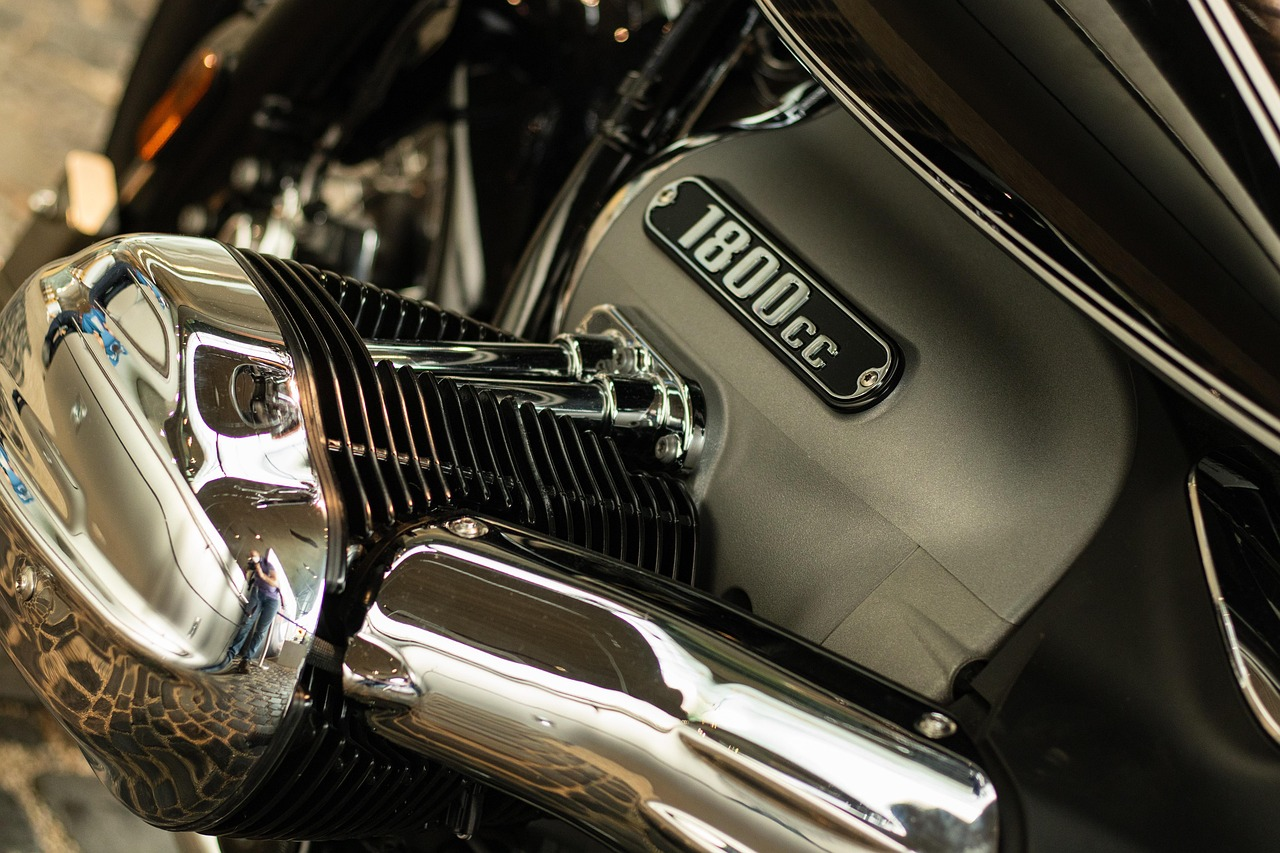
Have you ever noticed your bike slowing down naturally when you release the throttle? That's engine braking on a bike working automatically. This natural deceleration happens because your engine creates resistance when less air flows through it, essentially using internal forces to slow your motorcycle without touching the brake lever.
Engine braking in a motorcycle becomes particularly valuable on Indian roads, where traffic conditions vary from steep mountain passes to congested city streets. Understanding this technique helps you ride more efficiently and safely while reducing wear on your braking system.
What is Engine Braking in Bikes?
Explaining engine braking is simple; it's using your motorcycle's engine resistance to slow down instead of relying entirely on the brake pads and discs. This natural process happens whenever you close the throttle while keeping your bike in gear.
Definition and Basic Concept
Engine braking happens when you reduce throttle input, causing the engine to resist forward motion through internal friction and vacuum effects. When you release the throttle, less air enters the engine, creating a drag effect that slows down your bike. This resistance comes from the engine working against the momentum of your moving wheels.
The process works because your engine essentially becomes a large air pump when the throttle closes. Your pistons continue moving, but with restricted airflow, they must work harder, creating the resistance that slows your motorcycle.
How It Differs from Regular Braking
Regular braking and engine braking on a bike serve different purposes and work through distinct mechanisms:
|
|
|
|
|---|---|---|
| Method | Throttle release creates engine resistance | The brake lever/pedal applies friction |
| Speed | Gradual, controlled deceleration | Immediate, forceful stopping power |
| Components Used | Engine internals and drivetrain | Brake pads, discs, drums |
| Best For | Gentle speed reduction | Emergency stops, quick deceleration |
| Brake Light | No illumination | Activates brake lights |
How Engine Braking Works
Engine braking in a motorcycle operates through several interconnected mechanical processes that create resistance against your bike's forward motion.
Throttle and Airflow Dynamics
- Closing the throttle causes the throttle plate to restrict airflow entering the engine.
- This restriction limits the normal air-fuel mixture reaching the cylinders.
- The engine’s power output decreases while its rotational resistance is maintained.
- The throttle plate acts like a valve, creating a bottleneck that limits airflow when nearly closed.
- This restricted airflow is the basis for the engine braking effect.
Vacuum Effect in the Intake Manifold
- Engine brakingprimarily results from vacuum creation in the intake manifold.
- When the throttle is closed, pistons continue their intake strokes, trying to draw air.
- The closed throttle plate prevents sufficient airflow, creating a strong vacuum.
- Pistons work against this vacuum, which saps energy and slows the engine.
Drivetrain Friction and Resistance
While the vacuum provides the main braking force, internal friction also contributes to the effect.
Key friction components include:
- Piston rings rubbing against cylinder walls
- Bearings and other rotating parts
- Drag created by oil viscosity
- Meshing of transmission gears
These friction sources work together to increase the overall resistance, though they play a secondary role compared to the vacuum effect.
Effect of Gearing on Engine Braking
- Lower gears significantly enhance the effect of engine braking.
- When you downshift to a lower gear, the engine spins faster relative to the road speed.
- This increased RPM amplifies the vacuum effect and internal resistance.
- First gear provides the strongest engine braking.
- Higher gears result in gentler deceleration.
How to Perform Engine Braking Safely
Proper technique ensures you get maximum benefit from engine braking in a motorcycle while maintaining safety and control.
Gradual Throttle Release
Start by slowly releasing the throttle rather than snapping it shut completely. Gradual release prevents sudden deceleration that could unsettle your bike or cause rear wheel slip, especially on wet surfaces.
Using Downshifts and Rev Matching
To increase braking effect, downshift smoothly while matching engine speed to the lower gear. This technique, called rev-matching, involves:
- Pulling in the clutch
- Blipping the throttle to raise engine RPM
- Shifting to the lower gear
- Gradually releasing the clutch
Proper rev-matching prevents jerky transitions and protects your transmission components.
Smooth Clutch Handling
Release the clutch lever gradually after downshifting to avoid abrupt engagement between the engine and rear wheel. Sudden clutch release can cause the rear wheel to lock or skip, particularly on slippery surfaces.
Maintaining Balanced Posture
Keep your body relaxed and maintain proper riding position during engine braking. The technique can shift weight distribution slightly, so staying balanced helps maintain control and stability.
Avoiding Overuse and Risks
Don't downshift more than one gear at a time or use engine brake when the RPM is already high. Excessive downshifting can cause over-revving, potentially damaging your engine. Also, avoid aggressive engine braking on wet or low-traction surfaces.
Benefits of Engine Braking
Understanding engine braking reveals several practical advantages for motorcycle riders.
1. Improved Control and Stability
Engine braking provides smoother deceleration than regular brakes, especially beneficial on wet or slippery roads. This technique helps maintain better stability and reduces skidding risk, making it valuable for Indian road conditions where surfaces can be unpredictable.
2. Reduced Brake Wear and Maintenance Costs
Regular use of engine braking extends brake pad and disc life by reducing their workload. With 8% of motorcycle accidents in India attributed to poor maintenance, including worn-out brakes, proper braking techniques become crucial for safety and cost management.
3. Prevention of Brake Fade on Long Descents
During extended downhill riding, continuous brake use can cause overheating and brake fade. Engine braking helps control speed without overloading your brake system, maintaining stopping power when you need it most.
4. Fuel Efficiency Advantages
Modern fuel injection systems cut fuel delivery during engine braking, making this technique more fuel-efficient than coasting in neutral. This benefit becomes significant during long rides or daily commuting.
Situations Ideal for Engine Braking
Certain riding conditions make engine braking on a bike particularly effective and beneficial.
Downhill Riding and Long Descents
Mountain roads and steep descents are perfect for engine braking. This technique prevents brake overheating while maintaining steady speeds on long downhill sections.
Stop-and-Go Traffic
Urban traffic conditions benefit from gentle engine braking, allowing smooth speed adjustments without constant brake application. This reduces fatigue and improves overall riding comfort.
High-Speed Deceleration on Open Roads
Highway riding often requires a gradual speed reduction for exits or slower zones. Engine braking provides controlled deceleration without sudden speed changes that might surprise following traffic.
Slippery or Wet Road Conditions
Wet surfaces reduce tyre grip, making engine braking's gradual deceleration safer than aggressive brake application. This technique helps maintain traction while reducing speed.
Common Concerns and Myths about Engine Braking
Several misconceptions surround engine braking in a motorcycle that need clarification.
1. Can Engine Braking Damage the Engine?
Proper engine braking does not harm your motorcycle engine. However, excessive downshifting or over-revving can cause damage. Stay within your engine's safe RPM range and avoid dropping more than one gear at a time.
2. Is Engine Braking Safe for All Riders?
While safe when done correctly, engine braking requires practice and understanding. New riders should practice in safe environments before using this technique in traffic or challenging conditions.
3. How to Avoid Skidding and Rear-Wheel Lockup
Prevent skidding by:
- Releasing the throttle gradually
- Avoiding abrupt downshifts
- Being extra cautious on wet surfaces
- Maintaining proper tyre pressure and condition
4. Why Engine Braking Doesn't Illuminate Brake Lights
Engine braking doesn't activate brake lights because it doesn't involve the brake lever or pedal. Following traffic won't know you're slowing down, so consider lightly tapping your brakes to signal your intention.
Protect Your Ride with Royal Sundaram
Understanding engine braking is key to riding more safely and confidently, helping you ]maintain better control and reduce wear on your bike’s brakes. However, to fully protect yourself and your motorcycle, having the right insurance coverage is important. Royal Sundaram General Insurance offers comprehensive two-wheeler insurance designed to keep your bike safe from theft, accidents, and natural disasters, ensuring peace of mind on every ride.
FAQs
Engine braking is slowing down by releasing the throttle and using the engine's internal resistance instead of applying brakes. It happens when reduced airflow creates a vacuum in the engine, naturally decelerating your motorcycle.
Engine braking works through vacuum creation in the intake manifold when you close the throttle. Your pistons work against this vacuum while drivetrain friction adds resistance, combining to slow your bike naturally.
Yes, engine braking is safe when done gradually. Beginners should practice in safe areas, avoid abrupt throttle changes, and learn proper downshifting technique before using it in traffic.
Proper engine braking won't damage your engine. However, excessive downshifting, over-revving, or dropping multiple gears at once can cause harm. Stay within safe RPM limits.
Use engine braking for gradual deceleration during downhill rides, traffic slowing, approaching turns, or on slippery surfaces. Combine it with regular brakes for emergency stops or quick deceleration.
Yes, modern motorcycles cut fuel injection during engine braking, making it more fuel-efficient than coasting. This provides minor fuel savings during deceleration phases.
Prevent skidding by releasing the throttle smoothly, avoiding sudden downshifts, being extra careful on wet roads, and maintaining proper tyre condition and pressure.
Brake lights only activate when you press the brake lever or pedal. During engine braking, following traffic can't see you're slowing down, so tap your brakes lightly to signal your intention.


Discover the perfect insurance plan for you!
Get your free quote now!
Get StartedBy Clicking on Get Started, You agree to our Terms and Conditions and override DNC/NDNC registration.
More like this
View more