You have been Successfully Subscribed to Newsletter


How a Fuel Injector Works in a Motorcycle
June 08, 2026 • 10 Min Read
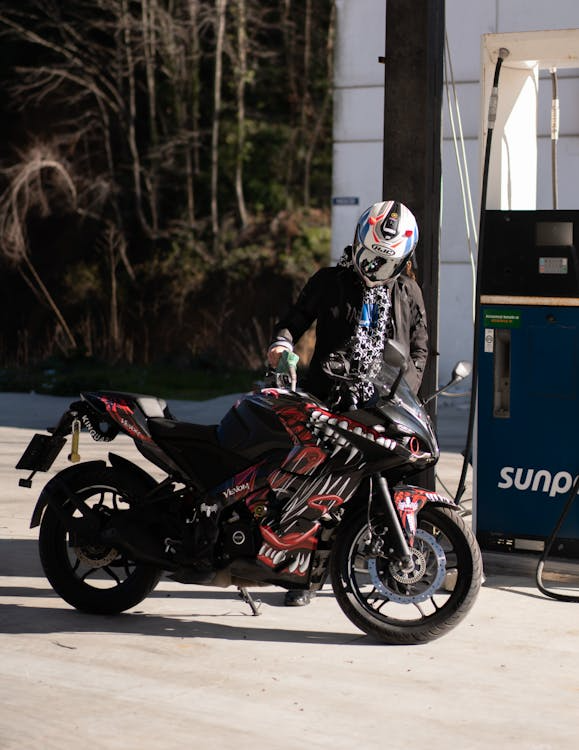
The shift from mechanical carburettors to electronic fuel injector for motorcycle systems represents one of the biggest changes in two-wheeler engineering. This guide explains exactly how these systems work and why they matter for your riding experience.
What Is a Motorcycle Fuel Injector?
A fuel injector for motorcycle serves as an electronically controlled valve that delivers precisely measured fuel directly into your engine's intake system. Unlike mechanical carburettors that rely on air pressure differences, fuel injectors use computer-controlled timing and electronic sensors to optimise fuel delivery for every riding condition.
Basic Function and Role in Fuel Delivery
Your motorcycle's fuel injector functions as a precision nozzle that releases atomised fuel mist into the intake manifold for combustion. The system relies on a fuel pump that delivers petrol from your tank under high pressure to the injector, where it is sprayed as extremely fine droplets.
This electronic fuel delivery system replaced traditional carburettors across all Indian motorcycles after April 1, 2020, when BS-VI emission standards became mandatory. The fuel pump controls fuel flow to the combustion chamber from inside your bike's fuel tank. When you turn the ignition key, the pump delivers fuel at thousands of pounds per square inch, forcing it to atomise into microscopic particles that burn more completely.
Difference Between Carburetors and Fuel Injectors
The fundamental difference lies in control mechanisms. Carburettors mix fuel and air mechanically using vacuum pressure, while bike fuel injection systems use electronic sensors and an Engine Control Unit (ECU) to meter exact fuel amounts for optimal performance.
Here's how these systems compare:
|
|
|
|
|---|---|---|
| Control Method | Mechanical vacuum | Electronic ECU |
| Fuel Delivery | Approximate mixture | Precise metering |
| Throttle Response | Slower, mechanical lag | Instant electronic response |
| Altitude Adaptation | Manual adjustment needed | Automatic compensation |
| Maintenance | Simple, user-serviceable | Complex, requires tools |
| Fuel Efficiency | Lower, some wastage | Higher, precise delivery |
Carburettors create a slight lag in throttle response due to mechanical linkages, while fuel injection systems provide sharper, quicker response since electronic signals travel faster than mechanical movements.
How a Motorcycle Fuel Injection System Works
Bike fuel injection systems operate through coordinated electronic components that monitor engine conditions and deliver optimal fuel amounts in real-time. The system continuously adjusts fuel delivery based on throttle position, engine temperature, air pressure, and dozens of other parameters.
Fuel Pump and Injector Operation
The fuel pump, located inside your motorcycle's tank, creates the foundation of the entire system. This pump generates pressure exceeding 2,000 psi, enough force to shatter fuel into extremely fine particles when it exits the injector nozzle. When you turn your ignition key, the fuel pump immediately pressurises the fuel lines.
This high-pressure fuel travels through dedicated lines to reach the fuel injector, where precise electronic valves control its release. The pressure atomises fuel into a fine mist that mixes thoroughly with incoming air.
Most modern injector systems operate at pressures sufficient to create microscopic fuel droplets. This atomisation process ensures complete fuel burning, reducing waste and harmful emissions while maximising power output from every drop of petrol.
Role of the ECU in Fuel Injection
The Electronic Control Unit (ECU) acts as your motorcycle's fuel delivery brain. This sophisticated computer constantly monitors sensor data and calculates proper fuel amounts for each operating condition, from idle to full throttle acceleration.
The ECU processes information from multiple sensors:
- Throttle Position Sensor: Measures how far you've twisted the throttle
- Engine Speed Sensor: Monitors RPM for timing calculations
- Temperature Sensors: Track engine and air temperatures
- Oxygen Sensor: Measures exhaust gas composition
- Manifold Pressure Sensor: Monitors air intake pressure
These sensors feed data to the ECU hundreds of times per second. The ECU then calculates the ideal fuel injection timing and quantity, sending precise electronic signals to open and close the injector valves with microsecond accuracy.
Spray Patterns and Atomisation Techniques
Fuel spray patterns determine how evenly fuel mixes with air, directly influencing combustion efficiency, fuel economy, and throttle response. The injector nozzle design creates specific spray characeristics tailored to your engine's requirements.
Modern motorcycle injectors typically create cone-shaped spray patterns with angles between 15 and 30 degrees. Multi-hole injectors feature several tiny openings that spray fuel in multiple directions simultaneously, creating a fine mist that spreads evenly throughout the combustion chamber.
The nozzle's precision-machined holes control both spray direction and droplet density. When the ECU signals the injector to open, pressurised fuel forces through these microscopic openings, breaking into thousands of tiny droplets that burn completely and cleanly.
Advantages of Using a Fuel Injector in Motorcycles
Fuel injectors for motorcycle systems deliver measurable improvements in efficiency, performance, and environmental impact compared to traditional carburettors. These benefits have made fuel injection the global standard for modern motorcycles.
Improved Fuel Efficiency and Power Output
Fuel injection systems provide optimal fuel delivery that eliminates waste common in carburetted engines. Since the system accurately injects precisely measured fuel amounts, it avoids the unburnt fuel that often occurs with carburettors, making every drop count while meeting emission standards.
According to the U.S. Department of Energy, motorcycles equipped with EFI systems offer up to a 10-15% improvement in fuel efficiency compared to older carburettor-based models. This improvement comes from complete fuel atomisation that allows for perfect combustion across all RPM ranges.
The precise fuel control also increases power output and acceleration sensitivity. Your engine receives exactly the right fuel amount for every operating condition, from gentle cruising to wide-open throttle acceleration.
Adaptability to Altitude and Environmental Changes
Traditional carburetted motorcycles require manual tuning or larger fuel jets when riding at higher altitudes, where the air becomes thinner. Bike fuel injection systems adapt automatically to these conditions, maintaining optimal performance regardless of elevation.
Advanced fuel injection systems constantly monitor oxygen levels in the air and adjust the air-fuel mixture accordingly. This provides distinct advantages when travelling to hill stations or mountainous regions where oxygen content drops significantly.
The system also functions better when exposed to varying temperatures and humidity levels. Whether you're riding in Mumbai's humid coastal climate or Delhi's dry winter air, the ECU automatically compensates for environmental changes.
Reduced Emissions and Cleaner Combustion
Fuel injection systems produce significantly less pollution than carburettors. As per Bharat Stage-6 norms, the emission of carbon monoxide is to be reduced by 30% and NOx by 70%, targets achievable only through precise fuel injection technology.
When the fuel and air mixture balance is correct, the flame spreads evenly across the cylinder, producing consistent power, a stable idle, and minimal harmful emissions. This complete combustion reduces carbon monoxide, nitrogen oxides, and particulate matter that contribute to air pollution.
The precision of electronic fuel delivery ensures optimal combustion under all operating conditions, from cold starts to high-speed highway riding, maintaining low emissions throughout your motorcycle's operating range.
Better Cold Start and Throttle Response
Bike fuel injection systems provide sharper, quicker throttle response since electronic signals reach the injector faster than mechanical carburettor linkages can operate. This electronic speed eliminates the lag common in carburetted motorcycles.
Cold starting becomes significantly easier with fuel injection. The ECU automatically adjusts fuel delivery for cold engine conditions, providing a richer mixture when needed without manual choke operation. This means reliable starts even in winter weather.
Acceleration sensitivity increases dramatically with fuel injection. The instant electronic response allows precise throttle control for city traffic, highway merging, and spirited riding on winding roads.
Common Types and Technical Specifications
Modern motorcycles use various fuel injection configurations depending on engine design, performance requirements, and cost considerations. Understanding these differences helps you appreciate your motorcycle's specific system.
Injector Sizes and Mounting Styles
Motorcycle fuel injection systems come in three main configurations:
|
|
|
|
|
|---|---|---|---|
| Single-Point | One injector serves all cylinders | Simple, cost-effective | Entry-level bikes |
| Multi-Point (MPFI) | Individual injector per cylinder | Precise, efficient delivery | Most modern motorcycles |
| Direct Injection | Fuel is injected directly into the combustion chamber | Maximum efficiency, power | Limited motorcycle use |
Single-point injection uses one injector to deliver fuel to all cylinders, making it simpler and cheaper to manufacture but less accurate than other systems. Multi-point fuel injection provides individual injectors for each cylinder, allowing more precise fuel delivery and better performance.
Direct fuel injection, common in cars, remains rare on motorcycles due to complexity and cost. However, some premium motorcycles are beginning to adopt this technology for maximum efficiency and power output.
Spray Patterns and Nozzle Designs
Different nozzle designs create specific spray characteristics suited to various engine requirements. Common nozzle types include pintle, single-hole, multi-hole, and throttle body configurations.
Pintle injectors feature a needle-like component that moves in and out of an orifice, controlling both fuel flow and atomisation. They typically create cone-shaped spray patterns with angles between 15 and 30 degrees, suitable for most motorcycle applications.
Multi-hole injectors have several tiny openings that spray fuel in multiple directions simultaneously. This creates a fine mist that spreads evenly in the combustion chamber, improving fuel-air mixing and combustion efficiency.
Sealing and Durability Features
Precision-machined components ensure consistent spray patterns and reliable operation under extreme pressure and temperature conditions. The injector nozzle and needle valve have the greatest influence on fuel atomisation, requiring micro-scale machining accuracy for uniform droplet size.
Modern injectors include sophisticated sealing mechanisms to prevent fuel leaks and maintain consistent pressure. These seals must withstand constant pressure cycling, temperature variations, and fuel chemistry exposure over thousands of operating hours.
Heat soak effects occur when the remaining engine heat after shutdown causes fuel evaporation inside the injector. Quality injectors include design features that minimise these effects, maintaining consistent performance and preventing fuel system problems.
Fuel Injector Maintenance and Troubleshooting Tips
Proper maintenance keeps your motorcycle's fuel injector for motorcycle system operating at peak efficiency. Understanding common problems and their solutions helps you maintain optimal performance and avoid costly repairs.
Signs of a Faulty Fuel Injector
Several symptoms indicate potential fuel injector problems. Watch for these warning signs:
- Decreased fuel efficiency requires more frequent refuelling.
- Engine sputtering or misfiring during acceleration
- Rough idling with unstable RPM
- Difficulty starting, especially when cold
- Unusual noises from the fuel system
- Increased exhaust smoke or unusual emissions
Poor fuel quality causes serious carbon deposits in cylinders, accelerating wear on cylinder walls and piston rings. This results in unstable idling, increased fuel consumption, weak acceleration, and potential complete injector blockage.
If you notice these symptoms, have your fuel system inspected promptly. Early detection prevents minor problems from becoming expensive repairs.
Cleaning and Repair Procedures
Regular fuel system cleaning prevents gum and deposit buildup, especially important with ethanol-blended fuels. Add quality fuel system cleaner every 3,000-5,000 miles to maintain injector cleanliness.
Professional cleaning involves several steps:
- Removal: Injectors are carefully removed from the engine
- Ultrasonic cleaning: Injectors are placed in specialised cleaning baths
- Pulsing: Injectors are electronically pulsed open and closed for 30–40 minutes
- Back-flushing: Removes additional grime and deposits
- Flow testing: Ensures proper spray pattern and flow rate
For motorcycles with fuel injectors, premium cleaning products or professional equipment provide the best results.
When to Replace Your Fuel Injector
Replace injectors when cleaning cannot restore proper function. Signs requiring replacement include:
- Persistent poor performance after professional cleaning
- Physical damage to injector components
- Excessive wear on sealing surfaces
- Electronic failure of solenoid components
Quality replacement injectors from reliable manufacturers extend engine life and maintain efficiency. Always use injectors that meet your motorcycle's specifications for flow rate, spray pattern, and mounting configuration.
Professional diagnosis helps determine whether cleaning or replacement provides the best value. Reputable service centres avoid unnecessary replacements, focusing on restoring performance through proper maintenance.
Fuel Injection vs Carburettor: Which Is Better for Motorcycles?
The comparison between bike fuel injection and carburettors reveals clear advantages for modern fuel injection systems, though each technology has specific characteristics that appeal to different riders.
Performance differences
Fuel injection systems deliver superior performance across multiple metrics:
|
|
|
|
|---|---|---|
| Throttle Response | Delayed, mechanical lag | Instant electronic response |
| Fuel Efficiency | Lower, approximate mixing | 10–15% better, precise delivery |
| Power Output | Variable, altitude-dependent | Consistent, optimised delivery |
| Cold Starting | Manual choke required | Automatic adjustment |
| Altitude Performance | Manual tuning needed | Automatic compensation |
Fuel injection provides optimal fuel delivery and atomisation for complete combustion, resulting in increased fuel efficiency and power output. The electronic system eliminates delivery lag common in carburettors, providing immediate throttle response.
Carburetted systems show a certain lag in fuel delivery due to mechanical operation, and the air-fuel mixture ratio remains inconsistent across different operating conditions.
Maintenance and Reliability
Maintenance requirements differ significantly between these systems:
Fuel Injection Advantages:
- Requires minimal routine maintenance
- Self-adjusting for most conditions
- Fewer moving parts to wear out
- Consistent performance over time
Carburettor Advantages:
- Simple mechanical design
- User-serviceable components
- Inexpensive parts replacement
- Tunable for specific requirements
Fuel injection systems require no regular maintenance and are less likely to malfunction under normal operating conditions. However, when problems occur, servicing requires specialised tools and knowledge that may not be available at every workshop.
Carburettors offer easier repair and replacement options, with most mechanics capable of basic service. Users can tune carburettors for specific requirements, emphasising either power or fuel economy.
Cost and Complexity Comparison
Initial costs and long-term expenses vary between systems:
Initial Costs:
- BS-VI transition increased motorcycle prices by ₹5,000-6,000
- Fuel injection systems add complexity and manufacturing costs.
- Electronic components require precision manufacturing.
Long-Term Costs:
- Fuel injection offers better long-term value through improved efficiency.
- Lower maintenance frequency reduces service costs.
- Electronic failures can be expensive but are relatively rare
Complex diagnostic tools are needed for fuel injection system maintenance and tuning. ECU failures can leave you stranded, as regular mechanics may lack the expertise to repair electronic components.
However, the improved fuel efficiency and reduced maintenance needs of fuel injection systems often offset the higher initial costs over the motorcycle's lifetime.
Custom Tuning and Upgrades for Fuel Injectors
ECU tuning and aftermarket modifications can unlock additional performance from your fuel injector for the motorcycle system. These modifications require careful consideration of legal, warranty, and reliability implications.
Adjusting Fuel Maps with ECU Tuning
ECU remapping provides an effective method to improve motorcycle performance. Professional remapping increases the power and torque improvements compared to factory ECU programming.
The process involves removing the ECU from your motorcycle and connecting it to programming equipment. Specialised software allows access to fuel delivery maps, ignition timing, and other parameters that control engine operation.
Adjustments to fuel maps and ignition timing can unlock significant performance gains, especially when paired with aftermarket exhaust systems or air filters. However, these modifications should only be performed by experienced professionals to avoid engine damage.
Performance Enhancements and Aftermarket Upgrades
Several aftermarket options enhance fuel injection performance:
Popular Modifications:
- ECU flashing for optimised fuel maps
- Piggyback systems for additional control
- Power Commander modules for fine-tuning
- Aftermarket fuel injectors for increased flow
ECU tuning modules allow adjustment of fuel delivery and ignition timing to maximise performance from engine modifications. These systems can improve torque delivery, throttle response, and even fuel efficiency when properly calibrated.
ECU flashing typically costs ₹15,000-40,000, depending on the motorcycle and complexity of modifications. Additional dyno tuning or aftermarket modules can increase expenses but provide more precise control over engine parameters.
Selectable Fuel Delivery Modes on Modern Bikes
Advanced motorcycles offer multiple fuel delivery modes that riders can select based on riding conditions. These systems use pre-programmed maps stored in the ECU to alter power delivery characteristics.
Common riding modes include:
- Economy Mode: Lean fuel mixture for maximum efficiency
- Sport Mode: Rich mixture for maximum power
- Rain Mode: Reduced power for improved traction
- Custom Mode: User-adjustable parameters
The air-fuel mixture can be changed instantly using different fuel maps pre-loaded in the ECU, allowing variable power outputs suited to different riding situations. Riders can prioritise low-end torque for city commuting or high-end power for highway riding.
These systems provide flexibility without permanent modifications, allowing you to tailor your motorcycle's performance to match riding conditions and personal preferences.
Disclaimer: Performance modifications may affect warranty coverage. Consult your dealer and insurer before making changes.
Your Smart Two-Wheeler Protection Solution
Understanding your bike's fuel injection system helps you maintain optimal performance, but protecting your investment requires comprehensive insurance coverage. Modern fuel injection systems represent sophisticated technology that benefits from proper insurance protection.
Royal Sundaram General Insurance offers complete two-wheeler insurance solutions designed for modern motorcycles. Our coverage includes protection for electronic components, fuel system repairs, and comprehensive breakdown assistance across India's extensive road network—supported by our wide network of authorised garages, reliable roadside assistance, and efficient digital claim support for a smoother ownership experience.
Frequently Asked Questions
A fuel injector is an electronically controlled valve that delivers precisely measured fuel into your engine's intake system. It's important because it provides optimal fuel delivery for better efficiency, reduced emissions, and improved performance compared to traditional carburettors.
The system uses an ECU that monitors multiple sensors to calculate ideal fuel amounts. A high-pressure fuel pump sends petrol to electronically controlled injectors that spray atomised fuel into the intake manifold with microsecond precision.
Fuel injection offers 10-15% better fuel efficiency, instant throttle response, automatic altitude compensation, reduced emissions by 30-80%, and easier cold starting without manual choke operation.
Yes, professional ultrasonic cleaning every 5,000-10,000 kilometres maintains optimal performance. Regular use of quality fuel system cleaners (40-50ml per 1,000km) helps prevent deposit buildup and maintains injector cleanliness.
Initial repair costs are higher due to specialised diagnostic equipment requirements, but fuel injection systems need less frequent maintenance. Long-term ownership costs are often lower due to improved reliability and efficiency.
Some riders prefer carburettors for their mechanical simplicity, ease of field repairs, lower initial costs, and ability to tune for specific performance characteristics without electronic equipment.
Environmental factors don't directly affect injector pricing, but fuel injection systems automatically compensate for altitude, temperature, and humidity changes through ECU adjustments, maintaining optimal performance without manual tuning, unlike carburettors.
Yes. Fuel injection delivers precise fuel-air mixtures based on engine speed, throttle input, and temperature. This improves throttle response, smoother acceleration, better combustion efficiency, and consistent power output.
Tuner customisation involves ECU remapping to adjust fuel delivery and ignition timing. Riders can switch between multiple fuel maps for city, touring, or performance modes. Upgrades may include high-flow injectors, performance air filters, and exhaust systems, ensuring optimised power output while maintaining engine reliability and efficiency.


Discover the perfect insurance plan for you!
Get your free quote now!
Get StartedBy Clicking on Get Started, You agree to our Terms and Conditions and override DNC/NDNC registration.
More like this
View more