You have been Successfully Subscribed to Newsletter


Master How to Shift Gears on a Bike Like a Pro
Feb 09, 2026 • 10 Min Read
Understanding Bike Gears
Motorcycle gears work as the bridge between your engine's power and your wheels. They help you control speed, manage engine load, and adapt to different road conditions. Understanding how gears function is the first step towards becoming a safer, more efficient rider.
What Are Low and High Gears?
Low gears and high gears serve completely different purposes on your motorcycle. Low gears—typically first and second—provide high torque at low speeds. Think of them as your muscle gears. They help you start from a standstill, climb steep hills, and maneuver through heavy city traffic where frequent stops are common.
High gears—fourth, fifth, and sixth on most bikes—are your cruising gears. They allow higher speeds while keeping engine RPM low, which improves fuel efficiency and reduces engine wear. When you're cruising on highways or maintaining steady speeds, high gears are your best friend.
Here's a practical comparison:
|
|
|
|
|
|---|---|---|---|
| Low (1st-2nd) | Starting, hills, traffic | High | Lower |
| Mid (3rd) | City riding, acceleration | Medium | Moderate |
| High (4th-6th) | Highway cruising | Low | Higher |
Different Types of Bikes and Their Gear Systems
Different motorcycles come with varying gear configurations based on their intended use. Understanding your bike's system helps you master how to change gears on a bike more effectively.
Commuter Bikes (100-150cc): Most popular Indian motorcycles, like the Hero Splendor and Honda Shine, feature 4-speed or 5-speed sequential gearboxes. These are perfect for city commuting and offer simple, reliable shifting.
Sports Bikes and Cruisers: These typically have 5- or 6-speed gearboxes that provide broader speed ranges and better performance across different riding conditions.
Scooters: Most scooters use CVT (Continuously Variable Transmission), which eliminates manual gear shifting entirely—perfect for riders who prefer automatic operation.
Common Gear Terminology Explained
Before you learn the practical aspects, you need to understand the key components:
- Clutch: The left-hand lever that disconnects engine power from the wheels, allowing smooth gear changes
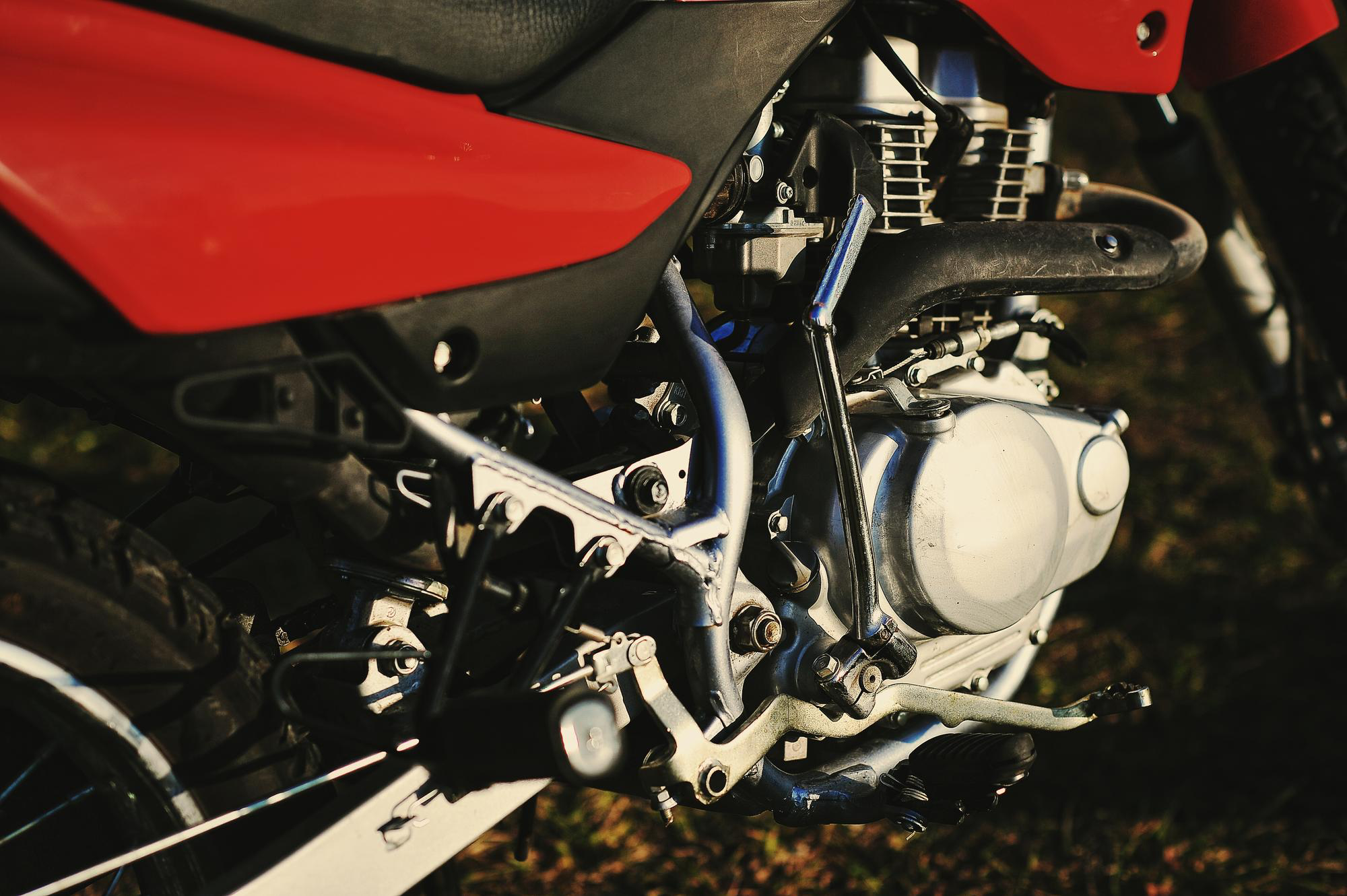
- Gear Lever: The foot-operated lever that selects gears—typically "1 down, rest up" pattern in India
- Neutral: Found between first and second gear, it disengages power completely
- Friction Zone: The clutch engagement point where power begins to transfer
How to Shift Gears on a Bike
Mastering gear shifting requires understanding the mechanical process and developing muscle memory through practice. Unlike bicycles, motorcycles use a sequential gearbox system that requires coordination between your hands and feet.
Using Gearbox
Motorcycles use a sequential gearbox system with a single foot-operated gear lever and a hand-operated clutch. There are no derailleurs—instead, you have internal gears that engage sequentially.
The clutch lever on your left handlebar is your primary tool for smooth shifting. When you pull it in, you disconnect the engine from the transmission, allowing gears to change without grinding or damage.
Operating Different Types of Shifters
Motorcycles feature various shifters—manual, semi-automatic, and automatic. Manual shifters require clutch and gear coordination, common in performance bikes. Semi-automatic systems ease shifting with electronic or centrifugal clutches. Automatic shifters, often CVTs, offer seamless acceleration, making riding smoother and more convenient for beginners and urban commuters.
Step-by-Step Guide to Shifting Gears While Riding
Here's the proper technique for how to shift gears on a bike:
Starting Off:
- Pull in the clutch lever completely
- Press the gear lever down to engage first gear
- Slowly release the clutch while gently opening the throttle
- Feel for the friction zone where the bike begins to move
Upshifting (Moving to Higher Gears):
- Close the throttle slightly
- Pull in the clutch lever fully
- Lift the gear lever up with your toe
- Release the clutch smoothly while opening the throttle
Downshifting (Moving to Lower Gears):
- Close the throttle
- Pull in the clutch lever
- Press the gear lever down
- Release the clutch gently (you can "blip" the throttle for smoother engagement)
Finding Neutral:
Neutral sits between first and second gear. First, lift the gear lever halfway up. From second, press it halfway down. You'll see the neutral light on your dashboard when engaged.
When to Shift Gears
Knowing when to shift is just as important as knowing how. Poor timing can lead to engine damage, reduced fuel efficiency, and safety hazards.
Shifting for Climbing Hills
Hills demand proactive gear management. Downshift to a lower gear before you start climbing, not during the ascent. This maintains engine power and prevents stalling. If you wait until you're already climbing, you'll lose momentum and potentially create dangerous situations for yourself and other riders.
For Indian terrain—whether you're riding through the Western Ghats or Himalayan regions—anticipate the incline and shift early.
Shifting for Descending or Accelerating
When descending hills, use lower gears to benefit from engine braking. This technique reduces wear on your brake pads and gives you better control over your speed. Engine braking is particularly valuable on long descents where continuous brake use could cause brake fade.
During acceleration, upshift smoothly to prevent over-revving. Listen to your engine—it will tell you when it's time to move to the next gear. Most engines sound stressed when they need an upshift.
Maintaining a Steady Cadence
Cadence in motorcycles refers to maintaining optimal engine RPM. Each bike has a "power band"—an RPM range where it performs most efficiently. Staying within this range through proper shifting maximizes both performance and fuel economy.
According to research, fuel efficiency can drop by up to 20% when gears aren't shifted at optimal RPMs. This directly impacts the fuel costs that matter so much to Indian riders.
Common Mistakes and How to Avoid Them
Understanding mistakes helps you avoid costly repairs and dangerous situations.
What Is Lugging and Why to Avoid It?
Lugging occurs when you ride in too high a gear at low speeds, straining the engine. Over-revving happens when you stay in low gears at high speeds, causing excessive wear.
Both situations damage your engine and waste fuel. Learn to match your gear to your speed and riding conditions.
Shifting Under Too Much Pedal Pressure
The motorcycle equivalent is shifting while accelerating hard without easing the throttle. This causes gear grinding and potential transmission damage. Always ease off the throttle and pull in the clutch fully before shifting.
How to Prevent Chain Slippage and Gear Grinding?
Chain slippage is rare on well-maintained motorcycles but can occur due to poor chain tension or worn sprockets. Gear grinding usually results from incomplete clutch engagement or rushing the shifting process.
Prevention strategies include:
- Regular chain maintenance and adjustment
- Complete clutch engagement before shifting
- Gentle, deliberate gear changes
- Regular inspection of drive components
Maintenance Tips for Smooth Gear Shifting
Proper maintenance ensures your gear system works smoothly and lasts longer. Regular care prevents expensive repairs and maintains safety.
Checking and Adjusting Your Clutch
For motorcycles, this means checking clutch lever free play and gear lever alignment. Your clutch lever should have 2-3mm of free play before engaging. Check your owner's manual for exact specifications.
Cable and Gear System Care
Motorcycle cables need regular attention, especially in Indian conditions with dust and monsoon rains:
- Clutch and throttle cables: Lubricate every 500-700km or more frequently in dusty conditions
- Chain maintenance: Clean and lubricate every 500-700km, more often during monsoons
- Visual inspections: Check for cable fraying, kinks, or damage monthly
When to Visit a Professional for Tune-Up
Visit a certified mechanic for persistent shifting issues, clutch slippage, or unusual noises. Annual full service is recommended for most Indian commuter bikes, though high-performance bikes may need more frequent attention.
Advanced Shifting Techniques
As you become more experienced, advanced techniques can improve your riding smoothness and efficiency.
Using the Quickshifters on Road Bikes
Premium sports bikes may offer quickshifters for clutchless upshifts. Models like the TVS Apache RR 310 and KTM RC series include this technology. Rev-matching—blipping the throttle during downshifts—creates smoother transitions and reduces wear on your drivetrain.
How to Shift Efficiently in Variable Terrain
Adapt your shifting strategy to conditions:
- City riding: Frequent gear changes, anticipate traffic flow
- Highway cruising: Use higher gears for efficiency
- Mountain riding: Lower gears for control, engine braking on descents
- Monsoon conditions: Smoother, more deliberate shifts on slippery roads
Cadence Control and Power Output Optimisation
Professional riders shift based on both tachometer readings and road feel. The goal is keeping your engine in its optimal power band while adapting to riding conditions.
Aftermarket gear indicators can help beginners learn optimal shift points, though experienced riders rely on engine sound and feel.
Protecting Your Investment with Royal Sundaram
Learning how to shift gears on a bike properly protects both your safety and your investment. However, even the most skilled cyclists face unexpected situations. Royal Sundaram Insurance offers comprehensive two-wheeler insurance coverage that protects you against accidents, theft, and mechanical failures. With a 98.33% claim settlement ratio, you can trust their reliable service when you need it most. Their policies include coverage for gear-related components like clutch systems, gear levers, and chain sets—parts that can be expensive to repair or replace.
FAQs
Shift gears depending on terrain and engine sound—downshift for climbs, upshift for cruising. Smooth shifting avoids engine strain and improves fuel efficiency.
In bikes, the equivalent of cross-chaining is “lugging” or “over-revving.” Both stress the engine, waste fuel, and cause wear—avoid by matching the right gear with your speed.
Shifting under heavy throttle or load causes gear grinding and damage. Always ease the throttle slightly and engage the clutch fully before shifting.
Unlike bicycles, motorcycles use a sequential gearbox with one foot lever and clutch—no separate front or rear shifters. Each press changes gears in order.
Most modern Indian motorcycles use toe shifters; older commuter bikes may have heel-and-toe types. Premium models may feature quickshifters for clutchless upshifts.
Regularly adjust clutch free play, clean and lubricate the chain every 500–700 km, and service cables. Periodic tune-ups prevent costly gear issues.
There’s no single “best” gear—stay within your bike’s power band for smooth performance. Shift frequently to maintain steady RPM and riding comfort.


Discover the perfect insurance plan for you!
Get your free quote now!
Get StartedBy Clicking on Get Started, You agree to our Terms and Conditions and override DNC/NDNC registration.
More like this
View more