You have been Successfully Subscribed to Newsletter


Top Motorcycles for Short Riders in India
Feb 06, 2026 • 10 Min Read
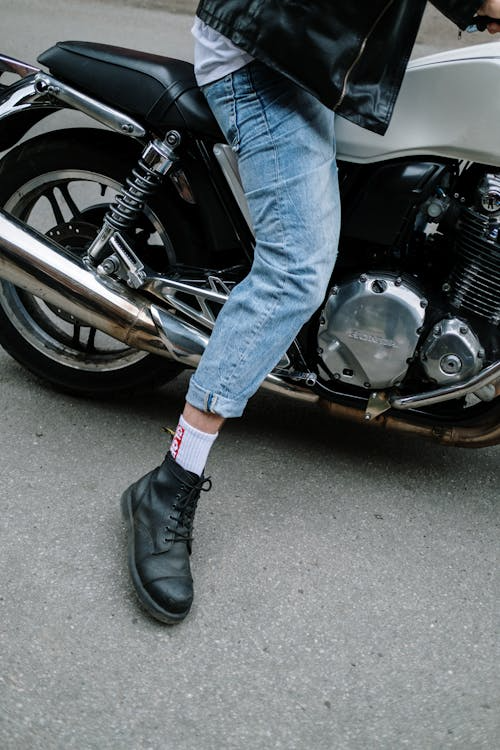
Finding the right motorcycle becomes challenging when you are shorter than average. Many riders struggle with bikes that feel too tall, making simple tasks like stopping at traffic lights stressful. Your feet barely touch the ground, and controlling the bike feels difficult.
India's motorcycle market sold approximately 18.4-18.5 million units in FY24, showing a huge growth of 13% from the previous year. This massive market offers many choices, but finding suitable options for shorter riders requires careful research. The average Indian man stands 166 cm tall, while women average 155 cm. This means millions of potential customers are looking for the top motorcycles for short riders to suit their physical requirements. In this article, we will explore how seat height affects your riding experience and discover the perfect motorcycle for your needs.
Why Seat Height Matters for Short Riders
Seat height affects every aspect of your riding experience, from basic safety to long-term comfort.
Safety and Control Benefits
Your ability to plant one or both feet firmly on the ground directly impacts your safety and control. When you stop at traffic signals or navigate through slow-moving traffic, proper foot placement prevents tip-overs and maintains balance. The inability to reach the ground comfortably increases your risk during sudden stops, especially on uneven surfaces.
Two-wheeler accidents remain a serious concern in India, accounting for 44.8% of all road accident fatalities in 2023, an increase of 3.53% from 2022. While seat height is not the only factor, proper bike control significantly reduces accident risk. Key safety benefits of proper seat height include:
- Better balance during stops and starts
- Improved stability in traffic situations
- Reduced tip-over risk when parking
- Enhanced control during emergency stops
Comfort and Riding Ergonomics
Low seat height creates better riding ergonomics by allowing a natural posture that reduces strain on your legs, hips, and lower back. When your motorcycle fits properly, you can ride longer distances without discomfort. Poor ergonomics from high seats causes several problems:
- Restricted blood flow to the legs
- Hip and knee strain
- Difficulty reaching controls comfortably
- Increased fatigue during long rides
Proper ergonomics also depend on handlebar position, footpeg placement, and seat width. These factors work together to create a comfortable riding position that you can maintain for extended periods without pain or fatigue.
Influence on Riding Confidence
Suitable seat height dramatically boosts your riding confidence. When you can place your feet flat on the ground, you feel more secure and less anxious about potential tip-overs. This psychological comfort translates into better riding performance and increased willingness to ride frequently.
Confident riders make better decisions, react more calmly to unexpected situations, and enjoy their motorcycles more. This confidence also improves safety, as nervous riders often make poor judgement calls or freeze during critical moments.
Key Factors to Consider When Choosing a Motorcycle
Selecting the right motorcycle involves multiple considerations beyond just seat height. The top motorcycles for short riders balance comfort, control, and accessibility, ensuring riders can handle their bikes confidently in varied traffic and road conditions.
Seat Height and Reachability
The ideal seat height for shorter riders typically ranges from 700 to 780 mm (27-31 inches). This range allows most riders between 5'2" and 5'6" to reach the ground comfortably. However, reachability includes more than just touching the ground; you need comfortable access to all controls, including handlebars, brake levers, and footpegs.
When evaluating seat height, test your ability to support the bike's weight while stationary and ensure you can operate all controls without stretching or straining.
Bike Weight and Maneuverability
Lighter motorcycles are easier to balance and handle, especially at low speeds or during parking. Heavy bikes can be challenging to recover from a tip or difficult to maneuver in tight spaces. Average commuter bikes in India weigh 110-145kg, while cruiser bikes typically weigh 150-170kg. Consider how bike weight affects your daily riding, particularly in stop-and-go traffic or when parking in crowded areas.
Ergonomics: Handlebar and Footpeg Adjustability
Adjustable handlebars and footpegs can significantly improve comfort for shorter riders. These adjustments ensure your arms and legs are not overstretched, reducing fatigue and improving control. While most entry-level Indian motorcycles have fixed ergonomics, some premium models offer more adjustability. Aftermarket options are available for handlebar and footpeg modifications, allowing you to customise your bike's ergonomics to match your body dimensions.
Engine Size and Performance for Your Riding Style
Engine size should match your intended use and experience level. Smaller engines (110-250cc) are typically lighter and more manageable for shorter riders, while larger engines provide more power but often come with increased weight and height. Consider your primary riding needs: city commuting, highway travel, or mixed use. Overpowered bikes can intimidate new or shorter riders, potentially affecting safety and enjoyment.
Budget and Maintenance Costs
Total ownership costs include purchase price, insurance premiums, routine maintenance, and parts availability. Commuter and entry-level bikes typically cost ₹2,500-3,500 annually for maintenance, while premium or imported models can be significantly more expensive. Factor in insurance costs, fuel efficiency, and service network availability when calculating your total cost of ownership.
Top Motorcycles With Low Seat Heights
Several motorcycle categories offer excellent options for shorter riders, each with distinct advantages and characteristics that cater to different riding preferences and needs. Whether you are looking for a cruiser, commuter, or sporty model, choosing the best bike with low seat height ensures greater comfort, better balance, and more confidence on every ride.
Cruisers and Their Comfort for Short Riders
Cruisers like the Bajaj Avenger series (737 mm seat height) and Kawasaki Vulcan S (705 mm) offer low seat heights with comfortable, relaxed riding positions. Forward-set foot controls and laid-back ergonomics make cruisers particularly suitable for shorter riders who want comfort and style. These bikes typically feature wide, comfortable seats and stable handling characteristics that inspire confidence in riders of all experience levels.
Commuters and Scooters with Accessible Seat Heights
Scooters such as the Honda Activa and TVS Jupiter, along with commuter bikes like the Honda Navi (765 mm), are popular among shorter riders due to their low seat heights and lightweight construction. The step-through design and automatic transmission options further improve accessibility. These vehicles excel in urban environments where frequent stops and starts are common, making them ideal for daily commuting.
Sporty and Adventure Bikes Suitable for Short Riders
Some sporty bikes like the Yamaha R3 (780 mm) offer moderate seat heights that make them relatively accessible compared to typical sport bikes. However, adventure bikes generally have higher seat heights and fewer options suitable for shorter riders without modifications. These bikes balance performance with reasonable accessibility, though they may require more experience to handle safely.
Comparison Table of Seat Height, Engine Capacity, Mileage, and Price
Here is a comparison of popular bikes based on key factors like seat height, engine capacity, mileage, and price to help you find one that suits your comfort and riding style.
|
|
|
|
|
|
|---|---|---|---|---|
| Bajaj Avenger 160/220 | 737 | 160/220 | 45-50 | 1,15,000-1,40,000 |
| Kawasaki Vulcan S | 705 | 649 | 22-25 | 7,10,000 |
| Honda Navi | 765 | 110 | 45-50 | 47,000 |
| Yamaha R3 | 780 | 321 | 26-30 | 3,50,000 |
| Royal Enfield Classic 350 | 805 | 349 | 35-40 | 1,93,000 |
Disclaimer:The prices mentioned are approximate and may vary depending on location, dealership, and ongoing offers.
Detailed Reviews of Selected Motorcycles for Short Riders
Understanding specific models helps you make informed decisions when considering your options among the best bikes with low seat height available in India.
Honda Navi: Lightweight Commuter
The Honda Navi uniquely combines scooter convenience with motorcycle aesthetics, offering a compact and lightweight ride perfect for urban commuting and new riders. Its automatic transmission and low weight make it easy to handle, while its distinctive design attracts younger riders looking for something different from traditional scooters.
- Seat height: 765 mm
- Weight: 101 kg
- Transmission: Automatic
- Ideal for: City use, new and shorter riders
- Key appeal: Unique style combining scooter ease with motorcycle look
Bajaj Avenger Series: Budget-Friendly Cruiser
The Bajaj Avenger series provides an affordable entry point into cruiser motorcycling, featuring comfortable ergonomics and classic cruiser styling. With low maintenance costs and a low seat height, it suits riders seeking a stylish yet budget-conscious cruiser for relaxed rides.
- Seat height: 737 mm
- Styling: Cruiser
- Maintenance:Low cost
- Ideal for: Riders wanting a premium look on a budget
- Comfort: Relaxed ergonomics for longer rides
Yamaha R3: Sporty with Moderate Seat Height
The Yamaha R3 offers a sporty riding experience with a seat height accessible to shorter riders. Equipped with modern safety features like ABS and a manageable power delivery, it balances sporty performance with rider confidence and comfort.
- Seat height: 780 mm
- Safety features: ABS included
- Ideal for: Riders seeking sporty performance without a tall seat or heavy bike
- Appeal: Accessible sport bike for shorter riders
Kawasaki Vulcan S: Lowest Seat Height Cruiser
The Kawasaki Vulcan S boasts the lowest seat height among big cruisers at 705 mm and comes with the innovative Ergo-Fit system for adjustable ergonomics. This allows riders to customize the bike’s seat, handlebars, and footpegs to fit their body perfectly.
- Seat height: 705 mm
- Ergonomics: Adjustable via Ergo-Fit system
- Ideal for: Shorter riders needing a tailored fit
- Style: Classic cruiser with customization options
- Comfort: Personalized riding position
Royal Enfield Classic 350: Stability Meets Style
The Royal Enfield Classic 350 combines a stable, balanced ride with timeless styling. Although its seat height is higher than the others on this list, the narrow seat and low center of gravity make it manageable for shorter riders. Its popularity is reflected in strong sales figures, attracting those seeking dependability and retro charm.
- Seat height: 805mm
- Seat profile: Narrow for easier reach
- Handling: Stable with a low center of gravity
- Appeal: Stylish, dependable, and stable ride
Triumph Street Twin: Classic Low Seat Motorcycle
The Triumph Street Twin pairs classic British motorcycle heritage with modern reliability, featuring a 760 mm seat height for accessible riding. Its 900 cc engine offers ample power while maintaining a manageable size and weight, making it versatile for city and leisure rides.
- Seat height: 760 mm
- Engine: 900cc, powerful yet manageable
- Style: Classic heritage with modern features
- Ideal for: Riders wanting a balanced power and vintage style
- Versatility: Suitable for commuting and weekend rides
Suzuki SV650: Versatile Reliable Low Seat Bike
The Suzuki SV650 is a highly versatile motorcycle known for its V-twin engine and balanced handling. It fits a wide range of riders and riding styles, making it a favorite for those seeking dependable performance and easy maintenance.
- Seat height: 785 mm
- Engine: Reliable V-twin
- Handling: Balanced and adaptable
- Maintenance: Easy and affordable
- Ideal for: Riders needing versatility and dependable performance
Adjustments and Modifications to Lower Seat Height
When factory seat heights do not quite work for you, several modification options can help achieve better ground reach without compromising safety or handling. Many of the top motorcycles for short riders can be further customized with low-profile seats or suspension tweaks, giving you a more tailored and confident riding experience.
Aftermarket Seats and Suspension Adjustments
Low-profile aftermarket seats can reduce seat height by 20-40mm through different foam densities or seat pan modifications. Suspension adjustments, including changing preload settings, can also lower ride height modestly while maintaining proper handling characteristics.
Handling Modifications for Better Balance
Shorter side stands, handlebar risers, and footpeg adjustments help achieve optimal balance and comfort. These modifications must maintain ground clearance and not compromise the motorcycle's handling or safety systems.
Professional Customizations and Safety Tips
Professional workshops can safely lower suspension and modify ergonomics while maintaining manufacturer safety standards. Post-modification safety checks are essential to ensure handling is not adversely affected, including brake line clearance, stability testing, and ground clearance verification.
Riders should ensure that all alterations to their motorbike are disclosed to their insurer to maintain valid and comprehensive insurance protection.
Tips for Short Riders to Improve Riding Confidence and Safety
Building confidence and improving safety requires practice, proper technique, and the right equipment choices. Pairing the best low seat height bikes with good posture, balanced riding habits, and protective gear helps shorter riders feel more stable and secure, even in challenging traffic conditions.
1. Proper Riding Posture and Balance Techniques
Correct posture with an upright position, knees gripping the tank, and feet positioned on the balls rather than heels aids balance and enables quick foot deployment at stops. Regular practice of low-speed maneuvers and emergency stops builds muscle memory and confidence.
2. Practicing in Controlled Environments
Practice in empty parking lots or designated training areas helps build skills without traffic pressure. Focus on repeated starts, stops, U-turns, and slow-speed control to develop confidence in bike handling.
3. Choosing Riding Gear for Added Stability
Boots with thicker soles (1 to 2 cm) can provide extra reach and stability at stops. Proper gloves improve control, while protective gear reduces injury risk and boosts confidence to ride more assertively.
Why Test Rides Are Crucial Before Buying
Test rides provide essential information about bike fit and handling that specifications alone cannot convey.
1. What to Look for During a Test Ride
Check your ability to flat-foot or confidently tip-toe, reach all controls comfortably, and maneuver at low speeds. Simulate real-world parking scenarios and U-turns during your test to assess practical usability.
2. Assessing Foot Reach and Comfort
Evaluate foot reach for starting, stopping, and traffic maneuvering. Note any knee or hip strain during the ride, as discomfort will worsen over longer distances and extended riding periods.
3. Handling Different Terrains and Riding Conditions
Test the bike across varied surfaces, including uneven roads, inclines, and different load conditions. Request extended test rides when possible to better assess long-term comfort and handling characteristics.
The Road to Your Ideal Ride
Finding the right motorcycle as a shorter rider requires careful consideration of seat height, weight, ergonomics, and personal riding needs. The top motorcycles for short riders in India offer diverse options, from affordable commuters to premium cruisers, each with unique advantages for different riding styles and budgets.
When you find the best low seat height bikes for your needs, protecting your investment becomes crucial. Royal Sundaram offers comprehensive two-wheeler insurance solutions designed specifically for Indian riders. Whether you choose a budget-friendly commuter or a premium cruiser, proper insurance coverage ensures you can ride with confidence knowing you are protected against unforeseen circumstances.
FAQs
The ideal seat height for shorter riders ranges from 700 to 780 mm (27-31 inches), allowing most riders between 5'2" and 5'6" to reach the ground comfortably with at least one foot flat.
Yes, aftermarket low-profile seats, suspension lowering, and professional customizations can reduce seat height by 20-40 mm while maintaining safety standards and handling characteristics.
Cruisers typically offer lower seat heights, relaxed ergonomics, and more comfortable riding positions compared to sport bikes, which tend to have higher seats and more aggressive postures.
The Kawasaki Vulcan S has the lowest seat height at 705 mm, followed by the Bajaj Avenger series at 737 mm, the Triumph Street Twin at 760 mm, and the Honda Navi at 765 mm.
Lighter motorcycles are easier to balance, maneuver at low speeds, and recover from tips, reducing physical strain and increasing confidence for shorter riders.
Practice in controlled environments, maintain proper posture, choose appropriate gear, including thicker-soled boots, and select motorcycles that fit your physical dimensions and experience level.
Yes, test rides are essential to assess comfort, reach, handling characteristics, and overall fit that specifications alone cannot convey, especially for shorter riders with specific ergonomic needs.
Yes, scooters are an excellent choice for short riders. Their low seat height, lightweight build, and step-through design make them easy to handle and balance. They are ideal for city commuting, offering smooth rides, simple controls, and convenient storage.


Discover the perfect insurance plan for you!
Get your free quote now!
Get StartedBy Clicking on Get Started, You agree to our Terms and Conditions and override DNC/NDNC registration.
More like this
View more