You have been Successfully Subscribed to Newsletter


How to Transport Your Bike by Train in India?
March 11, 2026 • 10 Min Read
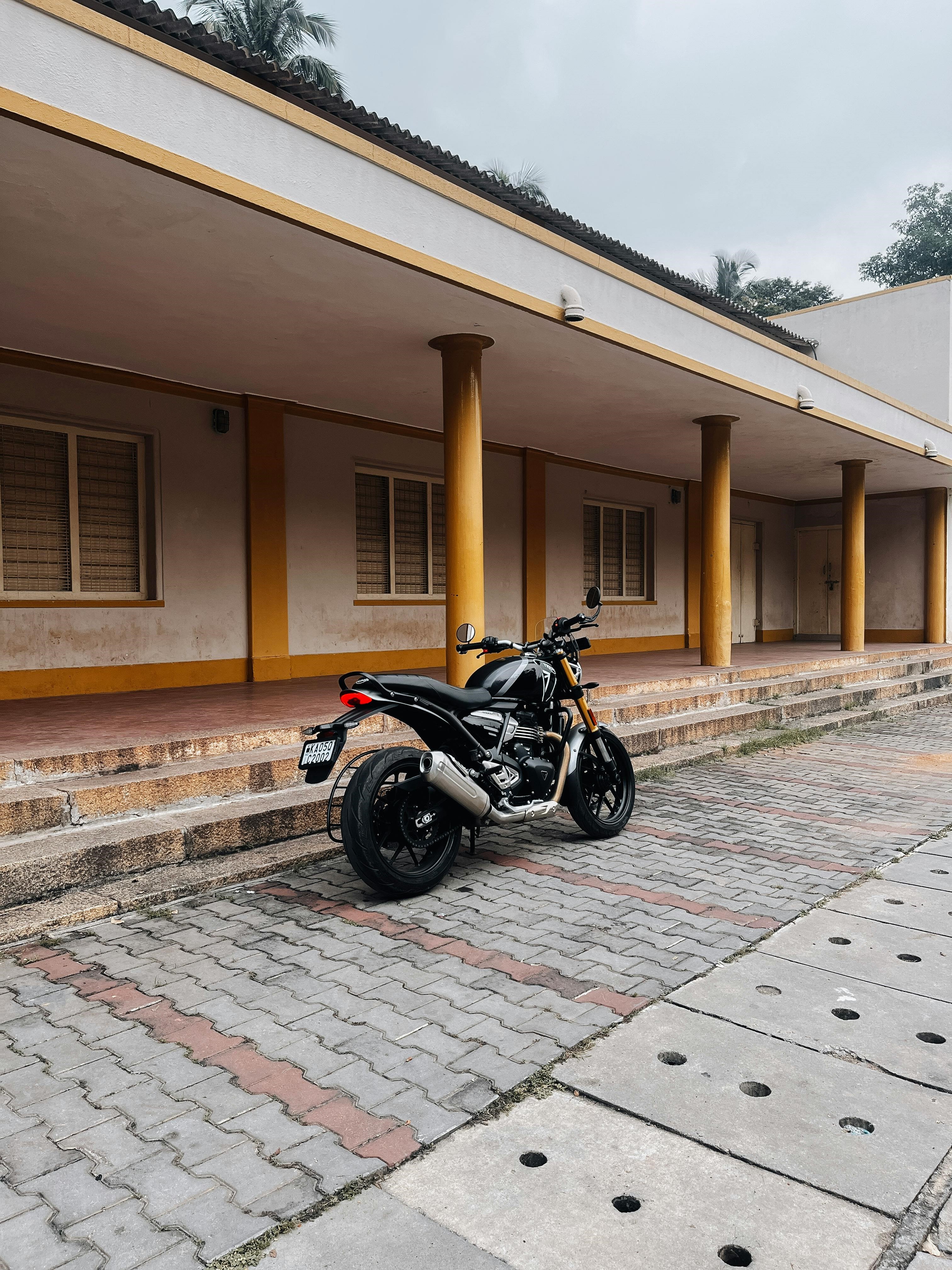
Why Transport Your Bike by Train?
Relocating can be tiring, especially when long highway drives are involved. Transporting your bike instead of riding it lets you focus on settling in, making daily commuting easier once you reach your new place. Indian Railways offers a safe, convenient, and affordable way to move bikes nationwide, reducing wear, risk, and effort when compared to self-riding or road transport.
Common Reasons for Bike Transport via Train
People choose railway bike transport for several reasons:
- Relocation Needs: The most common reason involves job transfers, educational moves, or family relocations. Rather than riding hundreds of kilometres, owners prefer the safety and convenience of train transport.
- Vehicle Preservation: Long-distance riding causes significant wear and tear on engines, tyres, and other components. Train transport protects your bike from damage while maintaining its condition.
- Weather Concerns: Monsoon seasons, extreme heat, or winter conditions make long rides uncomfortable and dangerous. Railway transport eliminates such risks.
- Time and Energy Saving: Train transport frees you to travel comfortably by other means while your bike reaches the destination safely.
Advantages Over Riding or Using Other Transport Methods
Railway bike transport offers several clear benefits over alternative methods. For instance:
| Train Transport | Low | High | 2-7 days | Excellent |
|---|---|---|---|---|
| Self Riding | Medium | Low | 1-3 days | Poor |
| Road Transport | High | Medium | 2-5 days | Good |
Indian Railways ensures green, nationwide, and trustworthy bike transport backed by government standards.
- Environmental Benefits: Rail transport produces significantly lower carbon emissions compared to road transport.
- Nationwide Coverage: With parcel booking available at 750+ stations, Indian Railways provides unmatched connectivity across the country.
- Government Backing: As a government service, Indian Railways offers reliable, regulated transport with standardised pricing and procedures.
Methods to Transport Your Bike by Train
The answer to the question, 'How can I transport my bike by train,' depends on your travel plans and budget preferences. Indian Railways offers two distinct methods, each suited to different requirements and circumstances.
Transporting Bike as Luggage (Same Train Travel)
The luggage method requires you to travel on the same train as your bike. This option provides immediate access to your vehicle upon arrival but comes with specific requirements:
- Valid confirmed train ticket for the same journey
- Advance booking at railway luggage office
- Special railway authority approval
- Subject to space availability
You must arrive at least 30 minutes before departure time with all necessary documents. The railway staff will endorse your journey ticket and provide a luggage receipt after payment.
Transporting Bike as Parcel (Separate Train Delivery)
With the parcel transport option, you can enjoy independent bike shipment without passenger travel requirements. This flexible option suits people travelling by other means or sending bikes as gifts. Its features include:
- No passenger ticket required
- Flexible booking timings
- Transit times of 2-7 days depending on distance
- Collection required within 6 hours or face ₹10 hourly penalty
The bike travels on available trains to the destination station, providing cost-effective transport for non-urgent deliveries.
Comparison of Luggage vs Parcel Methods
A comprehensive understanding of the differences between the luggage and parcel methods helps you choose the one best suited to your needs:
| Booking Requirement | Must travel on the same train. | No travel needed. |
| Rate Scale | Scale L (luggage traffic) — higher rate. | Scale M (motor parcel service) — freight-based. |
| Speed / Delivery Time | Same train, so immediate delivery on arrival (if load available) | Typical delivery depends on distance; can take several days. |
| Free / Allowance Limits | Free or marginal allowance defined by class, over limit charges apply. | Parcel does not require travel; requires proper packing, ID, and documentation. |
Step-by-Step Guide for Booking Bike Transport
Proper documentation and following the correct booking process ensure a smooth bike transport process without any delays or complications.
Documents Required for Booking
Here are the essential documents you need to have ready before booking:
- Registration Certificate (RC) - photocopy
- Valid government ID (Aadhar, PAN, Driving Licence, Passport)
- Bike insurance papers - photocopy
- PUC Certificate (Pollution Under Control)
- NOC (for interstate transport where required)
Remember that though you will be submitting photocopies, the original documents are required for verification.
Booking Process for Luggage Mode vs Parcel Mode
Here’s a quick comparison of the luggage and parcel booking processes for transporting bikes via Indian Railways.
| Booking Time | 2–3 days before travel | On booking day or previous day |
| Office | Luggage office | Parcel office |
| Documents | Required docs + train ticket | Required docs + forwarding note |
| Vehicle Info | Engine & chassis numbers | Vehicle details |
| Payment & Receipt | Pay charges, get luggage ticket | Pay charges, get parcel receipt |
| Packing | Proper bike packing + destination labels | Professional packing + destination labels |
| Collection | Show endorsed ticket | Show parcel receipt |
Timeline and Booking Hours
Plan your booking according to these operational timelines:
- Operating Hours: Railway parcel offices typically operate from 9 a.m. to 5 p.m. on weekdays. Some stations offer extended hours or weekend services.
- Advance Booking: For guaranteed space, book at least 24 to 48 hours in advance, though bookings are accepted up to 4 hours before train departure.
Preparing Your Bike for Transport
Proper preparation protects your bike during transport and ensures compliance with railway safety regulations.
Emptying Fuel Tank and Removal of Accessories
Fuel Requirements:
- Tank must be completely empty
- Violations result in hefty fines
- Criminal charges possible for serious violations
- Small amounts (100-200ml) sometimes permitted
Additional Preparations:
- Remove loose accessories and valuables
- Disconnect battery (recommended)
- Secure or remove mirrors and indicators
- Take photos for insurance purposes
Proper Packing and Packaging Options
Professional packing protects your bike from damage during transport. You can choose from different kinds of packing:
| Standard / Required | Boxes, trunks, strong baskets, strong gunny cloth | ₹200 to ₹1,000 (depending on service) | Moderate – protects against handling stress, movement, and strain during rail transit per IR packing rules |
| Enhanced (optional) | High strength containers such as wooden cases, corrugated fibre board | ₹600 to ₹1,000+ | Good – provides higher structural strength and resistance to rough handling |
* Disclaimer: The cost ranges are estimates based on common agent or parcel office packing practices; actual costs may vary.
Hiring Professional Packers vs DIY Packing
Indian Railways requires bikes to be properly packed before transport. While official sources don’t list exact fees, station-approved packers typically charge around ₹300–₹400. Additionally, DIY packing is possible but must meet railway standards, including an empty fuel tank and proper labeling.
Bike Transport Charges and Cost Breakdown
Understanding how much does it cost to transport bike in train helps you budget effectively and choose a service level that aligns with your requirements.
Factors Affecting Charges
Several key factors influence Indian Railways’ bike transport charges:
Primary Factors
- Distance between source and destination
- Total weight of the packed bike
- Engine capacity (CC)
- Seasonal variations in demand
Secondary Factors
- Quality and type of packing materials
- Optional insurance coverage
- Any additional handling or services required
Typical Cost Ranges for Luggage and Parcel
Transport costs vary significantly based on distance and service type. The base rates range from ₹10-₹20 per kilogram depending on distance and train service selected.
Total Cost Ranges:
- Short distances (within state): ₹300-₹800
- Medium distances (neighbouring states): ₹800-₹1,500
- Long distances (across country): ₹1,500-₹3,000
Additional Charges
Factor in these additional costs for accurate budgeting:
- Service charges: ₹50-₹200
- Packaging charges: ₹100-₹300
- Insurance coverage: ₹100-₹500 (3% of declared value)
- GST and handling fees: As applicable
How to Calculate Approximate Freight
Use the official Indian Railways website at parcel.indianrail.gov.in for accurate cost calculations. The online calculator considers distance, weight, and service type for precise estimates. Alternatively, visit your local station's parcel office for manual calculations and current rate information.
Rules and Safety Tips for Bike Transport by Train
Following railway rules and safety guidelines ensures smooth transport and prevents penalties or complications.
Important Railway Rules to Follow
Indian railway rules for bike transport remain strict and non-negotiable. Here is a compliance checklist that can help you stay on track:
- Carry copies of all necessary documents.
- Ensure the fuel tank is completely empty.
- Produce valid insurance and registration certificates.
- Carry proper identification.
- Keep the bike clean and in good condition.
Dos and Don'ts During Transport
Follow these guidelines for successful bike transport:
| Book well in advance | Leave fuel in the tank |
| Use secure packing materials | Skip proper documentation |
| Carry all required documents | Delay bike collection |
| Track your shipment progress | Pack valuable items with the bike |
| Get insurance coverage | — |
Safety Measures and Accident Procedures
Protect your investment with proper safety measures:
Preventive Steps:
- Choose appropriate packing level
- Take detailed photos before transport
- Verify packing quality before dispatch
- Keep all receipts safe
Accident Procedures:
- Report damage immediately upon collection
- Document issues with photos
- File claims within specified timeframes
- Keep all booking receipts for claims
Insurance Coverage for Bike During Transport
When transporting your bike via Indian Railways, you have the option to declare a higher value under the Percentage Charge on Excess Value (PCEV) system. The Railways charges ₹ 0.13 for every ₹ 100 of declared excess value per 160 km, with a maximum cap of 1%. While this isn’t full insurance, it does increase the compensation Railways provides in case of loss or damage.
For complete peace of mind, it's good to ensure your bike has comprehensive protection with Royal Sundaram's two-wheeler insurance policy. This protects your bike from any accidental damage, guarding against damage, theft or any natural calamities.
Collecting Your Bike at the Destination Station
Proper collection procedures ensure you receive your bike quickly and identify any transport-related issues.
Required Documents
Present these documents for bike collection:
- Original parcel receipt or luggage ticket
- Valid government ID proof
- E-way bill (if applicable)
- Booking confirmation details
Representatives can collect bikes with proper documentation and written authorisation from the owner.
Process for Inspection and Receiving Vehicle
Inspect your bike thoroughly before accepting delivery. Follow these steps:
- Look for scratches or damage
- Check all components and accessories
- Compare with pre-transport photos
- Document any issues immediately
- Sign acceptance only after satisfaction
Take detailed photos during inspection for insurance claims.
Handling Delays and Storage Charges
When transporting your bike via Indian Railways, it’s important to follow storage rules at the destination station. Bikes should be collected within the permissible free time. This is typically 10 working hours at notified stations and 18 hours at other stations. Delays beyond this period may incur wharfage charges, generally ₹1 per 50 kg per hour. Planning your pickup in advance helps avoid extra costs and ensures smoother transport.
Protecting Your Bike During Transit with Royal Sundaram
Transporting your bike by train is one of the most convenient and budget-friendly ways to cover long distances in India as long as you follow the correct packing and booking procedures, and follow the essential railway rules, like emptying the fuel tank and labeling your vehicle. However, even with careful planning, the railway journey can result in occasional mishandling. This is where Royal Sundaram two-wheeler insurance truly makes a difference.
With all-risk protection while in transit by road, rail, inland-waterway, lift, elevator or air, Royal Sundaram keeps your bike safeguarded against damage, theft, or mishandling at every stage. Whatever happens along the route, your financial and emotional peace of mind remain intact, making the entire transport experience smoother, more confident, and genuinely hassle-free.
FAQs
Yes, you can transport your bike independently via the parcel method. This allows bike shipment without passenger travel requirements.
You need your bike's Registration Certificate, valid government ID, insurance papers, and PUC certificate. For interstate transport, an NOC may be required. Carry originals and photocopies.
Luggage costs 25% more than parcel but delivers the same day. Parcel offers cheaper rates with 2-7 day delivery without requiring passenger tickets.
Yes, the fuel tank must be completely empty. Violations result in ₹1,000+ fines and possible criminal charges.
Use professional packing services, secure loose parts, take photos before transport, and get insurance coverage.
You face penalty charges of ₹10 per hour for delayed collection beyond the specified timeframe.
You can transport someone else's bike with proper authorisation letters from the owner and original vehicle documents. Additional verification may be required at the booking office.
Yes — a comprehensive policy like from Royal Sundaram General Insurance Co. Ltd. covers your bike against damage or loss while in transit by rail.
Book 1-2 days in advance due to limited space and specific operational hours.
Yes, transporting heavier bikes costs ₹500-₹1,500 plus interstate surcharges around ₹300-₹1,000.


Discover the perfect insurance plan for you!
Get your free quote now!
Get StartedBy Clicking on Get Started, You agree to our Terms and Conditions and override DNC/NDNC registration.
More like this
View more