You have been Successfully Subscribed to Newsletter


USD Forks vs Telescopic Forks: A Complete Guide to Motorcycle Suspension
Apr 15, 2026 • 10 Min Read
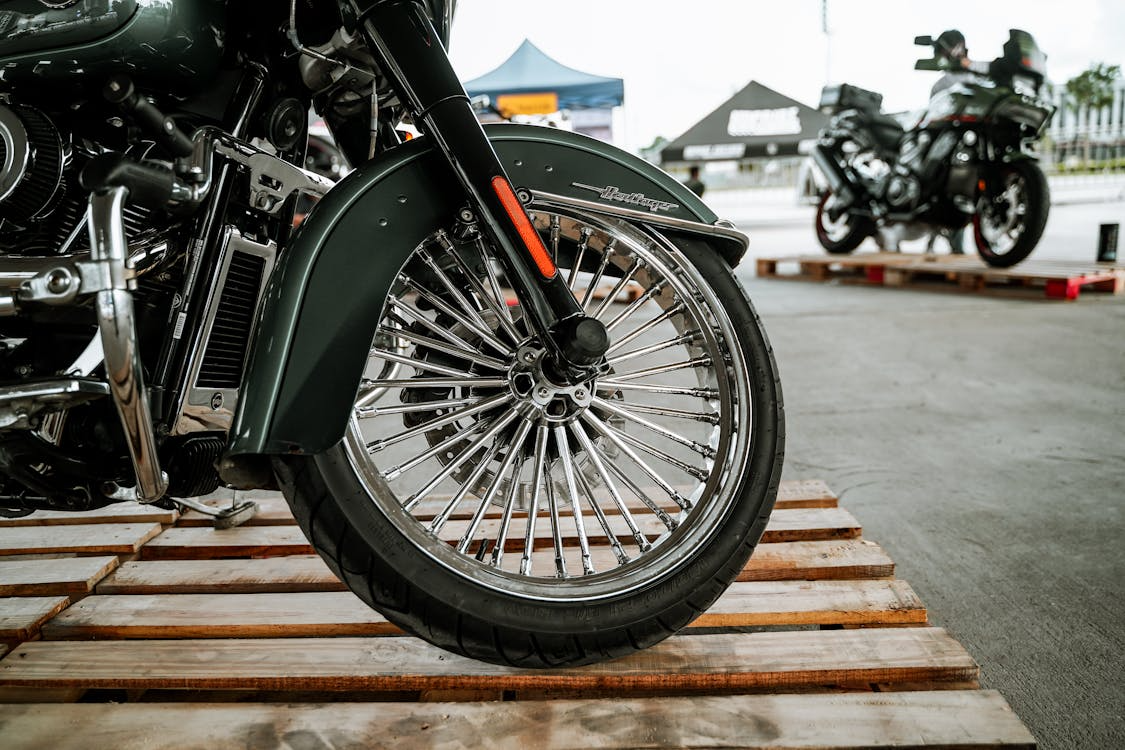
Every motorcycle rider faces a critical decision when choosing their next bike: USD forks vs telescopic forks. This choice affects everything from daily comfort to high-speed stability. While both systems share identical core components, their arrangement creates vastly different riding experiences that can make or break your motorcycle journey.
The global motorcycle suspension market shows remarkable growth, with a valuation of USD 1.86 billion in 2024 and projected to reach USD 2.69 billion by 2032. This growth reflects riders' increasing awareness of suspension technology's impact on safety and performance. Understanding these differences becomes essential as you choose between traditional reliability and modern performance.
Understanding Motorcycle Front Suspension
Front suspension systems form the backbone of motorcycle safety and comfort, determining how your bike responds to road conditions and rider inputs. The fundamental principle remains consistent across all systems: springs absorb impacts while dampers control the speed of compression and rebound.
How Motorcycle Forks Work
Motorcycle forks operate through a coordinated system where springs handle compression amounts while dampers control reaction velocity. When your front wheel hits a bump, the suspension compresses internal springs that absorb the impact. Simultaneously, damping mechanisms filled with oil provide resistance, regulating how quickly the fork compresses and rebounds.
Key Components: Springs, Dampers, and Oil Seals
Three critical components work together to create effective front suspension:
- Springs: Metal coils that compress to absorb road impacts. These determine how much weight the suspension can handle and how it responds to different road surfaces.
- Dampers: Oil-filled units that control spring movement velocity. They prevent excessive bouncing and ensure controlled compression and rebound rates.
- Oil Seals: Critical components that prevent hydraulic fluid leakage. These seals maintain proper damping performance and prevent contamination of the braking system.
Understanding what a telescopic suspension is and what an upside-down suspension is requires grasping how these components interact differently in each system design.
What Are Telescopic Forks?
Telescopic suspension represents the traditional motorcycle front suspension design that has dominated Indian roads for decades. Most motorcycles you see daily come equipped with this proven technology.
Design and Construction
Telescopic forks feature a straightforward design where the thicker tube sits at the bottom while the thinner tube slides into it from above. The inner slider bar attaches to the triple clamp where handlebars mount, while the outer primary barrel connects to the wheel assembly.
How Telescopic Forks Function
Telescopic systems work by compressing springs and damping oil inside fork tubes when the front wheel encounters road irregularities. Springs absorb the initial impact while damping oil controls both compression and rebound rates, ensuring smooth and controlled movement.
Advantages of Telescopic Forks
Telescopic forks offer several compelling benefits that explain their widespread adoption:
- Simplicity: Straightforward design makes them easy to manufacture and maintain.
- Cost-Effectiveness: Lower production costs translate to affordable motorcycle prices.
- Proven Reliability: Decades of development have refined the design for consistent performance.
Disadvantages of Telescopic Forks
Despite their popularity, telescopic forks have notable limitations:
- Increased Unsprung Weight: Most suspension system weight sits on the wheel side, making direction changes more difficult.
- Reduced Stiffness: Design lacks the precision and rigidity of more advanced systems.
- Limited Performance: Less refined ride quality during aggressive or high-speed riding.
What Are USD (Upside-Down) Forks?
USD fork suspension represents an advanced front suspension design gaining popularity among performance motorcycles in India. This system inverts the traditional telescopic arrangement, placing stronger components where they can provide maximum benefit for handling and stability.
Design and Construction
USD forks feature an inverted design that places the thicker, stronger fork tube at the top near the handlebars while the thinner tube stays at the bottom near the wheel. This arrangement gives the front end more strength and reduces flex during rough road conditions or hard braking situations.
How USD Forks Function
In USD suspension systems, the sliding tube operates on the lower wheel side while the primary barrel attaches to the triple clamp. This configuration allows the triple clamp to bear most of the suspension weight, creating a more rigid and stable suspension system.
Advantages of USD Forks
USD forks provide several performance benefits that justify their premium positioning:
- Improved Handling: Reduced unsprung weight by placing heavier components at the top.
- Enhanced Rigidity: Increased stanchion-slider overlap increases overall fork stiffness.
- Better Feedback: More precise front-end control improves motorcycle handling and braking.
- Superior Stability: The inverted design provides better front-end stability during aggressive riding.
Disadvantages of USD Forks
USD systems also present certain challenges:
- Higher Costs: Significantly more expensive than conventional telescopic suspension.
- Complex Maintenance: Requires specialised tools and knowledge for proper servicing.
- Seal Vulnerability: Risk of oil seal leaks where gravity causes oil to spill onto the disc brake assembly.
- Limited Availability: Fewer service centres equipped to handle USD fork maintenance.
Head-to-Head Comparison: USD Forks vs Telescopic Forks
The choice between USD forks vs telescopic forks ultimately depends on your specific riding needs, budget constraints, and performance expectations.
Cost and Maintenance
The financial aspect represents a crucial consideration when comparing these suspension technologies:
|
|
|
|
|---|---|---|
| Initial Cost | Affordable to produce | Expensive due to advanced manufacturing |
| Maintenance Complexity | Simple, straightforward | Requires specialised tools |
| Service Availability | Widely available | Limited to specialised centres |
| Long‑term Costs | Lower overall ownership costs | Higher maintenance expenses |
Telescopic forks remain affordable to produce and maintain, making them ideal for budget-friendly motorcycles.
Handling and Performance
Performance characteristics create the most noticeable difference between these systems:
Telescopic Performance
- Adequate handling for daily commutes at moderate speeds.
- Practical for urban and casual riding scenarios.
- Sufficient for most Indian riding conditions.
- Less precise during aggressive riding.
USD Performance
- Superior precision and control during high‑speed riding.
- Enhanced front‑end stability and rigidity.
- Better suited for performance‑oriented riding.
- Improved braking stability and feedback.
Weight Distribution and Rigidity
USD forks reduce unsprung weight by placing heavier components (sliders) at the top and lighter components (stanchions) at the bottom.
Telescopic forks place most suspension weight on the wheel side, affecting steering responsiveness and handling dynamics during direction changes.
Aesthetic Appeal and Use Cases
High-end performance bikes typically feature USD arrangements, though manufacturers now offer them on commuter-class motorcycles due to their aesthetic appeal.
The modern, sophisticated appearance of USD forks adds premium visual value to any motorcycle.
Common Risks and Durability Factors
Each system presents unique durability considerations and potential risks:
- Telescopic forks are less rigid and may flex under extreme stress, making them less suitable for intense off-road conditions compared to USD forks. However, they offer reliable, predictable performance under normal riding conditions.
- USD forks allow more bump absorption but face higher susceptibility to damage from impacts. The inverted design also creates potential oil seal leak issues where gravity can cause hydraulic fluid to spill onto braking components, creating dangerous situations.
Safety statistics highlight the importance of proper suspension maintenance. In 2022, data from India revealed a sobering reality for two-wheeler safety: nearly 28% of motorcycle riders (specifically those identified as at-fault in fatal accidents) were found to be impaired or involved in crashes where rider judgment was compromised.
Which Fork Should You Choose?
Selecting between suspension systems requires honest assessment of your riding habits, motorcycle type, and financial considerations.
Riding Style and Usage Considerations
Your daily riding patterns should guide your suspension choice:
- Daily Commuters: Telescopic forks prove practical, affordable, and sufficient for city riding at moderate speeds. They provide adequate comfort and reliability for typical Indian commuting scenarios.
- Performance Enthusiasts: USD forks excel for riders prioritising handling, stability, and aesthetics during high-speed or challenging terrain riding. They offer superior control and feedback that performance-oriented riders appreciate.
Bike Type and Suspension Needs
In India, the commuter segment accounts for the vast bulk of two-wheeler sales, with the motorcycle segment accounting for 66% of overall sales. Customers remain more concerned with budget and fuel efficiency than advanced features like high-end suspension.
Budget and Maintenance Willingness
For fast motorcycles, USD represents the optimal choice, but if commuting and value for money are your preferences, telescopic suspension offers the right balance. The question, "telescopic fork vs USD fork - which is better?" depends entirely on your priorities and budget constraints.
Common Myths About Motorcycle Forks
Several misconceptions surround motorcycle suspension technology, often leading to poor purchasing decisions. Understanding these myths helps you make informed choices:
Myth 1: USD forks are only for racing bikes
Reality: The Honda CB125 Hornet stands as one of the most affordable motorcycles with USD forks in India, making it a
segment-first feature for the smallest-capacity motorcycle to receive this technology.
Myth 2: Telescopic forks are outdated
technology
Reality: Telescopic suspension remains highly relevant for
budget-friendly bikes and daily commuting due to its affordability, simplicity, and
proven reliability across millions of motorcycles.
Myth 3: All premium bikes need USD
forks
Reality: Many excellent motorcycles perform admirably with well-tuned
telescopic forks, proving that suspension quality matters more than type for most riding
applications. For instance, many 650cc heritage twins and heavy cruisers use
conventional telescopic forks to provide a plusher ride. These forks offer natural flex
that absorbs mid-corner bumps on uneven roads better than the rigid USD setups found on
track-focused sports bikes.
Maintaining Your Motorcycle Forks for Optimal Performance
Proper maintenance ensures your suspension system delivers optimal performance regardless of whether you choose USD forks vs telescopic forks.
Checking for Leaks and Seal Health
Regular inspection helps identify problems before they become serious safety hazards. Clear signs indicating fork oil change requirements include reduction in suspension smoothness, less stable handling, or fluid leaks around the fork assembly.
Regular Oil Changes and Cleaning
Fork oil maintenance follows specific intervals based on riding conditions and usage patterns. Generally, fork oil should be changed every 10,000 to 20,000 km or once every 2 years in India, depending on usage and road conditions.
Recognising Symptoms of Suspension Wear
Early identification of suspension problems prevents safety hazards and expensive repairs. During regular service, check front shock absorber performance. If the suspension feels hard, rough, or makes squeaking noises, it's time for oil replacement.
Tips for Prolonging Fork Life
For riders who don't ride frequently, change fork oil every year or two using manufacturer-specified grades. The grade is determined based on road conditions and expected loads encountered during typical riding.
Your Path to Smart Two-Wheeler Protection
When you're out on the road, your safety depends on a mix of good hardware and smart planning. Statistics generally show that two-wheelers are involved in a significant portion of road incidents, which is why having the right protection—both for your bike’s mechanics and your finances—is so vital.
While a high-quality suspension system keeps your ride smooth, the Royal Sundaram two-wheeler insurance ensures the rest of your journey is just as stable. Our comprehensive coverage protects you against accidents, theft, and natural disasters while safeguarding you from third-party liabilities.
You can easily tailor your policy with customisation and selection from our beneficial add-ons designed to fit your needs. Experience a quick, seamless process through the user-friendly website and get road-ready in minutes.
Frequently Asked Questions
The main difference lies in construction and component placement. USD forks invert the traditional design with stanchions at the bottom and sliders at the top, while telescopic forks use the conventional arrangement with sliders at the bottom.
For daily commuters, telescopic forks are more practical, affordable, and sufficient for city riding at moderate speeds.
USD forks have significantly higher maintenance costs due to their complexity and the need for specialised tools and expertise.
Converting telescopic forks to USD requires extensive modifications, including new triple clamps, different mounting points, and potentially altered frame geometry. This conversion is technically complex and financially impractical for most motorcycles.
Fork oil should be changed every 10,000-20,000 km or every 2 years, depending on riding conditions. Seals should be inspected regularly and replaced when leakage occurs or performance deteriorates.
Yes, USD forks provide superior rigidity, braking stability, and handling precision at high speeds. The reduced unsprung weight and improved structural design offer better control during aggressive riding situations.
Common myths include believing USD forks are only for racing bikes, thinking telescopic forks are outdated, and assuming USD forks don't need maintenance. In reality, both systems serve specific purposes with distinct advantages and maintenance requirements.
Proper fork maintenance ensures consistent damping and grip, preventing a bouncy, fatiguing ride. Well-serviced seals prevent oil leaks from contaminating brakes, while smooth suspension travel keeps the tyre planted for predictable steering and emergency manoeuvres, preventing accidents.


Discover the perfect insurance plan for you!
Get your free quote now!
Get StartedBy Clicking on Get Started, You agree to our Terms and Conditions and override DNC/NDNC registration.
More like this
View more