
You have been Successfully Subscribed to Newsletter


Advantages of Electric Cars: Why They’re the Future
March 13, 2026 • 10 Min Read
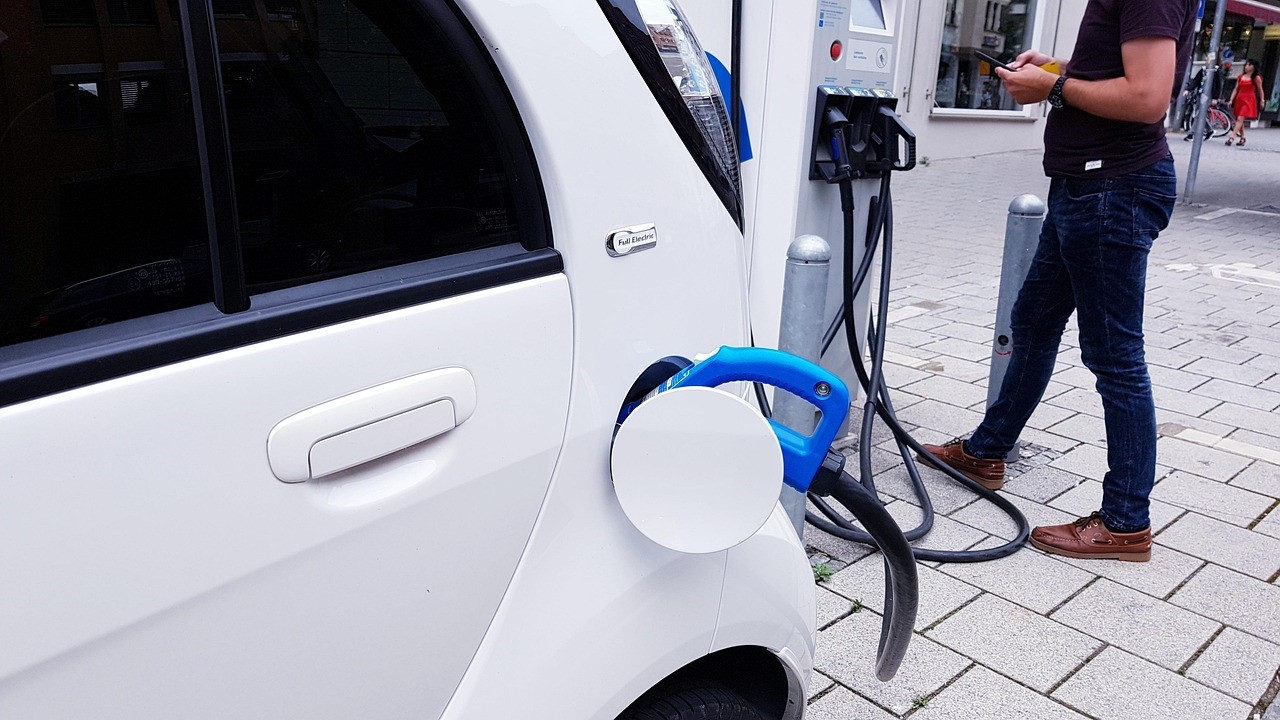
Electric cars represent a fundamental shift in how we think about transportation. These battery-powered vehicles run entirely on electricity instead of petrol or diesel, storing energy in rechargeable battery packs that power electric motors. The advantages of electric cars become clear when you consider their efficiency, cost savings, and zero direct emissions.
The transformation is happening faster than expected. EV sales rose from just 0.5% of total vehicle sales in 2018 to 7.7% of new vehicle sales in 2024, with over 6.5 million EVs operating on Indian roads as of June 2025. This guide will show you exactly why electric vehicles are becoming the smart choice for Indian consumers and how they're reshaping our transportation future.
Overview of Electric Cars
Electric vehicles work differently from traditional cars, offering unique advantages. Understanding these basics helps you see why they're gaining such rapid acceptance across India.
What Are Electric Cars?
An electric vehicle runs entirely or partially on electricity instead of combustible fuels like petrol, diesel, or CNG. Instead of an internal combustion engine, electric cars use a rechargeable battery pack and an electric motor setup for propulsion. The battery stores electrical energy and powers one or more electric motors that turn the wheels.
The key difference lies in efficiency. Electric vehicles can convert around 60% of electrical energy from the grid to power the wheels, while petrol or diesel cars only convert 17-21% of fuel energy to wheel power. This means about 80% of fuel energy gets wasted in traditional vehicles.
Electric cars also eliminate many complex components found in conventional vehicles. There's no fuel tank, exhaust system, radiator, or transmission in most EVs. This simpler design reduces potential failure points and maintenance requirements.
Types of Electric Vehicles (EVs)
The following table* shows the main categories of electric vehicles available in India:
|
|
|
|
|
|
|---|---|---|---|---|
| Battery Electric Vehicle (BEV) | 100% electric battery | 130-480+ km (varies by model and conditions) | Plug-in charging (home or public chargers) | Daily commuting, urban driving, and users with reliable access to charging |
| Plug-in Hybrid Electric Vehicle (PHEV) | Electric battery + petrol engine | Electric-only: 32–80 km Total range: 480+ km | Plug-in charging + standard petrol refuelling | Short electric trips with the flexibility of petrol for long journeys |
| Hybrid Electric Vehicle (HEV) | Electric battery + petrol engine | Similar to petrol cars; improved fuel efficiency | No plug-in charging; charges via engine + regenerative braking | Better fuel economy without needing charging infrastructure |
Disclaimer: The information provided in the above table is based on available data and is subject to change.
PHEVs are growing particularly fast in India because they combine electric efficiency with petrol backup. This dual capability reduces emissions while addressing range concerns, as drivers can switch to petrol when needed.
Cost Benefits of Electric Cars
The financial benefits of electric cars become clear when you examine running costs, maintenance expenses, and government support. These savings often offset the higher purchase price within a few years of ownership.
Lower Running and Fuel Costs
Electric vehicles deliver substantial savings on daily operating expenses compared to petrol or diesel vehicles:
Fuel Cost Comparison:
- Home charging: ₹6-10 per unit (kWh)
- Public charging: ₹15-20 per unit
- Petrol equivalent: Around ₹100+ per litre
Here is a practical indicating the savings: A petrol car driving 1,500 km a month at 15 km/l costs around ₹10,000 in fuel. An EV, running at 6 km per kilowatt-hour (kWh), would cover the same distance using about 250 kWh, costing just ₹2,000 which is only one fifth of the petrol price.
Annual Cost Breakdown:
- ICE vehicles: ₹1,00,000+ per year for fuel (moderate usage)
- Electric vehicles: ₹6,000-10,000 per year for electricity
For high-usage scenarios, the savings multiply quickly. Drive more than 1,200 km monthly, and the EV's lower running costs create significant advantages. By 100,000 km, EVs can save ₹2-3 lakh compared to petrol vehicles.
Reduced Maintenance Expenses
Electric vehicles require much less maintenance because they have fewer moving parts than internal combustion vehicles. The servicing requirements are significantly lower, making yearly running costs much more affordable.
Maintenance Items EVs Don't Need:
- Oil changes every 5,000-10,000 km
- Spark plug replacements
- Air filter changes
- Exhaust system repairs
- Radiator maintenance
- Transmission servicing
Yearly maintenance of an EV can be as low as about 25% when compared to ICE vehicles. Annual maintenance cost for ICE vehicles can range from ₹1,200-₹1,500 per month, with fuel costs often exceeding ₹1,00,000 per year for moderate usage in Mumbai.
Regenerative braking also extends brake pad life significantly. When you slow down, the motor acts as a generator, feeding energy back into the battery while reducing wear on brake components.
Government Incentives and Tax Benefits
The government offers multiple financial incentives to make electric vehicles more affordable through various schemes and tax reductions:
Central Government Incentives:
- FAME-II: Incentives up to ₹1.5 lakh per four-wheeler (for fleet / commercial EVs).
- Two-wheelers (under FAME-II): ₹15,000 per kWh of battery capacity, capped at 40% of vehicle cost.
- PM E-DRIVE: New scheme (₹10,900 crore) replacing FAME-II, but it does not cover electric or hybrid passenger cars.
- GST Cuts: GST on EVs cut from 12% → 5%, and on EV chargers / charging stations from 18% → 5%.
As of June 30, 2025, the Government of India has supported 1,629,600 electric vehicles under FAME II: 14,35,065 e 2 wheelers, 1,65,029 e 3 wheelers, 22,644 e 4 wheelers, and 5,165 e buses.
Environmental Advantages
The environmental benefits of EVs extend far beyond just zero tailpipe emissions. Electric vehicles contribute to cleaner air, reduced carbon footprints, and better urban environments across India.
Zero Tailpipe Emissions
Electric vehicles produce zero direct emissions during operation, which helps reduce air pollution significantly.
Key Environmental Benefits:
- No exhaust gases or particulate matter from the vehicle
- Reduced urban air pollution
- Lower noise pollution in cities
- Immediate improvement in local air quality
Unlike petrol vehicles that emit harmful pollutants directly where people live and work, EVs keep the air clean at street level. This makes a real difference in crowded Indian cities where millions of people breathe traffic-related pollution daily.
Reduced Carbon Footprint with Renewable Energy
You can reduce the environmental impact of charging your vehicle by choosing renewable energy options for home electricity. Using renewable energy sources makes electric vehicle use even more eco-friendly.
India has pledged to reach ~40% of its installed electricity capacity from non fossil sources by 2030 under its NDC.
By then, EV adoption could yield:
- ~17% reduction in nitrogen oxides (NOₓ) and particulate emissions (according to a CEEW scenario for 30% EV sales).
- Cumulative savings of 474 million tonnes of oil equivalent, worth about ₹15 lakh crore, per NITI Aayog / RMI analysis.
As India’s grid becomes greener, EVs will get even cleaner and with solar charging, they could approach carbon neutral operation.
Comparison of Life Cycle Emissions
Current lifecycle emission comparisons show BEVs in India already offer strong climate benefits, and those advantages rise as the grid decarbonises.
Current Emission Reductions:
- BEVs registered in India in 2021 emit 19–34% less GHGs than comparable ICE cars.
- Under a Paris aligned 2030 grid, life cycle emissions could fall 30–56% below ICE levels.
Lifecycle Emissions Breakdown:
- Production-phase emissions for BEVs are higher, but operational emissions are far lower, giving a net GHG benefit.
- As the grid gets cleaner and manufacturing emissions fall, these lifetime gains will grow.
Performance and User Experience
The benefits of electric cars in terms of performance become apparent from the moment you start driving.
Smooth and Quiet Driving Experience
EVs provide an exceptionally quiet and smooth driving experience that many owners find addictive.
Noise Reduction Benefits:
- EVs can be up to 20 dB quieter at very low speeds (0–20 km/h).
- No revving, no muffler roar, no idling noises.
- Better audio clarity inside.
- Lower traffic noise in cities, helping reduce urban noise pollution.
Better Acceleration and Handling
Electric cars deliver maximum torque at 0 RPM, meaning rapid acceleration from a complete stop.
Performance Advantages:
- Instant torque delivery (no lag time)
- Smooth, seamless acceleration
- No gear hunting or engine drone
- Better weight distribution for improved handling
Spacious Interiors and Storage Benefits
Electric vehicle design allows for more creative use of interior space since there's no large engine taking up room under the bonnet. This design flexibility creates several practical advantages.
Space Advantages:
- More cabin space due to compact electric drivetrains
- Flat floor design (no transmission tunnel)
- Additional storage areas (front trunk or "frunk" in some models)
- More flexible seating arrangements
Charging and Convenience
Charging infrastructure and battery technology continue advancing rapidly, making electric vehicles increasingly convenient for daily use.
Home and Public Charging Options
One of the biggest conveniences of electric vehicle ownership is never needing to visit petrol stations again. You can charge at home overnight, similar to charging your mobile phone.
Charging Infrastructure Growth:
- As of December 2024, India has 25,202 public charging stations.
- Karnataka leads with 5,765 stations, followed by Maharashtra (3,728) and Uttar Pradesh (1,989).
Home Charging Advantages:
- You can charge overnight during off peak hours.
- It can be cost-effective (depending on local electricity tariffs).
- No travel or wait time for a charging point.
Rapid Public Infrastructure Expansion:
- Public charging infrastructure has grown very fast — from ~12,146 stations (February 2024, per IBEF) to 25,202 by December 2024, reflecting strong expansion.
Charging Speed and Battery Life
Modern EVs offer multiple charging options to suit different needs and schedules.
Charging Speed Options:
- Slow (home): 8–12 hours for a full AC charge.
- Fast (50–60 kW DC): 20–60 minutes for up to 80% charge.
- Rapid / Ultra-fast: Higher power DC chargers are being deployed.
Tata Power offers 50 kW and 60 kW public DC chargers, which significantly reduce charging times.
Emerging Technologies: Battery Swapping and Fast Charging
Battery swapping technology offers an alternative to traditional charging that can dramatically reduce downtime for commercial users.
Battery Swapping Advantages:
- ~3-minute swap for two and three wheelers.
- ~3–4 minutes for BEV buses using modular swap systems.
- Avoids waiting time and is ideal for high-utilisation fleet vehicles.
- Supported by the Ministry of Power’s January 2025 guidelines for BSS and BCS infrastructure.
- Sun Mobility runs over 630+ swapping stations nationwide under a “Battery as a Service” model.
Energy and Future Sustainability
Electric vehicles contribute to India's energy security while supporting the transition to sustainable transportation. The long-term advantages of electric cars extend to national energy independence.
Energy Security and Resilience
and reducing exposure to volatile fuel prices. According to CEEW, if EVs capture 30% of new sales by 2030, India could save over ₹1 lakh crore annually in crude oil import costs. EVs run on electricity which can be produced domestically, especially from renewable sources, offering more stable, predictable energy costs.
Electric Cars in the Future Mobility Landscape
India has set bold EV adoption targets for 2030 across all vehicle segments: 80% penetration for two- & three wheelers, 30% for private cars, 70% for commercial vehicles, and 40% for buses. This could mean around 80 million EVs on Indian roads.
The Indian EV market is projected to grow from USD 23.38 billion in 2024 to USD 117.78 billion by 2032 (CAGR 22.4%). According to NITI Aayog’s roadmap, this shift could generate major energy and carbon savings.
Protecting Your Electric Vehicle Investment
As India faces rising air pollution, climate change, and dependence on imported oil, adopting electric vehicles (EVs) is increasingly important. EVs cut greenhouse gas emissions, lower fuel costs, and support renewable energy, making cities healthier and households more energy-efficient. They also enhance energy security and align with India’s climate goals.
Alongside environmental and economic benefits, protecting your EV investment is essential. Royal Sundaram's car insurance covers accidental damages, theft, and natural disasters. Policyholders can access 7,600+ cashless garages nationwide, manage their policy online, and opt for return-to-invoice cover to safeguard against total loss. These features ensure EV owners can enjoy the technology with peace of mind, knowing both accidental damage and specialised electrical components are protected.
FAQs
Electric cars cost about ₹2,000 monthly to run for 1,500 km, while petrol cars cost around ₹10,000 for the same distance. EVs are 60% energy efficient compared to just 17-21% for petrol vehicles, creating substantial long-term savings.
Yes, EVs need about 75% less maintenance than petrol cars. There are no oil changes, spark plug replacements, or exhaust system repairs needed. Annual maintenance costs drop significantly due to fewer moving parts.
You may be eligible for FAME II subsidies. Many states offer additional perks such as registration fee waivers, road tax reductions or exemptions.
Home charging takes 6-8 hours for a full charge, while fast charging (50-60 kW) provides 80% charge in 30-60 minutes. Battery swapping takes just 2 minutes for two-wheelers and 3-4 minutes for buses.
EV batteries typically last 8-10 years or more with proper care. Most manufacturers provide warranties of 8 years or 1.5 lakh km. Battery technology continues improving, extending lifespan and reducing replacement costs.
Electric cars produce zero tailpipe emissions. Their overall (lifecycle) emissions depend on how clean the electricity is. As India’s grid becomes greener, EVs’ environmental benefits will only increase.
Modern EVs offer a 150-400+ km range per charge, suitable for most daily needs. India now has 25,202 public charging stations, with rapid expansion continuing. Planning charging stops makes long trips entirely feasible.
EVs are actually easier to drive with instant torque, automatic transmission, and quiet operation. There's no clutch, gear shifting, or engine noise. Most drivers find the smooth, responsive experience superior to conventional cars.


Discover the perfect insurance plan for you!
Get your free quote now!
Get StartedBy Clicking on Get Started, You agree to our Terms and Conditions and override DNC/NDNC registration.
More like this
View more


.png)