
You have been Successfully Subscribed to Newsletter


Advantages of Electric Vehicles Compared to Traditional Cars
Feb 17, 2026 • 10 Min Read
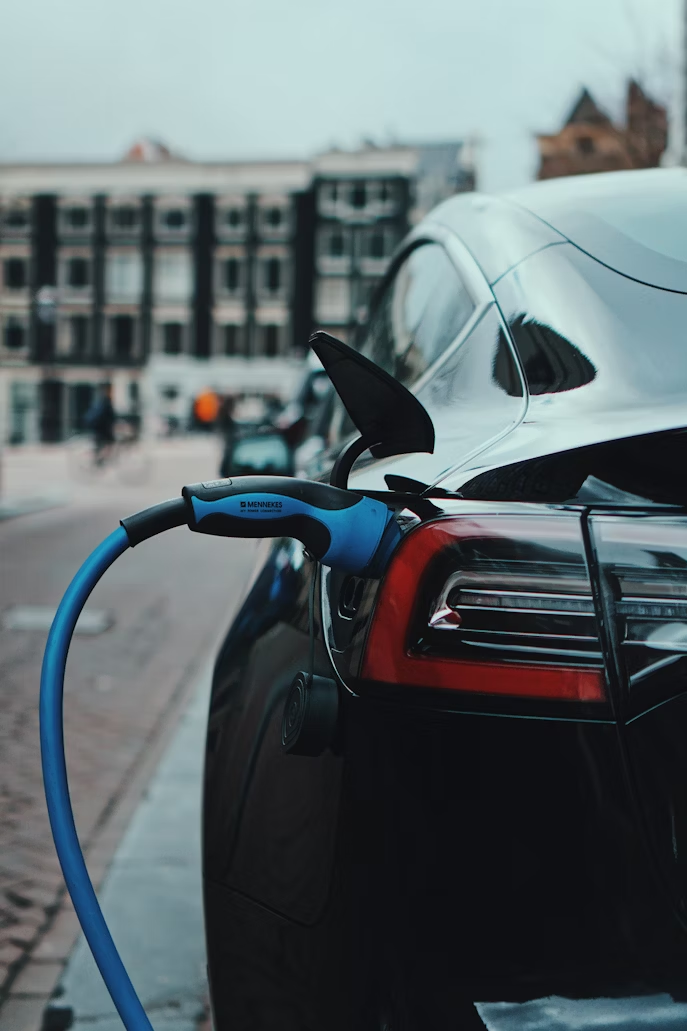
As the world moves towards a more sustainable future, electric vehicles (EVs) are gaining popularity as a cleaner, greener alternative to traditional petrol and diesel cars. In recent years, the Indian EV market has experienced significant growth, reaching a size of US$8.79 billion in 2024 and projected to expand to US$105.04 billion by 2032, with a robust compound annual growth rate (CAGR) of 36.4% from 2025 onwards.
The advantages of electric vehicles extend beyond just environmental benefits, offering drivers a range of compelling reasons to make the switch. In this article, we will look at the main benefits of electric vehicles, highlight their positive impact on the environment, and cover the tax benefits and incentives available for EV owners.
What Are Electric Vehicles?
Electric vehicles are powered by electric motors and batteries, unlike conventional cars that rely on internal combustion engines fueled by petrol or diesel. This fundamental difference in propulsion technology is at the heart of the numerous benefits of electric vehicles.
Types of Electric Vehicles
There are three main types of electric vehicles:
- Battery Electric Vehicles (BEVs): These are fully electric, powered solely by rechargeable batteries.
- Plug-in Hybrid Electric Vehicles (PHEVs): PHEVs combine an electric motor with a petrol engine, allowing them to run on electricity or fuel.
- Hybrid Electric Vehicles (HEVs): HEVs also have both an electric motor and a petrol engine, but cannot be plugged in to charge the battery.
How Electric Vehicles Work
EVs use an electric motor powered by a rechargeable battery pack to drive the wheels. When the accelerator is pressed, the motor draws energy from the batteries to rotate and propel the vehicle forward. During braking, the motor acts as a generator, converting kinetic energy back into electricity to recharge the batteries, a process known as regenerative braking.
Key Advantages of Electric Vehicles
The advantages of electric vehicles are numerous and compelling, ranging from financial benefits to environmental sustainability.
Lower Running and Fuel Costs
The benefits of electric vehicles include:
- Lower running costs compared to petrol or diesel cars
- Electricity is cheaper than fossil fuels
- EVs are more efficient at converting energy into motion, reducing cost per kilometer
Reduced Maintenance Expenses
EVs have fewer moving parts than internal combustion engine vehicles, resulting in lower maintenance costs. Electric motors are less prone to wear and tear, and EVs do not require regular oil changes or engine tune-ups. This translates to significant savings on servicing and repairs over the vehicle's lifetime.
Zero Tailpipe Emissions and Environmental Benefits
Environmental benefits of electric vehicles include:
- Zero tailpipe emissions, reducing local air pollution.
- Lower greenhouse gas emissions compared to petrol or diesel vehicles.
- Even accounting for electricity production, EVs emit nearly three times less CO₂.
Tax Incentives and Financial Benefits
India offers focused tax benefits for EVs:
- GST on EVs is reduced to 5%, much lower than the 28%+ for petrol/diesel vehicles, cutting upfront costs.
- Under Section 80EEB of the Income Tax Act, individual taxpayers can claim a deduction up to ₹1.5 lakh on interest paid for loans to buy EVs.
- Many states waive or reduce road tax and registration fees for EVs, e.g., Tamil Nadu offers a 100% exemption on motor vehicle tax.
- EVs do not require pollution control certificates (PUC), removing a recurring regulatory expense.
These incentives significantly lower the total cost of ownership and encourage cleaner transportation. Globally, similar approaches include Norway’s VAT exemption and tax breaks, the US federal $7,500 EV tax credit, and China’s purchase subsidies and tax exemptions.
Quiet and Smooth Driving Experience
Driving experience benefits of electric vehicles include:
- Quieter operation due to silent electric motors, reducing noise pollution.
- Smoother, seamless acceleration without a traditional gearbox.
- Ideal for city driving, offering a more relaxed and comfortable journey.
Convenience of Home and Public Charging
Charging an EV at home is as simple as plugging into a dedicated charger, eliminating the need to visit petrol stations. With a full charge typically taking 4-5 hours, EV owners can easily plan their journeys and top up their batteries overnight. The growing network of public charging stations and fast chargers further enhances the convenience of EV ownership.
Performance and Design Benefits
In addition to their environmental and financial advantages, electric vehicles offer several performance and design benefits that make them an attractive choice for drivers.
Acceleration and Driving Experience
EVs are known for their instant torque delivery, providing quick and smooth acceleration from a standstill. This responsiveness makes EVs feel more agile and fun to drive, especially in urban environments. The lack of a traditional transmission also contributes to a more engaging driving experience, with seamless power delivery across the speed range.
Spacious Cabin and Storage Advantages
The compact nature of electric motors and batteries allows for more flexible vehicle design. EVs often feature more spacious cabins and additional storage spaces compared to their petrol or diesel counterparts. The absence of a large engine compartment frees up space for front trunk storage, while the flat floor design enables more legroom and interior versatility.
Future-Proofing and Sustainability
As countries set ambitious targets to reduce carbon emissions and dependence on fossil fuels, electric vehicles represent a future-proof and sustainable transportation solution. Investing in an EV today means aligning with global efforts to combat climate change and contributing to a cleaner, greener future for generations to come.
Understanding the Costs
While the advantages of electric vehicles are clear, it is essential to consider the costs involved in EV ownership to make an informed decision.
Initial Purchase Price vs. Long-Term Savings
When considering electric vehicles, it’s important to weigh the higher initial purchase price against potential long-term savings:
|
|
|
|---|---|
| Initial Purchase Price | Higher than comparable petrol or diesel vehicles |
| Long-Term Savings | Reduced fuel and maintenance costs can offset the initial investment over time |
| Future Outlook | EV prices are expected to become more competitive as battery technology advances and production scales up |
Battery Life, Warranty, and Replacement Costs
Battery lifespan and considerations for electric vehicles:
- Many EV manufacturers offer 8-year/100,000-mile battery warranties.
- Predictive models indicate batteries may last 15–20 years in moderate climates.
- Battery degradation occurs faster in extreme weather conditions.
- Replacement costs are not widely publicized but are expected to decrease with technological advancements.
Incentives and Rebates Available
To further offset the initial cost of EVs, governments and local authorities offer various incentives and rebates. These may include:
- Tax credits, purchase subsidies, and reduced registration fees.
- In India, the FAME II scheme supports EV adoption across vehicle segments.
Environmental Impact of Electric Vehicles
The environmental benefits of electric vehicles are a primary driver for their adoption, but it is important to consider the full lifecycle impact of EVs.
Life Cycle Emissions Compared to Conventional Vehicles
While EVs produce zero tailpipe emissions, the environmental impact of their production and the electricity used to charge them must be considered. Studies show that even when powered by electricity from fossil fuels, EVs still have a lower carbon footprint than petrol or diesel vehicles over their lifetime.
Effect of Electricity Source on Emissions
The environmental benefits of EVs are maximized when they are charged using electricity from renewable sources like solar, wind, or hydro power. As countries transition to cleaner energy grids, the carbon footprint of EVs will continue to decrease, making them an even more sustainable choice.
Contribution to Energy Security and Resilience
By reducing dependence on imported oil and diversifying the transportation fuel mix, electric vehicles contribute to national energy security. EVs can be powered by domestically produced electricity from a variety of sources, making the transportation sector more resilient to supply disruptions and price volatility.
Charging Infrastructure and Convenience
The availability and convenience of charging infrastructure are crucial factors in the widespread adoption of electric vehicles.
Home Charging Options
Most EV owners charge their vehicles at home using a standard electrical outlet or a dedicated Level 2 charger. Home charging is convenient and cost-effective, allowing drivers to top up their batteries overnight and start each day with a fully charged battery.
Public and Workplace Charging Availability
The growing network of public charging stations and workplace charging facilities makes it easier for EV drivers to recharge their vehicles on the go. As of August 2025, India had approximately 29,277 public electric vehicle charging stations, showing rapid infrastructure growth driven by state and central government incentives and schemes.
Fast Charging and Battery Swapping Technologies
Fast charging technology, such as DC fast chargers, can recharge an EV battery to 80% capacity in just 30-60 minutes, making long-distance travel more feasible. Battery swapping stations, particularly for two-wheelers, offer an even quicker solution, allowing drivers to exchange depleted batteries for fully charged ones in a matter of minutes.
Considerations and Challenges
While the advantages of electric vehicles are compelling, there are still some considerations and challenges to keep in mind.
Range and Battery Performance
The driving range of EVs has been a concern for potential buyers, but modern electric cars can typically travel 200 to 400 km on a single charge. As battery technology continues to improve, driving ranges are expected to increase, making EVs suitable for a wider variety of journeys.
Charging Time and Availability
Charging an EV takes longer than refueling a petrol or diesel car, which can be an inconvenience for some drivers. However, with proper planning and the increasing availability of fast chargers, this issue can be mitigated. Most EV owners find that home charging and overnight top-ups are sufficient for their daily driving needs.
Battery Disposal and Recycling
As EV batteries reach the end of their useful life, proper disposal and recycling become essential to minimize environmental impact. The development of efficient battery recycling processes and the establishment of a circular economy for EV batteries are crucial to ensure the long-term sustainability of electric vehicles.
Embracing the Electric Vehicle Revolution
The advantages of electric vehicles are clear and compelling. From tax benefits for EVs, lower running costs, to reduced emissions, and a smoother driving experience, they offer a range of benefits that make them an increasingly attractive choice for drivers around the world. As battery technology improves, charging infrastructure expands, and governments continue to offer incentives, the adoption of electric vehicles is set to accelerate.
If you are considering making the switch to an electric vehicle, Royal Sundaram offers car insurance solutions tailored to your needs. With our flexible coverage options and affordable rates, you can enjoy peace of mind knowing your EV is protected. Get a quote today and experience the benefits of electric vehicles with Royal Sundaram by your side.
FAQs
Yes, electric vehicles are generally cheaper to run due to lower fuel and maintenance costs. Electricity is less expensive than petrol or diesel, and EVs have fewer moving parts, resulting in reduced maintenance expenses.
Government incentives for EVs vary by country and region but may include tax credits, purchase subsidies, reduced registration fees, and road tax exemptions. In India, the FAME II scheme provides incentives for EV buyers across different vehicle segments.
Most EV manufacturers offer battery warranties of 8 years or 100,000 miles. Predictive modeling suggests that modern EV batteries can last 12-15 years in moderate climates and 8-12 years in extreme conditions, depending on factors such as driving and charging patterns.
Electric vehicles have zero tailpipe emissions, meaning they do not produce any pollutants during operation. However, the total emissions associated with EVs depend on the source of the electricity used to charge them. When powered by renewable energy, EVs have a significantly lower carbon footprint compared to petrol or diesel vehicles.
Charging an EV is generally more convenient than refueling a petrol car, as most charging can be done at home overnight. With proper planning and the increasing availability of public charging stations and fast chargers, EV drivers can easily meet their charging needs.
Modern electric vehicles are suitable for most driving needs, with ranges typically exceeding 200-400 km on a single charge. However, for very long-distance trips or in areas with limited charging infrastructure, petrol or hybrid vehicles may still be more convenient.
Electric vehicles require less maintenance than petrol or diesel cars due to having fewer moving parts. Regular maintenance for EVs typically includes regular tyre rotations, brake fluid changes, and other routine maintenance tasks.
Even when powered by fossil fuel–based electricity, EVs generally produce lower lifecycle emissions than petrol or diesel cars because they are more energy-efficient and do not emit exhaust fumes.


Discover the perfect insurance plan for you!
Get your free quote now!
Get StartedBy Clicking on Get Started, You agree to our Terms and Conditions and override DNC/NDNC registration.
More like this
View more


.png)