
You have been Successfully Subscribed to Newsletter


Best Car for Long Distance Driving
May 29, 2026 • 10 Min Read
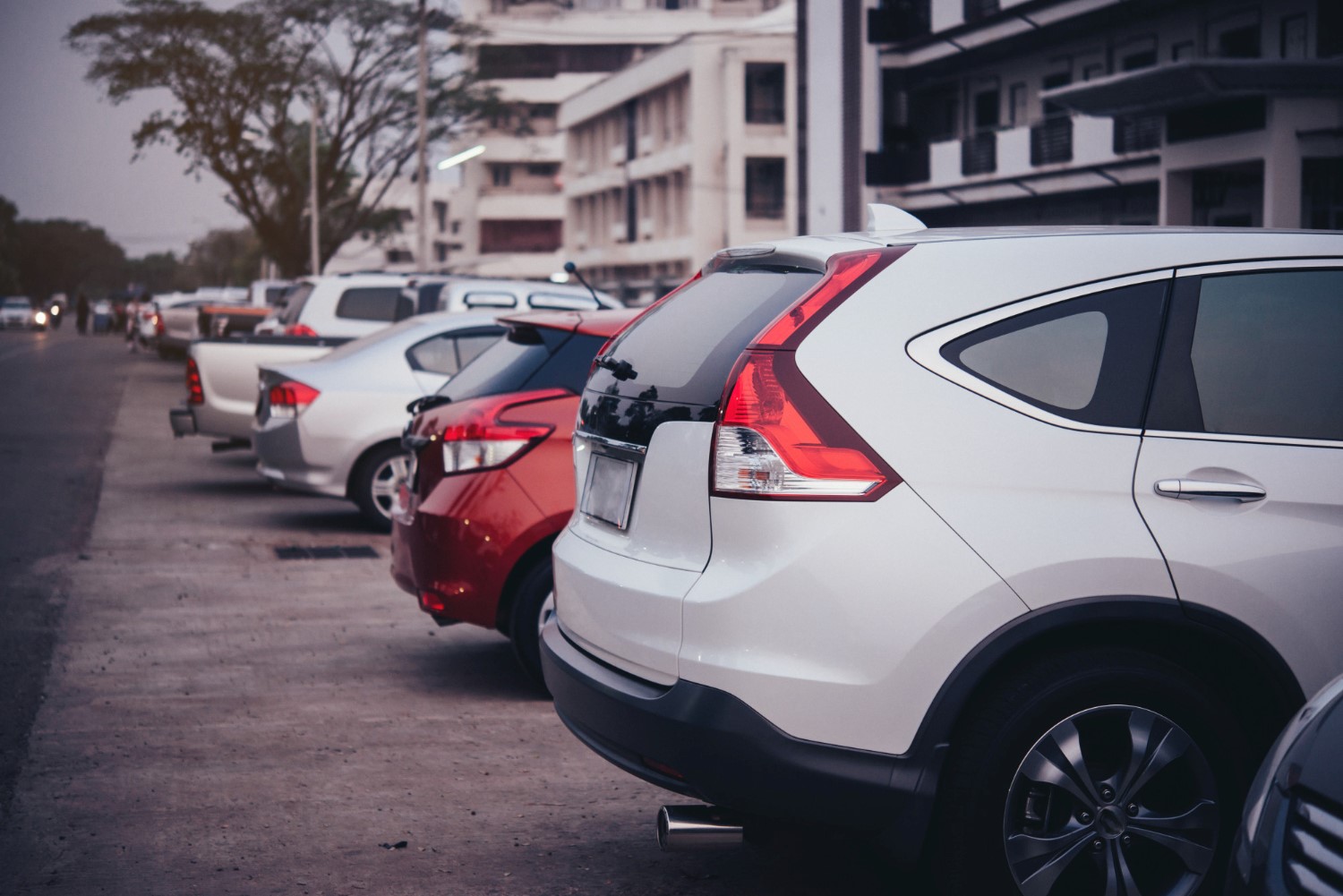
Long highway journeys test both man and machine in ways that daily city commutes never do. Your car becomes your sanctuary for hours, making comfort and reliability absolutely critical for a pleasant journey. With India recording over 4.5 lakh road accidents in 2025, choosing the right vehicle is paramount.
The best car for long distance driving must balance multiple factors: ergonomic seating that prevents fatigue, fuel efficiency to reduce stops, safety features for highway speeds, and reliability across varied terrains. This guide breaks down everything you need to know about selecting and preparing the perfect vehicle for your next adventure.
Why Choosing the Right Car for Long Distance Driving Matters?
Selecting the right vehicle for highway journeys directly impacts your safety, comfort, and overall travel experience. The wrong choice can turn an exciting road trip into a painful ordeal, while the right car transforms long drives into enjoyable adventures.
Importance of Comfort and Ergonomics
Physical comfort becomes paramount during extended driving sessions. Poor ergonomics cause muscle strain, back pain, and driver fatigue—all dangerous on highways. The best comfortable car for long distance driving features adjustable seats with proper lumbar support, adequate legroom, and armrests positioned correctly.
Key comfort features include:
- Seat adjustability: Multiple adjustment points for optimal driving position
- Lumbar support: Maintains natural spine curvature during long hours
- Cabin space: Sufficient headroom and legroom for all occupants
- Climate control: Effective air conditioning with rear vents
- Flat rear floor: Comfortable seating for middle passengers
Real-world testing shows cars with flat rear floors, supportive seats, and excellent cabin insulation provide superior long-distance comfort. The monotony of highway driving becomes manageable when your body remains comfortable throughout the journey.
Fuel Efficiency and Driving Range
Highway fuel consumption directly affects your travel budget and convenience. Frequent fuel stops interrupt journey flow and add unnecessary time to trips. Efficient engines reduce both costs and environmental impact while extending your driving range.
Top mileage performers for highway driving:
|
|
|
|
|
|
|---|---|---|---|---|
| Maruti Suzuki Ciaz | Petrol | 20–20.3 kmpl | 43L | 860 km |
| Honda City Hybrid | Petrol-Electric | 26.5 kmpl | 40L | 1,060 km |
| Mahindra XUV700 Diesel | Diesel | 17 kmpl | 60L | 900 km |
| Toyota Innova Hycross | Hybrid | 16–23.1 kmpl | 52L | 1,206 km |
Disclaimer: The data are indicative and subject to change. Please verify with the manufacturer/dealer.
The difference between 15 kmpl and 25 kmpl becomes significant over 1,000 kilometres—that's 27 fewer litres of fuel needed, saving approximately ₹2,700 at current fuel prices.
Safety Features Essential for Long Drives
Highway speeds amplify the consequences of accidents, making safety features absolutely critical. Over speeding accounted for 68.1% of road deaths in India in 2023, highlighting the need for comprehensive safety systems.
Essential safety features include:
- Six airbags minimum: Protection for all occupants
- Electronic Stability Control (ESC): Prevents skidding and rollovers
- Anti-lock Braking System (ABS): Maintains steering control during emergency braking
- ISOFIX child seat mounts: Secure attachment points for child seats
- High-strength steel body: Better crash protection
Modern cars must meet new safety regulations requiring dual front airbags as standard. However, the best car for long distance driving exceeds minimum requirements with comprehensive safety packages.
Reliability and Durability on Varied Terrains
Indian highways present unique challenges: sudden weather changes, varying road quality, and limited service infrastructure in remote areas. Vehicle reliability becomes crucial when the nearest mechanic is hundreds of kilometres away.
Reliability factors to consider:
- Build quality: Robust construction for rough roads
- Ground clearance: Adequate height for speed breakers and potholes
- Service network: Widespread dealer presence across India
- Spare parts availability: Easy access to common replacement parts
- Track record: Proven performance in Indian conditions
Cars with established service networks and strong reliability records provide peace of mind during long journeys through unfamiliar territories.
Key Features to Look for in a Long Distance Car
Modern, comfortable cars for long drives incorporate specific design elements that reduce fatigue and enhance the overall journey experience. Understanding these features helps you make informed decisions when selecting your ideal highway companion.
Spacious Cabin and Seating Comfort
The interior space directly impacts passenger comfort during extended travel. The best comfortable cars for long distance driving prioritise both front and rear passenger comfort with thoughtful design elements.
Here's a look at critical space and comfort features:
|
|
|
|
|---|---|---|
| Front Seat Adjustment | High | 8-way power adjustment minimum |
| Rear Legroom | High | 900mm+ for adult comfort |
| Boot Space | Medium | Good capacity for weekend trips |
| Rear AC Vents | High | Individual temperature control |
| Armrests | Medium | Adjustable front and rear |
Premium models offer ventilated seats with heating and cooling functions, massage features, and memory settings. These luxury touches significantly improve comfort during long journeys, especially in India's varied climate conditions.
Smooth Ride Quality and Noise Levels
Highway driving exposes passengers to continuous road noise and vibrations. Superior ride quality and noise insulation create a serene cabin environment that reduces fatigue and allows conversation without shouting.
Ride quality factors:
- Suspension tuning: Balanced setup for comfort and stability
- Sound deadening: Advanced materials to block road and wind noise
- Acoustic glass: Specialised windscreen and windows for noise reduction
- Engine isolation: Minimal vibration transmission to the cabin
- Tyre noise: Low-profile tyres with noise-reducing compounds
Cars with adaptive suspension systems automatically adjust damping based on road conditions, providing optimal comfort across varied terrain types.
Cargo Space and Storage Solutions
Long-distance travel requires adequate storage for luggage, supplies, and emergency equipment. Practical storage solutions enhance convenience while maintaining passenger comfort.
|
|
|
|
|---|---|---|
| Compact Sedan | 378–400L | Door pockets, centre console |
| Mid-size Sedan | 528L | Rear armrest storage |
| Compact SUV | 200–350L | Roof rails, under-floor storage |
| Full-size SUV | 587L | Third-row folding, multiple compartments |
| MPV | 300–500L | Flexible seating configurations |
Disclaimer: The above data is indicative and subject to change. Please verify with the manufacturer/dealer.
Smart storage solutions include under-seat drawers, multiple cup holders, phone storage areas, and flexible cargo configurations that adapt to different travel needs.
Advanced Driver Assistance Systems (ADAS)
ADAS technology reduces driver workload and improves safety during long highway stretches. These systems help maintain alertness and prevent accidents caused by fatigue or momentary lapses in attention.
Key ADAS features for highway driving:
- Adaptive Cruise Control: Maintains a safe following distance automatically
- Lane Keep Assist: Prevents unintentional lane departures
- Forward Collision Warning: Alerts to potential front-end collisions
- Blind Spot Detection: Monitors areas not visible in mirrors
- Driver Attention Monitoring: Detects fatigue signs and suggests breaks
Affordable ADAS-equipped cars like the Mahindra XUV 3XO now offer Level 2 autonomous features, making advanced safety accessible to more buyers.
Maintenance and After-Sales Service
Reliable service support becomes critical when travelling far from home. Strong dealer networks and readily available spare parts ensure quick resolution of any issues that arise during your journey.
Service network considerations:
- Dealer density: Presence in major cities and highway towns
- Service intervals: Longer intervals reduce maintenance frequency
- Parts availability: Common components stocked at most locations
- Emergency support: 24/7 roadside assistance cover programmes
- Service costs: Transparent pricing and reasonable rates
Manufacturers with extensive Indian operations typically offer better service support compared to newer entrants with limited networks.
Top Cars Recommended for Long Distance Driving
The Indian market offers excellent options across all segments for highway enthusiasts. Each category serves different needs while delivering the comfort and reliability essential for long-distance travel.
Sedans: Honda City, Skoda Octavia, Maruti Suzuki Ciaz
Sedans remain the traditional choice for highway comfort, offering the perfect balance of space, efficiency, and driving dynamics for long journeys.
- Honda City: The car leads the segment with exceptional refinement and comfort features. Its flat rear floor eliminates the centre tunnel, providing comfortable seating for three rear passengers. The fifth-generation model earned five-star ASEAN NCAP ratings and includes Honda Sensing ADAS with adaptive cruise control and lane-keeping assist.
- Maruti Suzuki Ciaz: The car offers unmatched value for budget-conscious buyers seeking sedan comfort. The mild-hybrid petrol engine delivers excellent highway mileage, while the spacious 510-litre boot handles extended trip luggage requirements.
- Skoda Octavia: The premium car features a solid build quality and high-speed stability. Its refined TSI engines provide strong highway performance while maintaining reasonable fuel efficiency.
Sedan comparison:
|
|
|
|
|
|
|---|---|---|---|---|
| Honda City | ₹11.95 - 16.07 lakh | 1.5L Petrol/Hybrid | 18.4 kmpl | 506L |
| Maruti Suzuki Ciaz | ₹9.9 - 12.04 lakh | 1.5L Petrol | 20.65 kmpl | 510L |
| Skoda Octavia | ₹27.35 - 30.45 lakh | 1984cc | 15.81 kmpl | 521L |
Disclaimer: Prices are indicative and subject to change. Please verify with the manufacturer/dealer.
MPVs: Toyota Innova Crysta, Kia Carnival, Maruti Suzuki Ertiga
MPVs excel at family road trips with three-row seating and impressive passenger comfort across all rows.
- Toyota Innova Crysta: The car sets the benchmark for MPV reliability and comfort. Its robust diesel engine delivers strong highway performance while maintaining excellent fuel efficiency. Toyota's legendary durability ensures trouble-free operation across diverse terrains.
- Kia Carnival: The car brings hybrid efficiency to the MPV segment with its 2.2-litre strong-hybrid system, achieving 14.85 kmpl. The quiet operation and seamless e-CVT transmission reduces driver fatigue during long journeys.
- Maruti Suzuki Ertiga: The car offers the most affordable entry into the MPV segment while maintaining decent comfort levels and excellent fuel economy for frequent highway travel.
SUVs: Mahindra XUV700, Toyota Fortuner, Hyundai Tucson, Tata Safari
SUVs provide commanding road presence, higher ground clearance, and robust build quality, The ideal for varied Indian road conditions.
- Mahindra XUV700: The car stands out as the best car for long distance driving in the SUV category. Its plush ride quality, spacious cabin, and composed highway behaviour make it ideal for extended journeys. The top variants include comprehensive ADAS features and achieved five-star Global NCAP ratings.
- Toyota Fortuner: The Toyota Fortuner is known for its powerful engine options, durable build quality, and strong road presence. Its high ground clearance and dependable performance make it suitable for highways as well as challenging terrains. Comfortable seating and excellent long-term reliability make it a preferred choice for long road trips.
- Hyundai Tucson: The Hyundai Tucson delivers a refined driving experience with smooth ride quality and a quiet, well-insulated cabin. It features modern technology, advanced safety systems including ADAS, and supportive seats that enhance comfort during extended drives. Its balanced suspension setup ensures confidence on highways.
- Tata Safari: The car combines rugged build quality with advanced safety features, including ADAS technology, making long-distance travel both safe and comfortable.
SUV specifications:
|
|
|
|
|
|
|
|---|---|---|---|---|---|
| Mahindra XUV700 | ₹13.66 - 23.71 lakh | 2.0L Petrol / Diesel | 182 bhp @ 3500 rpm | 13–17 kmpl | 5-star GNCAP |
| Hyundai Tucson | ₹27.32 - 35.46 lakh | 1997 cc - 1999 cc | 153.81 - 183.72 bhp | 18 kmpl | 4-star GNCAP |
Disclaimer: Prices are indicative and subject to change. Please verify with the manufacturer/dealer.
Luxury & Premium Picks: BMW 5 Series, Mercedes-Benz S-Class, Genesis G90
Premium vehicles offer uncompromising comfort with advanced technology for the ultimate long-distance luxury experience.
- Mercedes-Benz S-Class: The car sets global standards for luxury sedan comfort with its magic carpet-like ride quality and serene cabin environment. The E-Active Body Control suspension scans roads ahead and proactively adjusts for optimal comfort.
- BMW 5 Series: The car combines modern luxury with balanced ride quality through adaptive air suspension. The Theatre Screen system transforms rear seats into a cinema-like experience for passengers.
Comparing Cars by Key Parameters
Understanding how different vehicles compare across critical parameters helps narrow down choices based on your specific priorities and requirements.
Fuel Efficiency and Mileage Insights
Real-world fuel efficiency varies significantly from manufacturer claims. Highway driving typically delivers better mileage than city conditions due to steady speeds and reduced stop-start cycles.
- Hybrid leaders: Maruti Suzuki Grand Vitara achieves 27.97 kmpl with intelligent electric hybrid technology
- Petrol champions: Maruti Suzuki Celerio offers best-in-class 24–26 kmpl efficiency
- Diesel performers: Mahindra XUV700 diesel maintains 15–16.57 kmpl real-world highway efficiency
Factors affecting real-world mileage:
- Driving style and speed consistency
- Vehicle load and passenger count
- Terrain and weather conditions
- Maintenance quality and tyre pressure
- Air conditioning usage
Pricing and Value for Money
The Indian automotive market spans from affordable family cars to premium luxury vehicles, each offering different value propositions for long-distance travel.
Price category breakdown:
|
|
|
|
|
|---|---|---|---|
| Budget | ₹6 - 10 lakh | Maruti Suzuki Celerio | Excellent fuel efficiency, low maintenance, ideal for everyday use and city-to-highway cruising |
| Mid-range | ₹10 - 20 lakh | Maruti Suzuki Grand Vitara | Good balance of features, comfort, ride quality and fuel economy for long distances |
| Premium | ₹15 - 30 lakh | Mahindra XUV700 | Strong feature list (ADAS, infotainment), spacious cabin and confident highway performance |
Disclaimer: Prices are indicative and subject to change. Please verify with the manufacturer/dealer.
Total cost of ownership includes fuel, maintenance, insurance, and depreciation. Value-focused buyers should consider long-term costs alongside purchase price.
Cargo and Passenger Capacity
Space utilisation varies significantly between vehicle types, affecting suitability for different travel scenarios.
Capacity comparison:
- Sedan leaders: Maruti Suzuki Ciaz offers 510L boot space matching premium vehicles
- SUV practicality: Mahindra XUV700 provides flexible cargo configurations
- MPV supremacy: Toyota Innova Crysta maximises passenger and cargo space
Seating configurations range from 5-seater sedans to 7-seater MPVs and SUVs, with some models offering 6-seater layouts for enhanced middle-row comfort.
Safety Ratings and Features
Global and Indian safety testing provides an objective assessment of crash protection and safety feature effectiveness.
Five-star safety achievers:
- Honda excellence: Honda City earned a 5-star ASEAN NCAP rating
- Mahindra progress: Mahindra XUV700 secured a 5-star Global NCAP rating
Mandatory safety features now include dual front airbags, ABS with EBD, and rear parking sensors. Premium models add side airbags, curtain airbags, and comprehensive ADAS suites.
Tips for Preparing Your Car and Yourself for Long Drives
Proper preparation ensures safe, comfortable journeys while minimising breakdown risks and maximising enjoyment of your highway adventure.
Pre-Trip Vehicle Maintenance Checklist
Systematic pre-trip inspection identifies potential issues before they become roadside emergencies. Follow manufacturer service schedules, typically every 10,000 kilometres or six months for Indian conditions.
Essential checks include:
- Tyre inspection: Check pressure, tread depth, and sidewall condition
- Fluid levels: Engine oil, coolant, brake fluid, and windscreen washer
- Battery health: Test voltage and clean terminals
- Brake system: Inspect pads, discs, and brake fluid level
- Lights and indicators: Verify all lighting functions are working properly
- Emergency equipment: Spare tyre, jack, and basic tools
Engine oil should be between the minimum and maximum marks on the dipstick. Change oil if due within your trip duration to avoid service interruptions.
Planning Rest Stops and Staying Alert
Driver fatigue contributes significantly to highway accidents. Plan regular breaks every 2-3 hours to maintain alertness and prevent monotony-induced drowsiness.
Fatigue prevention strategies:
- Adequate rest: Get a full night's sleep before departure
- Regular breaks: Stop every 200–300 kilometres for 15–20 minutes
- Hydration: Keep water bottles accessible for all passengers
- Driver rotation: Share driving duties on long journeys
- Recognition: Watch for fatigue warning signs and respond immediately
Route planning should identify safe rest areas, fuel stations, and meal stops along your intended path.
Packing Essentials for Comfort and Safety
Smart packing enhances comfort while ensuring emergency preparedness. Essential items include a first-aid kit, torch, jumper cables, and basic tools for minor repairs.
Comfort items:
- Entertainment: Music playlists, audiobooks, games for passengers
- Snacks: Non-perishable foods and beverages
- Comfort aids: Pillows, blankets, neck supports
- Documentation: Driving licence, registration, insurance papers
- Communication: Mobile chargers and emergency contact numbers
Emergency kit contents:
- Tyre repair kit and inflator
- Reflective triangles and torch
- First-aid supplies and medications
- Basic tools and duct tape
- Tow rope and jumper cables
Emergency Preparedness and Safety Gear
Highway emergencies require immediate response with proper equipment. Comprehensive emergency kits save time and potentially lives during critical situations.
Emergency preparedness includes:
- Fuel management: Start with a full tank, refuel at half capacity
- Weather monitoring: Check forecasts and road conditions
- Route sharing: Inform family/friends of travel plans and timing
- Emergency contacts: Keep roadside assistance numbers readily available
- Alternative routes: Know backup paths in case of road closures
Quality fuel from company-owned stations ensures reliability, especially in remote areas where fuel quality may vary.
Your Road to Smart Car Insurance Coverage
Long-distance driving increases exposure to various risks, making comprehensive car insurance absolutely essential for protecting your investment and ensuring peace of mind during highway journeys.
Royal Sundaram General Insurance understands the unique needs of long-distance drivers and offers comprehensive car insurance solutions designed for Indian road conditions. Our coverage includes own damage protection, unlimited liability coverage, and personal accident add-on coverage for you, your driver, and all occupants. With a high claim settlement ratio, Royal Sundaram ensures you're protected wherever your journey takes you.
Key benefits for highway travellers include:
- Nationwide coverage: Protection across India's diverse terrains and conditions
- Roadside assistance add-on: 24/7 emergency support when you need it most
- Cashless repairs: Access to 8,000+ garages across India for hassle-free service
- Zero depreciation add-ons: Full value protection for your vehicle investment
Frequently Asked Questions
The best car for long distance driving depends on your specific needs, but top choices include the Mahindra XUV700 for SUV preference, the Honda City for sedan comfort, and the Toyota Innova Crysta for family travel. These models excel in comfort, fuel efficiency, safety features, and reliability across Indian road conditions.
SUVs offer advantages like higher ground clearance, commanding driving position, and better rough road capability, while sedans typically provide superior fuel efficiency and smoother highway ride quality. Choose based on your route terrain and passenger requirements—SUVs for varied conditions, sedans for primarily highway travel.
Prioritise ergonomic seating with proper lumbar support, ensure adequate legroom and headspace, choose vehicles with effective climate control and noise insulation, take regular breaks every 2-3 hours, and maintain proper driving posture. Comfortable cars for long drives should have adjustable seats and a smooth ride quality.
Essential safety features include six airbags minimum, Electronic Stability Control (ESC), Anti-lock Braking System (ABS), ISOFIX child seat mounts, and high-strength steel body construction. Advanced Driver Assistance Systems (ADAS) like adaptive cruise control and lane-keeping assist provide additional highway safety benefits.
Yes, fuel efficiency significantly impacts travel costs and convenience by reducing fuel stops and extending driving range. Efficient vehicles like hybrid models achieving 25+ kmpl can save thousands of rupees on long journeys compared to less efficient alternatives, while also reducing environmental impact.
Take breaks every 2-3 hours or 200-300 kilometres to prevent driver fatigue and maintain alertness. Use breaks to stretch, hydrate, check vehicle condition, and assess your alertness level. Rotate drivers if possible and never continue driving when feeling drowsy or fatigued.
Check tyre pressure and condition, verify all fluid levels including engine oil and coolant, test battery voltage, inspect brake system, ensure all lights function properly, and pack emergency kit with spare tyre, tools, and first-aid supplies. Follow manufacturer service schedules and address any pending maintenance before departure.
Yes, hatchbacks can be suitable for long-distance driving, especially for solo travellers or small families. While they may offer less space and power compared to sedans or SUVs, models like the Honda Jazz provide comfortable seating, good fuel efficiency, and smooth city-to-highway performance.


Discover the perfect insurance plan for you!
Get your free quote now!
Get StartedBy Clicking on Get Started, You agree to our Terms and Conditions and override DNC/NDNC registration.
More like this
View more

.png)