
You have been Successfully Subscribed to Newsletter


Best Car Under ₹30 Lakh: Top Models and Features
Apr 09, 2026 • 10 Min Read
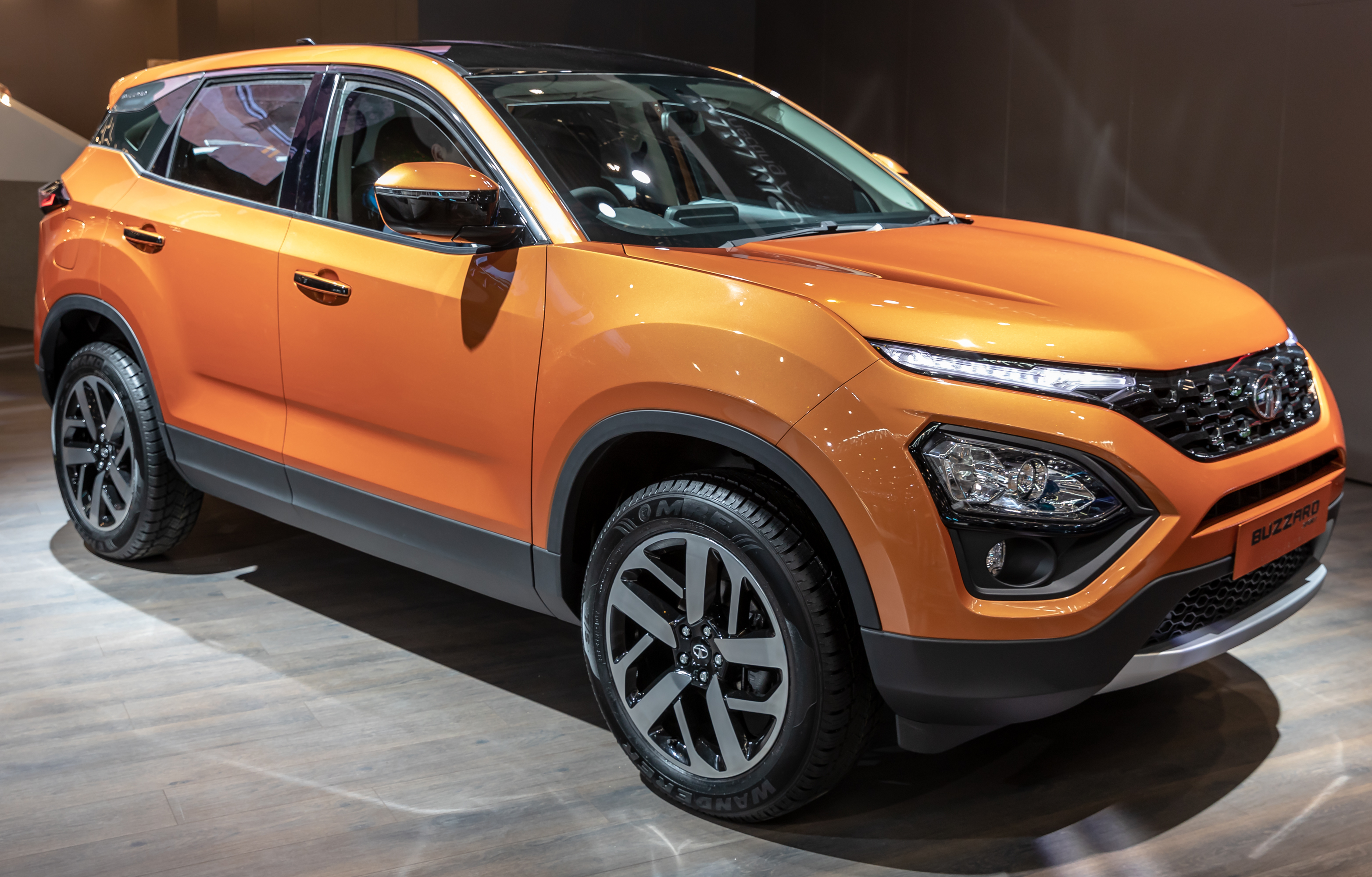
India's automotive market has reached a remarkable milestone, with sales hitting 1.1 million units in 2025. This surge reflects the growing aspirations of Indian families seeking vehicles that combine safety, comfort, and modern features. The best car under ₹30 lakh segment has become particularly attractive, offering premium features once reserved for luxury vehicles.
Finding the top car under ₹30 lakh requires understanding market trends, safety standards, and long-term ownership costs. This guide examines the most compelling options available today, helping you make an informed decision that suits your lifestyle and budget perfectly.
Overview of Cars Under ₹30 Lakh
The ₹30 lakh price segment represents a sweet spot in India's automotive market, offering advanced safety features, premium interiors, and cutting-edge technology. This segment bridges the gap between mainstream and luxury vehicles, providing exceptional value for discerning buyers.
Market Trends and Popular Segments
The Indian automotive landscape has witnessed a dramatic transformation in recent years. SUVs now command 60% of the market share in September 2025, a significant jump from 53.8% in 2024. This shift reflects changing consumer preferences towards higher seating positions, better road presence, and increased safety. The market dynamics show clear preferences across different segments:
|
|
|
|
|---|---|---|
| SUVs | 32.4% | 53.1% |
| Hatchbacks | 41.9% | 23.0% |
| Sedans | 14.1% | 7.9% |
This growth is driven by improved road infrastructure, rising disposable incomes, and the desire for versatile vehicles suitable for Indian conditions.
The top six manufacturers—Maruti, Hyundai, Tata, Toyota, Kia, and Mahindra—control 93.4% of total dispatches, indicating strong brand loyalty and market consolidation.
Why Choose a Car Under ₹30 Lakh?
The best car to buy under ₹30 lakh offers several compelling advantages:
|
|
|
|---|---|
| Advanced safety tech (ADAS, 6 airbags, strong crash structures) | Enhances occupant protection and reduces accident risk. |
| Wide variety of body types (SUVs, sedans, EVs, hybrids) | Lets buyers pick a car that fits lifestyle and usage needs. |
| Better performance options (turbo-petrol, efficient diesel engines) | Provides stronger acceleration and better drivability. |
| Higher ride comfort (premium interiors, spacious cabins, tuned suspension) | Improves long-distance travel quality and daily usability. |
| Modern infotainment (large touchscreens, connected tech, premium audio) | Delivers a more engaging and convenient in-car experience. |
| Strong resale value | Popular models retain value better over time. |
| Financial advantage (15.85% CAGR for ₹12 lakh+ segment from 2025–2030) | Indicates high demand, aspirational buying, and better long-term value. |
Top Car Models Under ₹30 Lakh
The current market offers diverse options across multiple segments, each catering to specific needs and preferences.
Sedans
Sedans are cars with a three-box design offering comfort, boot space, and refined city–highway performance. Top choices are:
|
|
|
|---|---|
| Volkswagen Virtus | ₹11.16 L onwards |
| Skoda Slavia | ₹9.9 L onwards |
| Hyundai Verna | ₹10.69 L onwards |
| Honda City | ₹11.95 L onwards |
| Maruti Suzuki Dzire | ₹6.25 L onwards |
Disclaimer: The prices mentioned here are ex-showroom prices and vary based on cities.
SUVs and Crossovers
SUVs/crossovers are spacious, high riding vehicles offering versatility, comfort, and strong performance for city and highway drives.
|
|
|
|---|---|
| Hyundai Creta | ₹10.72 L onwards |
| Mahindra XUV700 | ₹13.66 L onwards |
| Tata Harrier | ₹13.99 L onwards |
| Mahindra Scorpio N | ₹13.20 L onwards |
| Volkswagen Taigun | ₹10.58 L onwards |
Disclaimer: The prices mentioned here are ex-showroom prices and are subject to change.
Hatchbacks and Compact Cars
Interestingly, no hatchback cars are currently available in the ₹20-30 lakh price range. Most compact cars are priced well below ₹15 lakh.
|
|
|
|---|---|
| Hyundai i20 | ₹10-11 L |
| Tata Altroz | ₹6.30 L onwards |
| Maruti Suzuki Baleno | ₹5.99 L- ₹9.10 L |
| Maruti Suzuki Swift | ₹5.98 L onwards |
| Tata Tiago | ₹4.5 L onwards |
Disclaimer: The prices mentioned here are ex-showroom prices and are subject to change.
Detailed Comparison of Features
Top cars under ₹30 lakh offer sophisticated features that were unimaginable in this price range just a few years ago.
Performance and Engine Options
Cars under ₹30 lakh offer petrol, diesel, hybrid, and electric powertrains with outputs from around 89 to 296 HP (horsepower). Options include manual and automatic gearboxes, plus occasional all-wheel drive (AWD). This variety balances performance, efficiency, and versatility for different driving needs.
Fuel Efficiency and Running Costs
Petrol cars usually deliver 16–20 km/l, diesels 18–25 km/l, and EVs offer 300–450 km per charge. Running costs depend on fuel, maintenance, and usage, with EVs generally cheapest due to lower servicing needs and electricity costs.
Safety Features and Ratings
Most models include airbags, Anti-lock Braking System (ABS), Electronic Brakeforce Distribution (EBD), Electronic Stability Control (ESC), and parking aids. Higher trims add ADAS features like lane assist and Autonomous Emergency Braking (AEB). Many cars in this segment earn strong Global NCAP ratings, ensuring good structural integrity and occupant safety.
Interior and Comfort
Cabins use better materials, offer spacious seating, and include features like climate control, ventilated seats, and ambient lighting. Panoramic sunroofs and powered seats in higher variants enhance comfort, delivering a near-premium in-car experience.
Infotainment and Technology
Large touchscreens with Android Auto/Apple CarPlay, connected-car tech, and premium audio systems are common. Features like digital clusters, heads-up displays, and voice assistants improve convenience and modernise the driving experience in this segment.
Pricing and Variants
Understanding pricing structures and variant differences helps optimise your purchase decision. On-road prices vary significantly across states due to different tax structures and registration fees.
On-road Prices Across Major Cities
State-specific RTO and road tax can range from 8 to 18% of the ex-showroom price. Here is the price components breakdown:
- Ex-showroom price (base cost).
- Road tax (8-18% of ex-showroom price).
- Registration charges (varies by state).
- Insurance premium (third party is mandatory).
- Handling charges (dealer fees).
Available Variants and Their Differences
Most cars in this segment offer 4-6 variants with different feature levels.
|
|
|
|
|
|
|---|---|---|---|---|
| Base / Entry | Petrol or diesel, manual gearbox | Basic infotainment, halogen lamps, fabric seats | Dual airbags, ABS, rear sensors | Manual AC, limited connectivity |
| Mid / Mid‑Plus | More engine choices, MT / AT | Touchscreen, alloy wheels, better upholstery | Additional airbags, ESC | Auto AC, rear camera, smartphone integration |
| Upper Mid | Higher‑output engines, AT options | Larger touchscreen, LED lighting, improved interiors | 4–6 airbags, TPMS | Cruise control, connected features |
| Top / Tech Pack | Flagship powertrains | Luxury features, branded audio | ADAS Level 2 (model dependent) | HUD, 360° camera, OTA updates |
Ownership Experience
Long-term ownership costs significantly impact the total cost of ownership, making it crucial to understand maintenance, depreciation, and service network quality before purchasing.
Maintenance Costs and Service Network
A well-maintained car range from ₹18,000–₹25,000 a year for a ₹10 lakh car.
- Annual service cost: ₹6,000-10,000 (first few years)
- Cost per kilometre: ₹0.40 (petrol), ₹0.65 (diesel)
Service network quality varies between manufacturers, with established brands like Maruti, Hyundai, and Tata offering extensive coverage across India.
Resale Value and Depreciation
Cars lose about 20% value in the first year and around 50% in five years. By the end of 10 years, depreciation can reach 70% or more. Depreciation timeline:
- First year: 20-40% value loss
- Five years: 50% value retention
- Ten years: 30% or less value retention
Factors affecting resale value include brand reputation, service network, fuel type, and model popularity.
Warranty and After-sales Support
Most manufacturers offer 3-5 year standard warranties, with extended warranty options available at additional cost. Service quality varies significantly between brands, with customer satisfaction ratings playing a crucial role in long-term ownership experience.
How to Choose the Right Car Under ₹30 Lakh
Selecting the right vehicle requires careful assessment of your specific needs, usage patterns, and priorities. A systematic approach ensures you get maximum value from your investment.
Assessing Your Needs and Usage Patterns
Your annual driving distance significantly impacts the ideal fuel type choice. For less than 10,000 km per year, choose petrol; for 15,000-20,000 km per year, diesel saves ₹2-3 lakh over 5 years. For more than 20,000 km annually, diesel is highly recommended.
- Urban Commuting: Petrol or hybrid for stop-go traffic.
- Highway Driving: Diesel for better fuel economy.
- Mixed Usage: Consider hybrid options for best efficiency.
- Weekend Driving: Petrol engines offer lower maintenance.
Prioritising Features vs Budget
Car costs should not exceed 25% of monthly income to maintain healthy finances. Prioritise must-have features over nice-to-have additions to stay within budget while meeting essential needs:
- Safety features (non-negotiable)
- Reliability and service network (long-term peace of mind)
- Fuel efficiency (ongoing cost impact)
- Comfort features (daily usage experience)
- Technology features (convenience and connectivity)
Test Drive Tips and Checklist
A comprehensive test drive should cover different driving conditions and scenarios. Test urban traffic, highway speeds, parking manoeuvres, and all major features during your evaluation. Your checklist must be:
- Engine responsiveness and smoothness.
- Transmission behaviour in traffic.
- Steering feedback and handling.
- Brake pedal feel and stopping power.
- Cabin noise levels at various speeds.
- Infotainment system usability.
- Seat comfort during extended driving.
- Visibility from all angles.
Securing Your Investment with Royal Sundaram
Cars under ₹30 lakh deliver strong value with modern safety, comfort, and technology. SUVs lead the market, while hybrids and premium sedans add efficiency and refinement. With rising car sales and accessible insurance options, this segment offers feature-rich, future-ready choices ideal for families seeking safe, reliable, and cost-efficient ownership.
If you are buying a car under ₹30 lakh, it is still an investment which requires comprehensive insurance coverage. Royal Sundaram Car Insurance offers tailored motor insurance solutions designed specifically for premium vehicles in this segment.
With a high claim settlement ratio and over 7600+ cashless garages across India, Royal Sundaram ensures your vehicle receives proper protection and prompt service when needed.
FAQs
Popular options include Mahindra XUV700, Tata Harrier, MG Hector, Hyundai Alcazar, and Toyota Hyryder. They offer strong performance, spacious cabins, multiple fuel choices, and features suited for families, highway touring, and occasional off-road use.
Yes, many models in this range are ideal for cities due to their compact design, smooth automatic transmissions, fuel-efficient engines, and advanced parking aids. Mid-size SUVs and sedans balance comfort, manoeuvrability, and visibility for daily urban commutes.
Expect annual expenses covering maintenance, insurance, fuel, and occasional repairs. For this segment, combined yearly costs fall between moderate and slightly premium levels depending on usage, fuel type, and whether the vehicle is petrol, diesel, or hybrid.
Models from Toyota, Mahindra, Hyundai, and Maruti Suzuki generally retain strong resale value. High demand, reliable engines, good mileage, and wide service networks keep depreciation lower, making these brands safer long-term ownership choices.
Petrol suits city driving with smoother operation and lower upfront cost, while diesel benefits frequent highway users due to superior mileage and torque. Consider environmental regulations, usage patterns, and long-term running costs before choosing between the two.
Yes, most models offer ABS, multiple airbags, ESC, hill-hold assist, and rear sensors. Higher variants include ADAS, 360° cameras, and blind-spot monitoring. These features improve crash protection and everyday driving safety significantly.
Yes, options like the Tata Nexon EV, MG Comet EV, and Tata Punch.ev fall within this budget. They offer low running costs, government incentives, and practical range for daily driving, though charging infrastructure should be considered.
Buyers can opt for bank loans, NBFC financing, pre-approved offers, and dealership schemes with flexible EMIs. Competitive interest rates, 10–20% down payments, and longer tenures help simplify purchase decisions and reduce initial financial burden.


Discover the perfect insurance plan for you!
Get your free quote now!
Get StartedBy Clicking on Get Started, You agree to our Terms and Conditions and override DNC/NDNC registration.
More like this
View more


.png)