
You have been Successfully Subscribed to Newsletter


Best Mileage Cars in India for Fuel Efficiency
Apr 22, 2026 • 10 Min Read
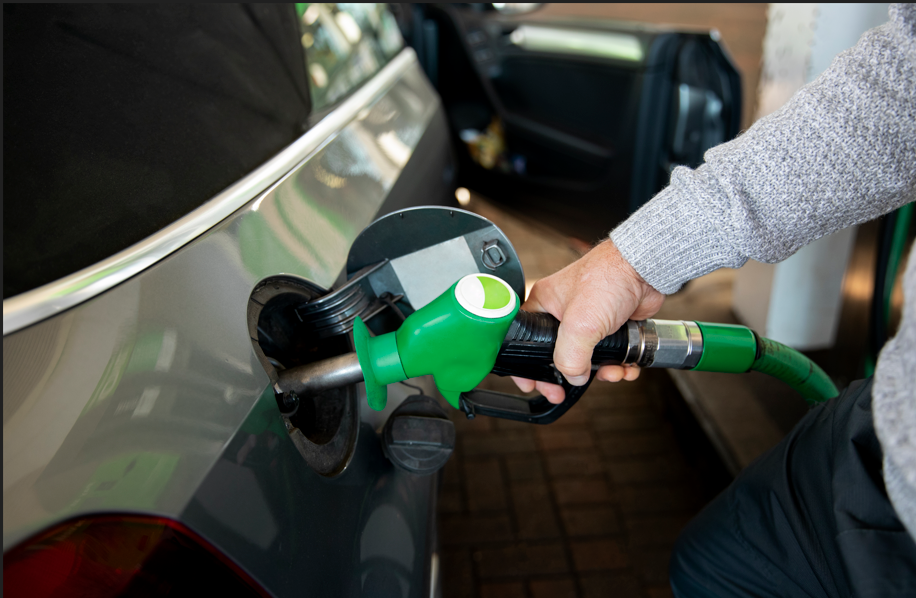
Rising fuel prices and environmental concerns make high fuel efficiency cars in India more important than ever. Indian families spend a good amount monthly on fuel, making efficient vehicles crucial for household budgets.
India's automobile sales recorded an 11.6% increase in 2024, reaching an all-time high of 2.5 crore units, showing tremendous growth in vehicle adoption. This guide explores the best mileage cars in India across all fuel types, helping you make informed decisions for maximum fuel efficiency.
Understanding Mileage: ARAI vs Real-World
Mileage measurement in India follows standardised testing protocols, but real-world performance often differs significantly from official ratings.
What Does Mileage Mean in India?
In India, mileage refers to the distance a vehicle travels per unit of fuel consumed. The Automotive Research Association of India (ARAI) serves as the official testing body, providing certified fuel efficiency figures for every car model sold in the country.
Mileage measurements vary by fuel type:
- Petrol/Diesel: Kilometres per litre (kmpl)
- CNG: Kilometres per kilogram (km/kg)
- Electric: Kilometres per kilowatt-hour (km/kWh)
ARAI conducts standardised tests under controlled laboratory conditions to ensure consistent measurement across all vehicles.
Difference Between ARAI Certified and Real-World Mileage
Real-world mileage typically falls 3-5 kmpl below ARAI certified figures for petrol cars. ARAI tests occur in controlled environments without real-world variables like traffic congestion, varied road surfaces, or climate conditions.
Popular models show significant variations between claimed and actual performance:
|
|
|
|
|---|---|---|
| Maruti Suzuki Swift | 24+ kmpl | 18-20 kmpl |
| Maruti Suzuki Swift Dzire | 24.1 kmpl | 17-18 kmpl |
| Tata Altroz | 26.49 kmpl | 20-22 kmpl |
Disclaimer: Verify current mileage figures with manufacturers as specifications are indicative.
Highway driving often delivers better results than city conditions. Some vehicles like the Toyota Fortuner Legender 2WD diesel-automatic actually exceeded ARAI ratings, delivering 15.29 kmpl against a claimed 14.2 kmpl - nearly 7.7% improvement.
Factors Affecting Mileage: Driving Style, Road, Maintenance
Multiple factors influence your car with good mileage in India beyond manufacturer specifications.
Key factors affecting mileage:
- Traffic patterns: Stop-and-go city driving reduces efficiency by 20-30%
- Road quality: Poor surfaces increase engine workload
- Driving style: Aggressive acceleration and high speeds reduce mileage
- Vehicle load: Extra weight decreases fuel efficiency
- Maintenance: Poor servicing affects engine performance
- Tyre pressure: Under-inflated tyres increase rolling resistance
Regular maintenance, smooth driving techniques, and proper tyre care can help achieve closer-to-ARAI performance in real-world conditions.
Best Mileage Cars in India by Fuel Type
India's automotive market offers excellent fuel-efficient options across petrol, diesel, CNG, hybrid, and electric segments.
Top Petrol Mileage Cars
Maruti Suzuki dominates the petrol efficiency segment with advanced engine technologies. The Maruti Suzuki Celerio leads with 26.68 kmpl for AMT variants and 25.24 kmpl for manual transmissions, making it the most fuel-efficient petrol car available.
Leading petrol mileage performers:
|
|
|
|
|---|---|---|
| Maruti Suzuki Celerio | 26.68 kmpl | ₹4.70-6.73 lakh |
| Maruti Suzuki Grand Vitara Hybrid | 27.97 kmpl | ₹12-18 lakh |
| Maruti Suzuki Alto K10 | 24.39 kmpl | ₹3.99-5.96 lakh |
| Maruti Suzuki Baleno | 25.75 kmpl | ₹6.49-9.65 lakh |
Disclaimer: Prices are indicative and subject to change. Please verify with the manufacturer/dealer.
Best Diesel Mileage Cars
Diesel car availability has decreased due to emission norms, but remaining options still offer superior efficiency. The Tata Altroz diesel delivers 24.2 kmpl, providing excellent performance for highway-heavy driving patterns.
Leading CNG Mileage Cars
CNG vehicles show remarkable growth with CNG vehicle sales surging by 38% in FY 2024 to 940,000 units. The Maruti Suzuki Wagon R CNG leads efficiency charts with 34.05 km/kg ARAI-rated mileage.
Top CNG performers:
|
|
|
|
|---|---|---|
| Maruti Suzuki Wagon R CNG | 34.05 km/kg | Cheaper than petrol |
| Maruti Suzuki Alto K10 CNG | 33.85 km/kg | Significant savings |
| Maruti Suzuki Celerio CNG | 34.43 km/kg | Best budget option |
Disclaimer: Verify current mileage figures with manufacturers as specifications may vary.
With petrol costing ₹94.72 per litre and CNG priced at ₹75.09 per kilogram in Delhi, CNG offers substantial operational savings.
Popular Hybrid Models
Hybrid technology gains momentum with strong sales growth. Toyota commands 80% market share in India's hybrid segment, with unit sales reaching 26,460 between April-June 2025, showing 118% year-over-year growth.
Leading hybrid options:
- Maruti Suzuki Grand Vitara Hybrid: 27.97 kmpl
- Honda City Hybrid: 23.13 kmpl
- Toyota Camry Hybrid: 22+ kmpl
Electric Vehicles with High Efficiency
Electric vehicle adoption accelerates rapidly with EV sales reaching 1.95 million units in 2024, marking 27% year-over-year growth. The government supported over 18 lakh electric vehicles under the FAME II scheme, including 14.35 lakh e-2 wheelers and 22,644 e-4 wheelers.
While EVs represented only 2.5% of total car sales in 2024, this share quickly rises - reaching about 4% of monthly car sales by May 2025.
Top 15 Best Mileage Cars in India for 2026
The top mileage cars in India span multiple categories, from budget-friendly hatchbacks to premium hybrid SUVs. Each offers unique advantages for different driving needs and budget constraints.
Maruti Suzuki Celerio and Maruti Suzuki Alto K10 – Budget-Friendly High Mileage
These entry-level champions offer excellent efficiency without compromising essential features. The Maruti Suzuki Celerio provides 27.00 kmpl for petrol and 35.2 km/kg for CNG variants, while the Maruti Suzuki Alto K10 delivers 24.39 kmpl petrol efficiency.
Both models feature compact dimensions perfect for city driving, low maintenance costs, and strong resale values. CNG variants provide additional savings for high-mileage users.
Maruti Suzuki Wagon R and Maruti Suzuki Swift Dzire CNG – Family Hatchbacks & Sedans
The Maruti Suzuki Wagon R offers a spacious cabin design with 33.40 kmpl petrol and class-leading 37.5 km/kg CNG efficiency. Its high ground clearance and practical interior make it ideal for family use.
The Maruti Suzuki Swift Dzire remains India's most popular compact sedan, delivering 24.1 kmpl automatic and 23.5 kmpl manual transmission efficiency with premium interior features.
Tata Punch and Tata Altroz – Safety and Efficiency
Tata models combine safety credentials with fuel efficiency. The Tata Punch offers SUV styling with 26.00 kmpl petrol and 32.0 km/kg CNG variants, while the Tata Altroz provides 25.11 kmpl petrol, 30.5 km/kg CNG, and 24.2 kmpl diesel options.
Maruti Swift and Maruti Suzuki Baleno – Style with Economy
The Maruti Suzuki Swift delivers iconic design with 30.00 kmpl petrol and 35.2 km/kg CNG efficiency. Its balanced ride quality and strong brand equity ensure excellent resale values.
The Maruti Suzuki Baleno targets young buyers with sporty styling, offering 25.75 kmpl automatic and 24.8 kmpl manual efficiency within ₹6.49-9.65 lakh pricing.
Hyundai Venue and Hyundai Aura – Premium Features with Mileage
Korean engineering brings premium features to efficient packages. The Hyundai Venue provides 18 kmpl efficiency starting at ₹7.90 lakh, while the Hyundai Aura offers 19.7 kmpl petrol and 25.0 km/kg CNG variants. Both models feature longer service intervals and comprehensive warranty coverage.
Maruti Suzuki Grand Vitara and Honda City Hybrid – Hybrid SUV and Sedan Options
The Maruti Suzuki Grand Vitara hybrid delivers exceptional 27.97 kmpl efficiency with a 1.5-litre petrol-hybrid engine and e-CVT gearbox. Modern technology and a comfortable cabin make it a compelling SUV choice.
The Honda City Hybrid stands as India's most affordable hybrid sedan at ₹20.89 lakh, providing 27.1 kmpl efficiency with automatic mode switching between EV, hybrid, and engine operation.
Toyota Urban Cruiser Hyryder – Hybrid SUV Reliability
Priced between ₹16.81-20.19 lakh, the Toyota Urban Cruiser Hyryder offers 27.97 kmpl claimed efficiency with Toyota's renowned reliability. Sales crossed the 1 lakh milestone with 48,916 units dispatched in FY2024, ranking sixth among compact SUVs.
Maruti Suzuki Ertiga – 7-Seater Efficiency
The Maruti Suzuki Ertiga provides family-focused MPV practicality with CNG option availability. Its 7-seater configuration balances space requirements with fuel efficiency for larger families.
Luxury Hybrids & High Mileage Exotic Cars Overview
Premium segment options include the Toyota Camry Hybrid with a 2.5-litre petrol-electric powertrain delivering over 22 kmpl efficiency while maintaining luxury features and driving refinement.
Disclaimer: Prices are indicative and subject to change. Verify with the manufacturer/dealer.
Buying Guide: Choosing the Right Mileage Car in India
Selecting the perfect fuel-efficient vehicle requires careful consideration of your specific needs, driving patterns, and long-term ownership costs.
Assessing Your Daily Commute and Usage
Calculate your monthly driving distance and typical route conditions. City-heavy commuting favours CNG or hybrid options, while highway driving suits diesel or petrol variants.
Usage pattern considerations:
- Daily distance: Under 30 km favours petrol, above 50 km suits CNG/diesel
- Route type: City traffic benefits from hybrid technology
- Passenger needs: Family use requires adequate seating and boot space
Understanding Fuel Types and Cost-effectiveness
Maruti Suzuki maintains a commanding 69.72% CNG market share, reflecting strong consumer preference for cost-effective fuel options.
Fuel type comparison:
|
|
|
|
|---|---|---|
| Petrol | Low‑mileage users | Wide availability |
| CNG | High‑mileage city driving | 30–40% cost savings |
| Diesel | Highway‑heavy usage | Superior torque |
| Hybrid | Mixed driving conditions | Optimal efficiency |
Safety Features to Look for in Mileage Cars
Modern high fuel efficiency cars in India shouldn't compromise safety. Essential features include dual airbags, ABS with EBD, electronic stability programme (ESP), and strong crash test ratings.
Importance of Transmission Type: Manual vs Automatic vs AMT
Transmission choice significantly impacts both efficiency and driving comfort. Manual transmissions typically deliver slightly better mileage, while AMT options provide convenience without major efficiency penalties. CVT and hybrid systems often optimise engine operation for maximum efficiency across various driving conditions.
Resale Value and Maintenance Considerations
Strong resale value protects your investment long-term. Maruti Suzuki models consistently maintain higher resale percentages due to brand trust and service network availability.
How to Improve Your Car's Mileage
Maximising your vehicle's fuel efficiency requires proper driving techniques, regular maintenance, and smart operational choices. Simple changes can improve real-world mileage by 10-15%.
Driving Tips for Better Fuel Efficiency
Smooth, predictable driving patterns significantly improve fuel economy. Avoid aggressive acceleration and maintain steady speeds whenever possible.
Efficiency driving techniques:
- Maintain consistent speeds between 50–80 kmph
- Use cruise control on highways
- Anticipate traffic to avoid sudden braking
- Remove unnecessary weight from the vehicle
- Plan routes to avoid heavy traffic
Routine Maintenance and Tyre Care
Proper maintenance keeps your engine operating at peak efficiency. Regular servicing, clean air filters, and correct tyre pressure directly impact mileage performance.
Check tyre pressure monthly - maintaining correct tyre pressure can increase efficiency by up to 3%. Use manufacturer-recommended tyre pressures for optimal balance between efficiency and safety.
Role of Eco Mode and Speed Management
Modern vehicles feature Eco modes that optimise engine and transmission operation for maximum efficiency. These systems adjust throttle response and shift points to prioritise fuel economy. Speed management proves crucial - mileage typically peaks around 60-70 kmph and decreases significantly above 100 kmph due to increased aerodynamic drag.
Seasonal and Load Management
Hot weather increases air conditioning usage, reducing efficiency by 10-20%. Use vehicle ventilation systems wisely and park in shaded areas when possible. Remove roof racks, excess cargo, and unnecessary accessories that increase weight or aerodynamic drag.
Eco-Friendly and Future-Ready Options: CNG, Hybrid & EV Trends
India's automotive sector rapidly shifts towards cleaner technologies. Government policies, infrastructure development, and consumer awareness drive adoption of alternative fuel vehicles across all segments.
Growth of CNG Cars and Infrastructure in India
CNG infrastructure expands rapidly with stations projected to reach 8,750 by 2026, growing to 12,400 by end-FY2030. This growth supports wider CNG vehicle adoption across India.
CNG passenger vehicles reached 402,433 units with 32% year-on-year growth, demonstrating strong market acceptance. The India CNG vehicles market size is estimated at USD 10.38 billion in 2025 and is expected to reach USD 13.55 billion by 2029.
Hybrid Cars: Benefits & Popular Models
Hybrid technology offers immediate efficiency benefits without charging infrastructure dependency. Toyota leads with 81% market share, followed by Maruti Suzuki at 18% and Honda at 1%.
Benefits include reduced fuel consumption, lower emissions, and seamless operation without range anxiety concerns affecting pure electric vehicles.
Emergence of Electric Vehicles with Real-World Usage Insights
Electric vehicle momentum builds steadily with supportive government policies. The India electric vehicle market reached $54.41 billion in 2025, projecting growth to $110.7 billion by 2029 at 19.44% CAGR.
Government targets include 30% EV sales in private cars and 80% in two/three-wheelers by 2030, anticipating 80 million EVs on roads. Public charging infrastructure shows 8,885 stations installed from 9,332 sanctioned locations.
Protecting Your Investment: Why Consider Paint Protection for High Mileage Cars
High-mileage vehicles face increased exposure to road debris, weather elements, and environmental contaminants. Paint protection film (PPF) preserves your vehicle's appearance and resale value throughout extended ownership periods.
Understanding Paint Protection Film (PPF)
Paint protection film is a transparent, durable urethane coating applied to vehicle painted surfaces. Modern PPF features self-healing technology where minor scratches disappear when heat is applied to the film surface. This clear protective layer shields against stone chips, acid rain, road salt, and UV damage that commonly affect Indian road conditions.
Benefits of PPF for High Mileage Vehicles
Indian road conditions present unique challenges including dust, acid rain, unsafe surfaces, and debris that accelerate paint deterioration. PPF maintains vehicle appearance despite harsh environmental exposure.
Key PPF advantages:
- Corrosion protection: Guards against acid rain and environmental contaminants
- Scratch resistance: Self-healing properties repair minor damage
- UV protection: Prevents paint fading and oxidation
- Longevity: Properly maintained PPF lasts 7-10 years
Choosing the Right PPF for Indian Road Conditions
PPF installation costs range from ₹20,000 for basic coverage to ₹2,50,000 for premium full-vehicle protection. Vehicle size, film quality, and coverage area determine final pricing.
Disclaimer: Installation costs are indicative and may vary based on vehicle type and coverage area.
Your Path to Smart Car Protection
Choosing among the best mileage cars in India represents just the first step in smart vehicle ownership. Protecting your investment through comprehensive insurance coverage ensures financial security throughout your ownership journey. Royal Sundaram General Insurance provides comprehensive car insurance across our extensive 7600+ cashless garages across India.
FAQs on Best Mileage Cars in India
The Maruti Suzuki Wagon R CNG delivers the best mileage at 37.5 km/kg, while the Maruti Suzuki Celerio leads petrol cars with 26.68 kmpl. Grand Vitara Hybrid offers the best hybrid efficiency at 27.97 kmpl.
Real-world mileage typically runs 3-5 kmpl lower than ARAI figures due to traffic conditions, driving style, and road quality. ARAI tests occur in controlled laboratory conditions without real-world variables.
Yes, hybrid cars like the Honda City Hybrid (23.13 kmpl) and Maruti Suzuki Grand Vitara Hybrid (27.97 kmpl) significantly outperform conventional petrol engines by combining electric motor assistance with optimised engine operation.
CNG offers the best cost-effectiveness for high-mileage city driving, providing 30-40% savings compared to petrol.
Essential safety features include dual airbags, ABS with EBD, an electronic stability programme, and strong crash test ratings. Models like Tata Punch and Altroz offer 5-star Global NCAP ratings alongside excellent efficiency.
Maintain steady speeds between 50-80 kmph, avoid aggressive acceleration, keep tyres properly inflated, remove unnecessary weight, use Eco mode when available, and ensure regular vehicle maintenance for optimal efficiency.
No, insurance cost depends on vehicle value, age, and type rather than mileage capability.
CNG cars are great for people who drive mostly in cities and want lower running costs. They offer cleaner emissions and good fuel savings. However, they may not suit everyone.
Diesel cars still provide better mileage compared to petrol cars, especially for long-distance and highway use. However, with rising diesel prices, stricter emission rules, and higher maintenance and registration costs, their advantage has reduced.


Discover the perfect insurance plan for you!
Get your free quote now!
Get StartedBy Clicking on Get Started, You agree to our Terms and Conditions and override DNC/NDNC registration.
More like this
View more


.png)