
You have been Successfully Subscribed to Newsletter


Best SUV Cars in India: Complete Guide to Top Models and Features
Apr 21, 2026 • 10 Min Read
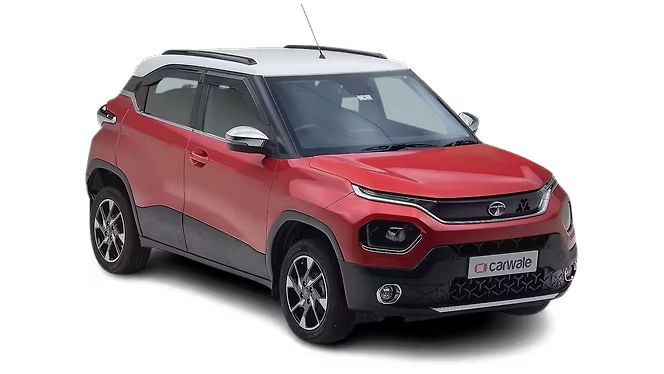
Choosing the best SUV cars in India can feel overwhelming because the market is growing rapidly with options across every budget. SUVs matter today because they offer safety, comfort, power, and practicality, perfect for Indian roads and family needs. Buyers also want clarity on SUV car costs in India, which vary widely depending on features, performance, and segment.
In this guide, you will learn about what defines an SUV, why they are so popular, the different segments available, top-selling models, safety features, mileage expectations, and upcoming trends.
Overview of SUV Cars in India
SUVs blend the comfort and practicality of regular cars with elevated seating, generous ground clearance, and robust build quality, making them ideal for India's diverse roads and safety-conscious families. While many models prioritise on-road performance, select SUVs deliver genuine off-road prowess for tackling rough terrain.
What Defines an SUV?
An SUV combines car-like comfort with truck-based strength. Key characteristics include:
- High ground clearance
- Commanding driving position for better road visibility
- Spacious interiors with flexible seating arrangements
- Strong body construction for safety and durability
- Versatile performance for city and highway driving
The highest ground clearance among Indian SUVs belongs to the Defender.
SUV Popularity Trends in India
India's SUV market shows remarkable growth, with the segment valued at USD 18.13 billion in 2024 and expected to reach USD 33.85 billion by 2030. The shift in buyer preference is dramatic. SUVs now account for over 50% of passenger vehicle sales in the 2023-24 fiscal year, compared to hatchbacks, which previously dominated with a 50% market share just five years ago.
Top SUV Cars in India by Segment
The Indian SUV market offers a range of options across various price segments, from affordable compact models to luxury flagships. Each segment targets specific buyer needs and budgets.
Compact SUVs
Compact SUVs dominate the market, with over 51% of total UV sales. Popular models include:
style="width: 100%; border-collapse: collapse; border: 1px solid #6d6e78; margin-bottom: 10px;text-align: center; color:#6d6e78;">Disclaimer: Prices are indicative and subject to change. Please verify with the manufacturer/dealer.
Mid-size SUVs
In 2025, the Hyundai Creta topped its segment with sales of 2 lakh units. These SUVs typically cost ₹11-20 lakh and offer balanced space, power, and features.
Premium SUVs
Premium SUVs saw strong growth in India in FY2024. Luxury brands sold a total of 4,425 units. The popular Toyota Fortuner is priced from ₹33 lakh to ₹48.85 lakh.
Electric SUVs and Upcoming Models
Electric SUVs are rapidly gaining traction in India, supported by strong new launches and rising consumer demand. Industry data projects the Indian electric SUV market to grow at a CAGR of nearly ₹29.45 lakh and the Tata Harrier EV, which starts at ₹21.49 lakh.
Detailed Review of Popular SUV Models
The top 10 SUVs in India represent diverse brands and price points, each offering unique strengths for different buyer needs.
Mahindra SUVs - Thar, Bolero, XUV700, Scorpio-N
Mahindra leads in rugged SUVs with the Scorpio variants selling 166,364 units in 2024, up 37% year-on-year. The Thar Roxx earned a 5-star safety rating, making it the first body-on-frame SUV to achieve this milestone.
Tata SUVs - Nexon, Punch, Safari
Tata focuses on safety excellence. The Nexon was India's first 5-star Global NCAP-rated vehicle, scoring 16.06/17 points for adult protection. The Safari also achieved 5 stars, while the Punch combines safety with efficiency.
Hyundai SUVs - Creta, Venue, Alcazar, Tucson
Hyundai achieved a 67.6% SUV contribution to its record 6,05,433 domestic sales in 2024. The Creta maintains leadership in the mid-size segment with premium features and multiple engine options.
Maruti Suzuki SUVs - Brezza, Fronx, Grand Vitara
Maruti's Grand Vitara has a claimed mileage of up to 156,236 units sold.
Other Popular SUVs - Kia Sonet, Skoda Kushaq, Toyota Fortuner
Kia’s compact SUV, Kia Sonet, delivered 102,337 units in 2024, emerging as one of the biggest contributors to Kia’s record-high sales that year.
The Toyota Fortuner, even after all these years, remains a benchmark in the premium SUV segment in India, having crossed the 3-lakh cumulative sales mark, underlining its enduring popularity among SUV buyers who value presence, reliability, and brand legacy.
Disclaimer: Prices, sales figures, and features are indicative based on the latest available data. Verify with manufacturers, dealers, or official sources for current details, as they change frequently. Excludes off-road specifics per buyer needs.
SUV Pricing and Variants
SUV car costs in India vary significantly across segments, offering options for every budget and requirement.
Price Ranges Across Segments
|
|
|
|
|---|---|---|
| Entry SUVs | ₹ 5.50 – 9.30 lakh | Tata Punch, Hyundai Exter |
| Compact SUVs | ₹ 7.90 –15 lakh | Nexon, Venue, Sonet |
| Mid-size SUVs | ₹ 10.73 – 20.20 lakh | Creta, Seltos, Grand Vitara |
| Premium SUVs | ₹ 33.65 lakh and above | Fortuner, luxury imports |
Disclaimer: Prices are indicative and subject to change. Please verify with the manufacturer/dealer.
Comparison of Key Variants and Features
Entry variants focus on essential safety and basic features, while top variants include sunroofs, ADAS, premium audio systems, and advanced connectivity options. Mid-level variants typically offer the best value proposition.
Performance, Fuel Efficiency and Engine Types
Modern SUVs balance power and efficiency through advanced engine technologies and hybrid systems.
Petrol vs Diesel SUVs
Petrol powertrains captured 61.11% market share in 2024, driven by refined turbo engines and lower maintenance costs. Rising diesel prices have shifted preference towards petrol and hybrid alternatives.
Hybrid and Electric Options
The Maruti Grand Vitara and Toyota Hyryder lead hybrid efficiency with over 27.97 kmpl. Strong hybrid technology that offers exceptional fuel economy while maintaining performance.
Mileage Expectations in Real-World Use
Real-world efficiency varies by driving conditions:
|
|
|
|
|
|---|---|---|---|
| Petrol | Maruti Suzuki Fronx Petrol MT | Approximately 12-16 | 20.0 |
| Diesel | Tata Nexon Diesel MT | 16.5 | 19.4 |
| Hybrid | Maruti Suzuki Grand Vitara Hybrid | 23.77 | 20.39 |
Disclaimer: Mileage figures are indicative and subject to change. Please verify with the manufacturer/dealer.
Safety Features and Ratings
Safety remains a top priority for SUV buyers, with manufacturers focusing on comprehensive protection systems.
Standard Safety Technologies in SUVs
Modern SUVs include ABS, multiple airbags, electronic stability control, and ISOFIX child seat mounts as standard equipment. Advanced models add traction control, hill hold assist, and tyre pressure monitoring.
Global and Indian Safety Ratings
Five-star Global NCAP-rated SUVs include Tata Safari, Harrier, Nexon, Volkswagen Taigun, and Skoda Kushaq. The Tata Harrier leads safety rankings with comprehensive protection systems.
Advanced Driver Assistance Systems (ADAS)
Level 2 ADAS features like adaptive cruise control, lane keep assist, and automatic emergency braking are becoming common in premium SUVs, enhancing both safety and driving convenience.
SUV Comfort, Space, and Usability
SUVs excel in providing practical space solutions for Indian families while maintaining comfort across different journey types.
Seating Capacity & Configurations
Many compact and mid-size SUVs in India come with a standard 5-seater layout, suitable for small families or city driving. Larger SUVs may offer 6-seater or 7-seater options (with a third row), giving buyers flexibility depending on their need for passenger capacity.
Boot Space and Interior Features
Boot space varies widely: for example, the Hyundai Creta offers 433 litres of boot space with all seats up. Users can fold down rear seats (when allowed) to increase cargo capacity — a common feature that makes SUVs practical for luggage or long trips. Depending on the model and layout configuration, boot space and interior usability can change significantly.
Technology and Infotainment
Modern SUVs in India increasingly come equipped with large infotainment screens (commonly 10.25-inch), smartphone connectivity (Android Auto / Apple CarPlay), and digital driver displays — features now standard in many mid- and premium-segment models.
Off-road Capabilities and Special Features
True off-road SUVs cater to adventure enthusiasts seeking capability beyond paved roads.
Best SUVs for Off-roading
The Mahindra Thar, Force Gurkha, and Isuzu V-Cross lead in off-road capability with high ground clearance, 4WD systems, and advanced terrain management.
4x4 Systems and Terrain Management
According to a 2024 industry report, 2WD SUVs account for the majority of India’s SUV sales, while demand for AWD/4x4 models is projected to grow steadily in the coming years.
Models like the Mahindra Thar offer a true 4x4 system with low-range gearing, locking differentials, and selectable terrain modes designed for conditions like sand, snow, and mud.
Unique Features for Adventure Enthusiasts
Adventure SUVs are built with reinforced chassis and skid plates to protect vital components, plus advanced suspension systems that improve traction on tough terrains. They feature specialised off-road driving modes tailored for different environments like mud, sand, and rocks. Electronic locking differentials, hill descent control, and snorkels further enhance capability, while advanced navigation systems help drivers explore remote areas confidently.
Upcoming SUV Launches and Market Trends
The SUV segment keeps growing with fresh launches and advanced tech integrations tailored for Indian roads.
Electric and Hybrid SUV Launches
By early 2026, key electric SUVs like Mahindra XEV 9S (launched November 2025), Maruti e Vitara (December 2025), and Tata Sierra EV (January 2026) have hit the market or are rolling out soon. India's EV market, valued at $23.38 billion in 2024, eyes explosive growth to $117.78 billion by 2032 through policy support and charging networks.
Upcoming Models and Expected Features
Future SUVs will emphasise connectivity, autonomous features, and sustainable powertrains while maintaining the ruggedness and versatility that define the segment.
Your Journey to Smart Car Insurance
Owning one of the best SUV cars in India brings joy and adventure, but protecting your investment remains crucial. Royal Sundaram offers car insurance designed specifically for SUV owners. Our comprehensive policies protect against accidental damage, theft, and third-party liability while providing valuable benefits like:
Comprehensive policies include robust protection enhanced by optional add-ons like zero depreciation cover, which ensures full value on replacement parts without deductions. Choose the roadside assistance add-on for emergency support anywhere in India. Access over 7,600+ cashless garages across India for hassle-free repairs. Enjoy quick claim settlements with high approval ratios for uninterrupted peace of mind.
Protect your SUV investment with Royal Sundaram car insurance today.
Frequently Asked Questions
Popular budget SUV options include Tata Punch ₹6.13 lakh, Hyundai Exter (from about ₹6.12 lakh)and Mahindra XUV 3XO (from approx ₹7.3–7.5 lakh), offering excellent value with modern features and safety.
The Maruti Suzuki Grand Vitara (strong hybrid version) boasts an ARAI certified fuel efficiency of 27.97 kmpl, making it one of the most fuel efficient SUVs currently on sale in India. Its mechanical twin, Toyota Urban Cruiser Hyryder (hybrid), shares similar efficiency credentials.
Essential safety features include multiple airbags, ABS, electronic stability control, Global NCAP ratings, and increasingly, ADAS features like automatic emergency braking and lane keep assist.
The Mahindra Thar, Scorpio-N, and Force Gurkha excel in off-road conditions with 4x4 systems, high ground clearance, and robust construction for challenging terrain.
Current options include Mahindra XEV 9S and Tata Harrier EV, with upcoming launches including Maruti e Vitara and Tata Sierra EV by December 2025.
Consider seating capacity (5 or 7 seats), safety ratings, fuel efficiency, budget constraints, and intended use (city driving vs highway travel) when selecting your ideal SUV.
Leading SUV brands include Mahindra (ruggedness), Tata (safety), Hyundai (features), Maruti (efficiency), and Toyota (reliability), each offering distinct strengths and model ranges.
Some compact and sub compact SUVs in India maintain relatively low maintenance costs — for example, one list shows a 5 year maintenance cost of ~₹22,600 over 5 years for Hyundai Creta (≈ ₹4,520/yr).
Many popular SUVs like Tata Nexon, Hyundai Creta, Mahindra Scorpio N, and Tata Punch offer sunroof or moonroof variants. Sunroofs add a fun, airy feel to the cabin and let fresh air in. They are often available on higher trim levels or special editions.


Discover the perfect insurance plan for you!
Get your free quote now!
Get StartedBy Clicking on Get Started, You agree to our Terms and Conditions and override DNC/NDNC registration.
More like this
View more


.png)