
You have been Successfully Subscribed to Newsletter


Car Paint Protection Film: Complete Guide to Features and Costs
March 18, 2026 • 10 Min Read
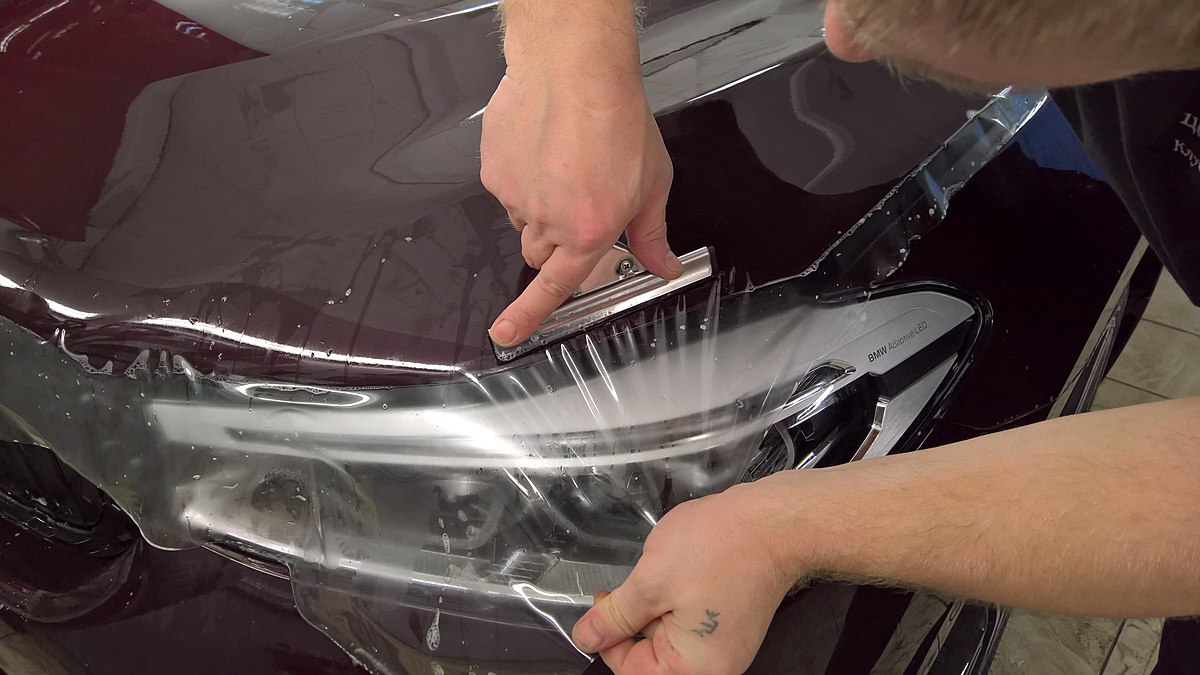
A luxury car's pristine paint faces constant threats from road debris, harsh weather, and daily wear. Every stone chip or scratch reduces the vehicle's value and visual appeal. Car paint protection film serves as an invisible armour, absorbing impacts that would otherwise damage your paint permanently.
This guide explores how PPF technology can safeguard your investment while maintaining your vehicle's showroom appearance.
What is Car Paint Protection Film?
Understanding what PPF is in a car is very important for any car owner. Car paint protection film represents the ultimate defence against paint damage, combining advanced materials with practical protection for your vehicle's exterior surfaces.
Definition and Purpose
PPF is a clear, flexible film made from thermoplastic urethane that bonds to your car's painted surfaces. This transparent barrier acts as a sacrificial layer, taking damage instead of your original paint. The film's primary purpose is to protect against stone chips, scratches, bird droppings, and environmental contaminants while maintaining your vehicle's original appearance.
Material Composition - TPU and Polyurethane
Modern PPF consists of four distinct layers working together for maximum protection:
|
|
|
|
|---|---|---|
| Polyester Release Liner | 3.0 mils | Removable backing during installation |
| Acrylic Adhesive | 1.6 mils | Bonds film to the vehicle surface |
| Polyurethane Core | 6.0 mils | Primary protection and flexibility |
| Clear Topcoat | 0.5 mils | Self-healing surface layer |
The thermoplastic polyurethane construction provides exceptional flexibility and impact resistance while remaining optically clear.
How It Protects Your Vehicle
PPF absorbs kinetic energy from high-velocity debris through its layered structure. When stones or debris strike the film, the polyurethane layer disperses the impact force across a wider area, preventing penetration to the underlying paint. This protection extends to chemical contaminants, with the film's surface resisting staining from bird droppings, tree sap, and acid rain.
History and Evolution of Paint Protection Film
The story of what PPF is in car technology begins far from automotive applications, rooted in military necessity and battlefield protection.
Military Origins
During the Vietnam War in the 1960s, 3M developed protective urethane films for U.S. military helicopter rotor blades. Flying debris and shrapnel constantly damaged these critical components, leading to costly repairs and operational downtime. The film solution provided massive time and cost savings by protecting blades from harmful battlefield debris.
Transition to Automotive Use
Racing teams first adopted this military technology in the late 1970s and early 1980s. NASCAR and Formula 1 teams applied early versions to their vehicles' front ends for protection against track rubber and road debris. However, these early films were thick, difficult to work with, and prone to yellowing over time.
Technological Advances Over Time
The 2000s brought significant improvements in PPF technology. Material scientists refined the films to be clearer, thinner, and more durable. Modern PPF features self-healing properties through advanced TPU layers that repair minor scratches when exposed to heat from sunlight or warm water. Computer-aided design now ensures precise fitting for complex vehicle surfaces.
Benefits of Car Paint Protection Film
Quality PPF offers comprehensive protection that extends far beyond basic scratch resistance, making it essential for maintaining your vehicle's appearance and value.
Protection from Scratches, Stone Chips, and Environmental Damage
PPF excels in impact resistance by absorbing kinetic energy from debris without allowing damage to reach the underlying paint. In India's challenging road conditions, with dust storms and poor road surfaces, this protection becomes particularly valuable. The film handles everything from highway gravel to parking lot door dings.
UV Ray and Fade Resistance
High-quality PPF blocks up to 99% of ultraviolet rays, preventing paint oxidation and colour fading. This protection proves especially important under India's intense sun, where unprotected paint can show noticeable fading within just a few years.
Self-Healing Technology Explained
The film's top layer contains flexible polymers that return to their original state when heated. Minor scratches disappear when exposed to heat from sunlight or warm water, maintaining the film's pristine appearance without professional intervention.
Hydrophobic and Stain-Resistant Properties
Modern PPF reduces water retention by nearly 50% through its hydrophobic topcoat. This feature makes washing easier while providing protection against oil splashes, bird droppings, and hard water marks that commonly affect vehicles during India's monsoon season.
Maintaining Vehicle Resale Value
PPF preserves your car's original paint condition, potentially increasing resale value compared to vehicles with damaged or repainted surfaces. This protection becomes particularly valuable for luxury vehicles, where paint condition significantly affects market value.
Types and Finishes of Paint Protection Film
PPF comes in various finishes and performance levels to match different aesthetic preferences and protection requirements.
Glossy, Matte, Carbon Fibre, and Black Finishes
Standard options include:
- Glossy: Maximum shine and paint-like appearance
- Matte: Satin finish for a subtle, understated look
- Carbon Fibre: Textured appearance mimicking carbon fibre weave
- Black: Solid black finish for accent areas
Instant Healing vs Standard Films
Premium films offer instant healing of minor scratches with slight warmth, while standard films may require more time and heat for the healing process. Instant healing films cost more but provide superior performance.
Durability and Warranty Differences
Film quality affects longevity and warranty coverage:
|
|
|
|
|
|---|---|---|---|
| Premium | 8-10 years | 10 years | Instant |
| Standard | 5-7 years | 5-7 years | Heat-activated |
| Budget | 3-5 years | 2-3 years | Limited |
Speciality Films (e.g., Chrome, Texture)
Speciality finishes include chrome, brushed metal, and textured surfaces that provide unique visual effects while maintaining protection. These films cost more but offer distinctive customisation options.
Application Process for Paint Protection Film
Proper installation requires professional expertise and specific techniques to ensure optimal performance and longevity.
Preparation and Surface Cleaning
Installation begins with thorough vehicle washing to remove all dirt, wax, and contaminants. Technicians use clay bars to eliminate embedded particles and ensure perfectly clean surfaces for optimal film adhesion.
Slip Solution Usage and Film Positioning
Installers apply a soap-water solution to help position the film without immediate adhesion. This technique allows precise placement and adjustment before final bonding.
Professional Installation Techniques (Plotter, Hand Templates)
Modern installations use computer-controlled plotters for precise cutting or hand templates for complex surfaces. Heat application moulds the film around curves and edges for seamless integration.
Drying Time and Aftercare
Films require a complete curing period of at least one week. During this time, avoid washing the vehicle to ensure proper adhesion and prevent damage to the curing film.
Common Installation Areas on Vehicles
High-impact protection areas include:
- Hood and front bumper
- Side mirrors and door edges
- Fender areas
- Rocker panels
- Rear wheel wells
Cost and Coverage Options
PPF price for car installations varies significantly based on several factors, making it important to understand your options before making decisions.
Factors Affecting Price - Vehicle Size, Coverage, Film Type
Cost considerations include:
- Vehicle Size: Larger SUVs require more material and labour
- Surface Complexity: Curved panels increase installation time
- Film Quality: Premium films with advanced features cost more
- Coverage Area: Full-body protection costs significantly more than partial coverage
Coverage Levels - Wear & Tear, Partial, Full Front, Full Vehicle
Protection options range from basic wear areas to complete vehicle coverage:
- Wear & Tear: Door edges and high-touch areas
- Partial: Front bumper, hood, and mirrors
- Full Front: Complete front-end protection
- Full Vehicle: Comprehensive coverage
Current market pricing shows significant variation:
|
|
|
|
|---|---|---|
| Hatchback | Full Body | ₹55,000 - ₹85,000 |
| Sedan | Full Body | ₹75,000 - ₹1,10,000 |
| Luxury Car | Full Body | ₹1,20,000 - ₹2,50,000+ |
| Motorcycle | Selective | ₹5,000 - ₹15,000 |
Disclaimer: The prices above are indicative, based on typical ex-showroom rates and common insurance packages. Actual costs vary by vehicle model, location, insurer, coverage inclusions, and additional add-ons.
Long-Term Value vs Initial Cost
While the initial PPF price for car installations seems expensive, properly maintained films last 7-10 years, eliminating the need for frequent repainting or touch-up work. This longevity provides excellent long-term value compared to repair costs.
Maintenance and Longevity of Paint Protection Film
Proper care ensures your PPF investment provides maximum protection and appearance benefits throughout its lifespan.
Cleaning Tips and Hydrophobic Benefits
Use mild car shampoos compatible with automotive paint. The film's hydrophobic properties make cleaning easier, as dirt and water slide off more readily. Avoid harsh chemicals or abrasive materials that could damage the film surface.
Recommended Maintenance Schedule
Follow these maintenance guidelines:
- Weekly: Regular washing with mild soap
- Monthly: Detailed inspection for damage
- Quarterly: Professional evaluation and treatment
- Immediate: Remove bird droppings and tree sap quickly
How to Treat Scratches and Repairs
Minor scratches self-heal with heat exposure, while deeper damage may require professional attention. Small air bubbles or edge lifting should be addressed promptly to prevent moisture intrusion and peeling.
When and How to Replace the Film
Quality films typically last 5-10 years before showing signs of yellowing or reduced effectiveness. Professional removal prevents adhesive residue and paint damage during replacement.
Protecting Your Investment
Protect your vehicle investment with Royal Sundaram General Insurance, which offers comprehensive car insurance car insurance coverage beyond what paint protection films can provide. With 15+ add ons and access to over 7,600 cashless garages nationwide, Royal Sundaram ensures peace of mind.
Combine the physical protection of Paint Protection Film with Royal Sundaram's extensive insurance coverage, including a depreciation waiver for complete claim settlements.
FAQs
Car paint protection film is a thermoplastic urethane barrier that absorbs impacts from debris, prevents scratches, and resists environmental damage while maintaining paint appearance.
Quality PPF typically lasts 5-10 years, depending on film grade, environmental conditions, and maintenance practices.
Professional installation is strongly recommended to avoid bubbles, poor fit, and reduced lifespan that commonly result from DIY attempts.
Properly installed PPF protects paint without causing damage. Professional removal prevents adhesive residue or paint peeling.
High-impact areas, including the hood, bumpers, fenders, mirrors, and door edges, benefit most from PPF protection.
PPF provides physical impact protection, while ceramic coatings offer chemical resistance. Both can work together for comprehensive protection.
Costs range from ₹45,000 to ₹2,20,000+, depending on vehicle size, coverage area, and film quality.
Yes, the self-healing top coat repairs minor scratches with heat or time.
Simple washing, hydrophobic benefits, and avoiding harsh chemicals maintain clarity and durability


Discover the perfect insurance plan for you!
Get your free quote now!
Get StartedBy Clicking on Get Started, You agree to our Terms and Conditions and override DNC/NDNC registration.
More like this
View more


.png)