
You have been Successfully Subscribed to Newsletter


Car Starting Problem Solutions: Common Causes and Easy Fixes
June 05, 2026 • 10 Min Read
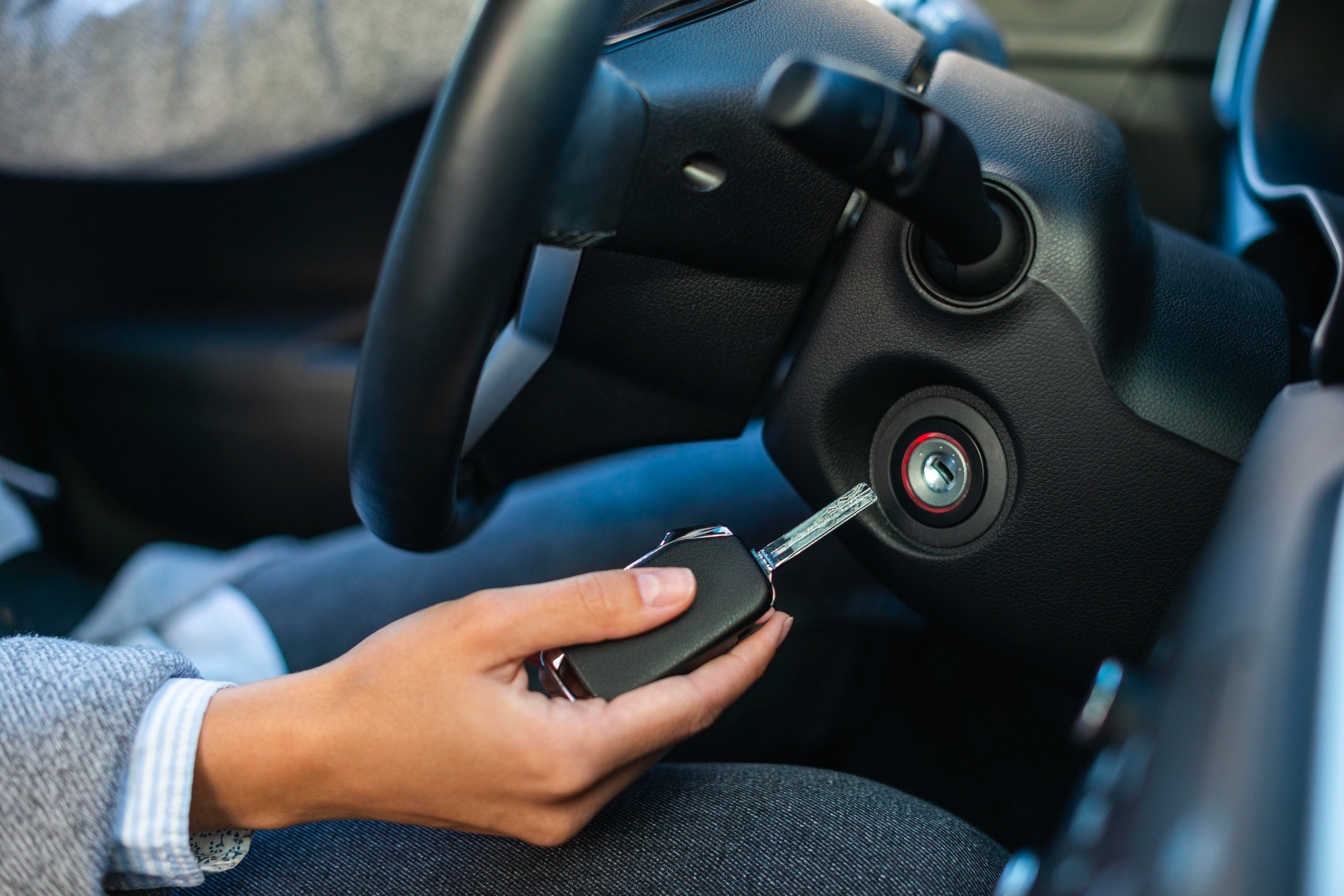
Nothing frustrates drivers more than turning the key and hearing silence instead of the engine roaring to life. Car starting problems strike at the worst moments: rushing to work, picking up children, or during medical emergencies. These issues affect millions of Indian vehicle owners daily, especially during extreme summer heat when temperatures exceed 40°C in places like Delhi and Rajasthan. This guide explains common starting issues and practical solutions to keep you moving.
Understanding Car Starting Problems
Car starting systems work like a chain reaction, where each component must function perfectly. When you turn the key, the battery sends power to the starter motor, which cranks the engine while the ignition system creates sparks and the fuel system delivers petrol or diesel.
How the Car Starting System Works
Your car’s starting system relies on four main components working together. The battery supplies initial electrical power. The starter motor turns the engine to begin combustion. The ignition system produces sparks at the right time, and the fuel system delivers the correct air-fuel mixture. Modern vehicles also use sensors to monitor engine conditions. These sensors help detect faults and allow mechanics to diagnose problems quickly using diagnostic tools and error codes.
Common Symptoms of Starting Issues
Starting problems show different warning signs depending on the root cause. Here are the most common symptoms you'll encounter:
Audible Warning Signs:
- Clicking sounds indicate starter motor engagement issues
- Grinding noises suggest worn starter components
- Complete silence points to electrical problems
- Whirring sounds near the fuel tank show pump operation
Visual Indicators:
- Dashboard lights failing to illuminate
- Dim or flickering headlights
- Check engine light flashing
- Security system warning lights
Behavioural Symptoms:
- Slow engine cranking during startup
- Engine turning over without starting
- Intermittent starting success
- Complete lack of response when turning the key
Top Causes of Car Starting Problems
Most car starting problems stem from electrical, fuel, or ignition system failures. Understanding these causes helps you diagnose issues quickly and determine whether you need professional help or can handle repairs yourself.
Dead or Weak Battery
A weak or dead battery is the most common reason a car won’t start. Extreme heat can shorten battery life and reduce performance.
Signs of Battery Problems:
- No cranking sound when turning the key
- Dashboard lights or the horn not working
- Dim headlights or interior lights
- Low voltage reading
Faulty Starter Motor
The starter motor turns the engine when you start the car. If it fails, the engine won’t crank. A clicking sound when turning the key often indicates starter trouble. The solenoid may engage, but the motor may not have enough power to turn the engine.
Ignition Switch Issues
The ignition switch powers the starter and other systems. When faulty, the car may not respond to key turns or push-button starts. Push-button systems may fail if the key fob battery is weak.
Common Ignition Problems:
- Key turns, but nothing happens
- Intermittent starting success
- Push-button systems are not recognising the key fob
- Dashboard lights failing to activate
Bad Alternator
The alternator charges the battery while the engine runs. If it fails, the battery drains and eventually won’t provide enough power to start the car. Warning signs include dim lights, a battery warning light, and repeated battery drain.
Fuel System Problems
Fuel system faults prevent proper fuel delivery. Common causes include clogged fuel filters, failed fuel pumps, and blocked fuel lines. A clogged fuel filter restricts flow, causing misfires and rough idling.
Spark Plug Failure
Spark plugs ignite the fuel-air mixture inside the engine. Worn spark plugs can cause hard starting, rough performance, and reduced fuel efficiency. Regular inspection and timely replacement help prevent starting issues.
Spark Plug Replacement Costs:
- Copper plugs: ₹200-₹1,000 per plug
- Labour charges: ₹500-₹1,500 at service centres
- Replacement intervals: Copper (30,000 – 40,000 km), Platinum (60,000 – 80,000 km), Iridium (100,000 km and above)
Disclaimer: Costs and intervals are approximate, based on Indian market averages as of 2026, and may vary by vehicle model, location, and service provider. Consult your mechanic or manufacturer for specifics.
Blown Fuses and Relays
Fuses protect electrical circuits, while relays control components like the fuel pump and starter motor. If a fuse blows or a relay fails, power to essential starting systems may be cut off. Swapping relays with identical ones can help identify the issue.
Key Fob and Security System Malfunctions
Modern vehicles use security systems that can prevent starting if they detect a fault.
Security System Issues:
- The key fob is working intermittently due to weak batteries.
- Internal components damaged by shock or water
- Immobiliser system not recognising authorised keys
- Security system requiring professional reset
Jammed or Locked Steering Wheel
The steering lock activates when the wheel is turned without the key in the ignition. It can also occur due to mechanical issues or low power steering fluid.
Transmission and Neutral Safety Switch Glitches
Automatic transmissions include neutral safety switches that prevent starting unless the gear selector is in Park or Neutral. Common causes include low transmission fluid, shifter cable problems, or valve body issues.
Diagnosing Car Starting Problems
Proper diagnosis saves time and money by identifying the exact problem before attempting repairs. Start with simple checks before moving to complex diagnostic procedures.
Listening for Sounds and Signs
Your car communicates problems through various sounds. Turn the ignition on (engine off) and listen for a faint whirring sound near the fuel tank for a few seconds - this indicates the fuel pump engaging. No sound may indicate pump failure.
Diagnostic Sounds:
- Clicking: Starter solenoid engaging but insufficient power
- Grinding: Worn starter motor components
- Silence: Complete electrical failure
- Engine knocking: Spark plug or ignition timing issues
Checking Battery Health and Connections
Test your battery using a multimeter - healthy batteries read around 12.6 volts. Inspect terminals for corrosion and ensure tight connections. Professional battery testing includes voltage and load capacity checks, recommended for batteries over 3 years old.
Inspecting Fuel Level and Fuel System
Check fuel level first - empty tanks cause obvious starting problems. Look for clogged fuel filters by checking for sputtering, delayed starting, or engine misfires. A blocked filter starves the fuel pump, causing it to overwork and potentially fail.
Testing the Starter Motor and Relay
Listen for fuel pump operation when turning the key - modern electric pumps should be audible. Locate the fuel pump fuse (usually 10-15 amperes) and relay in the fuse box. Swap the relay with a similar one to test if the problem follows the relay.
Examining Electrical Wiring and Fuses
Inspect spark plug wires for cracks, burns, or wear that can interfere with electrical current flow. Check belts and hoses for damage - cracked or frayed belts can lead to engine failure.
Evaluating Ignition and Security Components
Modern diagnostic equipment reads trouble codes indicating specific sensor problems, such as oxygen sensor issues affecting the air-fuel mixture. Live data shows real-time information from various engine sensors.
Assessing Transmission Gear Position
For automatic transmissions, ensure the gear selector is in Park or Neutral. Engine starter problems can occur when the neutral safety switch fails to recognise the proper gear position.
How to Fix Common Car Starting Problems
Many starting issues have straightforward solutions you can handle yourself, while others require professional expertise. Always prioritise safety and know when to seek help.
Jump-Starting a Car Safely
Jump-starting addresses a dead or discharged battery, providing temporary power to crank the engine when it fails to start due to insufficient electrical charge, unlike a clogged fuel filter, which blocks fuel flow and requires mechanical replacement.
Position vehicles close (not touching), hoods up, in park/neutral with engines off.
Cable Connections (Positive First):
- Red clamp to the dead battery's positive (+) terminal.
- Other red clamp to the donor battery's positive (+) terminal.
- Black clamp to the donor battery's negative (-) terminal.
- Final black clamp to unpainted metal on the dead car's engine block (away from the battery to avoid sparks).
Start the donor vehicle, idle 2-5 minutes, then try starting the dead car; drive to recharge if successful.
Cleaning or Replacing Battery Terminals
Regular terminal cleaning prevents corrosion-related starting problems. Clean terminals every few months using a baking soda solution and a wire brush. Ensure connections are tight and secure after cleaning.
Replacing the Starter Motor
Replacing a starter motor demands mechanical skills, specialised tools, and safety precautions like disconnecting the battery first. Consider professional help to avoid risks like electrical shorts or engine damage.
When the starter fails completely (e.g., no cranking, clicking sounds), replacement is often the fix after ruling out battery or solenoid issues. Secure all connections during reinstallation, verify vehicle compatibility, and test the system post-install.
Fixing or Replacing the Ignition Switch
Ignition switch problems often require professional diagnosis. Sometimes, temporary fixes involve trying spare keys or gentle manipulation, but replacement usually requires professional assistance to ensure proper compatibility and installation.
Changing Fuel Filters and Refilling Fuel
Replace fuel filters every 2 years or every 30,000 to 40,000 kilometres. However, for modern vehicles, this interval can be extended to up to 60,000 kilometres or 6 years or more.
Resetting Security Systems and Replacing Key Fob Batteries
Replace key fob batteries when operation becomes intermittent. If internal components are damaged by shock or water, consult automotive locksmiths or dealerships for professional repair or reprogramming.
Replacing Blown Fuses and Faulty Relays
Locate blown fuses and relays using the fuse box diagram, typically found on the fuse box cover, in your vehicle's owner's manual, or on the manufacturer's service website. Replace fuses only with identical amperage ratings to prevent electrical fires or damage; test relays by swapping with identical ones from the box. Keep spares in your glovebox or toolkit for quick roadside fixes, and address underlying causes like shorts after replacement.
Common Fuse Box Locations
- Engine compartment (for high-power circuits like fans).
- Dashboard near driver's side (interior electronics).
- Sometimes, in the trunk or under seats, check the manual for your model.
Dealing with a Locked Steering Wheel
Unlock steering wheels by gently turning the wheel while turning the ignition key. Apply light pressure in both directions until the lock disengages. Avoid forcing the mechanism, which can cause damage.
Addressing Transmission Neutral Safety Switch Issues
Neutral safety switch problems require professional diagnosis and adjustment. These switches ensure proper gear position recognition and may need replacement or calibration when malfunctioning.
When to Call a Professional Mechanic
While many car starting problems have simple solutions, some situations require professional expertise to avoid costly damage or safety risks.
Risks of DIY Repairs
Improper repairs can cause serious engine damage. Forced spark plugs can strip threads or break plugs inside the cylinder head, leading to expensive repairs. Professional installation ensures correct torque and safe handling. Driving with a clogged fuel filter can also strain the fuel pump and other components, increasing repair costs.
Signs You Need Expert Help
Seek professional help if you notice engine misfires, reduced power, poor fuel economy, or repeated starting failures. Recurring problems after DIY attempts or multiple system faults require proper diagnostic equipment and expert evaluation.
Using Roadside Assistance and Towing Services
Roadside assistance provides valuable support during car-starting problems. Independent towing is costly, while insurance-based roadside assistance provides free services within coverage limits.
Preventive Maintenance Tips to Avoid Car Starting Problems
Regular maintenance prevents most starting problems and saves money compared to emergency repairs and roadside assistance.
Regular Battery Checks and Maintenance
Drive at least 30 minutes weekly to keep the battery fully charged. Highway trips are ideal. Park in shaded or covered areas to protect the battery from extreme heat.
Fuel System Care and Filter Replacement
Use clean, quality fuel from reputable stations to prevent filter blockage. Fuel additives can help clean injectors and reduce carbon buildup when used as directed. Avoid running fuel tanks too low, as contaminants settling at the bottom can enter the fuel system and cause problems.
Starter and Electrical System Inspection
Inspect spark plugs during major services and replace them according to the manufacturer's guidelines. Routine diagnostics help catch issues early before costly repairs.
Keeping the Security System Functional
Replace key fob batteries regularly and test system operation periodically. Maintain backup keys and complete recommended system updates.
Periodic Professional Inspections
Schedule routine performance checks and address warning signs immediately. Early diagnostics help prevent serious engine starter problems and maintain reliability.
Your Path to Reliable Roadside Support
Car starting issues like dead batteries or faulty starters often stem from wear and tear and can have simple DIY fixes, but comprehensive car insurance ensures protection during major accidents or unforeseen breakdowns. With Royal Sundaram's car insurance and optional 24/7 roadside assistance add-on you can get covered services like battery jump-starts, flat tyre changes, emergency towing to authorised facilities, cab rides, and hotel stays for valid breakdown reasons.
Frequently Asked Questions
Even with a good battery, issues like a faulty starter motor, bad ignition switch, blown fuse, neutral safety switch fault, or security system malfunction can cause car starting problems.
Clicking or grinding noises when turning the key usually indicate starter problems. The engine may not crank or may start intermittently. Unlike battery issues, lights and electronics typically work normally.
Common signs include dim or flickering lights, a battery warning light while driving, unusual engine bay noises, and repeated battery drain.
Yes. A severely clogged fuel filter restricts fuel flow, causing sputtering, delayed starting, or rough idling.
Connect the positive terminals first, then the negative to the donor battery and an unpainted metal surface on the dead car. Start the donor vehicle, wait a few minutes, then try starting your car.
Gently turn the steering wheel while turning the key. Apply light pressure without forcing it. If it doesn’t unlock, check the power steering fluid or consult a professional.
Typically every 20,000–40,000 km.
- Copper (30,000 – 40,000 km)
- Platinum (60,000 – 80,000 km)
- Iridium (100,000 km and above)
Dusty and humid conditions may require earlier replacement.
Call a mechanic if you notice repeated starting failures, unusual noises (grinding or loud clicking), smoke, burning smells, or if you cannot identify the cause.
Yes. A faulty ignition switch can cut power to the starter motor and other critical systems, preventing the engine from cranking.


Discover the perfect insurance plan for you!
Get your free quote now!
Get StartedBy Clicking on Get Started, You agree to our Terms and Conditions and override DNC/NDNC registration.
More like this
View more


.png)