
You have been Successfully Subscribed to Newsletter


Affordable Cars with Sunroof in India for Smart Buyers
Apr 13, 2026 • 10 Min Read
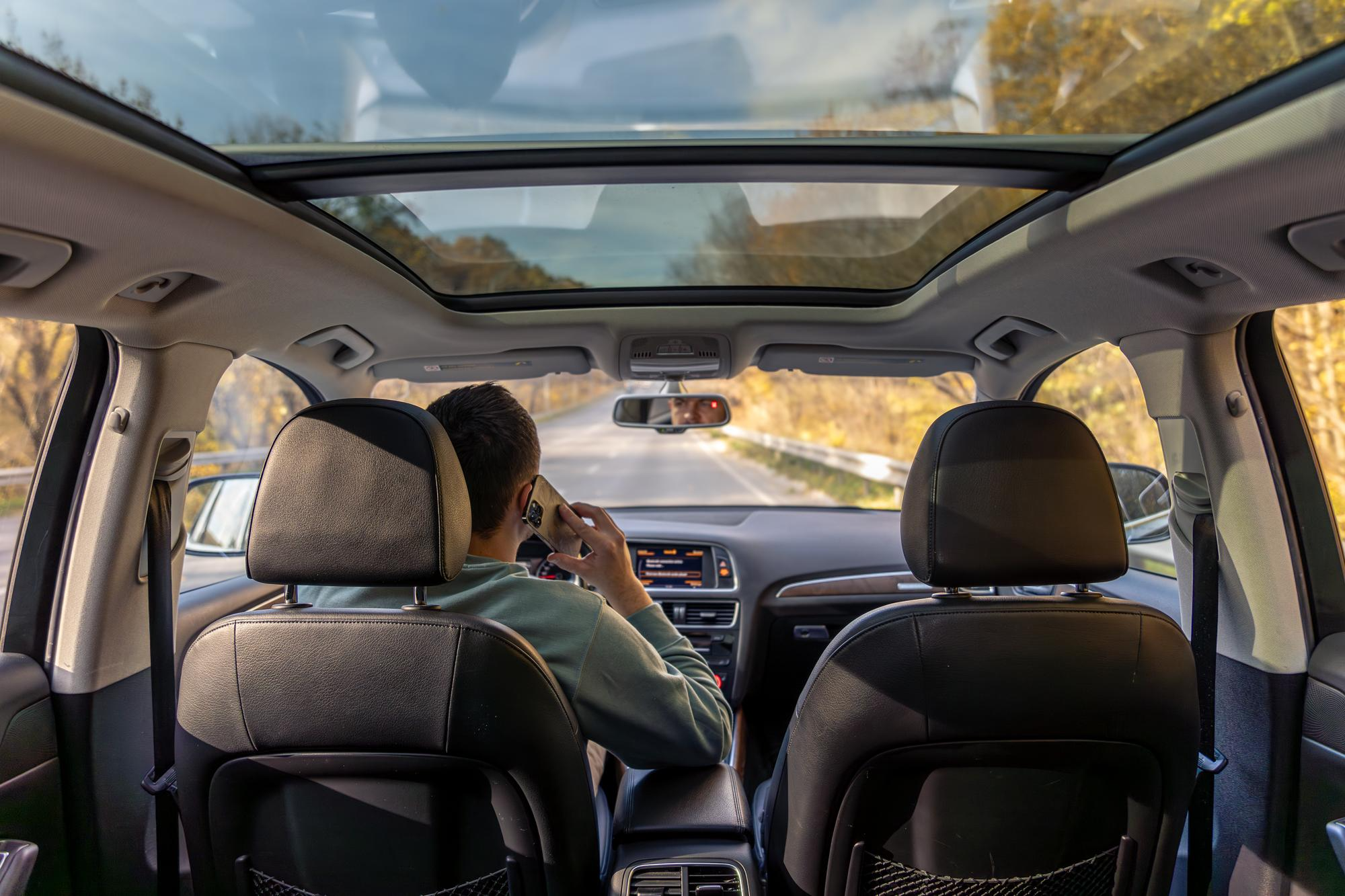
Sunroofs have transformed from luxury features to accessible options across India's car market. What once graced only premium vehicles now appears in budget-friendly models under ₹10 lakh, making the open-sky driving experience available to millions of car enthusiasts.
Currently, nine cars and SUVs priced under ₹10 lakh come with single-pane electric sunroofs, with manufacturers responding to growing demand for premium features at accessible prices. This guide will help you find the perfect cars with sunroofs in India that match your budget and requirements.
Overview of Cars With Sunroof in India
The sunroof market represents one of the fastest-growing automotive segments, with manufacturers offering these premium features across multiple price points. Understanding sunroof types and benefits helps you make informed decisions about your next car purchase.
What Is a Sunroof and Its Benefits
A sunroof functions like a power-operated window installed in your car's roof, sliding open or tilting to allow fresh air and natural light into the cabin. Modern sunroofs offer several advantages for Indian driving conditions.
Key benefits of sunroofs include:
- Enhanced cabin illumination through natural lighting
- Improved ventilation without compromising security
- Premium aesthetic appeal that increases car value
- Better mood enhancement through exposure to natural light
- Safer fresh air access compared to lowered windows
Types of Sunroofs Available in Indian Cars
Understanding different sunroof types helps you choose the right feature for your needs and budget.
|
|
|
|
|
|---|---|---|---|
| Pop-up | Tilts upward for ventilation | Basic ventilation needs | Low |
| Sliding | Slides back into the roof cavity | Full opening experience | Medium |
| Panoramic | Large glass area, often fixed | Premium cabin feel | High |
| Electric | Voice-enabled operation | Convenience and tech features | Medium |
Popular Cars With Sunroof in India
The best cars in India with sunroof options span across segments, offering variety for every budget and preference. Current market leaders provide excellent value propositions with comprehensive feature packages.
Sedans With Sunroof Features and Prices
Sedan buyers have limited but quality options for sunroof-equipped vehicles in the affordable segment.
|
|
|
|
|
|---|---|---|---|
| Maruti Suzuki Dzire ZXi+ | 8.18 Lakh | Yes (only budget sedan with sunroof) | Petrol 1.2L (80 bhp), Petrol CNG variant (69 bhp) |
| Hyundai Verna | 11.95 Lakh | Available on full variants | Petrol 1.5L (113-160 bhp), Diesel 1.5L (varied) |
| Honda City Hybrid | 19.48 Lakh | Yes | Hybrid petrol engine |
Disclaimer: Prices are indicative and subject to change. Please verify with the manufacturer/dealer.
SUVs Offering Sunroof Options
SUVs dominate the affordable sunroof market, with multiple manufacturers offering competitive options. The Tata Altroz stands as the most affordable car in India with an electric sunroof, starting from ₹6.30 lakh.
Top SUV options include:
- Hyundai Exter: Starting at ₹7.03 lakh, voice-enabled sunroof
- Tata Nexon: Starting at ₹8.00 lakh, 5-star safety rating
- Kia Sonet: Starting at ₹8.41 lakh, modern feature package
Disclaimer: Prices are indicative and subject to change. Please verify with the manufacturer/dealer.
Hatchbacks and Crossovers With Sunroofs
Premium hatchbacks offer sunroof features with excellent fuel efficiency and city-friendly dimensions. The Hyundai i20 provides electric sunroofs from the Asta variant at ₹9.15 lakh, combining style with comprehensive feature packages.
Factors to Consider Before Buying a Car With a Sunroof
Smart sunroof car buyers evaluate multiple factors beyond the feature itself, including long-term costs and practical considerations for Indian driving conditions.
Sunroof Cost Impact on Car Price
Adding a sunroof or moonroof to a car usually increases the price by ₹40,000 to ₹5 lakh, depending on the model. Manufacturers often package sunroofs with other premium features, creating value bundles rather than standalone additions.
Maintenance Tips for Sunroofs
Regular sunroof maintenance ensures longevity and problem-free operation throughout your ownership period.
Essential maintenance practices include:
- Weekly operation to prevent mechanism stiffness
- Regular cleaning of tracks and glass panels
- Drainage channel maintenance to prevent water accumulation
- Seal inspection for wear and damage
- Professional servicing every six months
In India, replacing a sunroof for most mass-market cars can cost anywhere between ₹30,000 and ₹90,000, so keeping up with preventive maintenance is key to avoiding hefty repair bills.
Safety and Weather Considerations
Sunroofs perform well in Indian weather conditions when used properly. During winters and monsoons, they provide excellent ventilation, while summer usage requires shade operation for comfort.
Safety considerations include never allowing passengers to stand through open sunroofs, which violates Indian traffic laws and poses serious injury risks during accidents or sudden stops.
Disclaimer: Prices are indicative and subject to change. Please verify with the manufacturer/dealer.
Sunroof vs Moonroof: What's the Difference?
Modern automotive terminology often blurs the distinction between sunroofs and moonroofs. Sunroofs can be opaque or transparent panels that open or remove completely, while moonroofs specifically feature tinted, transparent glass that slides or tilts open.
Panoramic sunroof cars in India offer the largest glass areas, extending from front to rear seating areas and providing maximum natural light and spaciousness to the cabin.
How to Choose the Right Car With a Sunroof for You
Selecting the ideal sunroof car requires balancing budget constraints, feature priorities, and long-term ownership considerations.
Budget and Feature Priorities
Entry-level sunroof cars start from ₹7.45 lakh, but consider the complete feature package rather than focusing solely on the sunroof. Mid-tier variants often bundle sunroofs with advanced safety systems, infotainment technology, and comfort features that provide better overall value.
Brand and After-Sales Support
Strong service networks prove crucial for sunroof maintenance and repairs. Tata offers extensive coverage with robust safety credentials, while Hyundai provides premium features with excellent after-sales support. Kia brings modern technology with a growing service infrastructure.
Resale Value Considerations
Cars equipped with sunroofs tend to have higher resale values, typically ₹20,000 to ₹50,000 more in urban markets, as buyers perceive sunroofs as premium features worth paying extra for in the used car segment.
Disclaimer: Prices are indicative and subject to change. Please verify with the manufacturer/dealer.
Securing Your Sunroof Investment
Protecting your sunroof-equipped vehicle demands comprehensive insurance that covers premium features alongside everyday risks. Royal Sundaram General Insurance delivers reliable solutions with a high claim settlement ratio and access to 7,600+ cashless garages nationwide. The car insurance coverage includes accidents, collisions, fire damage, theft, third-party liabilities, natural disasters like floods and cyclones, and personal accident protection for complete peace of mind.
Frequently Asked Questions
The Tata Altroz leads at ₹8.41 lakh. These models offer excellent value with modern safety and technology features.
Sunroof maintenance is inexpensive when done regularly, involving simple tasks like cleaning and checking the seals. Repair costs can range from around ₹5,000 to as much as ₹1 lakh.
Quality sunroofs feature proper sealing and laminated glass that withstands normal weather conditions. Follow manufacturer guidelines and avoid operation during severe weather for optimal safety.
Aftermarket installations cost ₹10,000-₹15,000 but require expert assessment for vehicle compatibility. Factory-fitted sunroofs offer better integration, warranty coverage, and safety compliance.
Sunroofs add weight and may affect aerodynamics, but the practical impact on fuel consumption remains minimal for typical driving conditions. Other factors, like driving speed and vehicle weight, have a greater influence.
Sunroofs can be opaque or transparent panels, while moonroofs specifically feature tinted, transparent glass. Both provide ventilation and light, but moonroofs allow light entry even when closed.


Discover the perfect insurance plan for you!
Get your free quote now!
Get StartedBy Clicking on Get Started, You agree to our Terms and Conditions and override DNC/NDNC registration.
More like this
View more


.png)