
You have been Successfully Subscribed to Newsletter


CNG Car vs Petrol Car: Making the Right Choice in 2026
June 02, 2026 • 10 Min Read
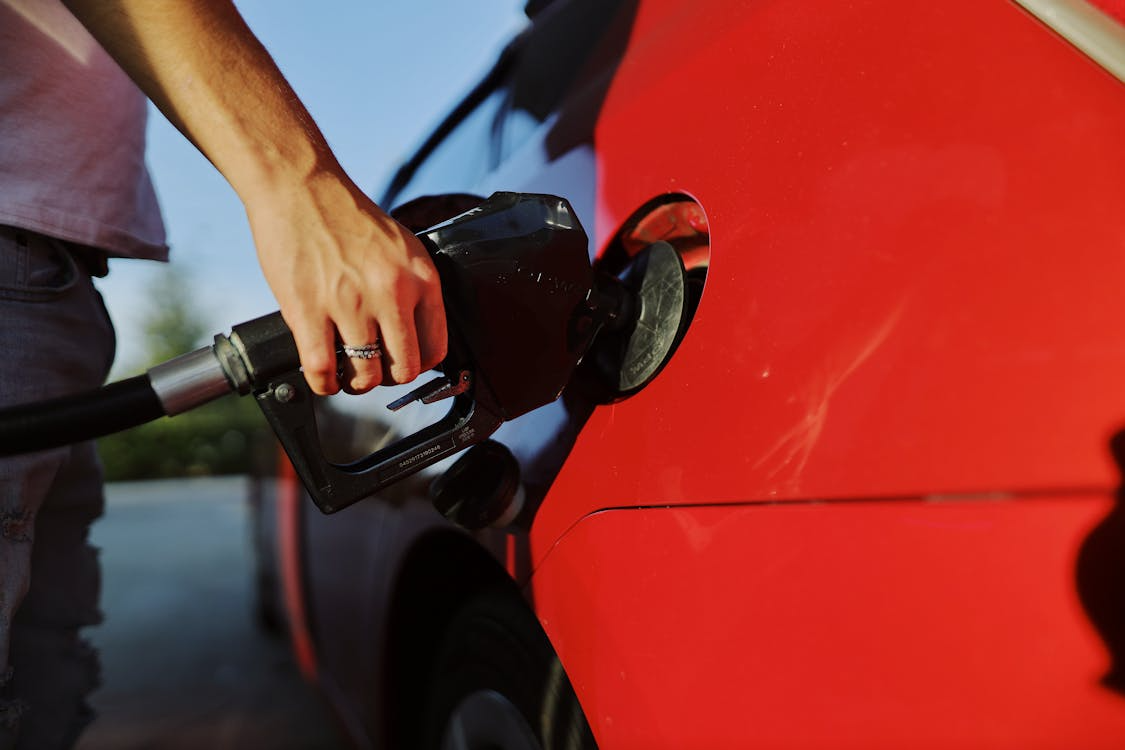
Fuel prices keep rising, and car buyers face a tough choice. Should they buy a CNG car or stick with petrol? This decision not only affects the wallet but also the driving experience and environmental footprint for years ahead. The answer isn't simple because both fuel types have clear advantages and disadvantages.
CNG vehicle sales jumped 46% in 2024 while petrol car sales dropped 4.5%, showing a clear shift in buyer preferences. With government support for cleaner fuels and expanding infrastructure, understanding the difference between CNG and petrol car options becomes crucial for making the right choice.
Introduction to CNG and Petrol Cars
Both CNG and petrol cars serve millions of Indian families, but they work differently and offer distinct benefits. Understanding these technologies helps you make an informed decision based on your specific needs, budget, and driving patterns.
What is a CNG Car?
CNG cars run on compressed natural gas, which is natural gas compressed to just 1% of its original volume for efficient storage. This clean-burning fuel consists primarily of methane and gets stored in high-pressure cylinders at 200-250 bar pressure, typically placed in the boot or under the chassis.
What is a Petrol Car?
Petrol cars have dominated Indian roads for over a century, offering proven technology and widespread acceptance. These vehicles burn liquid petroleum fuel in internal combustion engines, providing smooth power delivery and responsive acceleration. Most car models start with petrol variants, with other fuel options added later.
Basic Differences Between CNG and Petrol Cars
The following table highlights the key distinctions between these fuel types:
|
|
|
|
|---|---|---|
| Fuel Efficiency | Better fuel efficiency | Standard efficiency baseline |
| Boot Space | Reduced due to cylinder | Full boot space |
| Fuel Type | Bi-fuel capability | Single fuel system |
| Refueling Time | 3-5 minutes | 2-3 minutes |
Cost Comparison Between CNG and Petrol Cars
Money matters most when buying a car, and the CNG vs petrol car maintenance cost, along with fuel expenses, significantly impacts your budget. Let's examine the complete financial picture to help you decide which option saves more money long-term.
Initial Purchase Price Differences
CNG variants consistently cost more than their petrol counterparts across all segments. However, factory-fitted systems offer better warranty coverage, seamless integration, and superior build quality that justifies the higher cost.
Fuel Price Comparison: CNG vs Petrol
Current fuel prices show a significant advantage for CNG users. In Delhi, petrol costs ₹94.77 per litre while CNG costs ₹77.09 per kilogram, representing nearly 20% savings per unit.
Maintenance and Service Costs
CNG vs petrol car maintenance cost comparisons reveal mixed results. CNG systems require additional maintenance for gas-specific components like pressure regulators, gas injectors, and safety valves.
However, CNG burns cleaner than petrol, potentially reducing engine wear and extending component life. The cleaner combustion produces fewer carbon deposits, benefiting spark plugs, valves, and engine oil.
Resale Value Trends
Resale values depend heavily on regional CNG infrastructure and buyer preferences. In cities with extensive CNG networks like Delhi and Mumbai, CNG cars command good resale prices due to ongoing fuel cost benefits.
Areas with limited CNG infrastructure see lower demand for used CNG vehicles, affecting resale values negatively. However, the nationwide expansion of CNG infrastructure, which has grown from just 738 stations in 2014 to more than 8,600 stations in 2026 significantly strengthens resale prospects across the country.
Performance and Driving Experience
Performance differences between CNG and petrol cars affect daily driving, especially during acceleration, overtaking, and hill climbing. Understanding these differences helps set realistic expectations for your chosen fuel type.
Power and Acceleration
CNG cars typically produce less power than their petrol counterparts due to the lower energy density of compressed natural gas. This reduction becomes noticeable during quick overtakes on highways or climbing steep inclines.
The power difference stems from CNG's lower heating value compared to petrol. While CNG burns cleaner, it contains less energy per unit volume, requiring larger quantities for equivalent power output.
Fuel Efficiency Statistics
CNG cars deliver superior fuel efficiency, making them economical for daily use. Current efficiency data shows CNG vehicles achieve 20-25 kilometres per kilogram while petrol vehicles average 15-18 kilometres per litre.
Driving Range and Refueling Time
Petrol cars offer superior driving range despite lower efficiency because petrol tanks hold more energy than CNG cylinders. A typical CNG car travels 300-400 kilometres on a full tank, while petrol cars achieve a 500-700 kilometre range.
Engine Life and Durability
Both fuel types offer similar engine longevity when properly maintained. CNG actually burns cleaner than petrol, producing fewer carbon deposits and potentially extending engine component life.
Environmental Impact and Emissions
Environmental concerns drive many buyers toward cleaner fuel alternatives. CNG offers substantial emission reductions compared to petrol, supporting India's air quality improvement goals and climate commitments.
CO2 Emissions: CNG vs Petrol
CNG vehicles emit 143 g CO2 equivalent per kilometre compared to 190 g CO2 equivalent for petrol vehicles, representing a 25% reduction in greenhouse gas emissions. These reductions contribute meaningfully to urban air quality improvement, particularly in congested cities where vehicular emissions dominate pollution sources.
Other Pollutants and Air Quality
CNG combustion produces significantly lower levels of harmful pollutants, including carbon monoxide, nitrogen oxides, and hydrocarbons. Unlike petrol, CNG contains no lead, eliminating lead emissions entirely.
Government Regulations and Incentives
The Indian government actively promotes CNG adoption through various policies and incentives. The CNG market size reached USD 22.91 billion in 2024 with government support driving growth.
Practical Considerations for Buyers
Real-world usability determines whether CNG or petrol cars suit your lifestyle better.
Availability of CNG Refueling Stations
India operates 7,259 CNG stations as of September 2024, compared to over 80,000 petrol stations. This infrastructure gap affects CNG car convenience, especially for long-distance travel.
Current CNG station distribution favours major cities, with rural areas having limited coverage. This affects route planning for intercity travel and limits CNG car appeal for frequent highway users.
Suitability for Different Driving Needs
CNG cars work best for the following:
- Daily city commuting.
- Fixed route operations like taxis.
- Urban driving with nearby CNG stations.
- Cost-conscious buyers prioritising fuel savings.
Petrol cars suit:
- Occasional driving patterns.
- Frequent long-distance travel.
- Areas with limited CNG infrastructure.
- Performance-focused drivers.
Safety Aspects of CNG Cars
CNG systems incorporate multiple safety features, making them as safe as petrol cars when properly maintained.
Safety Features
- Automatic shut-off valves.
- Pressure relief devices.
- Leak detection systems.
- Robust steel cylinders.
- Regular safety inspections.
CNG cylinders undergo rigorous testing and often prove stronger than vehicle chassis in crash tests. The gas disperses quickly if leaked, reducing explosion risk.
Common Myths and Misconceptions
Several myths discourage potential CNG buyers despite factual evidence proving otherwise:
Myth 1: CNG cars catch fire easily
Reality: CNG has a higher ignition temperature than petrol and disperses quickly,
reducing fire risk.
Myth 2: CNG damages engines
Reality: CNG burns cleaner, potentially extending engine life with proper
maintenance.
Myth 3: CNG cylinders explode on impact
Reality: Modern cylinders withstand severe crashes better than most vehicle
components.
Myth 4: CNG conversion voids warranty
Reality: Factory-fitted CNG systems come with a full manufacturer warranty.
Additionally, You can inform your insurance provider when installing an aftermarket kit.
By declaring this, you ensure the system is officially covered under your insurance,
protecting your investment against unforeseen damage or loss.
Long-Term Ownership and Savings
Understanding total ownership costs over 5-10 years helps make informed decisions. Fuel price trends, maintenance patterns, and future technology changes all affect long-term value.
Calculating Total Cost of Ownership
CNG cars save ₹3-4 per kilometre compared to petrol, with break-even typically occurring around 15,000 km annually. Higher mileage users recover the initial price difference faster.
Impact of Fuel Price Fluctuations
Rising fuel costs benefit CNG car owners more than petrol car owners because CNG maintains consistent cost advantages. Historical data shows CNG prices remain almost 50% lower than petrol despite periodic increases.
Future Trends in Fuel Technology
The automotive industry moves toward electrification, potentially affecting CNG and petrol car relevance. However, CNG cars may serve as a bridge technology while electric vehicle infrastructure develops.
Also, CNG cars might face limitations in the next decade as electric vehicles become more affordable and infrastructure improves. They remain relevant for buyers needing immediate cost savings and proven technology.
Your Smart Car Insurance Choice
Protecting your investment requires comprehensive car insurance regardless of fuel type. Royal Sundaram car insurance provides complete coverage for both CNG and petrol vehicles, ensuring peace of mind for your driving needs. With 15+ beneficial add-on options, you can customise coverage for engine protection, windshield damage, and occupant safety.
Frequently Asked Questions
Yes, CNG cars offer significant cost advantages for high-mileage users. With fuel costs almost 50% lower than petrol, CNG cars help save more.
CNG cars produce less power than petrol variants due to lower energy density. This affects highway overtaking and hill climbing but has minimal impact on city driving. Most drivers adapt quickly to the slight performance reduction.
Yes, CNG cars meet all safety standards with multiple protection systems. CNG has a higher ignition temperature (540°C) than petrol (250°C) and disperses quickly if leaked. Modern cylinders withstand severe crashes, and regular inspections ensure continued safety.
CNG reduces CO2 emissions by 25% compared to petrol. It also eliminates particulate matter and lead emissions, and significantly reduces carbon monoxide and nitrogen oxide output, contributing to better urban air quality.
India has 7,259 CNG stations as of 2024, concentrated in major cities. While this is fewer than 80,000+ petrol stations, the network covers most urban areas. The government plans 18,336 stations by 2032, improving accessibility nationwide.
Resale values vary by region. In cities with good CNG infrastructure like Delhi and Mumbai, CNG cars maintain strong resale values due to ongoing fuel cost benefits. Areas with limited CNG stations see lower demand, affecting resale prices.
Yes, aftermarket conversion costs ₹40,000-₹70,000, but factory-fitted systems offer better integration and warranty coverage. Conversion requires RTO approval and impacts insurance premiums. Factory CNG variants provide superior reliability and manufacturer support.
Petrol cars suit long-distance travel better due to superior range and extensive refuelling infrastructure.
CNG cars need additional maintenance for gas-specific components. However, cleaner CNG combustion may extend engine component life. Both fuel types require regular servicing, with CNG systems needing annual safety inspections and periodic component replacement.


Discover the perfect insurance plan for you!
Get your free quote now!
Get StartedBy Clicking on Get Started, You agree to our Terms and Conditions and override DNC/NDNC registration.
More like this
View more


.png)