
You have been Successfully Subscribed to Newsletter


How Cruise Control Works in a Car
Apr 27, 2026 • 10 Min Read
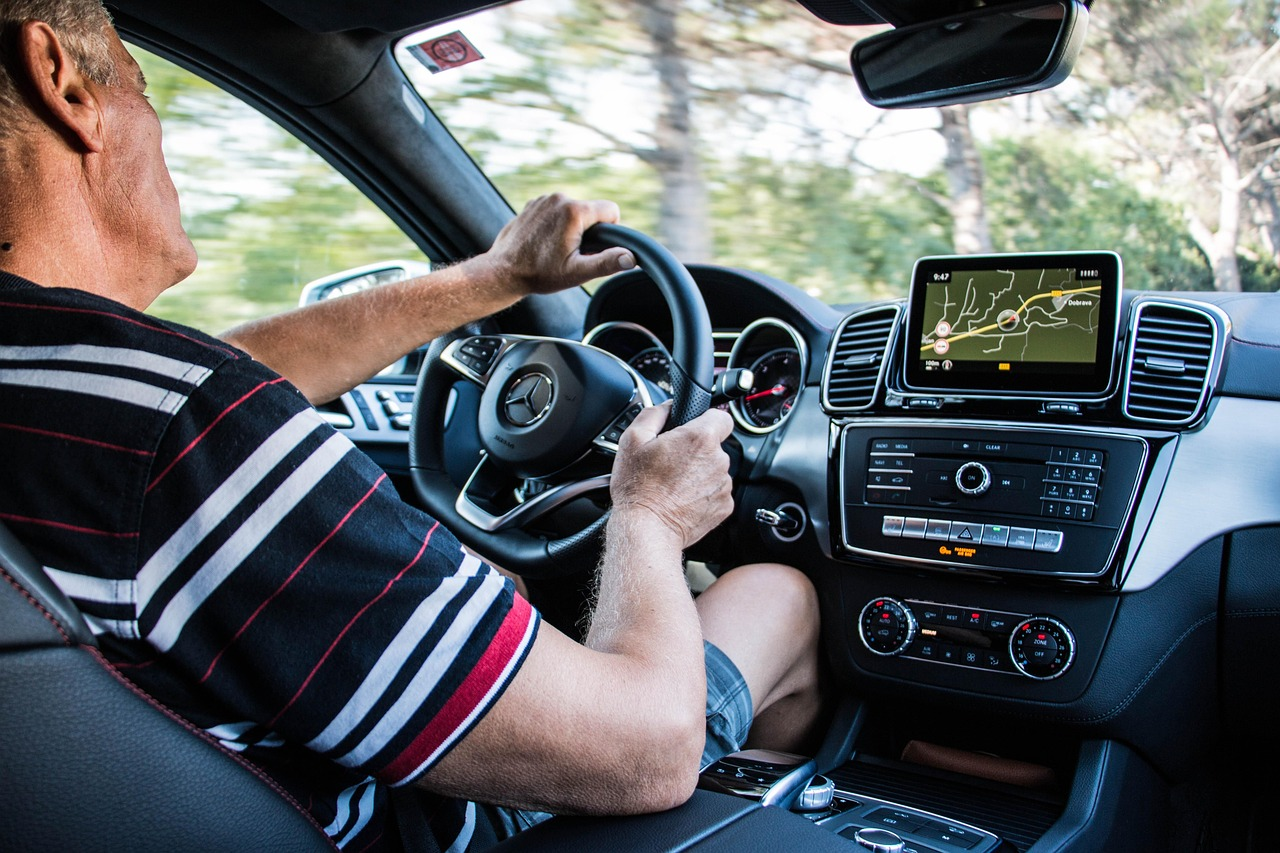
Cruise control in a car has become one of the most practical features for highway driving, especially as India's road infrastructure continues expanding. This technology allows your vehicle to maintain a steady speed without constant pressure on the accelerator pedal, making long journeys more comfortable and fuel-efficient.
With the rapid expansion of the automotive market in India, road networks are experiencing increased traffic density, congestion, and associated safety risks. This environment makes the simple act of maintaining a steady speed more challenging for drivers. Therefore, understanding how cruise control works becomes essential for modern drivers. This guide explains everything you need to know about this helpful driving aid.
What Is Cruise Control?
Cruise control in a car is an electronic system that automatically maintains your vehicle's speed without requiring continuous accelerator input. This technology has become increasingly common in modern vehicles and offers significant benefits for highway driving.
Definition and Basic Functionality
Cruise control functions as an electronic system that takes over throttle control once you set a desired speed. The system uses sensors and actuators to monitor your vehicle's speed continuously and make micro-adjustments to maintain the preset pace. When engaged, you can remove your foot from the accelerator while the car maintains constant speed automatically.
History and Evolution of Cruise Control
The history of cruise control began in the early 1900s with a basic speed control lever in the Wilson-Pilcher car. However, the modern version was invented in 1948 by Ralph Teetor, a blind engineer frustrated by inconsistent driving. His "Speedostat" system debuted in the 1958 Chrysler Imperial as "Auto-Pilot" before being popularised by Cadillac as "cruise control." Its adoption significantly increased after the 1973 oil crisis, as it proved effective in saving fuel by maintaining a consistent speed.
How Cruise Control Works: The Science Behind It
Modern cruise control systems operate through sophisticated electronic feedback loops. The process works as follows:
- Driver sets desired speed using control buttons
- ECU records target speed and current throttle position
- Speed sensors continuously monitor wheel rotation
- ECU compares actual speed with target speed
- Throttle actuator makes real-time adjustments to maintain speed
Types of Cruise Control Systems
Different cruise control systems offer varying levels of automation and functionality. Understanding these types helps you choose the right vehicle or aftermarket solution for your needs.
|
|
|
|
|
|---|---|---|---|
| Primary Mechanism | Electromechanical or electronic linkage to the throttle. | Radar and/or camera sensors to monitor the road ahead. | Advanced radar and software are integrated with other ADAS features. |
| Ideal Driving Condition | Highways with minimal traffic and consistent speed limits. | Highways or major roads with moderate to heavy traffic and occasional slowdowns. | Highways or major roads with moderate to heavy traffic, including smooth stop-and-go. |
| Speed Adjustment | Manual (Driver must brake or accelerate) | Automatic (System adjusts speed to maintain safe distance) | Automatic (Advanced, smoother, and more flexible speed adaptation) |
How to Use Cruise Control in a Car
Operating cruise control effectively requires understanding the control layout and proper activation procedures. Most systems share similar button configurations and operational steps.
Activating and Setting Speed
Cruise control buttons are typically located on or near the steering wheel, including ON/OFF, SET, RESUME, and CANCEL functions. The activation process involves:
- Accelerate to your desired speed
- Press the cruise control ON button
- Press SET to engage the system at the current speed
- Remove your foot from the accelerator
Adjusting Speed and Distance (for Adaptive Systems)
Speed adjustments use '+' and '-' buttons for incremental changes. Adaptive systems offer additional distance settings, allowing you to choose following distances from the vehicle ahead.
When and How to Cancel or Resume
Cruise control cancels upon braking (or clutching in manual cars). Use RESUME for the last speed, or CANCEL/OFF to deactivate the system entirely.
Benefits of Using Cruise Control
Cars with cruise control offer multiple advantages that improve driving comfort, fuel economy, and safety during highway travel.
Reduced Driver Fatigue
Long-distance driving typically causes significant foot and leg fatigue from constant accelerator pressure. Cruise control eliminates this continuous load, preventing ailments like ligament pain and numbness.
Improved Fuel Efficiency
Cruise control delivers measurable fuel savings through consistent speed maintenance. The system enables engines to operate at steady RPMs, optimising fuel consumption patterns. Studies show that cruise control can help you save on gas on average by 7–14%, while long highway journeys can see efficiency improvements of 10 to 15 percent.
Enhanced Safety and Speed Regulation
Cruise control helps prevent unintentional speeding, particularly on wide highways with good visibility where drivers often exceed limits without realising. Given that over-speeding was responsible for 68.1% of deaths in 2023, according to Ministry data, speed regulation becomes crucial for road safety.
Increased Driving Comfort
Beyond fatigue reduction, cruise control significantly improves overall driving comfort. The system reduces stress during traffic management and allows better concentration on road conditions.
Safety Tips and Limitations of Cruise Control
While cruise control offers numerous benefits, understanding its limitations ensures safe usage in various driving conditions.
When Not to Use Cruise Control (e.g., Rain, Traffic, Curves)
Avoid cruise control in rainy conditions. Reduced visibility and potential hydroplaning or tyre slippage require manual speed control for safety and vehicle stability.
Challenges with Adaptive Cruise Control
Adaptive systems face limitations in extreme weather conditions, as rain, fog, and snow can interfere with sensor performance. Complex traffic scenarios, particularly common on Indian roads with unpredictable driver behaviour, can impact system accuracy and response times.
Driver Responsibility and Awareness
Cruise control assists, but never replaces, active driving. Drivers must maintain vigilance and focus, prepared for immediate reaction to changing road conditions.
Common Issues and Troubleshooting
Understanding common cruise control problems helps identify when professional service is needed and when simple solutions might resolve issues.
Why Cruise Control May Not Engage
Several conditions prevent cruise control activation. The system will not engage if your transmission is in Park, Neutral, Reverse, or Low gear, or if you're travelling below the minimum speed threshold of 25-30 mph.
Common technical issues include:
- Blown fuses in the cruise control circuit
- Faulty speed sensors preventing accurate speed detection
- Defective brake light switches
- Worn control buttons or switches
- Servo or actuator failures
Problems Specific to Manual Transmission Cars
Manual transmission usage is challenging: the clutch switch disengages the system upon shifting. Drivers must manually shift to maintain optimal RPMs, which frequently interrupts the cruise control experience during speed changes.
Typical Malfunctions and How to Address Them
Speed sensor failures represent the most common cruise control problem, preventing accurate speed information from reaching the PCM. Motor malfunctions in electro-mechanical systems directly impact throttle control, while brake light issues can permanently disable the system.
Cruise Control in Today's Cars
The cruise control landscape has transformed dramatically, with features once exclusive to luxury vehicles now available across various price segments.
Widespread Availability and Popular Car Models With Cruise Control
Modern cars with cruise control span multiple price ranges, with the technology now available in vehicles under ₹10 lakh. The cheapest options include the Tata Tiago starting at ₹4.57 lakh, Hyundai Grand i10 Nios at 5.98 lakh.
Disclaimer: Prices are indicative and subject to change. Please verify with the manufacturer/dealer.
Integration with Modern Car Technology
Modern cruise control integrates seamlessly with Advanced Driver Assistance Systems (ADAS). Based on the solution, the Adaptive Cruise Control (ACC) segment dominated the market with a revenue share of 19.9% in 2024, highlighting its importance in automotive safety technology.
ADAS Level 2 systems combine cruise control with features like lane-keeping assist, emergency braking, and auto-parking capabilities. These integrated systems work together to provide comprehensive driving assistance while maintaining driver responsibility for vehicle control.
Aftermarket Cruise Control Devices (e.g., Aha NexCruise)
Aftermarket solutions like Aha NexCruise bring cruise control functionality to vehicles lacking factory-installed systems. This plug-and-play device costs approximately ₹19,990-27,490 and offers universal compatibility. The device installs without voiding the warranty or altering vehicle systems permanently, making it an attractive option for older vehicles.
Your Smart Car Insurance Journey
Understanding how cruise control works helps you appreciate the safety features in modern vehicles, but protecting your investment requires comprehensive car insurance coverage. Royal Sundaram offers car insurance designed for today's technology-equipped vehicles. Key benefits include complete protection with an extensive 7,600+ cashless garage network, comprehensive invoice price coverage, and seamless digital management.
FAQs
Cruise control is an electronic system that automatically maintains your vehicle at a set speed without requiring constant accelerator pedal pressure. It uses sensors and throttle control to keep a consistent speed during highway driving.
Adaptive cruise control adds radar sensors and cameras to monitor traffic ahead, automatically adjusting speed to maintain safe following distances. Traditional cruise control only maintains a fixed speed without traffic awareness.
Avoid cruise control during rainy conditions, heavy traffic, winding roads, hilly terrain, and areas with poor visibility. Also avoid it when animals or unpredictable obstacles are common on the road.
Yes, but with limitations. Manual transmission cruise control disengages when you press the clutch pedal, requiring manual gear changes to maintain optimal engine RPM during speed variations.
Yes, cruise control can improve fuel efficiency by maintaining constant speeds, reducing fuel consumption fluctuations caused by variable accelerator input. This results in more consistent engine operation.
Locate cruise control buttons on your steering wheel, accelerate to desired speed, press ON button, then press SET to engage the system at the current speed. Remove your foot from the accelerator pedal.
Yes, devices like Aha NexCruise offer plug-and-play cruise control installation. These systems work with most cars manufactured after 2012 without voiding the warranty.
Adaptive cruise control assists drivers but requires constant human attention and isn't fully self-driving technology.
Cruise control in a car struggles significantly on curved roads, steep hills, and mixed traffic conditions common in India.


Discover the perfect insurance plan for you!
Get your free quote now!
Get StartedBy Clicking on Get Started, You agree to our Terms and Conditions and override DNC/NDNC registration.
More like this
View more
.png)