
You have been Successfully Subscribed to Newsletter


Speedometer vs Odometer – How They Work and Why They Matter
March 11, 2026 • 10 Min Read
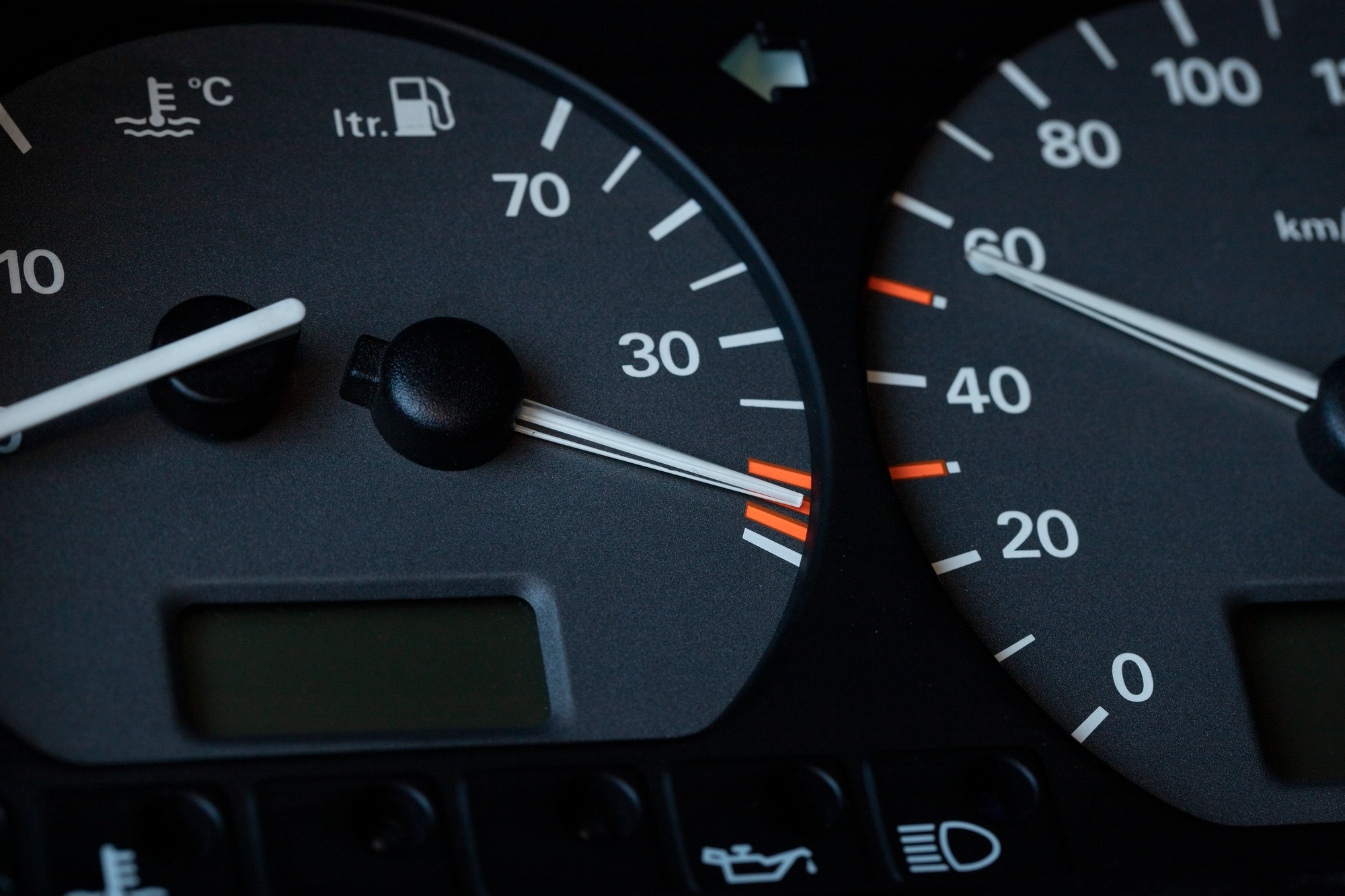
What is a Speedometer?
A speedometer measures your vehicle's instant speed and serves as your primary tool for safe driving and legal compliance. This instrument displays real-time speed readings, helping you maintain appropriate speeds and avoid traffic violations.
Definition and Purpose
A speedometer is a gauge that measures and displays the instantaneous speed of a vehicle. In India, speedometers show speed in kilometres per hour (km/h), allowing drivers to monitor their current speed and maintain safe driving practices. The instrument measures speed at any given moment, providing what's known as instantaneous speed rather than average speed over time.
According to Indian Motor Vehicle Act regulations, functional speedometers are legally required, with traffic police issuing challans ranging from ₹500-2000 for vehicles with non-functional speedometers. This makes timely speedometer repairs essential for legal compliance.
How a Speedometer Works
Modern speedometers work by measuring the rotational speed of vehicle components, typically the wheels or transmission. Here's how the process works:
- Sensor Detection: Electronic sensors mounted in the transmission or wheels detect rotation
- Signal Processing: These sensors convert wheel rotations into electrical pulses
- Speed Calculation: The vehicle's ECU processes these pulses and calculates speed
- Display Output: The calculated speed appears on your dashboard display
The frequency of electronic pulses corresponds to the rotational speed of the driveshaft, which directly relates to vehicle speed, assuming the wheels have full traction.
Types of Speedometers: Analog vs Digital
The following table compares the two main speedometer types available in Indian vehicles:
|
|
|
|
|---|---|---|
| Display Method | Needle on dial | Electronic readout |
| Accuracy | Good | More precise |
| Durability | Mechanical wear over time | Fewer moving parts |
| Night Visibility | Adequate | Superior |
| Additional Features | Limited | Multiple data displays |
| Cost | Lower | Higher |
Digital speedometers are increasingly common in modern vehicles because they provide more accurate readings and integrate better with other vehicle systems.
Modern Features and Applications
Today's speedometers offer advanced capabilities beyond basic speed measurement:
- Smart Integration: Communication with navigation and entertainment systems
- Multi-Function Displays: Turn-by-turn directions and music information
- Safety System Support: Integration with ABS and traction control systems
- Trip Computer Functions: Average speed calculations and fuel economy data
- GPS Verification: Speed validation through satellite positioning
What is an Odometer?
An odometer tracks the total distance your vehicle has travelled throughout its lifetime, serving as a crucial tool for maintenance scheduling, resale valuation, and legal documentation. This instrument provides cumulative distance readings that continuously increase as you drive.
Definition and Purpose
An odometer is an instrument that measures the total distance travelled by a vehicle from its first use. The device displays readings in kilometres in India and serves multiple important purposes including maintenance scheduling, vehicle valuation, and warranty tracking. Unlike speedometers, odometers provide cumulative rather than instantaneous measurements.
The primary purpose involves measuring total distance travelled, helping determine maintenance milestones such as tyre rotations and oil changes. Dealers also use odometer readings to estimate vehicle valuation in the used car market.
How an Odometer Works
Odometers function by counting wheel rotations and converting them into distance measurements:
- Rotation Monitoring: The system tracks wheel or transmission rotations
- Mathematical Calculation: Distance equals wheel rotations multiplied by tyre circumference
- Electronic Processing: Modern systems use sensors to send signals to microprocessors
- Data Storage: The calculated distance is stored in the vehicle's ECU
- Display Update: The odometer reading increases continuously
The calculation assumes standard tyre size, so changing tyre dimensions can affect accuracy.
Types of Odometers: Mechanical vs Digital
Here's a comparison of mechanical and digital odometer systems:
|
|
|
|---|---|
| Use gears and rotating dials for operation | Employ electronic sensors for distance tracking |
| Convert wheel rotations through mechanical gear systems | Display readings digitally with greater accuracy |
| More vulnerable to tampering | Include additional features like trip distance and fuel efficiency |
| Can wear out over time | Offer better tampering resistance |
Uses and Importance for Maintenance and Resale Value
Odometer readings serve several critical functions in vehicle ownership:
Maintenance Scheduling:
- Oil changes every 10,000 km
- Major services at 50,000 km intervals
- Tyre replacements based on distance travelled
- Warranty claim validation
Resale Value Impact:
- Low-mileage vehicles command higher prices
- Accurate readings build buyer confidence
- Service history documentation
- Insurance premium calculations
Mileage significantly influences resale value, with low-mileage cars receiving better market deals than high-mileage vehicles.
Key Differences Between Speedometer and Odometer
The speedometer and odometer difference lies in their fundamental purposes, measurement types, and applications. While both instruments are essential for vehicle operation, they provide completely different types of information.
Purpose and Information Provided
The core difference between speedometer and odometer centres on their measurement focus:
|
|
|
|
|---|---|---|
| Primary Function | Measures current speed | Records total distance |
| Reading Type | Instantaneous | Cumulative |
| Data Changes | Constantly fluctuates | Always increases |
| Usage Focus | Real-time driving | Historical tracking |
Reading Types: Instantaneous vs Cumulative
Speedometers provide instantaneous speed measurements, showing how fast your vehicle moves at any given moment. This real-time data helps maintain safe speeds and comply with traffic regulations.
Odometers offer cumulative distance readings that build your vehicle's complete travel history. These readings never decrease and create a permanent record of vehicle usage.
Measurement Units
In India, both instruments follow standardised measurement units:
- Speedometer: Displays speed in kilometres per hour (km/h)
- Odometer: Shows distance in kilometres (km)
International markets may use miles per hour (mph) and miles respectively, but Indian vehicles consistently use metric measurements.
Location and Visibility
Both instruments typically appear within the dashboard instrument cluster for optimal driver visibility. The speedometer usually occupies a prominent position for easy reference while driving, while the odometer often appears as a smaller digital display nearby.
Reset and Tampering Concerns
This represents a critical speedometer vs odometer distinction:
Speedometer Reset:
- Naturally resets to zero when the vehicle stops
- Cannot be permanently altered
- Temporary malfunctions don't affect historical data
Odometer Tampering:
- Illegal in most countries, including India
- Affects vehicle valuation and buyer trust
- Can result in legal consequences and financial penalties
- Detection methods exist to identify tampering
Why Are Speedometers and Odometers Important?
These instruments serve crucial roles in vehicle safety, legal compliance, maintenance scheduling, and financial protection. Understanding their importance helps you make informed decisions about vehicle care and operation.
For Safe Driving and Speed Regulation
Speedometers play a vital role in road safety by enabling drivers to monitor their speed and comply with traffic regulations. By maintaining appropriate speeds, drivers can avoid dangerous situations and reduce accident risks.
India's 2024 road accident data shows that human error contributes to 70% of traffic accidents, with speeding being a major factor. Functional speedometers help address this critical safety concern.
For Vehicle Maintenance and Servicing
Odometer readings guide essential maintenance schedules based on distance travelled:
- Regular Services: Oil and filter changes after fixed kilometre counts
- Major Overhauls: Comprehensive checks at fixed intervals
- Component Replacements: Tyres, brakes, and filters based on usage
- Warranty Compliance: Manufacturer service requirements
Proper maintenance scheduling based on accurate odometer readings can extend vehicle life and prevent costly repairs.
Impact on Vehicle Resale and Insurance
Odometer readings significantly influence vehicle valuation and insurance considerations:
Resale Value Factors:
- Lower mileage typically indicates less wear
- Accurate readings build buyer confidence
- Service history correlation with distance travelled
- Market pricing based on mileage brackets
Insurance Implications:
- Premium calculations consider annual mileage
- Claims processing may reference odometer readings
- Usage-based insurance policies rely on distance data
Legal and Safety Considerations
Both instruments carry legal significance under Indian regulations:
- Mandatory Equipment: Functional speedometers are legally required
- Traffic Enforcement: Police use speedometer readings for violation detection
- Odometer Fraud: Tampering with odometer readings violates consumer protection laws
- Documentation Requirements: Accurate readings support vehicle registration and transfers
Common Issues and Maintenance Tips
Understanding common problems with these instruments helps you identify issues early and maintain accurate readings throughout your vehicle's life.
Speedometer Accuracy and Challenges
Several factors can affect speedometer accuracy:
Common Causes of Inaccuracy:
- Incorrect tyre size after replacements
- Faulty speedometer cables or sensors
- Vehicle modifications affecting calibration
- Normal wear and tear over time
Accuracy Testing Methods:
- GPS device comparison during steady driving
- Professional calibration services
- Radar speed gun verification
- Highway milestone timing tests
Odometer Tampering and Legal Risks
A study of over one million vehicles reveals that one in 20 cars shows odometer tampering signs. This practice can inflate vehicle prices by ₹50,000-₹2 lakh, creating significant financial risks for buyers.
Legal Consequences:
- Consumer protection violations
- Fraud charges under Indian Penal Code
- Financial penalties and compensation requirements
- Criminal prosecution in severe cases
Detection Methods:
- Service record verification
- Digital system analysis
- Physical wear pattern inspection
- Professional forensic examination
How to Repair or Replace Faulty Devices
Professional mechanics can repair or replace faulty speedometers and odometers:
General Repairs:
- Basic sensor replacements
- Cable repairs
- Digital display issues
- Complete unit replacement
Common Solutions:
- Speed sensor replacement for both instrument failures
- Cable repairs for mechanical systems
- ECU reprogramming for digital issues
- Complete instrument cluster replacement in severe cases
Your Road to Smart Vehicle Protection
Understanding the difference between speedometer and odometer helps you make informed decisions about vehicle maintenance, safety, and financial protection. These instruments provide crucial data for responsible vehicle ownership and legal compliance.
Royal Sundaram General Insurance recognises the importance of comprehensive protection and offers robust car insurance policies to help keep your vehicle protected.
Key Coverage Benefits:
- Comprehensive Protection: Coverage for accidents, theft, fire, and natural disasters
- Extensive Network: Huge network of cashless garages nationwide
- Quick Claims: 24x7 roadside assistance (with add-on) and fast claim settlement
Frequently Asked Questions
Tampering with or resetting an odometer is illegal in India and most countries worldwide. This practice affects vehicle valuation, violates consumer protection laws, and can result in fraud charges with financial penalties. There are a number of ways like cross-checking service records and OBD scans that can easily help detect tampered meters.
A speedometer measures speed by tracking wheel or transmission rotations through electronic sensors. These sensors convert rotational data into electrical signals, which the vehicle's ECU processes to calculate and display current speed.
Digital systems offer greater accuracy, better tampering resistance, and additional features like trip computers. Analog systems use mechanical components that can wear over time but are generally more affordable and easier to repair.
Odometer readings guide essential maintenance schedules, including oil changes and major services at specific mileage intervals. Accurate readings help maintain warranty compliance and prevent costly repairs.
Yes, professional mechanics can repair faulty speedometers, typically by replacing speed sensors, cables, or digital components.
Accuracy depends on factors like tyre size, sensor condition, and calibration. Digital systems generally provide better accuracy than mechanical versions, but both can be affected by modifications or component wear.
Both instruments are typically located in the dashboard instrument cluster for optimal driver visibility. The speedometer usually occupies a prominent position, while the odometer appears as a digital display nearby.


Discover the perfect insurance plan for you!
Get your free quote now!
Get StartedBy Clicking on Get Started, You agree to our Terms and Conditions and override DNC/NDNC registration.
More like this
View more


.png)