
You have been Successfully Subscribed to Newsletter


Drink and Drive Penalty in India: Rules and Fines
May 11, 2026 • 10 Min Read
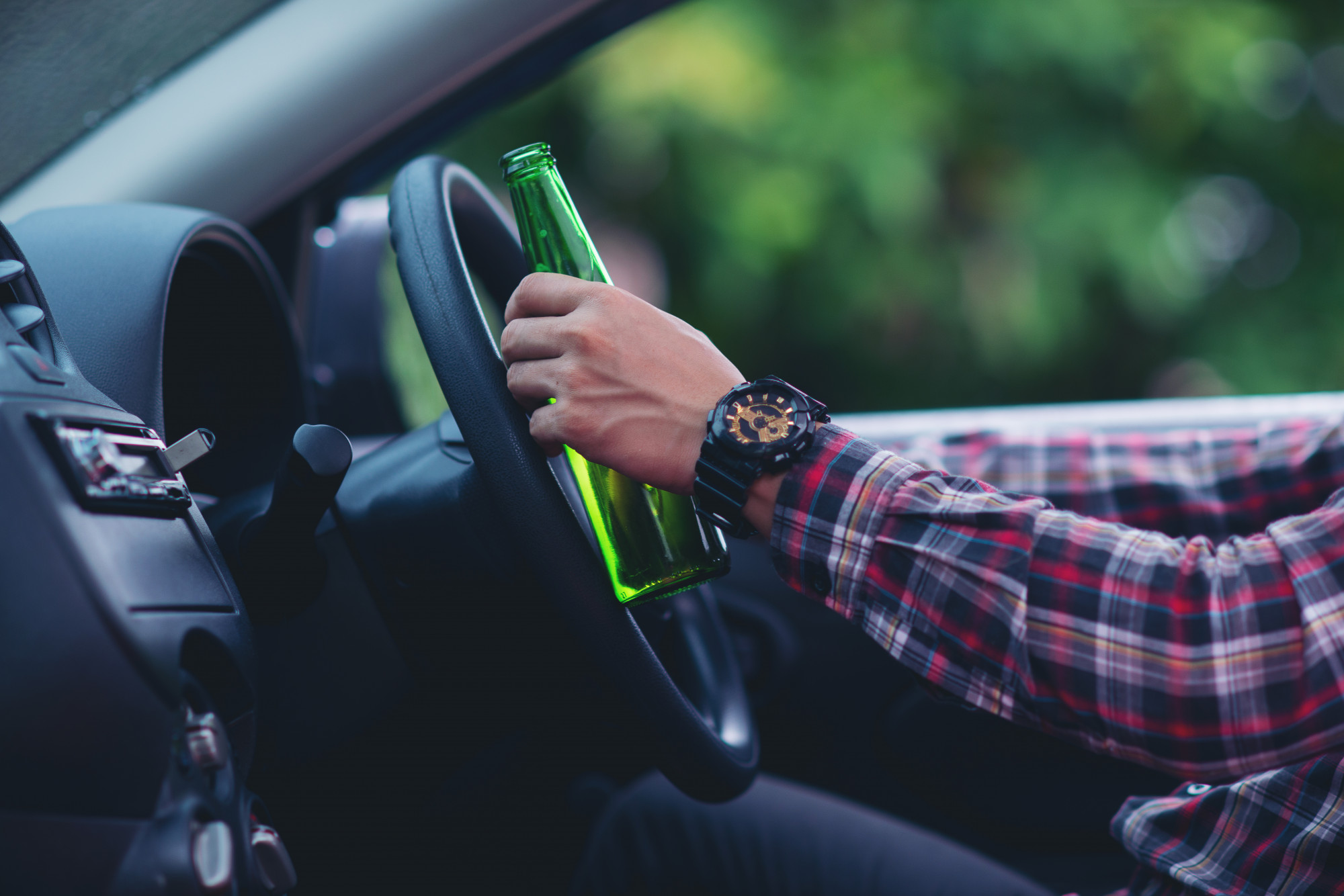
Every year, thousands of families face devastating losses due to drunk driving accidents. Drink and drive penalty laws in India have become stricter to combat this growing menace that claims lives and destroys futures. The consequences extend far beyond traffic fines, affecting your driving licence, insurance premiums, and criminal record.
Understanding these laws helps you make responsible choices and protect yourself from severe legal and financial consequences. Let's explore the complete framework of India's drunk driving regulations and their real-world implications.
Understanding Drink and Drive Penalty in India
Indian law takes a zero-tolerance approach to intoxicated driving, with strict penalties designed to deter offenders and protect road users. The Motor Vehicle Act 1988, enhanced by the 2019 amendments, establishes clear guidelines for what constitutes drunk driving and the consequences that follow.
What Constitutes Drunk Driving
Drunk driving in India occurs when your blood alcohol content exceeds 30mg per 100ml of blood (0.03% BAC). The law also covers driving under the influence of drugs that impair your ability to control a motor vehicle safely.
Key factors that define drunk driving include:
- Blood alcohol content exceeding the legal limit
- Impairment due to drugs affecting motor control
- Attempting to operate any motor vehicle while intoxicated
- Demonstrable inability to safely control the vehicle
Legal BAC Limit in India
India maintains a BAC limit of 0.03% for private vehicle drivers, positioning the country among nations with relatively strict regulatory standards. Commercial vehicle drivers face an even lower threshold of 0.03% BAC, reflecting their greater responsibility on roads.
The breathalyser test serves as the primary method for measuring BAC levels during traffic stops. Many states are pushing toward zero-tolerance policies for commercial drivers, where even minimal alcohol traces can result in immediate licence suspension.
Relevant Laws and Sections (Motor Vehicle Act, IPC)
Section 185 of the Motor Vehicle Act 1988 forms the backbone of drunk driving legislation in India. This section establishes the legal BAC limit and outlines basic penalties for violations. The Motor Vehicle Amendment Act 2019 significantly increased these penalties to create stronger deterrents.
The Indian Penal Code adds another layer of consequences when drunk driving causes harm:
- Section 304 IPC: Causing death while driving under influence (up to 10 years or life imprisonment)
- Section 338 IPC: Causing grievous injury (up to 2 years imprisonment)
Under the Bharatiya Nyaya Sanhita 2023, the penalty for causing death due to drunk driving has been raised to mandatory imprisonment of up to five years, along with potential fines.
Fines and Penalties for Drink and Drive Offences
The penalty structure for drunk driving escalates significantly with repeat offences, combining financial punishments with imprisonment and licence restrictions. These charges for drunk driving have increased substantially since 2019 to create meaningful deterrents.
1. First Offense Penalties
First-time offenders face substantial consequences under current laws. You could receive a fine of up to ₹10,000 and imprisonment for up to six months.
Additional first-offense consequences include:
- Minimum six-month licence suspension
- Possible vehicle detention
- Mandatory court appearance
- Criminal record creation
2. Repeat Offense Penalties
Repeat offenders within three years face escalated punishment for drunk and drive violations. The fine increases to ₹15,000 with potential imprisonment extending to two years.
Repeat offense consequences:
- ₹15,000 fine and/or two years imprisonment
- Licence suspension for minimum two years
- Potential permanent licence revocation
- Vehicle impoundment possibilities
- Enhanced criminal penalties
3. Penalties for Different Vehicle Types
The law applies uniform penalties across all vehicle categories, treating two-wheeler, four-wheeler, and three-wheeler operators equally. However, commercial vehicle drivers face additional scrutiny due to their professional responsibilities and public safety obligations.
Commercial drivers experience:
Commercial drivers experience:
- Lower BAC tolerance levels
- Immediate disqualification from commercial driving
- Enhanced liability for passenger safety
- Stricter enforcement during routine checks
4. Additional Legal Consequences (Imprisonment, License Suspension)
Beyond fines, drunk driving convictions carry serious long-term implications. Courts have the authority to impose sentences based on case specifics, with magistrates considering factors like BAC levels, prior offenses, and any resulting harm.
The Supreme Court Committee on Road Safety mandates licence suspension for not less than three months for drunk driving violations. Vehicle impoundment adds another layer of consequences, particularly for repeat offenders.
State-wise Variations in Drink and Drive Penalties
While the Motor Vehicle Act 2019 establishes uniform base penalties across India, states retain authority to implement stricter enforcement measures and add supplementary regulations. This creates variations in how drink and drive penalty laws are applied and enforced.
Overview of State-wise Fine Differences
Most Indian states begin with the standard ₹10,000 fine for first-time offenses, but enforcement intensity and additional measures vary significantly. States can interpret laws with added strictness, creating regional differences in practical application.
The uniform base structure includes:
- ₹10,000 minimum fine for first offense
- ₹15,000 minimum fine for repeat violations
- State discretion for additional penalties
- Varying enforcement intensity levels
Examples from Major States (Maharashtra, Delhi, Karnataka, Tamil Nadu, etc.)
Different states have adopted varying approaches to drunk driving enforcement, reflecting local priorities and resources.
|
|
|
|
|
|---|---|---|---|
| Maharashtra | ₹10,000 | 6-month imprisonment/licence suspension | Weekend/holiday checks in Mumbai, Pune |
| Delhi | ₹10,000 | 6-month licence suspension for repeat offences | CCTV monitoring, surprise checks |
| Karnataka | ₹10,000 | 6-month imprisonment/licence suspension | Bengaluru surveillance cameras |
| Tamil Nadu | ₹10,000 | 6-month imprisonment/vehicle impoundment | Chennai, Coimbatore holiday enforcement |
Disclaimer: Penalties are indicative and subject to change. Please verify with local authorities.
Special Penalties Near Sensitive Areas (Schools, Highways)
Some states impose enhanced penalties in specific zones, particularly around schools and on high-risk highways. Some states also have stricter laws for drivers on high-risk roads and tourist areas.
What Happens When You Are Caught Drinking and Driving
The process of drunk driving enforcement follows established protocols designed to ensure fair testing and proper documentation. Understanding this process helps you know your rights and obligations during such encounters.
Procedure for Testing BAC (Breathalyzer, Blood Test)
Law enforcement officers use breathalyser tests as the primary method for determining intoxication levels. You must cooperate with traffic police when asked to provide a breath sample, as refusal carries additional penalties.
Testing procedures include:
- Roadside breathalyser analysis
- Police station blood tests when necessary
- Medical supervision for blood sampling
- Documentation of all test results
Issuance of Challan and Detainment of Vehicle
Upon confirming a violation, traffic police issue a traffic challan outlining the specific offense, fine amount, and legal consequences. A 20% jump was seen in drunk driving prosecution cases in 2024, with 5,384 violators booked by police in just three months compared to 2023.
The challan process involves:
- Immediate citation issuance
- Vehicle detention possibilities
- E-challan notifications via registered mobile or email
- 60-day payment deadline for electronic challans
Possible Arrest and Court Procedures
When your BAC exceeds permissible limits, officers may take you to the nearest police station for processing. The judicial system ensures your rights while processing the case according to established legal procedures.
Court procedures include:
- Formal charge sheet recording
- Right to legal defence
- Magistrate sentencing based on case specifics
- Mandatory court appearance requirements
Consequences of Refusing Tests
Refusing breathalyser tests constitutes a separate violation with automatic penalties. You cannot legally refuse testing when requested by traffic officers, and refusal typically results in arrest and forced testing at police stations.
Refusal consequences:
- Automatic licence suspension
- Additional fines beyond drunk driving penalties
- Mandatory arrest and station processing
- Blood or urine sampling with medical consent
How to Pay Drink and Drive Fines
The government has streamlined fine payment processes through digital platforms, making it easier to resolve violations quickly and avoid additional complications.
Online Payment Process (State Transport Websites, Parivahan Portal)
The Parivahan portal and state transport websites offer convenient online payment options for drunk driving fines. These platforms accept various payment methods and provide immediate confirmation receipts.
Online payment steps:
- Visit Parivahan website or state transport portal
- Select "e-challan" or "Traffic Violation Payment"
- Enter challan number or vehicle registration
- Complete payment using preferred method
- Download payment confirmation receipt
Offline Payment Process (Traffic Police Stations)
Traditional payment methods remain available through traffic police stations across the country. This option works well for those preferring in-person transactions or lacking digital access.
- E-challan printout or violation notice
- Valid driving licence
- Vehicle registration details
- Payment receipt collection
Using Digital Wallets and Payment Apps (Paytm, Google Pay, PhonePe)
Modern payment platforms like Paytm, Google Pay, and PhonePe accept drunk driving fine payments, offering convenience and instant processing. These apps integrate with government payment systems for seamless transactions.
Accepted digital payment methods:
- UPI-based applications
- Digital wallets
- Credit and debit cards
- Net banking options
Impact of Drink and Drive Penalties on Motor Insurance
Drunk driving violations create significant complications for your motor insurance coverage, affecting both current claims and future policy terms. Insurance companies view these violations as high-risk behaviour requiring careful management.
Increase in Premiums and Policy Risks
Drunk driving convictions may result in substantial premium increases lasting several years while drunk driving violations affect coverage eligibility and pricing.
It's impact includes:
- Automatic risk category elevation
- Multi-year premium increases
- Policy renewal complications
- Limited insurer options
Possible Insurance Cancellation or Non-Renewal
Insurance companies may cancel policies or refuse renewal following drunk driving convictions. Policy terms typically exclude coverage for accidents occurring under alcohol influence, leaving violators financially vulnerable.
Long-term Insurance Implications for Offenders
Drunk driving convictions remain on your record, significantly affecting insurance costs throughout this period.
Long-term consequences include:
- Extended high-risk classification
- Limited policy options
- Specialised high-risk insurance requirements
- Difficulty obtaining comprehensive coverage
Tips to Avoid Drinking and Driving
Prevention remains the most effective strategy for avoiding drunk driving penalties and their severe consequences. Smart planning and responsible decision-making protect you from legal troubles and potential accidents.
1. Planning Ahead and Designated Drivers
Appointing a designated driver before drinking ensures safe transportation while allowing others to enjoy social activities responsibly.
2. Alternative Transport Options
Modern transportation options make avoiding drunk driving easier than ever. Ride-sharing services, taxis, and public transportation provide safe alternatives to driving after drinking.
3. Understanding the Risks and Legal Consequences
About 70% of the 461,312 road accidents recorded in 2022 involved road users aged 18-45 years, highlighting the serious safety risks associated with impaired driving. Even at the 0.03% BAC limit, critical driving skills become compromised, with slower reaction times and impaired judgment.
Securing Your Journey with Smart Insurance
Understanding drink and drive penalty laws helps you make responsible choices that protect both your safety and financial well-being. The severe consequences of drunk driving violations extend far beyond immediate fines, affecting your insurance coverage, driving privileges, and criminal record for years.
Royal Sundaram General Insurance offers comprehensive car insurance designed to protect responsible drivers. With a strong network of over 10,000 cashless garages and customisable policies, Royal Sundaram provides peace of mind for law-abiding drivers. However, remember that driving under alcohol influence voids insurance coverage, making responsible driving essential for maintaining protection.
Frequently Asked Questions
The legal BAC limit in India is 0.03% (30 mg per 100 ml blood) for private vehicle drivers and 0.04% for commercial drivers. Some states are implementing zero-tolerance policies for commercial vehicles.
First-time offenders face fines up to ₹10,000 and imprisonment up to 6 months, along with minimum 6-month licence suspension and possible vehicle detention.
Repeat offences within three years result in ₹15,000 fines and up to 2 years imprisonment, with licence suspension for minimum 2 years and potential permanent revocation.
Yes, penalties apply uniformly to two-wheelers, cars, commercial vehicles, and three-wheelers, though commercial drivers face stricter BAC limits and additional professional consequences.
Use the Parivahan portal or state transport websites by entering your challan number or vehicle registration, then complete payment using cards, UPI, or digital wallets.
Refusing tests results in automatic arrest, licence suspension, additional penalties beyond standard drunk driving fines, and forced testing at police stations.
Yes, drunk driving violations increase premiums significantly, may cause policy cancellation, and exclude coverage for alcohol-related accidents, affecting insurance for at least 4 years.
Digital wallets like Paytm, Google Pay, PhonePe, and UPI are accepted for paying drink and drive fines across India. Payments can be made using these methods on official e-challan sites or apps, often alongside cards and net banking, though availability varies by state like Maharashtra, Karnataka, and Delhi.
Drink and drive fines follow national Motor Vehicles Act guidelines: ₹10,000 for first offences and ₹15,000 for repeats, often with license suspension or jail up to 6 months. Minor variations exist, such as stricter enforcement in Maharashtra and Delhi.
Some practical ways to avoid drinking and driving include pre-booking cabs, using public transport, or staying overnight at venues to eliminate driving risks. Stay aware of penalties like ₹10,000+ fines and license loss through apps or campaigns, and alternate drinks with water while eating to pace consumption safely


Discover the perfect insurance plan for you!
Get your free quote now!
Get StartedBy Clicking on Get Started, You agree to our Terms and Conditions and override DNC/NDNC registration.
More like this
View more
.png)