
You have been Successfully Subscribed to Newsletter


Electric Steering vs Hydraulic Steering: Difference Explained
June 08, 2026 • 10 Min Read
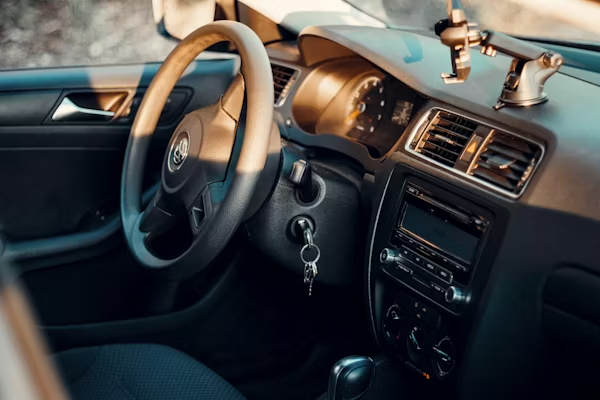
Modern cars offer two main power steering technologies that make driving easier and safer. While early Indian cars like the Daewoo Matiz introduced power steering in the 2000s, today's drivers face a choice between traditional hydraulic systems and newer electric alternatives.
Understanding the difference between hydraulic power steering and electric power steering helps you make informed decisions about your next vehicle purchase, maintenance needs, and insurance coverage. Let's explore how these systems work and which suits your driving requirements best.
What Is Power Steering?
Power steering reduces the physical effort needed to turn your car's steering wheel, making driving safer and more comfortable. This technology became essential in Indian driving conditions due to heavy traffic, frequent parking manoeuvres, and the need for quick steering responses.
Purpose and Importance of Power Steering
Power steering systems serve multiple critical functions that directly impact your driving safety and comfort. The primary purpose is to reduce the force required to steer your vehicle, especially at low speeds when parking or making tight turns.
The system helps you:
- Avoid accidents through quick steering responses during emergencies.
- Reduce driver fatigue during long journeys.
- Handle challenging road conditions more effectively.
- Maintain better vehicle control in various driving scenarios.
Without power steering, you'd struggle to turn the wheel quickly enough to avoid sudden obstacles or navigate tight parking spaces, particularly with wider tyres or heavier vehicles.
How Does Power Steering Ease Driving?
Power steering works by amplifying the force you apply to the steering wheel through mechanical or electrical assistance. When you turn the wheel, the system detects your input and provides additional force to help move the wheels in your desired direction.
The technology offers several key advantages:
Speed-Sensitive Assistance:
- More help at parking speeds
- Less assistance at highway speeds
- Optimal balance between comfort and control
Automatic Return Function:
- The steering wheel returns to the centre position after turns
- Maintains straight-line driving without constant corrections
- Reduces driver effort on long straight roads
How Hydraulic Power Steering Works
Hydraulic power steering uses pressurised fluid to assist your steering efforts, operating through a belt-driven pump connected to your engine. This system has proven reliable over decades and remains popular in many vehicles due to its consistent performance and excellent road feedback.
Core Components of Hydraulic Steering
The hydraulic system consists of several interconnected components working together to provide steering assistance. Understanding these parts helps you appreciate the system's complexity and maintenance requirements.
|
|
|
|
|---|---|---|
| Power Steering Pump | Creates hydraulic pressure | Engine bay, belt-driven |
| Steering Rack | Converts hydraulic force to wheel movement | Under dashboard |
| Fluid Reservoir | Stores hydraulic fluid | Near engine |
| High-pressure Lines | Carry pressurised fluid | Throughout system |
| Control Valve | Directs fluid flow based on steering input | Within the steering mechanism |
Disclaimer: Components may vary by vehicle model and manufacturer specifications.
Hydraulic Fluid and Its Role
Power steering fluid serves as the lifeblood of hydraulic systems, transmitting pressure throughout the network while protecting internal components. This specially formulated fluid operates under extreme conditions, withstanding high temperatures and pressures.
Key fluid properties:
- Pressure Transmission: Carries force from the pump to the steering mechanism
- Lubrication: Reduces wear between moving parts
- Seal Protection: Maintains rubber seals and O-rings
- Corrosion Prevention: Contains additives protecting metal components
The fluid must maintain consistent viscosity across temperature ranges, from cold morning starts to hot summer driving conditions common in Indian climates.
How Engine Power Drives the System
The hydraulic pump draws power directly from your engine through the serpentine belt, creating a continuous power demand regardless of steering activity. When you turn the wheel, the system directs pressurised fluid to the appropriate side of the steering rack.
- The engine drives the pump via the belt.
- The pump pressurises fluid from the reservoir.
- The control valve directs fluid based on steering input.
- Pressurised fluid assists wheel movement.
- Return fluid flows to the reservoir.
This constant operation means your engine works harder even when driving straight, impacting fuel efficiency.
Benefits of Hydraulic Steering
Hydraulic systems offer distinct advantages that many drivers prefer, particularly those who value direct connection to the road surface.
Primary advantages:
- Superior Road Feedback: Direct mechanical connection provides excellent tactile information
- Proven Reliability: Decades of refinement ensure dependable operation
- Emergency Capability: Vehicle remains steerable even if the system fails
- Cost-Effective: Generally less expensive than electric alternatives
The system excels in providing a natural steering feel, allowing experienced drivers to sense road conditions, tyre grip, and vehicle dynamics through the steering wheel.
Common Maintenance Requirements
Hydraulic systems require regular maintenance to ensure optimal performance and longevity. The maintenance schedule varies based on driving conditions and vehicle usage patterns.
Maintenance schedule:
- City Driving: Fluid change every 2–3 years
- Highway Driving: Fluid change every 30,000 miles
- Mixed Driving: Fluid change every 60,000 km
- Filter Replacement: Every 3–5 years
Signs requiring attention:
- Whining noises during steering
- Fluid leaks under the vehicle
- Stiff steering at low speeds
- Foamy or discoloured fluid
Disclaimer: Maintenance intervals may vary based on manufacturer recommendations and driving conditions.
How Electric Power Steering Works?
Electric power steering uses an electric motor and sensors to provide steering assistance, operating independently of engine speed and delivering power only when needed. This modern technology offers superior efficiency and integrates seamlessly with advanced driver assistance systems.
Key Components of Electric Steering
Electric systems use fewer components than hydraulic alternatives, resulting in simpler installation and reduced maintenance requirements. The compact design also saves weight and engine bay space.
Essential components:
- Electronic Control Unit (ECU): Processes sensor data and controls the motor
- Torque Sensor: Measures steering wheel input force
- Electric Motor: Provides steering assistance
- Reduction Gear: Amplifies motor output
- Position Sensors: Monitor steering angle and speed
These components work together to deliver precise, variable assistance based on driving conditions and driver inputs.
Sensors and Electronic Control Units
The sensor network forms the intelligence behind electric power steering, continuously monitoring multiple parameters to calculate optimal assistance levels. This sophisticated system adapts to changing conditions in real-time.
Sensor functions:
- Torque Sensor: Detects the rotation force applied by the driver
- Speed Sensor: Monitors vehicle velocity for assistance adjustment
- Angle Sensor: Tracks steering wheel position and movement
- Motor Sensors: Monitor electric motor performance and temperature
The ECU processes this information thousands of times per second, ensuring smooth and responsive steering assistance that varies with driving conditions.
Energy Efficiency and Power Usage
Electric systems operate only when steering assistance is required, significantly reducing energy consumption compared to continuously running hydraulic pumps. This efficiency improvement benefits both fuel economy and environmental impact.
Energy advantages:
- On-Demand Operation: Power used only during steering
- Fuel Savings: 1.3% improvement for midsize cars and 1.1% for large cars
- Reduced Engine Load: No continuous belt-driven pump
- Battery Efficiency: Minimal electrical system impact
The system draws power indirectly through your vehicle's electrical system, making it particularly suitable for hybrid and electric vehicles.
Integration with Modern Driver Assistance Systems
Electric power steering vs hydraulic systems show their biggest difference in technology integration capabilities. Electric systems enable advanced safety features that require computer-controlled steering intervention.
ADAS integration:
- Lane Keeping Assist: Automatic steering corrections to maintain lane position
- Automatic Parking: Computer-controlled parking manoeuvres
- Emergency Steering: Collision avoidance through steering intervention
- Autonomous Driving: Foundation for self-driving capabilities
These features rely on the system's ability to provide precise, computer-controlled steering inputs independent of driver actions.
Maintenance and Repair Considerations
Electric power steering systems require minimal routine maintenance, earning their reputation as virtually maintenance-free. However, they do require occasional calibration and sensor alignment procedures.
Maintenance requirements:
- Sensor Calibration: Required after battery disconnection or alignment work
- Software Updates: Occasional ECU programming updates
- Electrical Connections: Periodic inspection of wiring harnesses
- Motor Inspection: Visual checks for damage or contamination
Most repairs involve electronic component replacement rather than fluid changes or mechanical adjustments, often requiring specialised diagnostic equipment.
Comparing Electric vs Hydraulic Steering
The choice between electric steering and hydraulic steering involves weighing multiple factors, including performance characteristics, operating costs, and future technology compatibility. Each system offers distinct advantages depending on your priorities and driving style.
Performance Differences and Steering Feel
Modern electric systems have largely overcome early criticism about poor road feedback, though subtle differences remain between the technologies that affect driver preferences.
|
|
|
|
|---|---|---|
| Road Feedback | Improved but still filtered | Direct, unfiltered connection |
| Consistency | Uniform across all speeds | Varies with engine RPM |
| Customisation | Programmable assistance levels | Fixed characteristics |
| Response Time | Instantaneous electronic response | Slight hydraulic delay |
Disclaimer: Performance characteristics may vary between manufacturers and specific implementations.
Driving enthusiasts often prefer hydraulic systems for their authentic road feel, while most drivers appreciate electric systems' consistent and adaptable assistance.
Fuel Efficiency and Environmental Impact
Electric systems provide measurable fuel economy improvements through reduced engine load and on-demand operation, contributing to lower emissions and operating costs.
Efficiency comparison:
- Hydraulic Systems: Continuous 2–3 horsepower engine load
- Electric Systems: Power used only during steering
- Fuel Savings: Up to 0.4 litres per 100 kilometres
- Emissions Reduction: Lower CO2 output through improved efficiency
These improvements become more significant with rising fuel costs and environmental regulations in Indian cities.
Maintenance and Repair Costs
Long-term ownership costs differ significantly between the systems, with electric alternatives offering lower maintenance expenses despite higher initial purchase prices.
|
|
|
|
|---|---|---|
| Routine Maintenance | ₹2,000–4,000 annually for fluid changes | Minimal routine maintenance costs |
| Major Repairs | ₹15,000–25,000 depending on component replacement | ₹20,000–35,000 for motor, sensor, or control unit repairs |
| Service Frequency | Requires regular inspection and fluid maintenance | Occasional calibration or electronic checks |
Disclaimer: Costs are indicative and subject to change. Please verify with your service centre.
Reliability and Common Issues
Both systems demonstrate good reliability when properly maintained, though they fail in different ways and require different diagnostic approaches.
|
|
|
|
|---|---|---|
| Technology Maturity | Proven technology with long-standing use and predictable wear patterns | Newer technology with steadily improving reliability records |
| Failure Mode | Typically develops issues gradually, such as fluid leaks or pump wear | Failures may occur suddenly due to electronic or sensor-related issues |
| Repair Complexity | Mostly mechanical repairs handled with conventional workshop skills | Requires electronic diagnostics and specialised tools |
Disclaimer: Reliability, failure patterns, and repair needs may vary depending on the vehicle model, manufacturer design, maintenance, and driving conditions.
Understanding these differences helps you prepare for potential maintenance scenarios and choose appropriate service providers.
Technological Advancements and Future Trends
India's electric power steering market reflects growing adoption of advanced automotive technologies due to integration requirements and certification needs.
Market developments:
- Growing Adoption: Growing with a VAGR of 10.5% during 2020-2025
- Technology Integration: AI-powered systems learning driver preferences
- Autonomous Preparation: Foundation for self-driving capabilities
- Cost Reduction: Improving affordability through volume production
Implications on Driving Experience and Safety
Your choice of steering system directly affects daily driving comfort, safety capabilities, and long-term vehicle satisfaction. Understanding these implications helps you select the most suitable technology for your needs.
Steering Feedback and Driver Control
The tactile information transmitted through your steering wheel helps you understand road conditions, tyre grip, and vehicle dynamics. Different systems provide varying levels of this crucial feedback.
Feedback characteristics:
- Hydraulic Systems: A direct mechanical connection provides unfiltered road information
- Electric Systems: Processed feedback through electronic filters
- Driver Adaptation: Most drivers adjust to either system within weeks
- Preference Factors: Experience level and driving style influence preference
Modern electric systems increasingly match hydraulic feedback quality through improved programming and sensor technology.
Adaptability to Driving Conditions and Speeds
Electric systems excel at adapting assistance levels to match driving conditions, providing optimal support whether you're parking in tight spaces or cruising on highways.
Adaptive features:
- Parking Assistance: Maximum help at very low speeds
- City Driving: Moderate assistance for comfort and control
- Highway Cruising: Minimal assistance for stability and feedback
- Variable Ratios: Some systems adjust steering sensitivity based on conditions
This adaptability makes electric systems particularly suitable for diverse Indian driving conditions, from congested city streets to open highways.
Compatibility with Autonomous and Assistive Technologies
Electric power steering serves as the foundation for advanced driver assistance systems and future autonomous driving capabilities, making it essential for modern safety features.
Technology integration:
- Current Features: Lane keeping assist, automatic parking, emergency steering
- Future Capabilities: Full autonomous driving compatibility
- Safety Enhancement: Computer-controlled collision avoidance
- Driver Assistance: Reduced fatigue through automated functions
These capabilities represent significant safety improvements, particularly valuable in India's challenging traffic conditions.
How Steering System Choice Affects Car Insurance
Your vehicles steering tech can influence the cost of your vehicle overall, which thereby impacts your insurance premiums, coverage, and repair costs, though the impact varies between insurers and policy types.
Influence on Insurance Premiums
Insurance companies consider multiple factors when calculating premiums, including vehicle technology and safety features.
Premium factors:
- Safety Features: Electric systems with ADAS integration may lower premiums
- Repair Costs: Higher technology complexity can increase premium calculations
- Vehicle Value: More sophisticated systems often indicate higher vehicle values
- Risk Assessment: Advanced safety features generally reduce accident risk
Coverage Considerations for Repairs
Standard comprehensive insurance typically excludes routine maintenance and wear-related repairs, though coverage varies for different types of steering system failures.
Coverage aspects:
- Mechanical Breakdown: Generally excluded from standard coverage
- Accident Damage: Covered under comprehensive policies
- Roadside Assistance: Available through add-on coverage
- Component Replacement: Varies based on failure cause and policy terms
Understanding these distinctions helps you select appropriate coverage levels and additional protection options.
Impact of Advanced Features on Insurance
Vehicles equipped with electric power steering and integrated safety systems provide insurers with better data on vehicle technology and safety features, helping them assess risk more accurately and structure premiums accordingly.
Advanced feature considerations:
- Repair Complexity: Specialised systems may require authorised service centres
- Parts Availability: Advanced components may have limited repair options
- Technology Updates: Software-dependent systems may need periodic updates
Signs of Power Steering Problems
Recognising early warning signs of steering system problems helps prevent sudden failures and costly repairs, regardless of whether you have hydraulic or electric systems.
Common Symptoms for Hydraulic Systems
Hydraulic systems typically provide clear warning signs before complete failure, allowing time for preventive maintenance and repairs.
Warning signs:
- Whining Sounds: Indicate low fluid levels or pump problems
- Fluid Leaks: Visible red or brown fluid under the vehicle
- Stiff Steering: Increased effort required, especially at low speeds
- Groaning Noises: Often signal contaminated or old fluid
- Foamy Fluid: Indicates air in system or fluid contamination
Regular inspection of fluid levels and colour helps identify problems before they become serious.
Common Symptoms for Electric Systems
Electric systems often fail more suddenly than hydraulic alternatives, making early detection more challenging but equally important.
Electric system symptoms:
- Sudden Loss of Assistance: Complete power steering failure without warning
- Intermittent Operation: Assistance cutting in and out unpredictably
- Warning Lights: Dashboard indicators for system malfunctions
- Unusual Resistance: Inconsistent steering effort in different directions
- Calibration Issues: Steering not returning to centre properly
These symptoms often require electronic diagnostic equipment for accurate identification and repair.
When to Seek Professional Repair
Prompt attention to steering problems prevents dangerous driving situations and reduces repair costs through early intervention.
Immediate service required:
- Any sudden loss of power steering assistance
- Persistent warning lights or error messages
- Unusual noises during steering operations
- Visible fluid leaks or contamination
- Difficulty maintaining straight-line driving
Professional diagnosis ensures accurate problem identification and appropriate repair procedures for your specific steering system type.
Your Smart Car Insurance Choice
The difference between hydraulic power steering and electric power steering extends beyond mechanical operation to affect your insurance needs and coverage options. Whether you choose a vehicle with traditional hydraulic systems or modern electric alternatives, protecting your investment requires comprehensive insurance coverage.
Royal Sundaram General Insurance understands the unique requirements of modern Indian drivers, offering comprehensive car insurance solutions that cover both traditional and advanced automotive technologies. Our policies provide extensive coverage for accidental repairs, damage from natural disasters etc. and add-on roadside assistance, ensuring you're protected regardless of your vehicle's technology level.
Why choose Royal Sundaram:
- Comprehensive Coverage: Protection for both hydraulic and electric steering systems
- Advanced Technology Support: Coverage for ADAS-equipped vehicles
- 24/7 Customer Support: Dedicated assistance for policy queries, claim updates, and emergency guidance anytime during your policy period
- Nationwide Network: Extensive service coverage across India through 8000+ cashless garages
- Digital Services: Easy policy management and claim reporting through phone, email, website, or WhatsApp
Frequently Asked Questions
Electric power steering uses an electric motor and sensors to assist only when needed, while hydraulic systems use engine-driven pumps and pressurised fluid that operate continuously. Electric systems offer better fuel efficiency and integrate with modern safety features.
Hydraulic systems typically provide superior road feedback due to their direct mechanical connection between the steering wheel and the road surface. Electric systems filter feedback through electronic processing, though modern versions have significantly improved in this area.
Electric systems improve fuel economy by operating only when steering assistance is needed, unlike hydraulic systems that continuously draw 2-3 horsepower from the engine. This results in fuel savings of up to 0.4 litres per 100 kilometres.
Electric systems require minimal routine maintenance with no fluid changes needed, making them virtually maintenance-free. Hydraulic systems need regular fluid changes every 40,000-100,000 kilometres and have more potential failure points, resulting in higher long-term maintenance costs.
While steering type generally doesn't directly change premiums, vehicles with electric power steering and integrated ADAS features may qualify for safety discounts. However, more sophisticated systems can increase repair costs, which insurers consider in premium calculations.
Hydraulic systems typically show warning signs like whining noises, fluid leaks, or stiff steering. Electric systems may fail suddenly with warning lights, intermittent assistance, or complete loss of power steering without obvious external symptoms.
Yes, electric power steering is essential for modern ADAS features like lane keeping assist, automatic parking, and emergency steering intervention. Hydraulic systems cannot provide the precise computer-controlled steering inputs required for these safety technologies.
For sporty or performance driving, hydraulic power steering (HPS) is generally preferred over electric power steering (EPS). Hydraulic systems provide more natural road feedback, better steering feel, and consistent resistance at high speeds. This enhanced tactile response gives drivers improved control, precision, and confidence during aggressive cornering and spirited driving.


Discover the perfect insurance plan for you!
Get your free quote now!
Get StartedBy Clicking on Get Started, You agree to our Terms and Conditions and override DNC/NDNC registration.
More like this
View more


.png)