
You have been Successfully Subscribed to Newsletter


Hatchback vs Sedan: Your Complete Car Buying Guide
May 08, 2026 • 10 Min Read
TL;DR
The hatchback vs sedan debate comes down to your specific needs and lifestyle. Hatchbacks offer superior city manoeuvrability, lower insurance costs, and better fuel efficiency due to their lighter weight. Sedans provide more trunk space, enhanced passenger comfort, and premium appeal. Market trends show hatchbacks losing some share as buyers lean toward roomier cars. However, both segments still offer plenty of strong options across brands. With modern safety ratings now solid in both categories, your decision comes down to how much space you need, where you drive most, and what kind of comfort you expect from your daily routine.
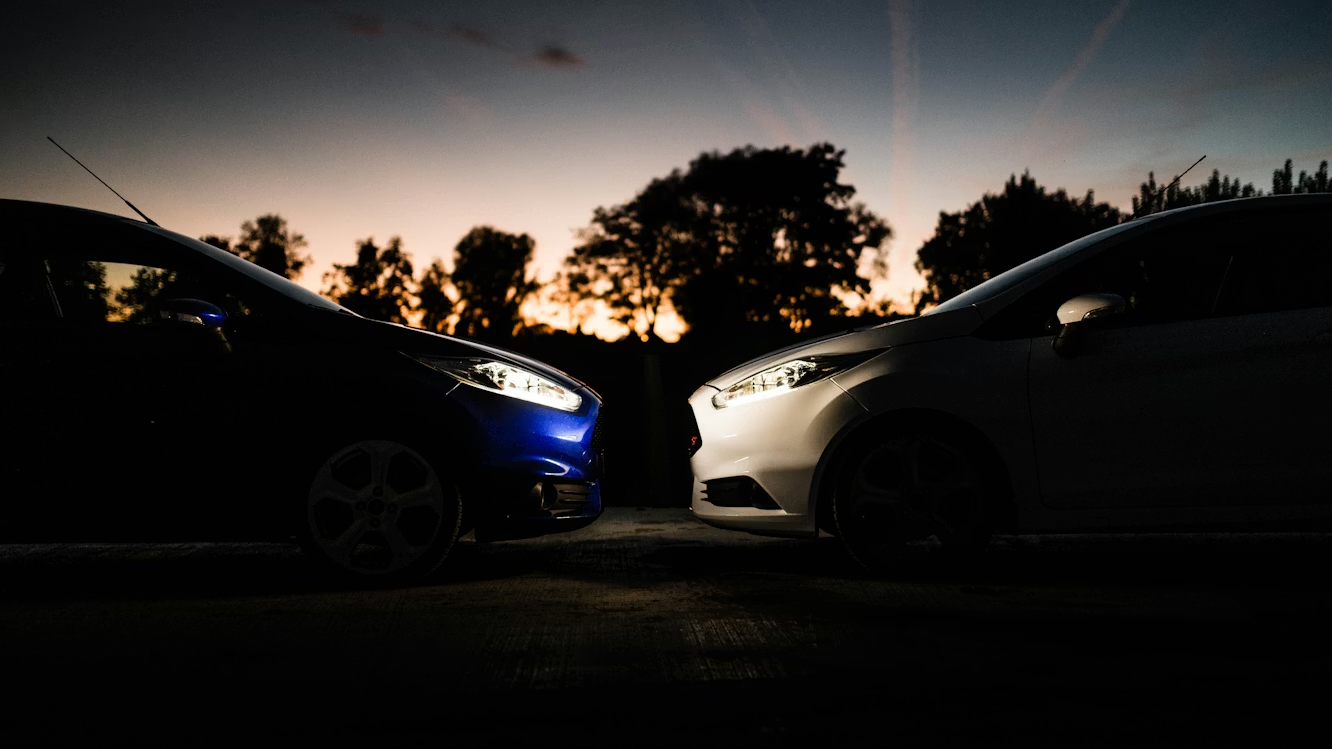
Car buyers in India face a fundamental choice that determines their daily driving experience. The difference between a hatchback and a sedan goes beyond just looks, as it affects everything from parking ease to fuel costs. With the market share of hatchbacks declining since the last 5 years, understanding these differences becomes crucial. This comprehensive guide breaks down every aspect of the hatchback vs sedan comparison, helping you make an informed choice based on your specific needs, budget, and lifestyle requirements.
Introduction to Hatchbacks and Sedans
Both hatchbacks and sedans represent distinct automotive styles. Understanding their fundamental characteristics helps you identify which body style aligns with your requirements.
Defining a Sedan: Characteristics and Features
A sedan follows the classic three-box design philosophy that clearly separates the vehicle into three distinct sections. The engine compartment forms the first box, the passenger cabin creates the second, and the trunk area constitutes the third separate section.
Key characteristics include:
- Separate trunk compartment: The cargo area remains completely isolated from the passenger cabin
- Classical aesthetic appeal: Sedans project a more premium, sophisticated appearance
- Longer overall length: Extended rear overhang accommodates the protruding trunk
- Enhanced structural rigidity: The closed trunk design often provides better crash protection
- Professional image: Sedans traditionally convey business-appropriate styling
The sedan's design prioritises passenger comfort and cargo security, making it ideal for families and professionals who value space and prestige.
Defining a Hatchback: Characteristics and Features
Hatchbacks adopt a practical two-box design that combines efficiency with versatility. The rear hatch-style door opens upward, providing direct access to the cargo space without a separate trunk barrier.
Essential features include:
- Integrated cargo area: No physical separation between rear seats and storage space
- Compact dimensions: Shorter overall length makes city driving easier
- Upward-opening rear hatch: Fifth door provides wide access to cargo area
- Flexible interior space: Rear seats typically fold to expand storage capacity
- Urban-focused design: Built for city traffic and tight parking spaces
The hatchback design emphasises practicality and manoeuvrability, making it perfect for urban commuters and first-time car buyers.
Body Style and Structural Differences
The fundamental architectural differences between hatchbacks and sedans create distinct advantages for different driving scenarios and user preferences.
The Three-Box Design of Sedans
Sedans feature a three-box configuration that creates clear visual and functional separation between the engine, passenger, and cargo areas. This design originated from luxury automobiles and remains the gold standard for premium appeal.
Structural advantages of three-box design
The three-box design creates a more balanced weight distribution, contributing to superior highway stability and ride comfort during long-distance travel.
|
|
|
|---|---|
| Separate trunk | Enhanced cargo security and climate isolation |
| Extended wheelbase | Improved ride quality and stability |
| Balanced proportions | Premium aesthetic appeal |
| Structural integrity | Better crash protection in rear impacts |
The Two-Box Design of Hatchbacks
Hatchbacks utilise a two-box architecture that merges the passenger and cargo areas into a single unified space. This approach maximises interior versatility while maintaining compact external dimensions.
Benefits of two-box configuration:
- Space efficiency: More usable interior volume relative to exterior size
- Loading flexibility: Large items can extend into passenger area
- Weight reduction: Eliminates separate trunk structure
- Manufacturing cost: Simpler construction reduces production expenses
- Aerodynamic efficiency: Shorter rear overhang can improve fuel economy
Door and Hatch Configurations
The rear access mechanism represents the most visible difference between these body styles and significantly impacts daily usability.
Sedan trunk access:
- Horizontal opening lid with limited height clearance
- Requires adequate rear parking space for full opening
- Loading height matches bumper level
- Weather protection during loading/unloading
Hatchback rear access:
- Vertical hatch opening provides wide, tall opening
- Requires overhead clearance in covered parking
- Variable loading heights depending on hatch design
- Can expose interior to weather when opened
Interior Space and Passenger Comfort
Passenger accommodation varies significantly between hatchbacks and sedans, with each design offering distinct advantages for different seating priorities and journey types.
Passenger Seating and Legroom Comparison
Sedans consistently provide superior rear passenger legroom due to their extended wheelbase and dedicated passenger compartment design. The separate trunk allows designers to maximise cabin length without compromising cargo capacity.
Seating capacity comparison:
|
|
|
|
|---|---|---|
| Hatchback | 4 adults (5 possible) | Limited by compact dimensions |
| Sedan | 5 adults comfortably | Extended wheelbase provides more space |
Officially, most hatchbacks accommodate five passengers but prove most comfortable for four adults during extended journeys. The compact dimensions that make hatchbacks city-friendly can compromise rear passenger comfort on longer trips.
Sedans excel in rear passenger accommodation, making them ideal for families with teenagers or adults who frequently travel in the back seats. The additional legroom becomes particularly valuable during highway journeys exceeding 2 hours.
Headroom Differences and Impact on Passenger Comfort
Headroom characteristics vary based on specific model design rather than body style alone. However, some general patterns emerge between hatchbacks and sedans.
Headroom considerations:
- Front passengers: Generally similar across both body styles
- Rear passengers: Sedans often provide slightly more headroom
- Roofline design: Hatchback sloping roofs can reduce rear headroom
- Sunroof impact: Available on both styles, affects headroom similarly
Taller passengers should test both body styles specifically, as individual model variations often matter more than the general category. Some hatchbacks offer excellent headroom while certain sedans may feel cramped despite their larger size.
Cargo Capacity and Practicality
Cargo accommodation represents one of the most significant functional differences between hatchbacks and sedans. It affects everything from grocery shopping to vacation packing.
Trunk Space Availability in Sedans
Sedans consistently offer larger dedicated trunk space compared to equivalent hatchback models. The separate compartment design allows optimised cargo volume without compromising passenger space.
Popular sedan trunk capacities:
|
|
|
|
|---|---|---|
| Maruti Dzire | 378 litres | Large boot capacity |
| Honda City | 506 litres | Premium sedan capacity |
| Hyundai Verna | 480 litres | Well-designed loading |
Disclaimer: Figures are indicative and subject to change. Please verify with the manufacturer/dealer.
The Dzire's 378-litre capacity significantly exceeds the Swift's 268 litres, demonstrating how sedan design maximises cargo space. This 110-litre difference accommodates substantial additional luggage for family trips.
Flexible Cargo Space in Hatchbacks
Hatchbacks compensate for smaller absolute cargo volume through superior loading flexibility and space adaptability. The rear seat folding capability transforms hatchbacks into surprisingly capable cargo carriers.
|
|
|
|
|---|---|---|
| Tata Altroz | 345 litres | Expandable configuration |
| Maruti Baleno | 318 litres | Flexible loading options |
| Toyota Glanza | 318 litres | Identical to Baleno |
Disclaimer: Capacities are indicative. Please verify with the manufacturer/dealer.
Security Considerations for Valuables
The structural differences between hatchbacks and sedans create distinct security implications for valuable cargo storage.
Sedan security advantages:
- Completely enclosed trunk hides all cargo from view
- Separate compartment prevents cabin break-in access to trunk
- Metal barrier between passenger and cargo areas
- Traditional trunk locks provide additional security layer
Hatchback security considerations:
- Open cargo area visible through rear windows
- Single cabin space allows access to all contents
- Parcel shelves provide limited visual screening
- Requires more careful parking location selection
For business professionals or frequent travellers carrying valuable equipment, sedans provide superior cargo security through complete visual and physical separation.
Driving and Manoeuvrability
Urban driving conditions and parking constraints make manoeuvrability a crucial factor when considering the question, "Hatchback or sedan, which is better?"
Size and Parking Ease
Hatchbacks deliver significant advantages in congested urban environments through their compact dimensions and shorter turning radius. The reduced length makes parking and navigation substantially easier.
Parking space requirements:
|
|
|
|
|---|---|---|
| Hatchback (Swift) | 12-14 feet | 2.5m x 5m minimum |
| Sedan (City) | 15-17 feet | Requires longer spaces |
The compact hatchback dimensions provide substantial advantages in crowded shopping centres, narrow residential streets, and parallel parking situations. This size advantage becomes particularly valuable in older city areas with limited parking infrastructure.
Visibility and Rear Window Design
The rear visibility characteristics also differ significantly. The hatchback's large rear hatch window typically offers superior rearward visibility, making lane changes and parking easier for drivers who rely on direct visual reference rather than camera systems.
- Hatchbacks: Large, upright rear window provides excellent visibility
- Sedans: Smaller rear window with trunk obstruction below
- Blind spots: Both styles have similar side blind spot patterns
- Parking assistance: Rear cameras increasingly standard on both
Noise Levels Inside the Cabin
Sedans generally provide quieter highway cruising due to the separate trunk acting as a noise barrier. However, modern hatchbacks with quality sound insulation can match sedan noise levels in most driving conditions.
Noise level factors:
- Road noise: Hatchbacks may transmit more noise through the rear hatch area
- Wind noise: Sedan's separate trunk can provide better insulation
- Cargo noise: Items in hatchback cargo area may create rattling sounds
- Sound insulation: Premium models in both categories offer similar noise control
Performance and Fuel Efficiency
Fuel economy remains a top priority for Indian car buyers. This makes the efficiency comparison between hatchbacks and sedans crucial for long-term ownership costs.
Comparing Fuel Efficiency Across Similar Models
Hatchbacks consistently deliver superior fuel efficiency compared to their sedan counterparts due to reduced weight and improved aerodynamics from shorter rear overhangs.
Fuel efficiency leaders:
|
|
|
|
|
|---|---|---|---|
| Hatchback | Maruti Wagon R CNG | 34.05 km/kg | CNG |
| Hatchback | Tata Tiago EV | 315 km range | Electric |
| Hatchback | Maruti Celerio | 26.68 kmpl | Petrol |
| Sedan | Hyundai Venue Diesel | 24.10 kmpl | Diesel |
| Sedan | Maruti Dzire CNG | 34.00 km/kg | CNG |
| Sedan | Honda City e:HEV (Hybrid) | 27.1 kmpl | Petrol |
Disclaimer: Mileage figures are ARAI-certified and subject to real-world variations. Please verify with the manufacturer/dealer.
Impact of Body Design on Driving Dynamics
The structural differences between hatchbacks and sedans are as follows:
Hatchback driving dynamics:
- Lighter weight improves acceleration and fuel economy
- Shorter wheelbase creates nimble city handling
- Higher centre of gravity may affect high-speed stability
- Responsive steering suits urban driving conditions
Sedan driving dynamics:
- Extended wheelbase provides superior highway stability
- Better weight distribution improves ride quality
- Lower centre of gravity enhances cornering confidence
- Balanced handling suits mixed driving conditions
Pricing, Availability, and Market Trends
Understanding current market dynamics helps buyers make informed decisions about timing and model selection.
Cost Differences Between Hatchbacks and Sedans
Hatchbacks consistently offer lower entry prices due to simpler construction and reduced material requirements. This cost advantage extends beyond initial purchase to insurance and maintenance expenses.
Popular model pricing:
|
|
|
|---|---|
| Tata Tiago | ₹4.57 lakh |
| Hyundai Grand i10 Nios | ₹5.47 lakh |
| Maruti Swift | ₹5.79 lakh |
| Maruti Baleno | ₹5.99 lakh |
|
|
|
| Maruti Dzire | ₹6+ lakh |
| Honda Amaze | ₹7+ lakh |
| Honda City | ₹11+ lakh |
| Hyundai Verna | ₹11+ lakh |
Disclaimer: Prices are indicative and subject to change. Please verify with the manufacturer/dealer.
Trim and Model Options
Both body styles offer extensive trim variations, but sedans typically provide more premium options and luxury features in higher variants.
Trim availability patterns:
- Hatchbacks: Focus on value-oriented variants with essential features
- Sedans: Extended range including luxury trims with premium amenities
- Feature content: Sedans often get advanced features first
- Customisation options: Both categories offer extensive personalisation
Current Market Availability and Popularity
Market trends reveal shifting consumer preferences, with traditional hatchback dominance gradually declining as buyer priorities change.
- Hatchback market share declined from 62% to 56% since 2021
- Sedans maintain steady 23-24% market share
- Wagon R leads hatchback sales with 190,855 units in 2024
- Dzire dominates sedan segment with 11,000+ monthly sales in 2024
The overall car market crossed 4.35 million units in 2024, growing 4.7%, indicating healthy demand across both segments despite changing preferences.
Choosing Between a Hatchback and a Sedan
Making the right choice requires careful consideration of your specific circumstances, driving patterns, and long-term requirements rather than following general recommendations.
Lifestyle and Usage Considerations
Your daily driving routine and family requirements should primarily guide your hatchback vs sedan decision.
Choose a hatchback if you:
- Primarily drive in congested urban areas
- Need easy parking and manoeuvrability
- Want maximum fuel efficiency
- Prefer lower overall ownership costs
- Don't regularly carry rear passengers
Choose a sedan if you:
- Frequently travel on highways
- Need maximum rear passenger comfort
- Require large, secure cargo capacity
- Want premium appearance and features
- Plan to use the car for business purposes
Budget and Value Factors
Total cost of ownership extends beyond purchase price to include insurance, fuel, maintenance, and depreciation costs over your ownership period.
Cost comparison factors:
|
|
|
|
|---|---|---|
| Purchase price | 15-25% lower initial cost | More features per rupee in higher trims |
| Insurance costs | Lower premiums | Better coverage options |
| Fuel expenses | Superior efficiency saves money | Comfort worth extra fuel cost |
| Maintenance | Lower parts and service costs | Potentially better build quality |
Test Drive Tips and What to Look For
Practical testing helps validate theoretical advantages and reveals personal preferences that specifications cannot capture. Here's your essential test drive checklist:
- Urban manoeuvrability: Test parking, U-turns, and tight spaces
- Highway comfort: Evaluate stability, noise, and passenger space
- Cargo loading: Practice accessing and loading both cargo areas
- Visibility: Check blind spots and rearward vision
- Feature accessibility: Test controls, infotainment, and convenience features
Schedule test drives during different times and traffic conditions to experience both body styles in realistic scenarios matching your intended usage patterns.
Your Path to Smart Car Insurance
Protecting your investment requires comprehensive coverage that matches your vehicle type and usage patterns. Royal Sundaram General Insurance offers reliable car insurance coverage, irrespective of your vehicle choice. With solid coverage, flexible plans, useful add-ons, and a smooth claim process, Royal Sundaram’s features check the right boxes for most drivers. If you want reliability without fuss, this is your practical pick!
Frequently Asked Questions
The primary difference between a hatchback and a sedan lies in their body design: hatchbacks use a two-box configuration with integrated cargo space, while sedans employ a three-box design with separate trunk compartments. This structural difference affects cargo access, interior space, and overall vehicle proportions.
Sedans typically provide larger dedicated trunk space, with the Dzire offering 378 litres compared to the Swift's 268 litres. However, hatchbacks offer more flexible cargo space through foldable rear seats, allowing larger items that wouldn't fit in sedan trunks despite their smaller absolute capacity.
Sedans generally provide superior passenger comfort, especially for rear passengers, due to the extended wheelbase and dedicated passenger compartment design. Hatchbacks accommodate 5 passengers but prove most comfortable for 4 adults during extended journeys, while sedans comfortably seat 5 adults.
Yes, hatchbacks consistently deliver better fuel efficiency due to lighter weight and compact dimensions. The Swift achieves slightly better mileage than the Dzire due to its lighter hatchback body style, with CNG variants like the Wagon R delivering 37.5 km/kg compared to the Dzire's 34.00 kmpl.
Hatchbacks are significantly easier to park and manoeuvre in cities due to their shorter length. The compact dimensions require standard parking spaces of 2.5m x 5m, making them ideal for congested urban areas and tight parking situations.
Hatchbacks may experience slightly more road and wind noise due to the open cargo area connection with the passenger cabin. Sedans benefit from the separate trunk acting as a noise barrier, generally providing quieter highway cruising.
Yes, hatchbacks are cheaper than equivalent sedans due to simpler construction and reduced material requirements. Additionally, hatchback insurance costs less than sedans, and they offer superior fuel efficiency.
Look at how you live. If you need more cargo flexibility and easy loading, go hatchback. If you want a smoother ride, a bigger cabin, and a more traditional look, a sedan fits better. Compare budgets and take both for a test drive to see what feels right.
No. In India, hatchbacks dominate the market in terms of availability and sales, while sedans are available in comparatively fewer models as SUVs and compact cars see higher demand.


Discover the perfect insurance plan for you!
Get your free quote now!
Get StartedBy Clicking on Get Started, You agree to our Terms and Conditions and override DNC/NDNC registration.
More like this
View more


.png)