
You have been Successfully Subscribed to Newsletter


Experience Enhanced Driving Precision with a Heads Up Display for Cars
March 11, 2026 • 10 Min Read
Road accidents claimed 172,890 lives in India during 2023 – the highest number ever recorded. Behind these alarming statistics lies a simple truth: taking your eyes off the road for even a second can prove fatal. A Heads Up Display for car addresses this critical safety gap by projecting essential driving information directly into your line of sight.
The India Heads Up Display (HUD) market reached USD 0.10 billion in 2024 and experts predict it will grow to USD 0.60 billion by 2033. This rapid growth reflects growing awareness about road safety and the increasing availability of affordable HUD solutions for Indian drivers.
What is a Heads Up Display (HUD) for Cars?
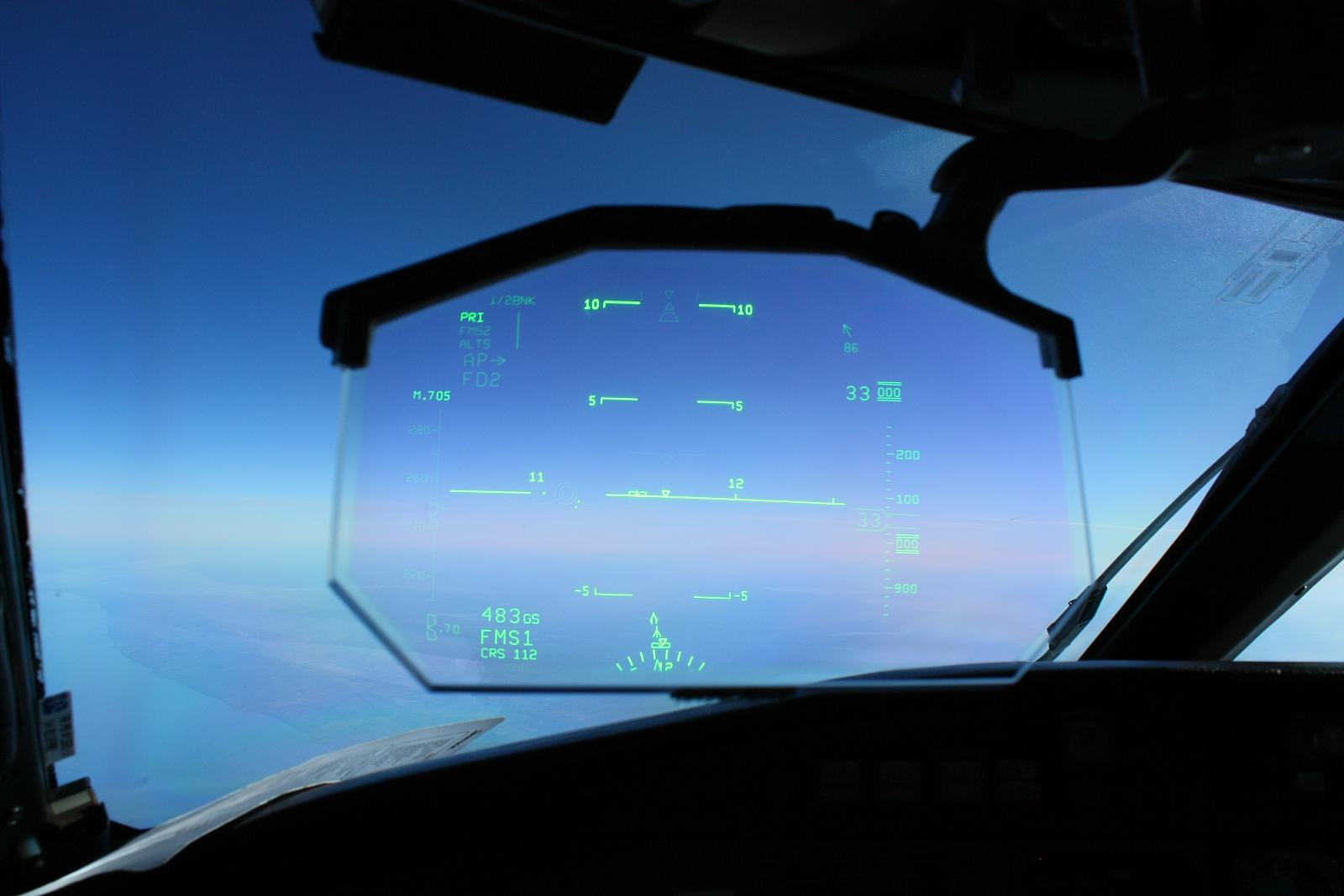
A Heads Up Display for car brings military aviation technology to your dashboard, projecting critical driving data onto your windshield or a transparent screen. This allows you to monitor speed, navigation, and vehicle diagnostics without looking away from the road ahead.
Definition and Purpose
Originally developed in the 1940s, HUD technology entered the automotive world in 1988 with the Oldsmobile Cutlass convertible. The core principle remains unchanged: display vital information where drivers can see it without shifting their focus from the road.
How HUDs Improve Driving Safety
Research shows that Heads Up Display speedometer readings help drivers maintain better speed awareness while keeping their eyes forward. When you glance at a traditional dashboard, your eyes need time to refocus on the road. HUDs eliminate this dangerous delay by projecting information at the same focal distance as the road ahead.
Core Features of Heads Up Displays
Modern HUD systems pack multiple features into compact, user-friendly displays that transform how you interact with your vehicle's data and smartphone connectivity.
Speedometer and Vehicle Data
The HUD speedometer function shows real-time speed information without requiring dashboard glances. Advanced units display parameters including:
- Engine RPM and temperature readings.
- Fuel consumption and remaining range.
- Battery voltage and system diagnostics.
- Turbo pressure (for turbocharged engines).
- Water temperature and oil pressure warnings.
Navigation Alerts and GPS Integration
Turn-by-turn navigation appears directly in your field of view, eliminating the need to glance at separate devices or smartphone screens. Apps like Google Maps and Waze integrate seamlessly with most HUD systems.
Smartphone and App Connectivity
Modern HUDs with Bluetooth enable seamless smartphone pairing for navigation, entertainment, and diagnostics via OBD apps. Models like X3 ELM327 let drivers customize displayed data for a personalized driving experience.
Notifications and Call Alerts
Heads Up Displays for cars filter notifications from over 10 messaging apps, letting you choose which alerts deserve your attention. Hand gesture controls on premium models allow call answering without taking hands off the steering wheel.
OBD-II Integration for Real-Time Car Diagnostics
Post-2008 manufactured cars have OBD-II ports enabling HUDs to show real-time diagnostics, fault codes, emissions, and performance metrics accurately.
Types and Compatibility of HUDs
The Indian market offers various HUD types to suit different preferences.
Universal Plug-and-Play vs. OBD-II Port Connected HUDs
|
|
|
|
|
|---|---|---|---|
| Universal Plug-and-Play HUDs | Compatible with any vehicle manufactured after 2008 with an OBD-II port. Requires no permanent installation and can be easily transferred between vehicles. | Easy setup and portability. | Limited to basic data display depending on vehicle compatibility. |
| OBD-II Port Connected HUDs | Connects directly to the vehicle’s OBD-II port | Provides the most comprehensive real- | Draws continuous power; should be |
| for full access to engine and diagnostic data. | time vehicle information. | unplugged when the car is unused to avoid battery drain. |
Windshield Projectors vs. Dashboard Mounted
Comparison of HUD mounting options:
|
|
|
|
|---|---|---|
| Installation | Complex, permanent | Simple, removable |
| Image Quality | Superior clarity | Good visibility |
| Adjustment Range | Limited positioning | 270-degree rotation |
| Price Range | ₹8,000-15,000 | ₹4,000-10,000 |
Vehicle Compatibility and Fitment
Cars like the Maruti Suzuki Baleno, Toyota Glanza, and Kia Seltos now offer factory-fitted HUDs. The Baleno became the first car under ₹10 lakh to include this technology in 2022. For older vehicles, aftermarket options work with most cars built after 1996.
Installation and Setup of Car HUDs
Installing a Heads Up Display for car takes approximately 10 minutes and requires no special tools or technical expertise.
Step-by-Step Installation Process
- Locate your OBD-II port (usually near the driver's left knee).
- Connect the HUD cable to the diagnostic port.
- Position the display unit on your dashboard.
- Plug the power cable into your 12V outlet.
- Download the companion app and pair via Bluetooth.
Mounting Options and Positioning
Place your HUD slightly below your normal line of sight to avoid blocking your view. The transparent display should appear to float just above your dashboard, readable without focusing away from the road.
Connecting OBD-II and Bluetooth
Modern HUDs use Bluetooth Low Energy for smartphone connectivity while simultaneously pulling vehicle data through the OBD-II connection. This dual-connection setup provides both personal device integration and comprehensive car diagnostics.
Customizing Display Settings
Most HUD apps allow you to select which information appears on screen, adjust brightness for different lighting conditions, and customise colours and layouts. Start with basic speed and navigation, then add features as you become comfortable with the system.
Benefits of Using Heads Up Displays in Cars
Modern Heads Up Display for car systems deliver four critical safety advantages:
Reduced Driver Distraction
Over-speeding was responsible for 1,19,904 of the 1,68,491 road accident deaths in 2022, making speed awareness critical for safety. HUD speedometers keep this information constantly visible without dashboard glances.
Enhanced Situational Awareness
HUD systems maintain your peripheral vision while displaying critical vehicle data. This allows you to process road hazards, pedestrian movements, and vehicle behaviour simultaneously.
Improved Reaction Time
Research shows reaction times drop from 2.3274 seconds with traditional displays to just 1.3235 seconds using HUD technology during high-stress driving situations. Under normal conditions, the improvement is even more striking: 1.8684 seconds versus 1.0073 seconds.
Additional Safety Alerts (Overspeed, Fatigue, Fault Codes)
- Overspeed Alerts: Single-stage or four-stage alarm systems warn drivers when exceeding set speed thresholds.
- Fatigue Detection: Some advanced models monitor driving patterns to detect potential driver fatigue.
- Engine Fault Codes:Real-time alerts notify drivers of diagnostic trouble codes before they develop into serious mechanical failures.
- Temperature Warnings: High water temperature alarms prevent engine damage.
- Shift Reminders: Manual transmission vehicles receive suggestions for optimal gear selection, improving fuel efficiency.
- Fuel Status Warnings: Low fuel alarms ensure drivers don't run out of gasoline unexpectedly.
- Lane Departure Warnings: Advanced HUDs alert drivers if the vehicle begins drifting from the intended lane.
- Collision Warnings: Sensor-based systems detect potential forward collisions and provide advance warnings.
Popular HUD Models and Pricing Overview
The Heads Up Display price varies significantly based on features and installation complexity.
Entry-Level vs Premium HUDs
HUD price comparison by features:
|
|
|
|
|---|---|---|
| Basic | ₹4,000-6,000 | Speed, RPM, basic alerts |
| Mid-range | ₹6,000-10,000 | GPS, smartphone connectivity |
| Premium | ₹10,000-15,000 | AR features, full diagnostics |
Price Ranges in the Market
Current Heads Up Display price ranges reflect the technology's growing accessibility. Entry-level units start at ₹4,000, while premium models with augmented reality features cost up to ₹15,000.
Key Features Comparison
Performance-oriented HUDs display air-to-fuel ratios and turbocharger pressures for enthusiast drivers. Premium models combine OBD and GPS data, showing more than two dozen automotive parameters simultaneously.
Where to Buy
HUD systems are available through multiple channels such as Amazon, Flipkart, IndiaMART, auto accessory shops, service centres and via authorized dealers.
Future Trends in Heads Up Display Technology
The Indian HUD market expects a 15.20% annual growth, reaching ₹0.60 billion by 2033.
Augmented Reality HUDs
AR technology overlays navigation arrows directly onto real road views. Mercedes-Benz and BMW lead this development, with systems that highlight lane changes and hazard locations visually.
Integration with Advanced Driver Assistance Systems (ADAS)
ADAS adoption reached 8.3% in India during H1 2025, with 434 new vehicle versions featuring these systems. The Indian ADAS market will grow from ₹1.52 billion to ₹7.99 billion by 2031, driving HUD adoption across vehicle segments.
Multi-Camera and Blind Spot Monitoring Features
Future HUD systems will integrate 360-degree camera feeds, displaying blind spot warnings and parking assistance directly on windscreens. AI-powered systems will predict vehicle behaviour and highlight potential collision paths in real-time.
Protecting Your Car with Comprehensive Coverage
Heads Up Display for Cars represent valuable technology investments that require proper insurance protection. When accidents or malfunctions occur, repair or replacement costs can be substantial.
Royal Sundaram car insurance offers comprehensive coverage that protects your vehicle and its advanced technology features. With a high claim settlement ratio and 7,600+ cashless garages across India, Royal Sundaram ensures your vehicle receives proper care.
Don't let unexpected repairs compromise your driving safety technology. Secure comprehensive coverage for your HUD-equipped vehicle today.
FAQs
A Heads Up Display for car projects driving information like speed, navigation, and alerts onto your windscreen or a small transparent panel, keeping your eyes on the road while monitoring vehicle data.
It reduces eye movement from the road, maintains forward focus. Users exhibit quicker reaction times, better lane positioning, and lower cognitive workload.
It is a simple plug-and-play installation. Installation takes 10 minutes and requires no special tools. Simply connect the OBD-II cable, position the display, and pair with your smartphone.
Most HUDs work with vehicles manufactured after 2008 that have OBD-II ports. Universal GPS-based models work with any car having a 12V outlet.
GPS displays speed and navigation via satellite, standalone operation. OBD-II accesses engine diagnostics: RPM, fuel consumption, temperature, and fault codes.
Mid-range and premium Bluetooth HUDs display incoming calls, texts, and app alerts, showing caller ID and previews. Configure notification types through smartphone app settings.
Yes. OBD-II HUDs display diagnostics, speed and temperature independently. GPS HUDs use satellite positioning without smartphones. Smartphone integration enhances customization and cloud features but isn't essential.
Common HUD issues: mounting, reflection, brightness, compatibility, cables. Fix by proper placement, auto-brightness, certified OBD-II, and secure cable connection.
Yes, aftermarket HUD systems starting at ₹4,000 provide significant safety benefits by reducing driver distraction and improving reaction times, making them valuable safety investments for any vehicle.


Discover the perfect insurance plan for you!
Get your free quote now!
Get StartedBy Clicking on Get Started, You agree to our Terms and Conditions and override DNC/NDNC registration.
More like this
View more


.png)