
You have been Successfully Subscribed to Newsletter


Best SUV Cars in India: Complete Guide to Top Models and Features
June 15, 2026 • 10 Min Read
Understanding how a car engine works helps you maintain your vehicle better and make informed decisions. Car engines convert fuel into motion through a four-stroke cycle: intake, compression, combustion, and exhaust. Key components include cylinders, pistons, spark plugs, valves, and the crankshaft. Gasoline engines use spark ignition while diesel engines rely on compression ignition. Common problems include fuel mixture issues, compression loss, and ignition failures.
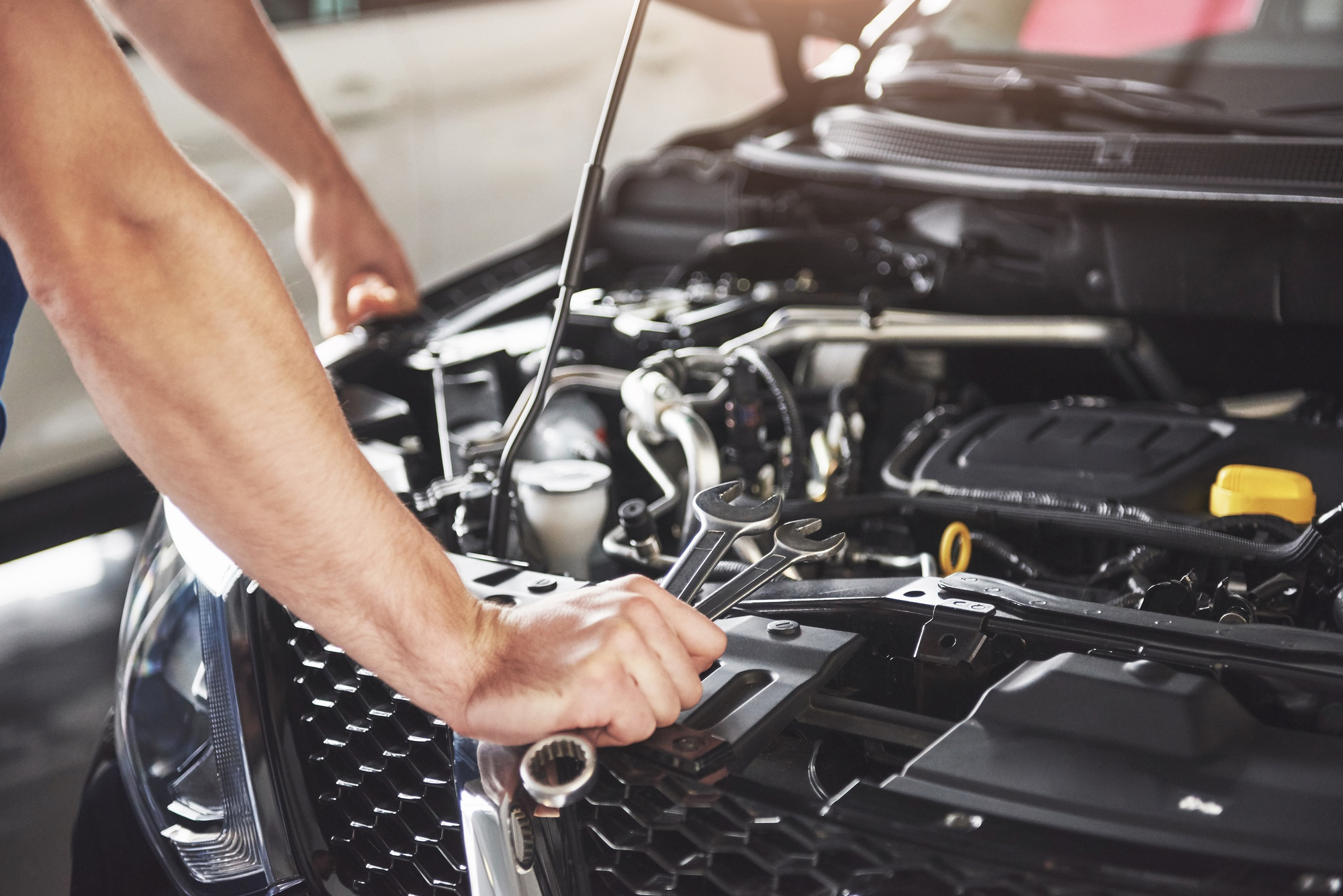
Every car on Indian roads contains a remarkable machine that turns liquid fuel into the power needed to move thousands of kilograms of metal, plastic, and glass. The internal combustion engine represents one of humanity's most successful mechanical inventions, powering over 354 million vehicles across India as of 2022. Yet many drivers never truly understand how a car engine works or what happens under the bonnet every time they turn the key.
Understanding the car engine working process helps you make better maintenance decisions, recognise warning signs, and appreciate the engineering marvel that gets you to work every day. This guide breaks down complex engine systems into simple, digestible explanations that any car owner can understand.
What is a Car Engine?
Car engines are sophisticated machines designed to convert chemical energy from fuel into mechanical motion that moves your vehicle. All modern cars use internal combustion engines, which burn fuel inside sealed chambers to create the explosive force needed for movement.
Definition of Internal Combustion Engine
An internal combustion engine burns fuel inside cylinders, mixing it with air for controlled explosions that release heat and expanding gases, pushing pistons to drive the crankshaft via connecting rods, converting linear motion to rotation that powers your wheels, all timed precisely thousands of times per minute.
Types of Car Engines (Gasoline, Diesel, Others)
Modern vehicles primarily use two main engine types, each with distinct operating principles and characteristics:
|
|
|
|
|
|
|---|---|---|---|---|
| Gasoline | Spark plugs | Port or direct injection | ~36% maximum | Passenger cars, light vehicles |
| Diesel | Compression heat | Direct injection | ~42% maximum | Trucks, heavy vehicles, and some cars |
| Alternative Fuel | Varies | Specialised systems | Variable | Commercial fleets, special applications |
How Does a Car Engine Work?
The fundamental car engine working process revolves around converting fuel's chemical energy into mechanical motion through a carefully orchestrated series of events. This conversion happens inside cylinders where fuel and air mix, compress, ignite, and expand to push pistons that ultimately turn your wheels.
The Four-Stroke Combustion Cycle (Intake, Compression, Combustion, Exhaust)
Every four-stroke engine completes one operating cycle through four distinct piston movements, with each stroke serving a specific purpose in the power generation process:
- Intake Stroke: The piston moves downward, creating a vacuum that draws the fuel-air mixture into the cylinder through open intake valves. The exhaust valves remain closed during this phase.
- Compression Stroke: Both intake and exhaust valves close as the piston moves upward, compressing the fuel-air mixture to roughly one-eighth of its original volume. This compression heats the mixture and makes combustion more explosive.
- Power Stroke: At the peak of compression, the spark plug fires (in gasoline engines) or the compressed air ignites the fuel (in diesel engines). The explosion forces the piston downward with tremendous force, creating the power that drives the crankshaft.
- Exhaust Stroke: The exhaust valve opens as the piston moves upward again, pushing the burnt gases out of the cylinder and preparing for the next intake stroke.
Role of Pistons and Crankshaft
Lightweight aluminium pistons with sealing rings harness combustion's explosive force, enduring extreme heat/pressure; connecting rods transfer this to the crankshaft, which converts up-down motion to rotation for the wheels, with counterweights reducing vibrations.
Explanation of Combustion and Energy Conversion
Combustion rapidly mixes fuel with oxygen, releasing heat/light. Gas engines convert 36% to mechanical work (diesel 42%), with the flame spreading in milliseconds to push pistons, while waste heat is cooled from the block, exhaust, and components.
Main Parts of a Car Engine
Understanding how a car engine works requires familiarity with its key components, each designed to perform specific functions that contribute to the overall power generation process.
Cylinder and Piston
Cylinders are sealed chambers where combustion occurs, precisely machined for smooth piston movement and compression. Pistons fit snugly with rings to seal gases/oil, their crowns enduring 1,000°C+ heat. This setup ensures efficient power generation in passenger cars and larger vehicles.
Spark Plug and Ignition System
Spark plugs deliver 60,000V timed sparks across 0.6-1.3mm gaps to ignite fuel-air mixtures in gasoline engines. ECUs optimise timing based on speed/load for max power/efficiency, avoiding knock or emissions. Precise ignition is vital for performance.
Valves and Camshaft
Intake/exhaust valves (2-4 per cylinder) control gas flow, timed by camshaft lobes at half crankshaft speed. Springs close valves after opening for intake/exhaust strokes. Proper timing boosts airflow, power, and efficiency.
Connecting Rod and Crankshaft
Strong, lightweight connecting rods link pistons to the crankshaft via bearings, handling combustion forces at high speeds. The crankshaft converts linear piston motion to rotation for the transmission. Precise balancing and lubrication prevent wear/seizure.
Lubrication System (Oil Flow and Purpose)
Oil pumps circulate lubricant to reduce friction, cool parts, seal rings, and remove contaminants. Filters clean oil; pan stores it for constant flow. Without it, engines seize quickly, and regular changes are essential.
Cooling System Overview
Coolant absorbs combustion heat from the block/head and transfers to the radiator via the water pump for air dissipation. Thermostats and fans regulate flow/temperature. Proper cooling ensures longevity and performance.
Different Engine Configurations and Types
Engine designers arrange cylinders in various configurations to balance power output, smoothness, packaging requirements, and manufacturing costs. Understanding these differences helps explain why different vehicles use different engine types.
Cylinder Arrangements: Inline, V-shape, Flat
The following table compares the main cylinder arrangements used in modern engines:
|
|
|
|
|
|---|---|---|---|
| Inline | All cylinders in a single row | Simple, compact, economical | Small cars, motorcycles |
| V-shape | Cylinders in two angled banks | More powerful, shorter length | Larger cars, trucks, SUVs |
| Flat/Boxer | Cylinders horizontally opposed | Low centre of gravity, smooth | Sports cars, some SUVs |
Two-Stroke vs Four-Stroke Engines
Four-stroke engines rule cars for superior efficiency and lower emissions, completing cycles in four piston strokes; two-strokes finish in two for double power frequency but burn oil-fuel mixes, causing higher emissions, ideal for lightweight tools like chainsaws over car use.
Diesel vs Gasoline Engines
Diesel engines excel in efficiency and low-RPM torque for heavy-duty applications, but cost more to build and need advanced emissions tech compared to gasoline.
Forced Induction: Turbochargers and Superchargers
Both compress intake air for more power without bigger engines: turbos harness exhaust (efficient but laggy), superchargers use crankshaft drive (instant but power-draining).
Engine Starting and Electrical Systems
Starting a car engine requires coordinated electrical systems that provide the initial rotation needed to begin the combustion process. These systems must overcome the engine's compression and internal friction to achieve the minimum speed needed for fuel ignition.
Starting System Components (Starter Motor and Solenoid)
The starter motor is a powerful electric motor that turns the engine’s crankshaft during startup by engaging a gear with the flywheel. The solenoid acts as a switch that both connects battery power to the motor and ensures the gear engages properly before operation, protecting the system.
Battery and Alternator Functions
The battery supplies high current to start the engine and powers electrical systems when the engine is off. Once running, the alternator generates electricity, recharges the battery, and powers vehicle systems while maintaining proper voltage.
Ignition Timing Basics
Ignition timing controls when the spark plug fires during the compression stroke. It adjusts based on engine speed and conditions to ensure efficient combustion, maximise power, and prevent knocking.
Common Engine Problems and How They Affect Performance
Engine problems typically fall into several categories related to the fundamental requirements for combustion: proper fuel mixture, adequate compression, and reliable ignition. Understanding these issues helps you recognise symptoms and seek appropriate repairs.
Fuel Mix Issues
Engines require a precise air-to-fuel ratio for optimal combustion, typically around 14.7 parts air to 1 part fuel by weight. Too much fuel creates a rich mixture that wastes fuel and increases emissions, while too little fuel creates a lean mixture that can cause engine damage from excessive heat.
Fuel injectors can become clogged with deposits over time, disrupting the proper fuel spray pattern and affecting mixture quality. Dirty air filters restrict airflow, effectively creating rich conditions that reduce power and fuel economy. Mass airflow sensors that fail can provide incorrect information to the engine control unit, causing improper fuel delivery.
Compression Loss Causes
Proper compression is essential for efficient combustion and engine power. A healthy engine should maintain approximately 100 PSI per cylinder during compression testing. Several problems can reduce compression and affect engine performance:
- Head gasket failure: Creates gaps between cylinders and allows compression to escape
- Worn piston rings: Fail to seal properly against cylinder walls, allowing compression loss
- Valve problems: Bent or burned valves don't close completely, reducing compression
- Timing issues: Incorrect valve timing affects compression and combustion efficiency
Ignition and Spark Failures
Modern spark plugs typically last around 100,000 miles under normal conditions, but they can fail earlier due to carbon buildup, oil contamination, or electrical problems. Worn spark plugs create weak sparks that may not reliably ignite the fuel mixture, causing misfires and rough running.
Ignition coils provide the high voltage needed for spark generation, and their failure can cause complete loss of spark in affected cylinders. Faulty ignition timing can cause engine knock, reduced power, or difficulty starting, especially in cold weather.
Other Mechanical Failures (Worn Bearings, Valve Issues)
Engine bearings support rotating components and require constant lubrication to prevent wear. Bearing wear typically results from inadequate lubrication, contaminated oil, or excessive loads. Worn bearings create noise and can lead to catastrophic engine failure if not addressed promptly.
Valve train components, including valve springs, camshafts, and timing chains or belts, can wear or break over time. A broken timing belt can cause valves to contact pistons in interference engines, resulting in expensive damage requiring complete engine rebuilding.
How Engine Power and Efficiency Can Be Improved
Modern engines incorporate numerous technologies to maximise power output while improving fuel efficiency and reducing emissions. Understanding these improvements helps appreciate the engineering advances in today's vehicles.
Increasing Displacement and Compression Ratio
Modern engines boost power, efficiency, and emissions control through advanced tech like larger displacement and higher compression ratios for more energy extraction, though premium fuel prevents knock.
Enhancing Air Intake and Exhaust Flow
Optimised airflow via variable valve timing, tuned manifolds, and smooth surfaces fills cylinders better across speeds, delivering more low-end torque and high-RPM power without extra fuel.
Fuel Injection Advances
Direct injection and electronic controls from sensor-fed ECUs deliver precise fuel sprays into chambers for optimal combustion, outperforming carburettors in economy, power, and emissions.
Lightweight Parts and Materials
Aluminium blocks/heads, lightweight pistons, forged steel/titanium rods cut weight for better performance and economy while handling higher speeds and stresses.
Intercoolers and Emission Controls
Intercoolers densify turbocharged air for more oxygen/fuel burn; catalytic converters, EGR, and filters cut emissions without major power loss via ongoing tech advances.
Protecting Your Engine Investment
Protect your car's engine, a major investment, from costly failures due to accidents, natural disasters, or issues like water ingression and oil leakage. With India's auto market booming, reliable protection is essential for families and businesses.
Royal Sundaram's comprehensive car insurance covers water ingression dama to the engine through our engine protector add-on, along with add-ons like zero depreciation, 24/7 roadside assistance, and cashless service at 8,000+ garages.
Frequently Asked Questions
The four-stroke cycle: intake (fuel-air in), compression (squeeze), combustion (ignite for power), exhaust (gases out), repeating to drive wheels.
Gasoline uses spark plugs for ignition; diesel relies on compression heat, offering higher efficiency (42% vs. 36%) and torque but higher costs.
It circulates coolant to absorb combustion heat and dissipate it via the radiator, preventing overheating and seizure in minutes.
It uses exhaust gases to force more air into cylinders, boosting power and efficiency by burning more fuel without enlarging the engine.
Issues like clogged injectors (fuel), worn rings/valves (compression), or faulty plugs/coils (ignition), plus mechanical failures like timing chains.
Inline: simple/smooth but long; V: powerful/compact but complex; flat: low gravity for handling but wide, balancing power, size, and cost.
Pistons move from combustion force; the crankshaft converts linear motion to rotation via rods, driving the wheels.
Continuously via oil circulation to reduce friction and wear on moving parts.
Two-stroke completes cycle in two piston strokes (higher power, worse efficiency/emissions); four-stroke in four (better efficiency, cleaner).
The battery powers the starter motor and solenoid to crank the engine, with the ignition system firing sparks for initial combustion.


Discover the perfect insurance plan for you!
Get your free quote now!
Get StartedBy Clicking on Get Started, You agree to our Terms and Conditions and override DNC/NDNC registration.
More like this
View more


.png)