
You have been Successfully Subscribed to Newsletter


How to Check Clutch Plate Condition in a Car: Simple Tests Every Driver Needs
May 28, 2026 • 10 Min Read
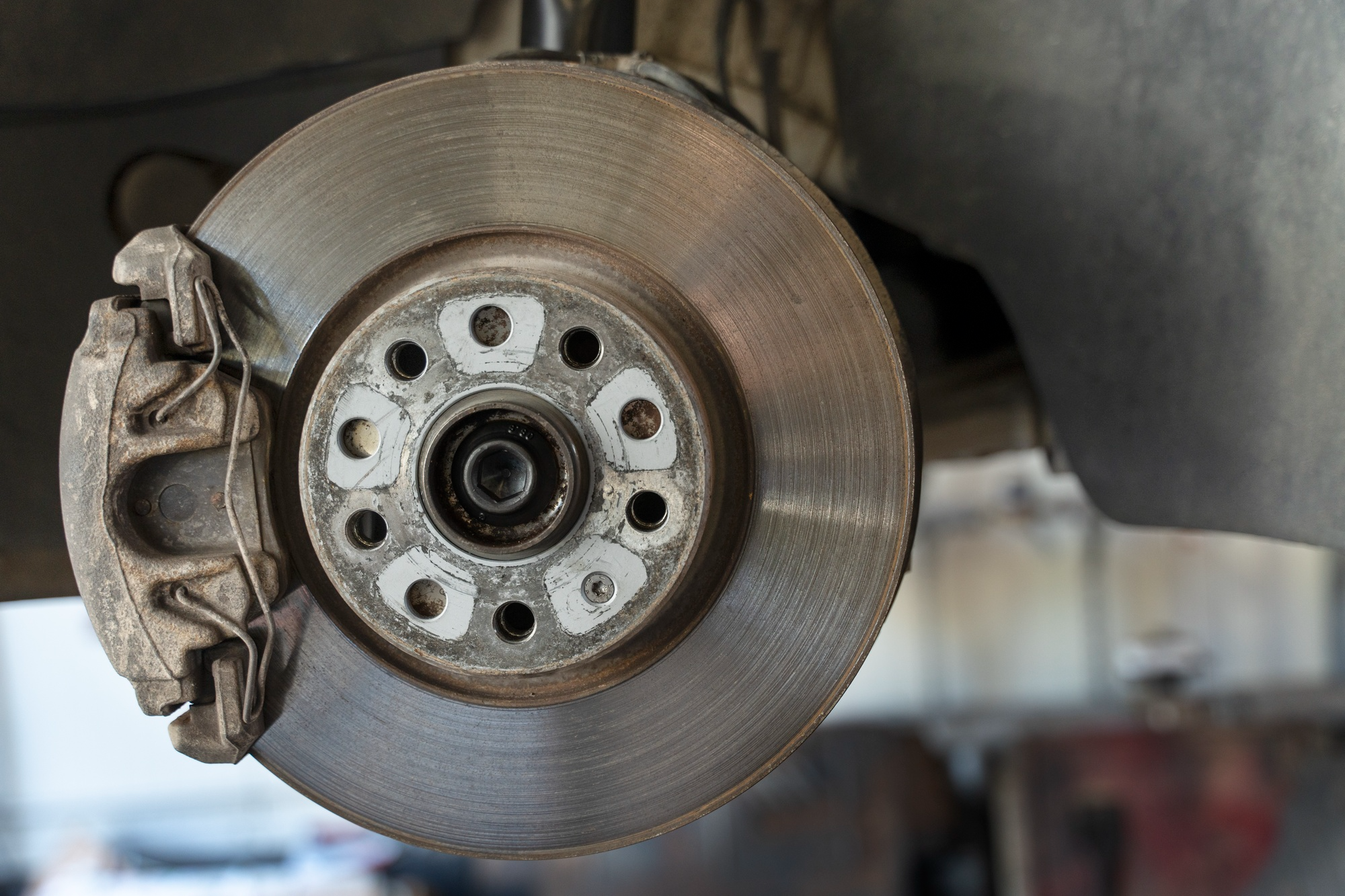
The clutch plate serves as your car's crucial link between engine power and wheel movement. When this component fails, you face costly repairs and potential safety risks on busy Indian roads. Every manual transmission car depends on a healthy clutch system for smooth operation. Understanding how to check clutch plate conditions in a car becomes essential knowledge for millions of drivers. This guide provides practical methods to assess your clutch's health and avoid expensive surprises.
What is a Clutch Plate and Why Does It Wear Out?
The clutch plate acts as the critical connection point between your engine and transmission, allowing smooth power transfer during gear changes. This component faces constant friction and heat, making it one of the most wear-prone parts in your vehicle.
Role of the Clutch Plate in a Car
The clutch plate, also called a friction disc, runs on a splined input shaft that transmits power to the gearbox. This component features friction linings on both faces, similar to brake linings, which enable smooth drive engagement when the clutch operates.
Here's how the clutch system works in simple terms:
- Engagement: When you release the clutch pedal, the pressure plate pushes the clutch disc against the flywheel.
- Power Transfer: Friction between surfaces allows engine torque to flow to the transmission.
- Disengagement: Pressing the clutch pedal separates these components, cutting power flow.
- Gear Changes: This separation allows smooth shifting between gears.
The clutch system operates through split-second engagement and disengagement cycles, handling enormous stress with each gear change. In heavy traffic conditions, which are common across Indian cities, this component works overtime.
Common Causes of Clutch Plate Wear
Understanding what damages your clutch plate helps you avoid costly replacements. Several driving habits and conditions accelerate wear beyond normal limits.
The most damaging practices include:
Poor Driving Techniques:
- Riding the clutch (keeping a foot partially pressed while driving).
- Pressing the clutch and accelerator simultaneously.
- Holding the clutch halfway during traffic stops.
- Sudden clutch releases causing jerky movements.
Environmental Factors:
- Stop-and-go city traffic increases clutch usage.
- Driving with the handbrake engaged causes rapid wear.
- Heavy loads stress the clutch system.
- Hill starts without proper technique.
Mechanical Issues:
- Contaminated clutch fluid affects hydraulic operation.
- A worn pressure plate increases slippage.
- Damaged release bearing creates additional friction.
- Misaligned components cause uneven wear.
Morevoer, traffic conditions significantly impact clutch life. The India Automotive Repair and Maintenance Service Market is projected to grow at robust 8.0% CAGR during 2025-2032 due to a rise in vehicles operating on the road, reflecting increased maintenance needs in urban environments.
Signs and Symptoms of a Worn Clutch Plate
Recognising early warning signs prevents complete clutch failure and expensive transmission damage. Your car communicates clutch problems through specific symptoms that become progressively worse over time.
Slipping Clutch and Loss of Acceleration
Clutch slipping represents the most common sign of wear, occurring when the friction disc cannot hold engine torque effectively. You'll notice the engine revving higher without corresponding speed increases.
Key Slipping Indicators:
- Engine RPM rises without speed gain during acceleration.
- Delayed response when pressing the accelerator.
- Most noticeable during uphill driving or overtaking.
- Power loss under heavy loads.
This problem becomes particularly evident in fourth or fifth gear when you accelerate hard. If your car fails to pick up speed despite rising engine revs, the clutch plate has likely worn beyond its friction limits.
Difficulty in Shifting Gears
Gear-shifting problems indicate clutch disengagement issues, making it hard to move from neutral to first gear or between other gears. You might need excessive force to engage gears properly.
Shifting Problems Include the following:
- Grinding noises during gear changes
- Sticky gear knob requiring extra pressure
- Gears refusing to engage smoothly
- Shuddering sensations through the gear lever
These symptoms suggest the clutch isn't fully separating engine power from the transmission, preventing clean gear engagement.
Unusual Noises and Vibrations
A failing clutch produces distinct sounds that indicate specific component problems. These noises typically occur during clutch engagement or gear-shifting operations.
Common Clutch Noises:
- Squeaking or chirping when pressing the clutch pedal
- Grinding sounds during gear shifts
- Rattling noises when the clutch engages
- Screaming sounds from worn friction material
These noises usually stem from worn release bearings, damaged pressure plates, or friction material reaching its service limit. Early attention prevents more extensive damage.
Changes in Clutch Pedal Feel and Resistance
The clutch pedal provides important feedback about system health through its feel and response characteristics. Changes in pedal behaviour signal developing problems.
Pedal Feel Changes:
- Unusually stiff pedal indicating hydraulic problems
- Soft or spongy pedal suggesting fluid leaks
- Pedal sinking to the floor with little resistance
- Excessive free play before engagement
A properly functioning clutch pedal should return quickly to its original position with consistent resistance throughout its travel.
Burning Smell Indications
Burning smells indicate severe clutch overheating, typically resulting from excessive slippage or aggressive driving. This acrid smell becomes particularly noticeable after hard acceleration or hill climbing.
When Burning Occurs:
- Extended periods of clutch slippage
- Aggressive driving with frequent gear changes
- Climbing steep hills with heavy loads
- Traffic situations requiring constant clutch use
Overheated friction material can glaze over, making the slipping problem worse and requiring immediate attention to prevent complete failure.
Simple Methods to Check Clutch Plate Condition
Learning how to test a clutch pressure plate and associated components requires no special tools, just careful observation and systematic testing. These methods help you assess clutch health before problems become severe.
The Clutch Pedal Test: Feel and Response
This basic test evaluates clutch system responsiveness and identifies hydraulic or mechanical problems through pedal behaviour analysis.
Step-by-Step Pedal Test:
- Turn off the engine completely.
- Press the clutch pedal fully to the floor.
- Note the resistance and feel during depression.
- Release the pedal and observe return speed.
- Listen for any unusual sounds during operation.
What to Look For:
- Steady resistance throughout pedal travel
- Quick return to original position
- No grinding or squeaking sounds
- Consistent feel with each press
If the pedal returns too quickly, too slowly, or makes unusual noises, your clutch system needs professional inspection.
Engagement Point Test: Finding the Bite Point
The engagement point test helps identify clutch wear by measuring where the pedal catches as you release it slowly. This clutch plate check reveals important wear information.
Engagement Point Procedure:
- Park on level ground with the parking brake engaged.
- Start the engine and let it idle.
- Press the clutch pedal completely down.
- Slowly release the pedal until you feel initial resistance.
- Measure the distance from floor to engagement point.
- Check your owner's manual for specifications.
Shift Performance Test with the Engine Running
This test evaluates clutch disengagement effectiveness by checking gear engagement quality with the engine running at idle speed.
Shift Performance Steps:
- Start the engine with the parking brake applied.
- Press the clutch pedal fully.
- Shift into first gear slowly.
- Listen for grinding or resistance.
- Try shifting between different gears.
- Note any unusual sounds or difficulty.
The transmission should shift smoothly without grinding, popping, or excessive resistance.
Test Driving for Clutch Performance
Road testing provides the most comprehensive clutch evaluation under real driving conditions. This method reveals problems that stationary tests might miss.
Road Test Procedure:
- Find a safe, empty road section
- Drive in fifth gear at 30 mph or below
- Press the clutch pedal and rev the engine significantly
- Release the clutch quickly while accelerating hard
- Observe engine and vehicle response
A healthy clutch forces the engine speed to drop quickly to match transmission speed. Excessive slippage indicates worn friction material requiring replacement.
When to Replace the Clutch Plate
Determining replacement timing prevents unexpected failures and costly transmission damage. Several factors influence clutch lifespan, making regular assessment crucial for reliable vehicle operation.
Typical Mileage and Lifespan Estimates
Clutch plate lifespan varies dramatically based on driving conditions and maintenance practices. Indian driving conditions present unique challenges that affect component longevity.
Indian Clutch Life Expectations:
|
|
|
|
|---|---|---|
| Careful Highway Driving | 80,000–100,000 km | Minimal stop-start traffic |
| Mixed City/Highway | 50,000–80,000 km | Moderate traffic exposure |
| Heavy City Traffic | 30,000–50,000 km | Frequent clutch engagement |
| Poor Driving Habits | 10,000–30,000 km | Riding clutch, aggressive use |
Disclaimer: Mileage estimates are indicative and subject to driving conditions. Consult your mechanic for a specific vehicle assessment.
Impact of Driving Style and Environment
Your driving habits directly influence clutch longevity more than any other factor. The passenger segment accounted for over 80% of the automotive clutch market share and is expected to exceed USD 15 billion by 2034, highlighting the importance of proper clutch maintenance across the growing vehicle population.
High-Wear Driving Conditions:
- Peak-hour city traffic with constant stopping
- Hill station driving requiring frequent gear changes
- Carrying heavy loads regularly
- Aggressive acceleration and braking patterns
- Using the half-clutch technique in traffic jams
Clutch-Friendly Practices:
- Smooth gear transitions without rushing
- Complete clutch depression before shifting
- Avoiding unnecessary clutch use in traffic
- Proper hill-start techniques using handbrake
Consequences of Driving with a Worn Clutch
Ignoring clutch problems leads to expensive secondary damage affecting multiple transmission components. Early replacement costs far less than comprehensive repairs.
Progressive Damage Stages:
- Initial Slipping: Reduced acceleration and fuel efficiency
- Gear Problems: Difficult shifting and grinding noises
- Complete Failure: Unable to engage gears or move vehicle
- Transmission Damage: Cracked gears and damaged synchronisers
Repair Cost Implications:
|
|
|
|
|---|---|---|
| Hatchback (e.g., Swift, i10) | 4,500 – 8,000 | 2,000 – 4,000 (gear oil + tuning) |
| Sedan (e.g., City, Verna) | 6,000 – 12,000 | 2,500 – 5,500 |
| SUV (e.g., Creta, XUV300) | 8,500 – 15,000 | 3,500 – 7,000 |
| AMT Gearbox Models | 12,000 – 20,000+ | 4,000 – 8,000 |
Disclaimer: Prices are indicative and subject to change. Please verify with the manufacturer/dealer.
Maintenance Tips to Prolong Clutch Life
Proper clutch maintenance significantly extends component life and reduces replacement frequency.
Proper Clutch Usage Techniques
Correct clutch operation prevents premature wear and ensures smooth vehicle operation. These techniques should become automatic habits for every manual-transmission driver.
Essential Clutch Techniques:
- Complete Depression: Always press the clutch fully before shifting gears.
- Gradual Release: Avoid sudden clutch releases that cause jerking.
- Minimal Use: Only engage the clutch when absolutely necessary.
- Traffic Management: Use neutral gear instead of holding the clutch in traffic.
- Hill Starts: Use the handbrake technique to prevent rollback.
Avoid These Damaging Habits:
- Resting your foot on the clutch pedal while driving
- Using the clutch to hold position on slopes
- Rapid clutch engagement causing wheel spin
- Partial clutch depression during gear changes
Regular Inspection and Adjustments
Scheduled maintenance prevents small problems from becoming major failures.
Inspection Schedule:
- Every 10,000 km: Basic clutch operation check
- Every 20,000 km: Pedal free play measurement
- Every 30,000 km: Hydraulic system inspection
- Every 50,000 km: Complete clutch system evaluation
Key Inspection Points:
- Clutch pedal free play within specifications
- Hydraulic fluid level and condition
- Release bearing operation and noise
- Pressure plate wear indicators
- Flywheel surface condition
Importance of Replacing Related Components
Complete clutch replacement includes all worn components, preventing premature failure and reducing labour costs.
Components to Replace Together:
- Clutch Disc: Primary friction component
- Pressure Plate: Applies clamping force
- Release Bearing: Enables clutch disengagement
- Pilot Bearing: Supports input shaft alignment
- Flywheel Resurfacing: Ensures proper friction surface
Why Complete Replacement Matters:
- Prevents contamination of new parts by worn components
- Eliminates multiple service visits for related failures
- Reduces overall labour costs through combined service
- Ensures optimal system performance and longevity
Protecting Your Investment with Smart Insurance
Learning how to check the clutch plate condition in a car can help avoid problems. However, it is also important to have proper vehicle insurance to protect against accidents and unexpected events.
Royal Sundaram offers comprehensive car insurance that protect your vehicle investment beyond normal wear and tear. It includes accident damage, theft protection, and third-party liability as required by Indian law. With a high claim settlement ratio, Royal Sundaram demonstrates reliable claims handling when you need support most.
Key Protection Benefits:
- Comprehensive Coverage: Protection against accidents, theft, and natural disasters
- Quick Claims Processing: Efficient settlement with minimal paperwork
- Extensive Network: Access to 8000+ cashless garages nationwide
- Add-ons Services: Road-side assistance for emergency situations, zero depreciation cover, etc.
Frequently Asked Questions
Engine RPM rises without corresponding speed increase, particularly noticeable during acceleration or hill climbing. You'll experience delayed response when pressing the accelerator and reduced pulling power under load.
A very high engagement point (near the top of pedal travel) indicates a worn clutch disc requiring replacement. A very low engagement point suggests adjustment needs or hydraulic system problems requiring professional attention.
Typically every 50,000-80,000 kilometres in Indian conditions, though driving style significantly affects lifespan. City drivers may need replacement sooner due to heavy traffic conditions, while highway drivers often achieve longer clutch life.
Short-term driving is possible but risky, as complete failure can leave you stranded. Continued operation with a slipping clutch damages transmission components and increases repair costs significantly.
Standard warranties and insurance policies exclude clutch repairs as normal wear items. However, accident-related clutch damage may be covered under comprehensive insurance policies.
Grinding sounds during gear shifts, squeaking when pressing the pedal, and rattling during engagement indicate clutch component wear. These noises typically worsen over time and require professional diagnosis.
Yes, weather can affect clutch plate condition. Excess moisture can cause rusting and reduced grip, while extreme heat increases friction and accelerates wear. Harsh conditions like heavy traffic in hot weather or waterlogging can shorten clutch life and impact performance.
Frequent stop-and-go traffic increases friction and heat, while riding the clutch (keeping it partially pressed) causes continuous slippage and faster deterioration. Carrying heavy loads also puts extra strain on the clutch, significantly reducing its lifespan.
Yes, always replace the release bearing during clutch service. This component typically wears at similar rates, and replacing it prevents future failures while the transmission is already accessible, saving labour costs.


Discover the perfect insurance plan for you!
Get your free quote now!
Get StartedBy Clicking on Get Started, You agree to our Terms and Conditions and override DNC/NDNC registration.
More like this
View more

.png)