
You have been Successfully Subscribed to Newsletter


How to Find VIN Number of Car, Easy Steps You Can Follow?
May 27, 2026 • 10 Min Read
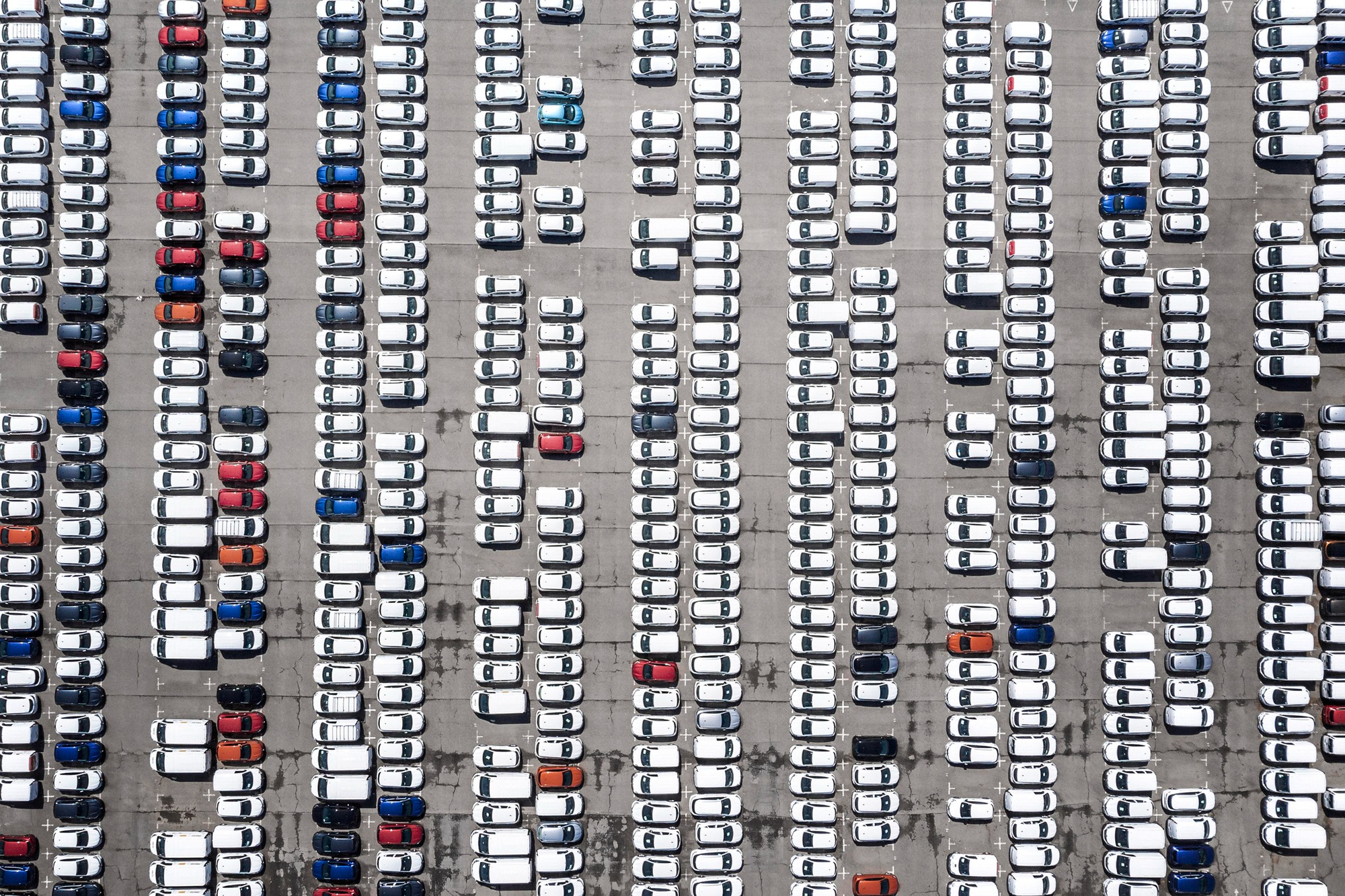
Every car owner faces moments when they need their Vehicle Identification Number urgently, whether for insurance claims, registration renewals, or selling their vehicle. Yet many drivers don't know how to find VIN number of a car when they need it most. This 17-character code serves as your vehicle's unique fingerprint, containing vital information about its manufacturing details, specifications, and history.
Recent data shows alarming trends in vehicle-related issues. Motor Vehicle Act violations was recorded at 1,448,130 cases in 2025. This guide provides comprehensive methods for locating and understanding your VIN, ensuring you're prepared for any situation.
What is a VIN Number and Why Does It Matter?
Your Vehicle Identification Number serves as the most reliable way to identify your specific vehicle among millions of others. This unique code has become the global standard for vehicle identification since 1981, replacing the chaotic system where manufacturers used different formats.
Definition and Purpose of VIN
A VIN is a unique 17-character alphanumeric code assigned to every vehicle manufactured since 1981. This code functions like an Aadhaar number for citizens, providing a permanent, unique fingerprint for each vehicle globally. The system ensures no two vehicles share the same VIN worldwide.
The code uses only capital letters (excluding I, O, and Q to avoid confusion with numbers 1 and 0) and digits 0-9. This internationally accepted standard applies to all motor vehicles, including commercial vehicles, private cars, trucks, bikes, buses, and motorcycles.
Differences Between VIN, Chassis Number, and Engine Number
Many car owners confuse these three important identifiers. Vehicle identification details like the VIN, chassis number, and engine number help uniquely identify a vehicle. Here are the key differences outlined below.
|
|
|
|
|
|---|---|---|---|
| VIN/Chassis Number | Vehicle identification | Multiple locations on the vehicle body | 17 characters |
| Engine Number | Engine-specific identification | Stamped on the engine block | 11-17 characters |
| Chassis Number (Last 6 digits) | Short reference of VIN used for quick verification | Same as VIN | 17 characters |
Why Knowing Your VIN is Important
Understanding how to know a vehicle chassis number becomes crucial for several practical reasons:
Legal and Documentation Requirements:
- Registration and insurance verification
- Smooth claim processing during accidents
- RC verification with transport authorities
- Anti-theft identification and recovery
Vehicle History and Safety:
- Tracking ownership history and accidents
- Identifying vehicles subject to safety recalls
- Preventing fraud during vehicle purchases
- Maintenance record tracking
Insurance and Claims:
Insurers use the VIN as
the primary identifier in cases of theft, accidents, or total loss. Correct VIN
information ensures faster claim settlements and reduces documentation complications.
Common Locations to Find the VIN on Your Car
Your vehicle's VIN appears in multiple locations to ensure accessibility and prevent tampering. Knowing these common spots helps you quickly locate the number when needed.
On the Dashboard (Driver's Side)
The most accessible location is the driver's side dashboard, visible through the windshield. Stand outside your car and look through the windshield at the lower-left corner of the dashboard.. You'll see the 17-character VIN on a small metal plate or sticker.
This location offers easy visibility without opening the vehicle, making it the preferred spot for quick verification by authorities or potential buyers.
Driver's Side Door Jamb or Door Frame
Open your driver's door fully and examine the B-pillar (where the door latches). Look for a sticker or metal plate containing the VIN, often accompanied by tyre pressure information and manufacturing details.
This location provides backup verification when the dashboard VIN isn't clearly visible due to sun glare or dashboard accessories.
Under the Hood or Engine Compartment?
Some manufacturers place VIN plates in the engine bay. Open your hood and check:
- Front of the engine block
- Firewall area
- Inner fenders
- Side panels of the engine bay
Safety Note: Ensure the engine is cool before checking under the hood, and use a flashlight for better visibility.
Rear Wheel or Spare Tyre Well
Certain manufacturers stamp the VIN in the boot area under the spare tyre. To check this location:
- Open your boot/trunk.
- Remove the spare tyre cover or padding.
- Look around the spare tyre well area.
- Check the metal floor of the boot.
This location requires more effort to access but provides additional verification when other locations are unclear.
Front Grille (in Some Models)
Some manufacturers place VIN information under the front grille, though this location is less common and challenging to access. Not all vehicles have VINs in this position, and accessing it may require removing grille components.
Other Documented Locations (Registration, Insurance)
The easiest method to find the vehicle identification number is through your official documents.
Primary Documents:
- Vehicle Registration Certificate (RC)
- Insurance policy documents
- Purchase invoice and sales agreement
- Service records and warranty cards
Digital Sources:
- Email copies of insurance documents
- Digital RC through DigiLocker
- Manufacturer warranty portals
- Service centre records
How to Find Your VIN Using Documents and Online Resources?
When physical inspection isn't possible or convenient, several documented and digital resources provide quick access to your VIN information.
Vehicle Registration Certificate (RC)
Your RC represents the most reliable document source for VIN information. The chassis number appears prominently on both the physical RC and digital copies. This document contains essential vehicle details, including the complete 17-character VIN for documentation and identification purposes.
Keep both physical and digital copies accessible, as authorities often require RC verification during routine checks or emergencies.
Insurance Policy Documents
Your vehicle insurance policy contains the VIN along with the engine number and other vehicle specifications. Insurance companies send policy documents to your registered email address when you purchase or renew coverage.
Check both current and previous policy documents, as they maintain consistent VIN information throughout your vehicle's insurance history.
Owner's Manual
Your vehicle's owner's manual includes manufacturer-specific diagrams showing VIN placement locations. If you're having difficulty locating the VIN on your vehicle, the manual provides model-specific guidance and illustrations.
The manual also explains the difference between VIN and engine number locations, helping you identify the correct identifier for your needs.
Using Government Portals: VAHAN, MParivahan, Digilocker
Government digital platforms offer convenient VIN access using your vehicle registration number.
VAHAN Portal Steps:
- Visit the official VAHAN website or download the app.
- Enter your vehicle's registration number.
- Provide vehicle owner verification details.
- Access chassis number, engine number, and registration information
MParivahan App:
- Download the official app from government app stores.
- Register with your mobile number.
- Enter vehicle registration details.
- Retrieve vehicle information, including VIN.
DigiLocker Access:
- Link your Aadhaar card to DigiLocker.
- Access digitally stored RC documents
- View complete vehicle information, including VIN.
These platforms require OTP verification and provide authenticated vehicle information directly from government databases.
Car Dealership Assistance
Your vehicle dealership maintains comprehensive records of all vehicles sold, including VIN information. Contact the dealership where you purchased your vehicle with the following information:
- Purchase date and invoice number
- Owner identification documents
- Vehicle registration number
Dealers can trace and identify your vehicle's VIN through their database systems. If the original dealer is unavailable, contact the manufacturer's customer service centre for assistance.
Understanding and Decoding Your VIN
Your VIN contains specific information about your vehicle's manufacturing details, specifications, and origin. Understanding this structure helps you access valuable vehicle information.
Structure of the 17-Character VIN
The 17-character VIN is divided into three distinct segments with specific purposes:
|
|
|
|
|---|---|---|
| 1-3 | World Manufacturer Identifier (WMI) | Country and manufacturer |
| 4-9 | Vehicle Descriptor Section (VDS) | Model, body style, engine, safety features |
| 10-17 | Vehicle Identifier Section (VIS) | Model year, plant code, serial number |
The VIN excludes letters I, O, and Q to prevent confusion with numbers 1 and 0, ensuring accurate identification across different fonts and handwriting styles.
What Each Character Represents?
Each VIN position contains specific information about your vehicle:
- Characters 1-3 (WMI): Identify the manufacturer and country of origin. Vehicles manufactured in India begin with MA-ME or MZ codes.
- Characters 4-9 (VDS): Indicate vehicle type, engine size, body style, and safety features. The 9th character serves as a check digit for VIN authenticity verification.
- Character 10 : Represents the model year using a specific code system.
- Character 11 : Identifies the manufacturing plant location.
- Characters 12-17 (VIS): Provide the unique serial or production sequence number for your specific vehicle.
Differences for Pre-1981 Vehicles
Vehicles manufactured before 1981 follow different identification systems. Before standardisation, manufacturers used various formats, making identification challenging and inconsistent.
These older vehicles may have:
- Different character lengths
- Manufacturer-specific formats
- Limited information content
- Multiple identification numbers
For vintage vehicles, consult manufacturer documentation or specialist services for proper identification.
How to Use VIN to Access Vehicle History?
Several platforms allow VIN-based vehicle verification and history checking.
Government Platforms:
- VAHAN Portal for official registration details
- RTO websites for regional information
- Insurance databases for claim history
Private Services:
- Insurance aggregators for claim verification
- Manufacturer warranty portals
These services help verify vehicle authenticity, accident history, ownership records, and maintenance information, crucial for used vehicle purchases.
Locating and Understanding the Engine Number
Your engine number serves as a separate identifier specifically for your vehicle's engine, distinct from the VIN but equally important for documentation and verification.
Where to Find the Engine Number on the Car?
Car manufacturers stamp engine numbers directly on the engine block, though exact locations vary by model and manufacturer. Common locations include:
Primary Locations:
- Engine block surface (most common)
- Engine bay metal plates
- Cylinder head area
- Engine mounting points
Safety Precautions:
- Ensure the engine is completely cool.
- Use adequate lighting or a flashlight.
- Clean the area if the numbers appear unclear.
- Refer to your owner's manual for model-specific guidance
The engine number typically appears on a metal plate attached to the engine itself, displaying a series of alphanumeric characters.
Difference Between Engine Number and VIN
Understanding the distinction between these identifiers prevents confusion during documentation:
|
|
|
|
|---|---|---|
| Purpose | Complete vehicle identification | Engine-specific identification |
| Length | Always 17 characters | Usually 11-17 characters |
| Location | Multiple vehicle body locations | Engine block only |
| Information | Complete vehicle details | Engine specifications only |
Both numbers are unique identifiers, but they serve different purposes. The VIN identifies the entire vehicle, whilst the engine number specifically identifies the engine block and its specifications.
Importance of Engine Number
Knowing your engine number provides several practical benefits.
Insurance and Claims:
- Essential for processing insurance claims
- Required when engine replacement occurs
- Helps verify engine authenticity
- Supports claim documentation
Maintenance and Service:
- Ensures correct parts ordering
- Tracks engine-specific recalls
- Maintains service history records
- Prevents component mismatching
Fraud Prevention:
- Helps identify engine swapping
- Supports vehicle authenticity verification
- Assists in theft recovery
- Maintains vehicle value integrity
Tips and Best Practices When Retrieving Your VIN
Following proper procedures when locating and verifying your VIN helps prevent fraud and ensures accurate documentation.
Checking for Authenticity and Avoiding Fraud
With vehicle thefts increasing, VIN verification becomes crucial for preventing fraud:
Red Flags to Watch:
- VINs that don't match between the vehicle and the documents
- Signs of tampering or alteration
- Unclear or damaged VIN plates
- Mismatched manufacturing dates
- Suspicious seller behaviour
Verification Steps:
- Cross-check VIN in multiple vehicle locations
- Compare with official registration documents
- Verify through government portals
- Obtain a professional inspection if suspicious
Action for Tampering:
- Report immediately to the local police
- Contact your insurance provider
- Obtain a complete VIN history report
- Seek legal advice if necessary
What to Do if the VIN is Missing or Damaged?
Missing or damaged VINs require immediate attention through proper channels.
RTO Procedures:
- Visit your Regional Transport Office
- Apply for VIN re-stamping verification.
- Provide ownership documentation
- Submit the vehicle for official inspection.
- Pay required fees and complete paperwork
Required Documents:
- Original registration certificate
- Insurance policy documents
- Owner identification proof
- Purchase invoice (if available)
- NOC from financier (if loan exists)
Legal Implications:
Driving with a missing or
unreadable VIN may result in legal complications. Address the issue promptly through
official channels to maintain legal compliance.
When to Contact Your Car Dealer or Manufacturer?
Professional assistance becomes necessary in specific situations.
Dealer Contact Scenarios:
- Unable to locate VIN in standard positions
- Need a verification letter for official purposes.
- Require model-specific location guidance.
- Seeking VIN history documentation
Manufacturer Support:
- Original dealer no longer available
- Need technical specifications
- Require recall information
- Seeking warranty verification
Contact Information Required:
- Vehicle registration number
- Purchase date and location
- Owner identification documents
- Current insurance details
Your Path to Smart Vehicle Protection
Understanding how to find vehicle number by chassis number represents just the first step in comprehensive vehicle protection. With fewer than one in ten households owning a car in 2023 and vehicle ownership expected to reach 309 vehicles per 1,000 people by 2050, proper vehicle identification and protection become increasingly important.
Royal Sundaram's comprehensive car insurance stands out amongst our competitors. Our comprehensive motor insurance coverage includes access to 8000+ cashless garages across India, ensuring convenient repairs without upfront payments.
Royal Sundaram Motor Insurance Benefits:
- 24x7 Support: Round-the-clock roadside assistance add-on and customer support
- Digital Services: Easy policy management through mobile apps and WhatsApp
Frequently Asked Questions
A VIN is a unique 17-character identifier found commonly on the driver's side dashboard visible through the windshield, door jamb, and on vehicle documents. It serves as your vehicle's permanent fingerprint for identification and documentation purposes.
The chassis number and Vehicle Identification Number (VIN) are generally the same, with both terms used interchangeably to refer to the unique 17-character identifier stamped onto a vehicle's frame. While sometimes the chassis number specifically refers to the last 6–8 digits of the full 17-digit VIN, they serve the same purpose.
Yes, your VIN appears on both vehicle registration certificates and insurance policy documents. These documents provide convenient access when a physical vehicle inspection isn't possible or practical.
Alternative locations include the driver's side door jamb, under the hood on engine bay plates, in the spare tyre well, and sometimes on the front grille. Your owner's manual shows model-specific locations.
The engine number identifies the specific engine block stamped directly on the engine. Unlike the VIN, which identifies the entire vehicle, the engine number is specific to the engine component only.
Use the VAHAN website or the MParivahan app by entering your vehicle registration number and owner verification details. These government platforms provide authenticated vehicle information, including VIN, engine number, and registration details, through secure access.
A Vehicle Identification Number (VIN) uniquely identifies your car. It helps verify ownership, check accident and service history, process insurance claims, track recalls, confirm specifications, and prevent fraud. Insurers, lenders, and authorities rely on the VIN to ensure accurate records and protect buyers from stolen or tampered vehicles.
Vehicles manufactured before 1981 may have shorter or non-standard VINs. These provide limited decoded information compared to modern 17-digit VINs. You can check the chassis number, engine number, registration certificate, or contact the manufacturer or local transport authority for verification and historical details.
A damaged or missing VIN can create legal and resale issues. If you notice tampering, report it to local authorities immediately. Contact your vehicle manufacturer, authorised dealer, or regional transport office for inspection and guidance on legal re-stamping or documentation to avoid compliance problems.


Discover the perfect insurance plan for you!
Get your free quote now!
Get StartedBy Clicking on Get Started, You agree to our Terms and Conditions and override DNC/NDNC registration.
More like this
View more
.png)