
You have been Successfully Subscribed to Newsletter


Hydrogen Cars in India: Clean Future on Wheels
March 16, 2026 • 10 Min Read
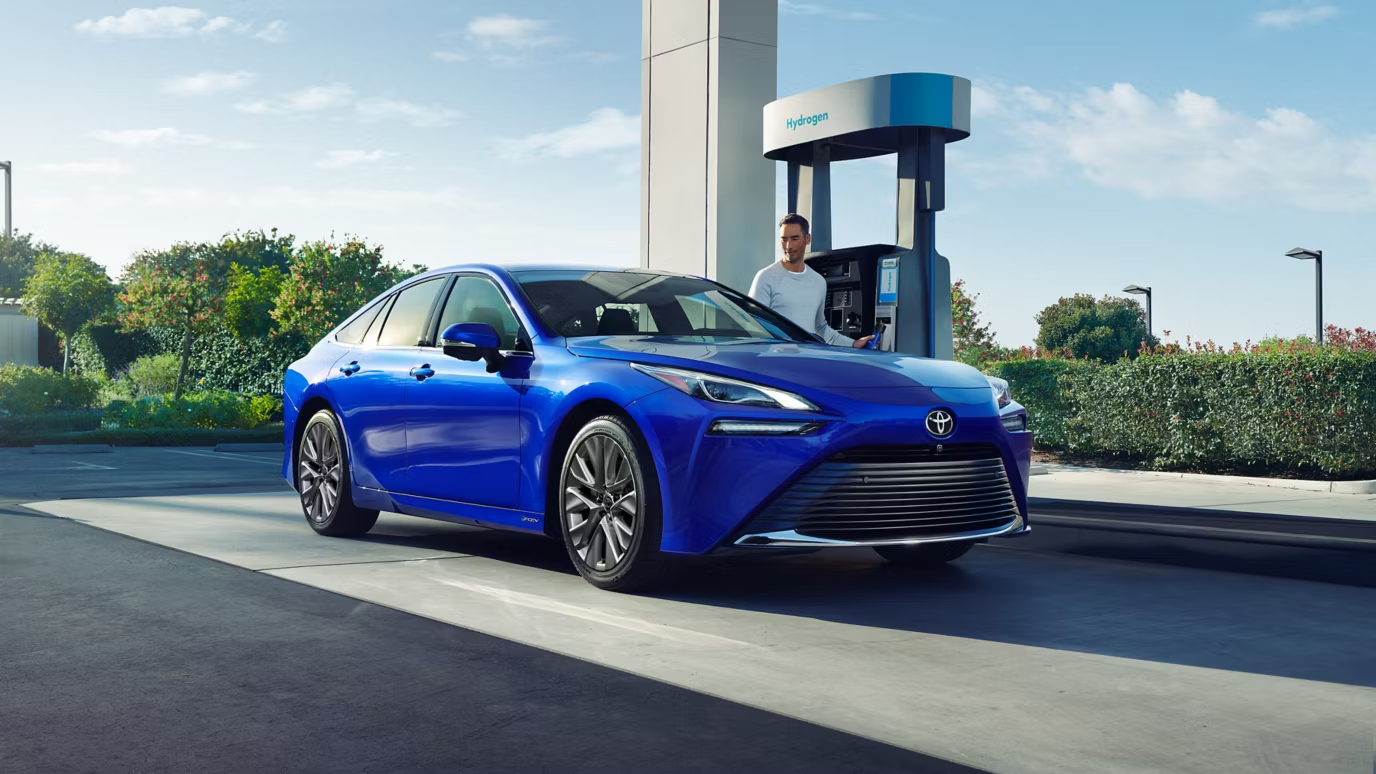
India's roads witness millions of vehicles daily, releasing harmful emissions. Yet a clean solution exists that produces only water vapour while delivering impressive performance. Hydrogen cars in India are set to change how we think about transportation, offering zero-emission driving without the range anxiety that often comes with electric vehicles.
In 2020, direct (tailpipe) emissions from the transport sector (excluding international aviation and shipping) were about 272 million tonnes of CO2. The road sector dominates these emissions, contributing over 92% of transport emissions, making it a critical area for environmental improvement.
Hydrogen fuel cell vehicles in India promise to address this challenge while meeting the practical needs of Indian drivers. Here's everything you need to know about this emerging technology and its potential to reshape our roads.
What Are Hydrogen Cars?
Hydrogen fuel cell vehicles in India work differently from both petrol cars and battery electric vehicles, using hydrogen gas to generate electricity on demand. These vehicles represent a clean technology solution that produces zero harmful emissions.
How Hydrogen Fuel Cell Vehicles Work
Hydrogen cars use a fuel cell system that combines hydrogen and oxygen to create electricity. Here's how the process works:
- Compressed hydrogen gas is stored in high-pressure tanks (700 bar).
- The fuel cell stack splits hydrogen molecules into protons and electrons.
- Electrons flow through an external circuit, powering the electric motor.
- Protons combine with oxygen to produce water vapour as the only emission.
Types of Hydrogen Technologies: Fuel Cell vs Internal Combustion
Main approaches that exist for hydrogen-powered transportation:
|
|
|
|
|---|---|---|
| Fuel Cell Electric (FCEV) | Hydrogen + oxygen → electricity | 8-10% more efficient than battery EVs |
| Hydrogen Internal Combustion | Hydrogen burns in modified engine | Lower efficiency |
| Hydrogen-CNG Blend | 18% hydrogen mixed with CNG | Moderate efficiency |
Benefits of Hydrogen Cars in India
Green hydrogen cars in India offer several advantages that make them particularly suitable for Indian conditions and driving needs.
Zero Emissions and Environmental Impact
Hydrogen vehicles produce absolutely zero carbon emissions during operation. The only exhaust from a hydrogen fuel cell vehicle is pure water vapour, making them ideal for combating urban air pollution in India's growing cities.
Longer Range Compared to Electric Vehicles
The extended range makes hydrogen cars more practical for long-distance travel across India's vast geography.
|
|
|
|---|---|
| Toyota Mirai | 650 km per tank |
| Hyundai Nexo | 600–666 km per tank |
| Typical Electric Vehicle | 300–400 km per charge |
Disclaimer: The information provided above is based on available data and may vary under real conditions.
Fast refuelling Time
Hydrogen refuelling takes just a couple of minutes, similar to filling a petrol tank. This represents a massive advantage over electric vehicles, which require several minutes to hours for charging. For commercial fleets, this quick turnaround means minimal downtime and maximum productivity.
Performance and Quiet Operation
Hydrogen fuel cell cars deliver excellent performance characteristics:
- Full torque available at low speeds.
- Silent operation like electric vehicles.
- Consistent performance in extreme temperatures.
- No vibration or engine noise.
Versatility Across Vehicle Types
Hydrogen technology works particularly well for heavy-duty applications where battery electric vehicles struggle. Trucks, buses, and commercial vehicles benefit from hydrogen's high energy density and quick refuelling capabilities.
Challenges Facing Hydrogen Cars in India
Despite their benefits, hydrogen cars in India face several significant hurdles that need addressing before widespread adoption becomes possible.
Limited Refuelling Infrastructure
According to the National Green Hydrogen Mission, India currently has 9 hydrogen refuelling stations planned/approved in its transport pilot projects. Infrastructure cost is a primary barrier for hydrogen refuelling stations (HRS) vs EV charging stations (EVCS).
|
|
|
|
|---|---|---|
| Typical Setup Cost | $1.5–$4 million per station | $20,000–$150,000 depending on charger type |
| Cost Drivers | Compression systems, high-pressure storage, dispensers, safety systems, onsite hydrogen production/purification | Charger hardware, grid upgrades, transformers, civil works |
| Land & Civil Work Cost | High – requires safety zones + specialised equipment | Low to moderate – mostly parking + wiring |
| Energy Infrastructure Needs | High-pressure hydrogen storage (350–700 bar), compressors | Electrical grid connection; may require high-capacity lines for fast chargers |
| Operating Cost | High (energy for compression, maintenance, hydrogen supply) | Low to moderate (electricity + limited maintenance) |
| Maintenance Complexity | High – compressors, valves, cooling, safety systems | Low – mostly electrical components |
| Typical Refuelling Capacity | 100–300 kg/day (≈20–60 buses or 50+ cars) | Highly scalable; 22 kW AC to 350 kW DC |
| Time to Build | 12–24 months (permits, safety approvals) | 1–6 months depending on charger speed |
| Key Safety Requirements | Explosion-proof systems, high-pressure protocols, hydrogen leak detection | Standard electrical safety, surge protection |
High Production and Purchase Costs
The hydrogen car price in India remains significantly higher than conventional or electric vehicles:
|
|
|
|
|---|---|---|
| Hydrogen Cars | ₹40-65 lakh | Expensive fuel cell technology |
| Premium Electric Cars | ₹70 lakh-₹7 crore | Battery costs |
| Conventional Cars | ₹3-98 lakh | Mature technology |
Disclaimer: The information provided above is based on available data and may vary.
Safety Concerns and Public Perception
Hydrogen is highly flammable, requiring special safety measures for storage and transportation. However, modern hydrogen vehicles use advanced safety protocols:
- High-pressure tanks designed to withstand crashes.
- Automatic shut-off systems in case of leaks.
- Hydrogen disperses quickly, reducing fire risk.
Hydrogen Production and Carbon Footprint
Currently, most hydrogen in India comes from fossil fuels through steam methane reforming, which isn't environmentally friendly. Green hydrogen production costs between USD 3.5-5 per kilogram, while the breakeven cost to compete with conventional fuels is below USD 2 per kilogram.
Space Constraints in Vehicles
Hydrogen storage requires large, high-pressure tanks made of carbon fibre-reinforced plastic. These tanks take up considerable space, potentially affecting vehicle design and interior room.
Government Initiatives and Industry Efforts
India’s commitment to hydrogen mobility is demonstrated through extensive government funding, clear policy guidance, and strategic long-term planning. The country is establishing a foundational ecosystem for hydrogen vehicles and clean fuel adoption via dedicated missions like the National Green Hydrogen Mission, pilot projects deploying hydrogen-powered vehicles, and active collaborations between industry and government.
National Hydrogen Energy Mission
The National Green Hydrogen Mission received a budgetary allocation of ₹19,744 crore up to 2029-30. This funding supports strategic interventions, pilot projects, R&D, and other mission components. It aims to create 5 MMT of green hydrogen capacity, generate 6 lakh jobs, and attract investments over ₹8 lakh crore through public and private sectors by 2030.
Key Targets by 2030:
- 5 million metric tonnes green hydrogen production annually.
- 125 GW renewable energy capacity addition.
- Over ₹8 lakh crore in investments.
- 600,000 jobs creation.
- 50 million metric tonnes CO2 emissions reduction.
Public and Private Sector Collaborations
Indian Oil is leading a ₹300-crore demonstration project for hydrogen fuel cell vehicles, seeking to purchase 15 fuel cell buses through local manufacturing. Major Indian automakers including Tata Motors, Mahindra, and Ashok Leyland have announced hydrogen vehicle development plans.
Testing and Pilot Projects in India
Several pilot projects are currently underway:
- Toyota Mirai testing with iCAT and the Ministry of Road Transport.
- CSIR-KPIT indigenous hydrogen vehicle achieving 250 km per kilogram.
- IOC conducting 20,000 km field trials with 15 hydrogen buses in Delhi NCR.
The Ministry of New and Renewable Energy has approved five pilot projects including 37 vehicles and nine hydrogen refuelling stations.
Upcoming Hydrogen Cars in India
Several international brands are preparing to launch hydrogen cars in India, targeting the premium segment initially.
|
|
|
|
|
|
|---|---|---|---|---|
| Toyota Mirai | 646 km, 3–5 min refuel | ₹ 60–70 lakh | Pilot project now; wider launch in 3–5 years | Pilot — currently under test via ICAT / Toyota Kirloskar. |
| Hyundai Nexo | 600–700 km, 5-min refuel | ₹ 65–75 lakh (expected) | Testing phase: 2-year trial with IOCL | Testing / Limited — not full commercial sale due to limited H₂ infrastructure. |
| MG Euniq 7 | 605 km, 3–5 min refuel, MPV layout | — | Showcased at Auto Expo 2023 (CarWale) | No (yet) — only a concept / showcase; no commercial launch confirmed. |
| Honda Clarity Fuel Cell | 500+ km, 3–5 min refuel | — | No credible India-launch source found (global model) | No — not confirmed for Indian market (based on current reporting) |
| BMW i Hydrogen NEXT | 600 km, luxury FCEV | ₹ 75–80 lakh (expected) | No confirmed India-launch timeline in public; future model | No — no announced plans for India yet |
| Riversimple Rasa | 480 km, two-seater, subscription model | — | No reliable India-launch information | No — no clear India-market plan publicly available |
Disclaimer: The information provided above is based on available data and may vary under real conditions.
Comparison: Hydrogen Cars vs Electric Vehicles
Understanding the differences between hydrogen and electric vehicles helps clarify their respective advantages.
Fuel and Energy Storage Differences
|
|
|
|
|---|---|---|
| Energy Source | Generate electricity onboard using hydrogen fuel cells. | Store electricity in lithium-ion batteries. |
| How Energy Is Stored | Hydrogen compressed in high-pressure tanks. | Electricity stored in large battery packs. |
| Energy Conversion | Hydrogen → electricity via fuel cell → motor. | Stored electricity → motor. |
| Weight Factor | Fuel cells and tanks are lighter than large EV batteries. | Batteries are heavy, affecting efficiency in large vehicles. |
| Best Suited For | Larger vehicles, long-distance travel. | Urban commute, short–medium range cars. |
Range and refuelling/Charging Times
|
|
|
|
|---|---|---|
| Range | 500-650 km | 300-400 km |
| Refuelling/Charging | 3-5 minutes | 30 minutes - 8 hours |
| Infrastructure | Limited (4 stations) | Growing network |
Environmental and Cost Considerations
Running costs show hydrogen at around ₹4 per kilometre compared to petrol at ₹8-10 per kilometre. However, electric vehicles currently have better charging infrastructure and lower running costs in most scenarios.
The Future Outlook for Hydrogen Cars in India
The future of green hydrogen cars in India looks promising with strong government support and growing industry investment.
Potential for Infrastructure Expansion
A well-planned network of refuelling stations along highways and major cities will encourage consumer adoption. The Kerala Green Hydrogen Valley represents a cluster approach to scaling hydrogen production and infrastructure.
Role of Renewable Energy in Hydrogen Production
India's abundant sunlight and wind resources position it uniquely for green hydrogen production. This aligns with the country's renewable energy targets and can significantly reduce carbon emissions.
Market Adoption and Consumer Awareness
By 2030, India targets over 1,000 hydrogen-powered trucks and buses on its roads, and by 2035, the India hydrogen fuel cell vehicle market is expected to expand significantly, reaching a value of $4724.9 million.
International Collaborations
Kerala's partnership with international organisations like the World Economic Forum supports global hydrogen mobility solutions. Technology transfer from established hydrogen markets will accelerate India's development.
Securing Your Future Investment
As hydrogen cars in India prepare to enter the market, protecting your investment becomes crucial. These advanced vehicles represent significant financial commitments requiring comprehensive coverage against potential risks.
Royal Sundaram's car insurance offers comprehensive coverage for accidental damage, third-party liability, theft, natural calamities, and personal accident protection. It provides add-ons like zero depreciation, roadside assistance, and engine protection.
FAQs
Hydrogen cars are not yet sold commercially in India; only pilot trials and limited refuelling stations exist.
Expected upcoming hydrogen cars include the Toyota Mirai, Hyundai Nexo, MG Euniq 7, Honda Clarity, BMW i Hydrogen NEXT, and Riversimple Rasa, aimed at premium and urban buyers.
Hydrogen cars use fuel cells that mix hydrogen and oxygen to generate electricity, producing only water vapour. This clean process makes them eco-friendly alternatives to combustion engines and batteries.
Hydrogen cars offer long driving ranges, quick refuelling, reliable performance in extreme climates, and quiet operation, making them a strong complement to EVs for varied driving conditions.
Key challenges include limited refuelling stations, high vehicle and fuel costs, safety requirements, carbon emissions from grey hydrogen, and the need for large-scale infrastructure.
The Indian government supports hydrogen mobility through the National Green Hydrogen Mission, incentives, pilot projects, and partnerships to accelerate clean hydrogen adoption for transportation.
Hydrogen cars are expected to cost over ₹60 lakh due to advanced fuel-cell technology and low production volumes, making them more expensive than most EVs in the market.
Hydrogen fuel is considered safe due to certified high-pressure tanks, strict handling standards, and regulatory guidelines, with ongoing innovations continually improving system safety for Indian conditions.
Green hydrogen production has minimal emissions. India aims to expand green hydrogen usage to reduce environmental impact from hydrogen-powered vehicles.
Hydrogen refuelling stations are currently scarce but gradually increasing through government and private efforts, focusing first on major cities and selected highway routes.


Discover the perfect insurance plan for you!
Get your free quote now!
Get StartedBy Clicking on Get Started, You agree to our Terms and Conditions and override DNC/NDNC registration.
More like this
View more


.png)