
You have been Successfully Subscribed to Newsletter


Long Range Electric Cars You Can Buy in India
May 06, 2026 • 10 Min Read
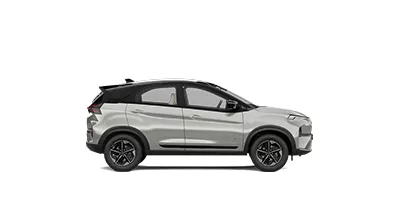
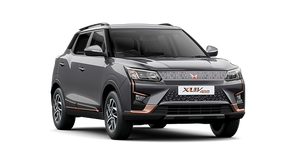
Range anxiety remains the biggest concern for electric car buyers in India. However, modern long range electric cars in India now offer impressive driving ranges that can handle daily commutes and weekend trips without breaking a sweat. The biggest range EV car in India, the Mercedes EQS, delivers up to 857 km on a single charge, while more affordable options like the Tata Nexon EV Max provide over 450 km range.
The electric vehicle market is growing rapidly, driven by government incentives, improving technology, and expanding charging networks. This guide will help you understand everything you need to know about the best long range EV cars in India — from technical specifications to real-world ownership costs — making your buying decision much easier.
Introduction to Long Range Electric Cars in India
India's electric vehicle revolution centres around solving the fundamental challenge of driving range. Long-range EVs represent the sweet spot between traditional petrol cars and environmental responsibility, offering practical solutions for modern Indian families.
What Are Long Range Electric Cars?
Long-range electric vehicles are cars that can travel 400 kilometres or more on a single charge. Most long range electric cars in India offer certified ranges between 400-857 km, depending on their battery capacity and efficiency. The Mercedes EQS leads the pack with an impressive 857 km range, while affordable options like the Tata Nexon EV Max deliver 453 km.
These vehicles use advanced lithium-ion battery technology to store large amounts of energy. The connection between range and battery capacity is straightforward - denser batteries pack more energy per kilogram, giving vehicles better range. However, real-world range often differs from certified figures due to driving conditions, weather, and usage patterns.
Key characteristics of long-range EVs include:
- Battery packs ranging from 39.4 kWh to 107.8 kWh
- Certified ranges of 400+ kilometres
- Advanced thermal management systems
- Regenerative braking technology
- Smart energy management features
Importance of Driving Range in EV Buying Decisions
Range anxiety tops the list of concerns for potential EV buyers in India. Surveys consistently show that driving range remains the primary factor influencing purchase decisions, even more than price or features. The preference for 400+ km range stems from practical considerations like:
- Daily commutes averaging 50-80 km in major cities
- Weekend trips requiring a 200-300 km range
- Limited charging infrastructure outside metros
- Desire to charge only 2-3 times per week
Current Trends in India's EV Market
India's electric vehicle market is experiencing remarkable growth, with total EV sales reaching 2 million units in 2024, marking a significant 25.4% year-over-year increase from 12.4 lakh units in 2023. This growth reflects increasing consumer acceptance and government support for electric mobility.
Market penetration statistics show encouraging progress:
- Electric vehicle penetration reached 7.40% of total vehicle sales in 2024, up from 6.38% in 2023
- Electric two-wheelers dominate with 59% of EV sales.
- Four-wheelers represent 5% of total EV sales.
- Government target of 30% EV share by 2030
Top Long Range Electric Cars Available in India (2025)
The best long-range EV cars in India span multiple price segments, offering options for budget-conscious buyers and luxury car enthusiasts alike. Current models deliver impressive ranges while featuring modern technology and safety systems.
Detailed List of EVs with 400+ km Range
Here's a comprehensive overview of long-range electric cars in India that are currently available:
|
|
|
|
|
|
|---|---|---|---|---|
| Mercedes EQS | 857 | 107.8 | 2.25+ Cr | 30 minutes |
| Kia EV6 | 708 | 77.4 | 60+ | 18 minutes |
| MG ZS EV | 461 | 50.3 | 21-25 | 60 minutes |
| Mahindra XUV400 Pro | 456 | 39.4 | 18.91 lakh | 50 minutes |
| Tata Nexon EV Max | 453 | 40.5 | 12.49+ | 56 minutes |
| BYD Atto 3 | 400+ | 60.48 | 24-33 | 45 minutes |
Disclaimer: Prices are indicative and subject to change. Please verify with the manufacturer/dealer.
The highest range EV car in India, the Mercedes EQS, showcases what's possible with premium battery technology. Its 107.8 kWh battery delivers exceptional range while supporting ultra-fast charging up to 80% in just 30 minutes.
Comparison of Driving Range, Price, and Charging Time
Value proposition varies significantly across different price segments. Budget-friendly long range electric cars in India, like the Tata Nexon EV Max, offer excellent range-to-price ratios, while premium models provide luxury features alongside impressive range.
Key comparison factors include:
Affordable Segment (₹15-20 Lakh):
- ata Nexon EV Max: Best overall value
- Mahindra XUV400 Pro: Competitive features
Premium Segment (₹20-35 Lakh):
- MG ZS EV: Spacious family SUV
- BYD Atto 3: Advanced safety features
Luxury Segment (₹60+ Lakh):
- Kia EV6: Fastest charging capability
- Mercedes EQS: Ultimate range and luxury
Popular Models: Tata Nexon EV Max, Mahindra XUV400, MG ZS EV, Kia EV6
- Tata Nexon EV Max: Leads the mainstream segment with its 453 km range and competitive ₹14-18 lakh pricing. The 40.5 kWh battery supports fast charging up to 80% in 56 minutes, making it practical for daily use.
- Mahindra XUV400 Pro: Offers 456 km range with a 39.4 kWh battery pack. Advanced Driver Assistance System (ADAS) features and spacious interiors make it attractive for families seeking safety and comfort.
- MG ZS EV: Provides 461 km range through its substantial 50.3 kWh battery. The vehicle targets families needing space and features, with rapid charging capability reaching 80% in 60 minutes.
- Kia EV6: Represents the premium segment with a 708 km range and exceptional build quality. Its 77.4 kWh battery supports ultra-fast charging, making it suitable for long-distance travel.
Technical Aspects Affecting EV Range
Battery technology and environmental factors significantly impact real-world driving range.
Battery Capacity and Types
Lithium-ion batteries power all modern long-range EVs, but different chemistries offer varying performance characteristics. The relationship between battery capacity and range of the highest range EV car in India is direct - larger batteries store more energy, enabling longer distances. Current battery technologies include:
Lithium Iron Phosphate (LFP):
- Lower cost and longer lifespan
- Slightly lower energy density
- Better thermal stability
Nickel-Manganese-Cobalt (NMC):
- Higher energy density
- Better cold-weather performance
- More expensive than LFP
Battery degradation affects long-term range. Car batteries typically lose 2% of their capacity annually, gradually reducing available range. However, most manufacturers provide 8-year warranties covering significant capacity loss.
Factors Influencing Real-World Range
Real-world driving conditions significantly impact EV range compared to laboratory test conditions. Temperature effects are particularly pronounced in India's varied climate zones.
Temperature Impact:
- Range loss averages 2.8% at 26.7°C.
- Increases to 5% at 32.2°C
- Can reach 31% at 37.8°C during extreme heat
- Cold weather, below 0°C, reduces range by 20-50%
Driving Factors:
- Aggressive acceleration reduces efficiency by 15-25%
- Highway speeds above 80 km/h increase energy consumption
- Hills and poor road surfaces impact the range.
- Climate control usage can reduce range by 10-30%
Optimisation Strategies:
- Maintain steady speeds between 50-80 km/h
- Use regenerative braking effectively.
- Precondition the cabin while plugged in
- Keep tyres properly inflated.
Charging Infrastructure and Its Impact
India's charging infrastructure has grown dramatically, with public charging stations reaching 25,202 by December 2024. Karnataka leads with 5,765 stations, followed by Maharashtra with 3,728 and Uttar Pradesh with 1,989 stations.
Infrastructure growth shows impressive momentum:
- Public charging stations rose from 5,151 in 2022 to 26,367 by early FY25, marking a strong 72% compound annual growth rate.
- 70% of stations are concentrated in urban areas
- Highway corridor development is accelerating.
- Government targets 1.32 million stations by 2030
Charging Times and Infrastructure in India
Charging infrastructure and technology determine how practical long-range EVs are for daily use.
Types of Chargers (AC, DC Fast Chargers)
India's charging ecosystem includes multiple charger types designed for different use cases:
|
|
|
|
|
|---|---|---|---|
| AC Slow | 3.3-7.4 kW | 8-12 hours | Home, overnight |
| AC Fast | 11-22 kW | 4-6 hours | Workplace, community |
| DC Fast | 25-50 kW | 45-90 minutes | Public stations |
| DC Rapid | 150-350 kW | 18-45 minutes | Highways |
| Ultra-fast | Up to 400 kW | 15-30 minutes | Premium locations |
Disclaimer: The above power ratings are subject to the data available & might change under different circumstances
Currently, 85% of installed chargers are slow AC units suitable for home and office use, while 35% are fast DC chargers for public charging. The Bharat AC-001 standard (3.3kW) dominates residential installations, while DC-001 (15kW) serves public locations.
Charging Time Comparisons
Charging times vary significantly based on charger type, battery size, and environmental conditions. Here are typical charging times for popular long range electric cars in India:
Mainstream Models:
- Tata Nexon EV: 56 minutes (10-80%) on DC fast charger
- MG ZS EV: 60 minutes (0-80%) on DC fast charger
- Mahindra XUV400: 6 hours (10-80%) on DC fast charger
Premium Models:
- Mercedes EQS: 30 minutes (10-80%) on ultra-fast charger
- Kia EV6: 18 minutes (10-80%) on ultra-fast charger
Cold weather significantly impacts charging speed, with temperatures below freezing increasing charging times by up to 200%. Battery thermal management systems limit charging speed when cold to protect battery health.
Availability and Growth of Charging Stations Across India
India's charging network has expanded rapidly, with major operators building comprehensive coverage.
Major Networks:
- Statiq: 7,000+ chargers across 63+ cities
- Tata Power: 5,500+ stations in 550+ cities
- Jio-bp: 5,000+ charging points
The PM E-DRIVE scheme allocated ₹2,000 crore for expanding public EV charging stations, supporting approximately 72,000 new chargers by FY 2025-26. This includes 22,100 fast chargers for cars and 48,400 chargers for two and three-wheelers.
Regional distribution shows urban concentration, but rural expansion is accelerating:
- Delhi targets 18,000 stations by 2025
- Karnataka plans 1,00,000 stations by 2025
- NHAI's 'One Highway One Charge' initiative adds 500+ fast chargers on 25 highways
Pricing and Ownership Costs
Long range electric cars in India ownership involves higher upfront costs but significantly lower running expenses compared to petrol or diesel vehicles. Government incentives help offset initial price premiums.
Price Range of Long Range EVs
The best long range EV cars in India span multiple price segments, making them accessible to different buyer categories:
|
|
|
|
|
|---|---|---|---|
| Models Targetable | 15-20 |
Tata Nexon EV, Mahindra XUV400 |
Middle-class families |
| Premium | 20-35 |
MG ZS EV, BYD Atto 3, Mahindra XEV 9e |
Affluent buyers |
| Luxury | 60+ |
Kia EV6, BMW iX, Mercedes EQS |
High-net-worth individuals |
Disclaimer: The prices mentioned above are subject to the availability of data.
EVs typically cost 20-30% more than equivalent petrol or diesel vehicles. However, this premium is declining as battery costs reduce and production scales increase.
Government Incentives and Tax Benefits
Government support significantly reduces the ownership of the highest range EV cars in India through multiple incentive programmes.
Central Government Benefits:
- PM E-DRIVE scheme with ₹10,900 crore allocation for EV ecosystem development
- GST reduced from 12% to 5% for EVs
- GST on chargers reduced from 18% to 5%
- FAME II supported over 16.14 lakh electric vehicles with subsidies up to ₹1.5 lakh
State-Level Benefits:
- Road tax exemption in 19 states/UTs
- Registration fee waivers
- Reduced electricity tariffs for EV charging
- Additional purchase subsidies in select states
These incentives can reduce total ownership costs by ₹1-3 lakh over the vehicle's lifetime.
Maintenance and Running Costs Vs ICE Vehicles
EVs offer dramatic cost advantages in daily operation and maintenance compared to internal combustion engine vehicles:
|
|
|
|
|
|---|---|---|---|
| Fuel/Electricity | ₹1,00,000 | ₹6,000-10,000 | 90%+ |
| Maintenance | ₹15,000-18,000 | ₹6000-10000 | 75% |
| Insurance | ₹15,000 | ₹18,000 | -20% |
| Total | ₹1,30,000 | ₹27,000-33,000 | 75% |
Disclaimer: Costs are indicative and may vary based on usage patterns and location.
EV maintenance costs are significantly lower because electric motors have fewer moving parts. No oil changes, spark plug replacements, or timing belt adjustments are required. However, battery replacement costs (₹3-5 lakh after 8-10 years) should be considered in long-term planning.
Pros and Cons of Long Range Electric Cars
Best long range EV cars in India offer compelling advantages but also present certain challenges that buyers should carefully consider before making purchase decisions.
Advantages of EVs With Longer Ranges
The highest range EV car in India provides multiple benefits that make it increasingly attractive to Indian buyers.
Operational Benefits:
- Reduced charging frequency with 400+ km range
- Lower cost per kilometre (₹1-2 vs ₹6-8 for petrol)
- Zero tailpipe emissions support environmental goals.
- Instant torque delivery for smooth acceleration
- Quiet operation reduces noise pollution.
Financial Advantages:
- Government incentives and tax benefits
- Significantly lower maintenance costs
- Stable electricity pricing vs volatile fuel costs
- Higher vehicle utilisation results in greater savings
Challenges Faced by EV Buyers in India
Despite impressive growth, several challenges still affect EV adoption.
Infrastructure Limitations:
- Only 25,000 charging stations nationwide
- Limited coverage outside major urban centres
- Inconsistent charging speeds and reliability
- Grid reliability issues in rural areas
Cost Considerations:
- Higher upfront purchase costs (20-30% premium)
- Battery replacement costs after 8-10 years
- Limited financing options compared to ICE vehicles
- Higher insurance premiums
How To Overcome Range Anxiety
Practical strategies can effectively address range concerns and maximise EV efficiency.
Planning Strategies:
- Use mobile apps to locate charging stations along routes.
- Identify backup charging locations for longer trips.
- Plan trips around charging infrastructure availability
- Monitor real-time charging station status.
Driving Techniques:
- Maintain steady speeds between 50-80 km/h
- Use regenerative braking effectively.
- Avoid aggressive acceleration and hard braking.
- Precondition the cabin while the vehicle is plugged in. This refers to the condition of heating or cooling the car’s interior before you start driving, while the vehicle is still connected to a charger. This allows the air conditioning or heater to draw power from the grid instead of the battery.
- By preconditioning the cabin while plugged in, the car reaches a comfortable temperature before your journey begins, reducing the load on the battery once you start driving. As a result, more battery power is preserved for driving, helping to improve overall range—especially useful in extreme summer or winter conditions.
Future Outlook for Long Range Electric Cars in India
The highest range EV car in the Indian segment will expand significantly with new launches and technological advances. Government policies and market dynamics support continued growth and innovation.
Upcoming Models and Innovations
Maruti Suzuki's entry with the e-Vitara represents a significant milestone, as India's largest carmaker finally enters the EV segment. The vehicle will offer 49kWh and 61kWh battery options, with the larger battery providing a 500km range.
Moreover, Tesla's planned investment of $2-3 billion for Indian manufacturing could revolutionise the premium EV segment, bringing advanced technology and global best practices to the market.
Government Targets for EV Adoption by 2030
India has set ambitious targets to accelerate EV adoption across all vehicle categories:
- of private cars
- of commercial vehicles
- of buses
- of two and three-wheelers
These targets translate to approximately 80 million EVs on Indian roads by 2030, supported by comprehensive domestic manufacturing through the 'Make in India' initiative.
Emerging Technologies: Battery & Hydrogen Fuel Cells
Next-generation technologies will further improve EV practicality and performance.
Advanced Battery Technologies:
- Solid-state batteries promising 50% higher energy density
- Silicon nanowire anodes increase capacity.
- Faster charging capabilities under 15 minutes
- An extended lifespan reduces replacement costs.
Alternative Technologies:
- Hydrogen fuel cells for commercial vehicles
- Battery swapping for two-wheelers and light commercial vehicles
- Wireless charging infrastructure development
- Vehicle-to-grid technology for energy storage
The Indian EV battery market is projected to rise from, reflecting the scale of technological investment and market opportunity.
Your Journey to Smart Vehicle Protection
As long range electric cars in India become mainstream, protecting your investment becomes crucial. Electric vehicles require specialised insurance coverage that addresses unique risks and requirements different from traditional petrol or diesel cars.
Royal Sundaram General Insurance offers comprehensive car insurance solutions specifically designed for modern vehicles, including electric cars. Our add on coverage includes protection against battery damage, charging equipment, and specialised EV components that standard policies might not adequately cover.
Frequently Asked Questions
The best long range EV cars in India include Tata Nexon EV Max (453 km), Mahindra XUV400 Pro (456 km), MG ZS EV (461 km), Kia EV6 (708 km), and Mercedes EQS (857 km). These models offer certified ranges above 400 km with varying price points from ₹15 lakh to ₹2.25 crore.
Long range electric cars in India typically travel 400-857 km on a single charge, depending on the model and battery capacity. Real-world range is usually 10-20% lower than certified figures due to driving conditions, weather, and usage patterns.
Fast charging takes 18-60 minutes to reach 10-80% using DC fast chargers. Tata Nexon EV charges in 56 minutes, MG ZS EV takes 60 minutes, while premium models like Mercedes EQS charge in 30 minutes on ultra-fast chargers.
India has 25,202 public charging stations as of December 2024, with rapid expansion planned. The government targets 72,000 new chargers by FY 2025-26 under the PM E-DRIVE scheme, though coverage remains concentrated in urban areas.
EVs cost 75% less to operate annually compared to ICE vehicles. While upfront costs are 20-30% higher, running costs drop from ₹1,30,000 to ₹27,000-33,000 per year due to lower fuel and maintenance expenses.
Use mobile apps for charging station location, maintain steady speeds of 50-80 km/h, precondition the cabin while plugged in, use regenerative braking effectively, and plan routes with backup charging locations for longer trips.
Central incentives include PM E-DRIVE subsidies up to ₹1.5 lakh, 5% GST (reduced from 12%), and FAME II benefits. State incentives offer road tax exemption in 19 states, registration fee waivers, and additional purchase subsidies in select regions.


Discover the perfect insurance plan for you!
Get your free quote now!
Get StartedBy Clicking on Get Started, You agree to our Terms and Conditions and override DNC/NDNC registration.
More like this
View more


.png)