
You have been Successfully Subscribed to Newsletter


How a Multi Point Fuel Injection System Works: Complete Guide for Indian Vehicle Owners
Apr 16, 2026 • 10 Min Read
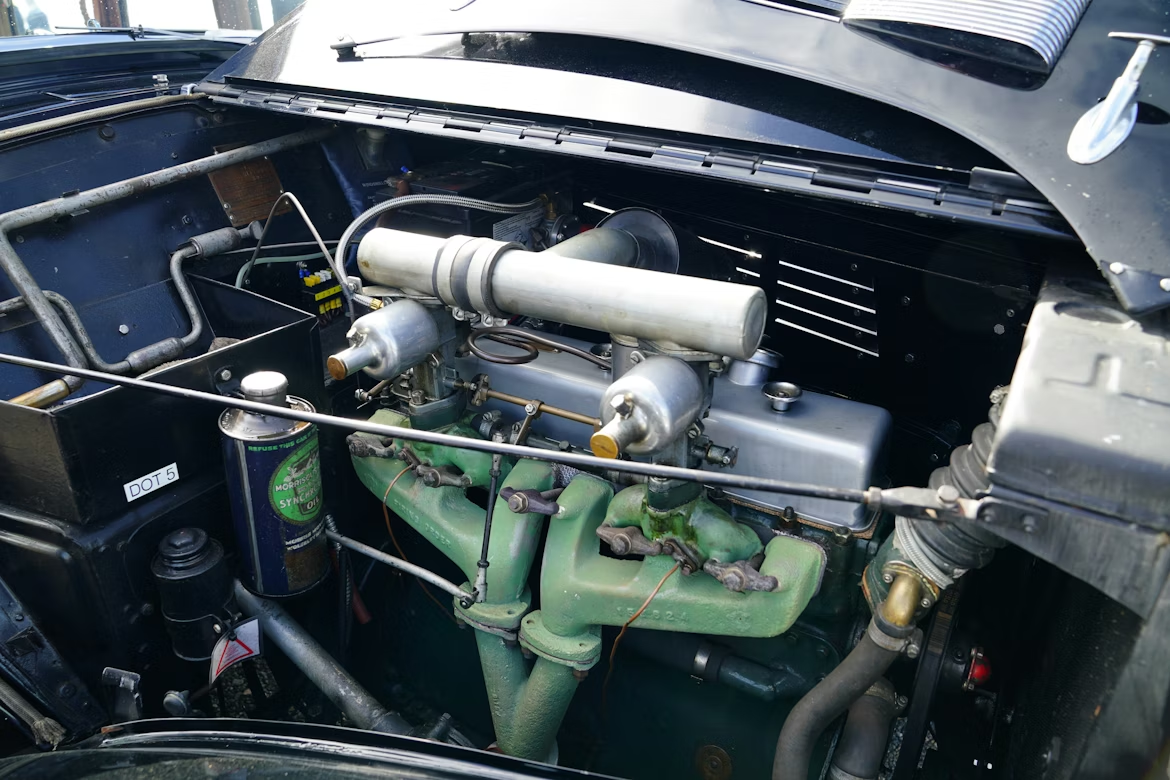
Modern vehicles have come a long way from the days when carburettors mixed air and fuel mechanically. Although every petrol and CNG car in India comes equipped with MPFI technology since the late 1990s, today's engines rely on sophisticated electronic systems that deliver fuel with pinpoint accuracy.
The multi point fuel injection system represents a significant leap in automotive technology, offering Indian drivers better mileage, lower emissions, and superior performance compared to older systems. In fact, this system has become the backbone of modern engine management. Understanding how this technology works can help you make better vehicle choices and maintain your car properly.
What is a Multi Point Fuel Injection System
A multi point fuel injection system is an advanced fuel delivery method that uses individual injectors for each cylinder in your engine. Unlike older systems that delivered fuel to a central location, MPFI technology places a dedicated injector at each cylinder's intake valve, ensuring precise fuel delivery when and where it's needed most.
Basic Definition and Purpose
What is MPFI in simple terms? It's a fuel injection method where each engine cylinder receives fuel through its own dedicated injector positioned outside the intake port. This setup allows the Electronic Control Unit (ECU) to control exactly how much fuel each cylinder gets, creating the perfect air-fuel mixture for optimal combustion.
The primary purpose of a multi point fuel injection system centres on three key objectives:
- Precise fuel metering: Each injector delivers exactly the right amount of fuel based on engine conditions
- Improved combustion efficiency: Better fuel atomisation leads to more complete burning
- Reduced emissions: Accurate fuel delivery minimises unburnt fuel and harmful exhaust gases
Comparison with Single-Point Fuel Injection and Carburettors
Understanding what is multi point fuel injection system becomes clearer when compared to older technologies. Here's how different fuel delivery systems stack up:
|
|
|
|
|
|---|---|---|---|
| Fuel delivery method | Mechanical mixing | One central injector | Individual injectors per cylinder |
| Electronic control | None | Basic ECU control | Advanced ECU with multiple sensors |
| Fuel precision | Poor | Moderate | Excellent |
| Cold start performance | Requires choke | Better than carburettor | Best performance |
| Maintenance complexity | Simple | Moderate | Complex but reliable |
| Fuel efficiency | Lowest | Better | Best |
| Emission levels | Highest | Moderate | Lowest |
Disclaimer: Specifications are indicative and subject to change. Please verify with the manufacturer/dealer.
The key differences become more apparent in real-world performance. Carburettors mix air and fuel mechanically, leading to inconsistent ratios that change with temperature and altitude. Single-point injection improves on this with electronic control but still delivers fuel to all cylinders from one location.
Multi-point injection takes precision to the next level. Each cylinder gets individualised fuel delivery based on its specific needs. The system can adjust for factors like engine temperature, throttle position, and exhaust oxygen levels in real-time, something impossible with mechanical systems.
Components of a Multi Point Fuel Injection System
The multi point fuel injection system consists of several interconnected components that play a crucial role in ensuring your engine receives the exact amount of fuel needed for optimal performance.
Electronic Control Unit (ECU)
The ECU serves as the brain of your multi point fuel injection system. This sophisticated computer processes information from various sensors and calculates the optimal fuel-air mixture for each cylinder in real-time. The ECU receives data inputs every few milliseconds and adjusts fuel delivery accordingly.
Fuel Injectors
Fuel injectors represent the heart of any multi point fuel injection system. These precisely engineered components are electromagnetic valves that open and close in response to electrical signals from the ECU. Each cylinder has its own dedicated injector, allowing for individualised fuel delivery.
Fuel Pump and Fuel Rail
The fuel pump maintains consistent pressure throughout the system, typically operating between 3-5 bar pressure. Electric fuel pumps, usually located inside the fuel tank, draw fuel and deliver it to the fuel rail through fuel lines. The fuel rail acts as a distribution manifold, supplying pressurised fuel to all injectors simultaneously.
Fuel Pressure Regulator
This component maintains optimal fuel pressure by returning excess fuel to the tank when pressure exceeds pre-set limits. The regulator ensures consistent fuel delivery regardless of engine load or throttle position changes.
Key Sensors (MAF, TPS, O2, ECT, CKP, CMP)
A Multi point fuel injection system uses multiple sensors to gather real-time engine data. Each sensor provides specific information that helps the ECU make accurate fuel delivery decisions:
|
|
|
|
|---|---|---|
| Mass Airflow Sensor (MAF) | Measures incoming air volume | Determines base fuel quantity needed |
| Throttle Position Sensor (TPS) | Monitors accelerator pedal position | Adjusts fuel for acceleration / deceleration |
| Oxygen Sensor (O₂) | Measures exhaust oxygen content | Fine‑tunes air‑fuel ratio for efficiency |
| Engine Coolant Temperature (ECT) | Monitors engine temperature | Adjusts fuel for cold starts and warm‑up |
| Crankshaft Position Sensor (CKP) | Tracks engine rotation speed | Times fuel injection with engine cycles |
| Camshaft Position Sensor (CMP) | Monitors valve timing | Ensures injection timing accuracy |
Intake Manifold and Throttle Body
The intake manifold distributes air to each cylinder while housing the fuel injectors. Its design affects airflow patterns and fuel mixing characteristics. The throttle body controls airflow into the engine based on accelerator pedal position.
How Does the Multi Point Fuel Injection System Work?
The multi point fuel injection system operates through a sophisticated closed-loop control process that continuously monitors engine conditions and adjusts fuel delivery accordingly. This real-time adjustment capability sets MPFI apart from older mechanical systems.
Role of Sensors and ECU in Fuel Delivery
The fuel delivery process begins when sensors collect data about current engine operating conditions. The Mass Airflow Sensor measures the volume of air entering the engine, while the Throttle Position Sensor indicates how much power you're requesting. The Engine Coolant Temperature Sensor tells the ECU whether the engine is cold and needs an enriched fuel mixture. The ECU processes this sensor data using predetermined fuel maps and algorithms.
Fuel Injection Timing and Process
Fuel injection timing is critical for optimal engine performance. The Crankshaft Position Sensor and Camshaft Position Sensor work together to tell the ECU exactly when each cylinder is ready for fuel injection.
The injection process follows this sequence:
- Data collection: Sensors continuously monitor engine conditions
- Calculation: ECU determines optimal fuel quantity and timing
- Injection command: ECU sends electrical pulse to specific injector
- Fuel delivery: Injector opens for precise duration, spraying fuel
- Mixing: Fuel mixes with incoming air in the intake port
- Combustion: Air-fuel mixture enters cylinder for combustion
- Feedback: Oxygen sensor monitors exhaust for mixture quality
This entire cycle repeats thousands of times per minute, with each cylinder receiving individualised fuel delivery based on its specific needs.
Closed-Loop Control for Optimising Combustion
The closed-loop control system represents the most advanced feature of modern multi point fuel injection systems. Unlike open-loop systems that operate on predetermined settings, closed-loop control continuously adjusts based on actual results. The ECU commands a specific air-fuel ratio, then monitors exhaust gases through the Oxygen Sensor to verify the actual ratio achieved. If there's a difference, the ECU adjusts the next injection cycle accordingly.
Types of Multi Point Fuel Injection Systems
Different multi point fuel injection system designs cater to various performance requirements and each type offers distinct advantages depending on the application and desired outcomes.
Simultaneous Multi-Point Fuel Injection
Simultaneous injection represents the most basic MPFI design where all fuel injectors operate at the same time. The ECU sends injection commands to every injector simultaneously, regardless of individual cylinder timing requirements.
Sequential Multi-Point Fuel Injection
Sequential injection represents the most advanced MPFI technology, where each injector operates independently based on individual cylinder timing. The ECU precisely times fuel delivery to coincide with each cylinder's intake stroke.
Batched (Semi-Sequential) Multi-Point Fuel Injection
Batched injection represents a compromise between simultaneous and sequential systems. The ECU divides cylinders into groups or "batches" and fires injectors for each group simultaneously. This approach reduces complexity while improving timing compared to full simultaneous operation.
Direct Injection (Gasoline Direct Injection - GDI)
While technically different from traditional MPFI, Gasoline Direct Injection represents an evolution of multi-point technology. GDI systems inject fuel directly into the combustion chamber rather than the intake port. GDI characteristics include higher injection pressure and smaller fuel droplets.
Dual-Stage Multi-Point Fuel Injection
Some advanced engines combine multiple injection strategies within the same system. Dual-stage systems might use both port injection and direct injection, or employ multiple injection events per engine cycle. These systems can switch between different injection strategies based on operating conditions.
Advantages of Multi Point Fuel Injection System
The multi point fuel injection system offers significant benefits over older fuel delivery technologies, making it the preferred choice for modern vehicles.
Improved Fuel Efficiency
By delivering exactly the right amount of fuel to each cylinder, MPFI systems eliminate the fuel waste common with carburettors and single-point injection.
Enhanced Engine Performance and Power
MPFI technology unlocks your engine's full potential through optimised combustion. The individualised fuel delivery allows each cylinder to operate at peak efficiency, something impossible with centralised fuel systems.
Lower Emissions and Environmental Impact
Environmental benefits represent one of the most important advantages of multi point fuel injection systems. Emission reductions include significant reductions in unburnt hydrocarbons, carbon monoxide output, and nitrogen oxide formation.
Better Cold-Start Behavior
MPFI systems excel in cold-start situations where carburettors often struggle. The ECU can adjust fuel delivery based on engine temperature, ensuring reliable starts even in cold weather conditions common in northern India during winter months.
Reliability and Reduced Engine Knock
The precise fuel control of MPFI systems helps prevent engine knock, a damaging condition where fuel ignites prematurely. Additional reliability benefits include:
- Reduced carbon build-up in combustion chambers
- More consistent cylinder-to-cylinder performance
- Lower operating temperatures due to efficient combustion
Disadvantages and Limitations
While multi point fuel injection systems offer numerous advantages, they also present certain challenges that potential buyers should understand.
System Complexity and Higher Production Cost
MPFI systems are significantly more complex than carburettors, requiring sophisticated electronic components and precise manufacturing tolerances. This complexity translates to higher initial costs for both manufacturers and consumers.
Maintenance Challenges and Injector Clogging
Multi point fuel injection system maintenance requires more attention to detail than simpler systems. Fuel injectors are particularly sensitive to contamination and can become clogged with deposits over time. Common maintenance challenges include injector cleaning, sensor replacement, ECU diagnostics, and fuel system cleaning.
Sensitivity to Fuel Quality
MPFI systems demand higher fuel quality than carburettors, making them vulnerable to problems from contaminated or poor-quality petrol. Water, dirt, or chemical contaminants in fuel can damage injectors and sensors. Indian fuel quality varies significantly between locations and suppliers, making fuel source selection important for MPFI system longevity.
Potential Cold Start Issues
While MPFI generally improves cold starting, electronic systems can experience problems in extreme conditions. Very cold temperatures can affect sensor accuracy and battery performance.
Diagnostic and Repair Complexity
Troubleshooting MPFI problems requires specialised knowledge and equipment that many local mechanics may lack. This limitation can lead to incorrect diagnoses, unnecessary repairs, and higher costs.
Applications of Multi Point Fuel Injection System
The multi point fuel injection system has revolutionised fuel delivery across various vehicle categories. Understanding these applications helps you appreciate the technology's versatility and widespread adoption in the Indian market.
Automotive Industry (Cars, SUVs, Light Trucks)
MPFI technology has become the standard for petrol engines across all passenger vehicle segments in India. The automotive fuel injection system market reached USD 68.3 billion globally in 2023 and is expected to grow to USD 102.6 billion by 2030, with India being a major growth driver. Vehicle categories using MPFI include:
|
|
|
|
|
|---|---|---|---|
| City cars | 800cc–1200cc | Better fuel economy | 100% of new petrol models |
| Sedans | 1000cc–2000cc | Balanced performance | Universal adoption |
| SUVs | 1200cc–3000cc | Power optimisation | Standard across all brands |
| Light trucks | 1500cc–2500cc | Efficiency and reliability | Mandatory for BS‑VI compliance |
Disclaimer: Specifications are indicative and subject to change. Please verify with the manufacturer/dealer.
Motorcycles and Two-Wheelers
The two-wheeler segment represents the largest application area for multi point fuel injection systems in India. BS-VI emission norms have made electronic fuel injection mandatory for two-wheelers, dramatically increasing MPFI adoption. The 2-Wheeler Fuel Injection System Market size reached USD 11.88 billion in 2024 and is expected to grow to USD 17.72 billion by 2030.
Two-wheeler MPFI applications include:
- Commuter motorcycles (100cc-150cc)
- Performance bikes (150cc-300cc)
- Scooters (100cc-125cc)
- Premium motorcycles (300cc+)
Marine Engines and Others
These applications benefit from MPFI's reliability and fuel efficiency, particularly important for marine use where fuel costs and emissions regulations are significant concerns. Marine applications include:
- Recreational boats and yachts
- Commercial fishing vessels
- Personal watercraft
- Marine generators and auxiliary engines
Other applications encompass:
- Agricultural equipment engines
- Construction machinery power units
- Portable generators
- Small aircraft engines
Maintenance Tips for Multi Point Fuel Injection Systems
Proper maintenance ensures your multi point fuel injection system delivers optimal performance throughout your vehicle's life.
Regular Fuel Injector Cleaning
Fuel injectors require periodic cleaning to remove deposits that can affect spray patterns and fuel flow. Cleaning schedule recommendations:
|
|
|
|
|---|---|---|
| City driving | Every 30,000 km | Professional ultrasonic cleaning |
| Highway driving | Every 40,000 km | Chemical cleaning service |
| Mixed conditions | Every 35,000 km | On‑car cleaning treatment |
| Severe conditions | Every 25,000 km | Complete injector service |
Disclaimer: Figures are indicative and subject to change. Please verify with the manufacturer/dealer.
Sensor Diagnostics and Calibration
Faulty sensors can cause poor fuel economy, rough running, and increased emissions. Battery and electrical system checks are equally important since MPFI systems depend on stable electrical power. Loose connections or voltage irregularities can cause intermittent problems that are difficult to diagnose.
Fuel Quality Considerations
Fuel quality significantly affects multi point fuel injection system longevity and performance. Poor quality fuel can damage injectors, contaminate sensors, and reduce overall system efficiency. Water contamination also poses particular risks. Even small amounts can cause injector corrosion and electrical problems.
Routine Checks for Fuel Pressure and Rail
Fuel pressure maintenance ensures consistent injector performance across all operating conditions. Regular pressure system checks should include:
- Fuel pressure testing
- Pressure regulator inspection
- Fuel pump performance
- Fuel rail inspection
- Return line testing
Your Path to Complete Vehicle Protection
Your vehicle's multi point fuel injection system represents a significant investment in technology that delivers better performance, efficiency, and environmental compliance. However, like all sophisticated systems, it requires proper protection against unexpected failures and damage.
Royal Sundaram General Insurance understands the unique challenges Indian drivers face. Our comprehensive car insurance provides coverage against accidental damage to your vehicle's integral components essential to MPFI system operation, excluding normal wear and tear. This ensures reliable protection for modern vehicles and gives you greater peace of mind on the road.
Frequently Asked Questions
Multi-point injection uses individual injectors for each cylinder positioned at intake valves, while single-point injection uses one central injector feeding all cylinders. Multi-point systems are much better compared to single-point designs.
Multi point fuel injection systems improve efficiency through precise fuel metering that eliminates waste. Each cylinder receives exactly the right amount of fuel based on real-time conditions, reducing unburnt fuel and optimising combustion for 15-20% better fuel economy compared to carburettors.
Yes, MPFI systems can adapt to alternative fuels like ethanol or CNG with proper ECU recalibration. The system's sensors monitor combustion characteristics and adjust fuel delivery accordingly, though fuel system components may require modifications for certain alternative fuels.
Common issues include fuel injector clogging from poor fuel quality, sensor failures affecting system accuracy, and electrical problems in the ECU or wiring. Regular cleaning every 30,000-50,000 kilometres and using quality fuel helps prevent most problems.
Sequential injection times fuel delivery to each cylinder's intake stroke individually, while simultaneous injection fires all injectors together. Sequential systems provide better efficiency and performance but are more complex, while simultaneous systems are simpler and more cost-effective.
MPFI systems are generally robust but require proper maintenance in harsh conditions. Dust can clog air filters and affect sensors, while extreme heat can impact electronic components.
Retrofitting is technically possible but expensive and complex, requiring ECU installation, fuel system modifications, sensor additions, and extensive wiring changes. The cost often exceeds the vehicle's value, making replacement more practical than conversion.
MPFI reduces emissions through precise air-fuel ratio control that ensures complete combustion. The closed-loop system continuously adjusts the mixture based on exhaust gas monitoring, minimising unburnt hydrocarbons, carbon monoxide, and other pollutants compared to carburettors.
Critical sensors include Mass Airflow Sensor (MAF) for air measurement, Oxygen Sensor for mixture feedback, Throttle Position Sensor for load detection, Engine Coolant Temperature for cold start adjustment, and Crankshaft Position Sensor for injection timing.
Vapour lock occurs when fuel vapourises in fuel lines due to heat, creating bubbles that block fuel flow. MPFI systems are less susceptible than carburettors due to pressurised fuel delivery, but can still experience problems in extreme heat or with volatile fuels.


Discover the perfect insurance plan for you!
Get your free quote now!
Get StartedBy Clicking on Get Started, You agree to our Terms and Conditions and override DNC/NDNC registration.
More like this
View more


.png)