
You have been Successfully Subscribed to Newsletter


Rat Repellent for Car: Best Solutions
March 18, 2026 • 10 Min Read
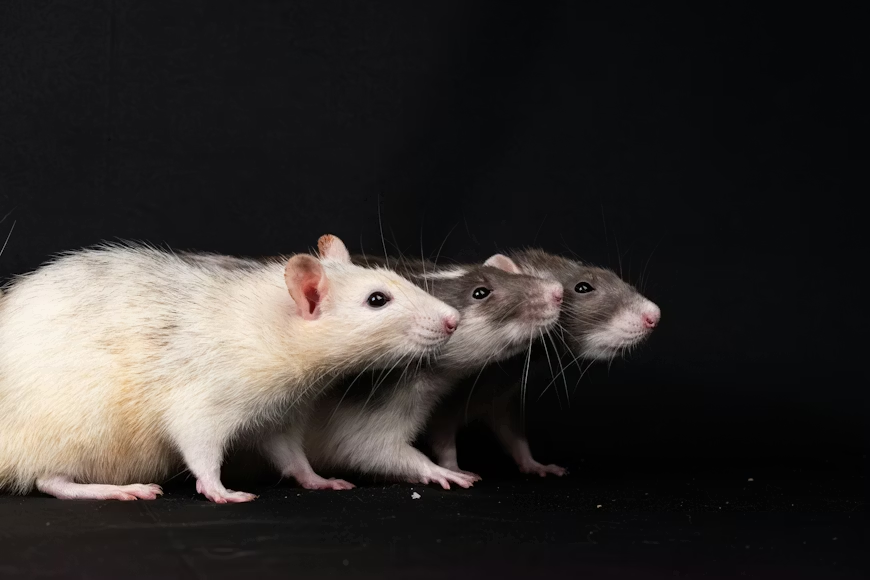
Car owners across India sometimes wake up to a nightmare they never expected. Rats have turned their vehicle's engine bay into a comfortable home. Your car's warm engine compartment becomes a perfect shelter for these nocturnal creatures, especially during the monsoon and winter months. These unwelcome guests don't just visit; they cause serious problems, including additional safety risks from damaged wiring. This guide will help you choose the most effective rat repellent for car protection methods to keep your vehicle safe.
Why Rats Target Your Car Engine
Rats view your car as prime real estate for several biological and environmental reasons. Understanding their behaviour helps you choose the right protection strategy.
Rats' Behaviour and Attraction to Vehicles
Vehicle engines create perfect rat habitats in account of the following factors:
- The warm, dry environment under your bonnet becomes an attractive resting spot, especially during the monsoon and winter seasons when rats seek shelter from harsh weather conditions.
- Food attraction plays a significant role in drawing rats to vehicles. Any food residue or containers left inside cars act as powerful magnets for these hungry creatures. Rats, being nocturnal animals, emerge from sewers and gutters at night, discovering your engine area as a safe space to consume food away from cats and dogs.
- The biological necessity drives rats to seek quiet, undisturbed locations for breeding. Your parked car provides exactly this environment, making it an ideal nursery for rodent families.
Common Damage Caused by Rats
Rats can create serious damage simply because they need to keep their ever-growing teeth in check. Their front incisors can grow nearly 3 inches a year, so they constantly gnaw to avoid dangerous overgrowth. The endless supply of cables and wires under your bonnet provides perfect chewing material throughout the night. The following components face particular risk from rat attacks:
- Wiring Harnesses: Essential for electrical systems
- Rubber Hoses: Critical for fluid circulation
- Insulation Materials: Important for temperature control
- Air Ducts: Necessary for ventilation systems
- Brake Components: Vital for safety functions
Types of Rat Repellents for Cars
Multiple rat repellent for car solutions exist, each offering unique advantages for different situations. Understanding these options helps you choose the most effective protection method for your specific needs.
Ultrasonic Repellent Devices
Modern car rat protection device technology uses ultrasonic waves to create hostile environments for rodents. These devices emit variable frequencies between 22-65 kHz, disrupting rat communication and navigation systems. A high-quality car rat protection device also prevents adaptation by constantly altering frequency patterns.
Advanced models feature AI Smart Frequency Technology that prevents rodent adaptation by constantly changing wave patterns. LED strobing systems attack rats' visual senses while ultrasonic waves target their auditory systems, creating dual-layer protection.
Spray Repellents and Coatings
Chemical rat repellent for car sprays work through dual-action mechanisms.
- The strong smell affects rats' mucous membranes, creating fear responses that keep them away from treated objects.
- The bitter coating delivers unpleasant shocks to rodents' mouths when they attempt chewing.
Natural and Home Remedies
Eco-friendly solutions use essential oils and natural compounds to repel rats safely. Peppermint oil, eucalyptus oil, and thyme oil create powerful scents that rats cannot tolerate, forcing them to avoid treated areas. Traditional Indian remedies include:
- Neem Leaves: Natural pesticide properties
- Tobacco Leaves: Strong deterrent smell
- Red Chilli Powder: Irritating to rat senses
Other Physical Barriers
Mechanical protection methods create physical obstacles preventing rat access. For instance, steel mesh installations at vulnerable entry points block rodent pathways effectively. On the other hand, wire protection methods include metal wrapping and conduit guards for vulnerable cables. While effective, these solutions require more installation effort and may affect vehicle aesthetics.
How Ultrasonic Rat Repellent Devices Work
Ultrasonic technology exploits rats' natural communication systems to create uncomfortable environments. These devices generate sound waves beyond human hearing range, specifically targeting rodent sensory capabilities.
Technology Behind Ultrasonic Waves
Ultrasound starts higher than the upper audible limit of human hearing, 20kHz. Rats rely heavily on ultrasonic communication for distress signalling, mating calls, and echolocation navigation. Piezoelectric crystals convert electrical energy into mechanical vibrations at ultrasonic frequencies. These generators create specific wave patterns that disrupt rat navigation systems and social behaviour.
Key Features to Look For in Devices
Modern devices incorporate several essential features for maximum effectiveness:
|
|
|
|
|---|---|---|
| AI Frequency Control | Prevents adaptation | Under 5W |
| Battery Monitoring | Protects car battery | Automatic shutdown |
| Weather Resistance | Year-round protection | IP65 rating |
| LED Strobing | Visual deterrent | Minimal additional power |
Installation Tips for Maximum Effectiveness
Proper installation maximises ultrasonic effectiveness.
- Mount devices on hard, rigid surfaces using provided screws.
- Position front grilles facing metallic or plastic surfaces to create strong ultrasonic wave fronts through sound reflection.
Secure mounting creates hostile environments for rats while ensuring device longevity. However, poor installation reduces effectiveness and may cause premature failure.
Maintenance and Battery Consumption
Quality devices consume less than 5W of power, having a negligible impact on car battery performance. Standby battery consumption becomes important only during extended parking periods. Regular cleaning of LED components ensures optimal performance, as mud or dust accumulation can reduce effectiveness.
Using Spray and Coating Repellents
Spray repellents create protective barriers on vehicle surfaces through chemical coating technology. These solutions provide immediate coverage for hard-to-reach areas where ultrasonic waves might not penetrate effectively.
How Sprays Protect Car Wires and Components
Quality sprays form thin coating layers on wire surfaces, preventing rats from chewing or damaging cables. These coatings penetrate into crevices and tight spaces, providing comprehensive protection for:
- Cable bundles and harnesses
- Rubber seals and gaskets
- Plastic components and housings
- Metal surfaces prone to scratching
Duration and Reapplication Frequency
Different brands offer varying protection periods. Environmental factors affecting longevity include:
- Weather exposure and rainfall
- Engine heat cycling
- Vehicle usage frequency
- Local rodent population density
Safety and Environmental Impact
Modern formulations are designed with human, pet, and environmental safety in mind. Using non-toxic ingredients, they repel rats without harming surrounding ecosystems. These eco-friendly options avoid harsh chemicals altogether, making them suitable for homes with children or pets while still offering strong protection against rodent activity.
Comparison: Ultrasonic Devices vs Spray Repellents
Both protection methods offer distinct advantages depending on your specific situation and requirements. Understanding their strengths and limitations helps you make informed decisions.
Pros and Cons of Each Method
The following comparison highlights key differences between protection methods:
|
|
|
|
|---|---|---|
| Protection Duration | 24/7 continuous | 30-90 days |
| Maintenance | Minimal cleaning | Regular reapplication |
| Coverage Area | Limited by placement | Complete surface coating |
| Environmental Impact | Zero chemicals | Varies by product |
Choosing the Right Solution for Your Situation
Your choice depends on several factors including parking environment, budget constraints, and maintenance preferences.
- Urban parking areas with high rodent activity benefit from combination approaches using both methods simultaneously.
- Budget-conscious owners might prefer spray repellents for immediate protection.
- Those seeking long-term solutions find ultrasonic devices more cost-effective over time.
Installation and Safety Guidelines
Proper installation ensures maximum effectiveness while protecting your vehicle from accidental damage. Following manufacturer guidelines prevents warranty issues and maintains optimal performance.
Best Car Areas to Install or Apply Repellents
Target the most vulnerable areas where rats typically cause damage. The primary locations provide entry points and attractive nesting sites for rodents.
Primary protection zones include:
- Engine compartment wiring areas
- Air intake and ventilation systems
- Wheel arch spaces and undercarriage
- Battery compartment and terminals
Secondary protection areas include:
- Door seal regions
- Trunk storage areas
- Cabin air filter housings
Safety Precautions for Humans and Pets
Ultrasonic car rat protection devices built according to International Radiation Protection Agency guidelines remain completely safe for humans. The frequencies used cause no side effects during normal exposure periods. Pets may hear lower ultrasonic ranges but experience no harm or disturbance inside passenger cabins. The sound pressure levels produced cause only auditory distress to rats without physical harm.
Spray applications require proper ventilation and protective equipment. Remove ignition sources, ensure clean surfaces, and wear appropriate eye and hand protection during application.
Avoiding Damage to Car Parts
Pre-application procedures ensure spray compatibility with vehicle materials. Remove oil, grease, dirt, and moisture before applying coatings. Check for nearby spark sources or static charges that could cause ignition.
Troubleshooting and FAQs
Understanding common issues helps maintain optimal protection levels throughout the year. Regular monitoring ensures early problem detection and resolution.
Troubleshooting Common Issues with Devices
Effectiveness varies depending on environmental factors and installation quality.
- Pre-existing rat nests reduce initial success rates, requiring additional measures during early installation periods.
- Extended vehicle storage may slowly drain batteries despite low power consumption, necessitating periodic checks.
- Environmental factors affecting performance include temperature extremes, moisture levels, and electromagnetic interference from other devices.
Address these issues through proper installation and regular maintenance.
When to Replace or Reapply Repellents
Here is a clear breakdown of how often different rat-control methods need attention:
- Spray repellents need reapplication every 2–3 weeks or after heavy rainfall.
- Natural remedies should be refreshed every 40 days to stay effective.
- Devices must be replaced when LED indicators stop working or ultrasonic output drops.
- If rats persist, combine sprays with an advanced car rat protection device to strengthen vulnerable areas in the engine bay.
Closing the Hood on Rat Trouble
Keeping rats out of your engine bay is not just about preventing a nuisance. It is about protecting your vehicle’s safety, wiring, and long-term reliability. With the right mix of prevention, smart parking habits, and timely inspections, you can stop rodents from turning your car into their personal hideout.
Whether you use natural deterrents, professional solutions, or simple cleanliness, consistency makes all the difference. Implementing effective rat repellent for car solutions protects your vehicle from costly damage while maintaining optimal performance. Don't let rat damage catch you unprepared. Contact Royal Sundaram today for comprehensive car insurance that protects your vehicle and your peace of mind.
FAQs
Ultrasonic devices emit high-frequency sound waves that disrupt rats' communication and navigation systems. These waves create auditory distress without causing physical harm, making your engine bay uncomfortable for rodents to inhabit.
Quality sprays are specifically formulated to be non-corrosive and safe on automotive components when used according to manufacturer directions. They create protective barriers without damaging wire insulation or vehicle surfaces.
Most rat repellents for car engines provide protection for 30-90 days depending on environmental conditions. Reapply every 2-4 weeks in high-humidity areas or after heavy rainfall for optimal effectiveness.
Modern car rat protection devices consume less than 5W of power with built-in battery monitoring systems. They automatically enter standby or shutdown modes to prevent battery drain during extended parking periods.
These devices operate at frequencies inaudible to humans and are built according to international safety standards. While some pets may detect lower ultrasonic ranges, they experience no harm or disturbance inside vehicle cabins.
Mount devices on hard, rigid surfaces within the engine bay, positioning the front grille to face metallic or plastic components. This placement creates strong ultrasonic wave reflection for maximum effectiveness.
Most rat repellent for cars begin showing effectiveness within one week of proper installation or application. Complete rat avoidance typically develops as rodents learn to associate the treated area with unpleasant experiences.
No. Repellents lower the risk but work best when paired with cleaning, removing food sources, and checking for early signs of nesting or chewing.
Chemical sprays act fast but fade quickly. Ultrasonic devices last longer and are more eco-friendly, but results vary. Many people combine both for stronger protection.


Discover the perfect insurance plan for you!
Get your free quote now!
Get StartedBy Clicking on Get Started, You agree to our Terms and Conditions and override DNC/NDNC registration.
More like this
View more


.png)