
You have been Successfully Subscribed to Newsletter


Sedan vs SUV: Which One Should You Choose?
May 07, 2026 • 10 Min Read
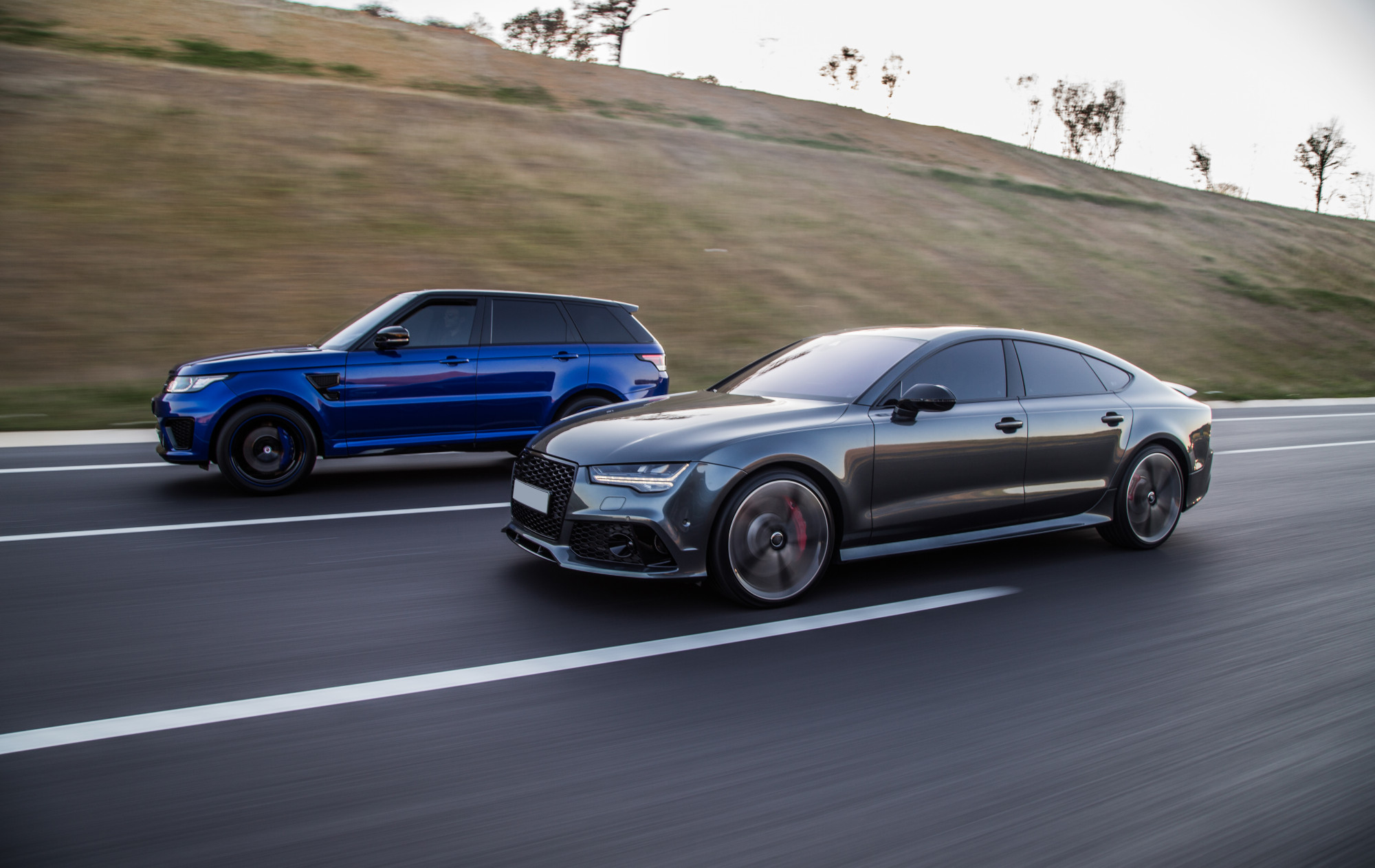
The sedan vs SUV debate has become central to car-buying decisions across India. Your choice affects everything from daily commuting comfort to long-term ownership costs. With SUVs gaining massive popularity and sedans offering time-tested benefits, understanding the core difference between a sedan and an SUV helps you make an informed decision.
Recent market data shows dramatic shifts in buyer preferences, with specific vehicle types dominating different segments. This guide examines every aspect of both categories to help you determine which is better: SUV or sedan for your unique circumstances and requirements.
What Are Sedans and SUVs?
Understanding the fundamental differences between sedan vs SUV types forms the foundation for making the right choice.
Definition and Key Features of an SUV
SUVs (Sport Utility Vehicles) combine passenger car comfort with truck-like capabilities. These vehicles sit higher off the ground and offer greater versatility for both city driving and light off-road adventures.
Key SUV characteristics include:
- Higher Ground Clearance: Typically 160mm or more for handling rough roads
- Commanding Driving Position: Better visibility of traffic and road conditions
- Robust Construction: Built on a stronger chassis for durability
- Larger Cargo Space: More storage capacity than comparable sedans
- Multiple Seating Configurations: Options for 5-7 passengers, depending on size
- All-Weather Capability: Better performance in challenging conditions
SUVs excel in Indian conditions due to their ability to handle diverse road surfaces, from smooth highways to pothole-riddled city streets and rural terrain.
Definition and Key Features of a Sedan
Sedans feature a three-box design with separate compartments for the engine, passengers, and cargo. This traditional layout prioritises comfort, fuel efficiency, and refined driving dynamics.
Essential sedan features include:
- Lower Centre of Gravity: Improves handling stability and cornering performance
- Aerodynamic Design: Reduces wind resistance for better fuel economy
- Separate Trunk Compartment: Provides secure, weather-protected cargo storage
- Refined Ride Quality: Better suited for smooth roads and highway driving
- Compact Dimensions: Easier parking and city driving manoeuvrability
Sedans shine in urban environments where parking space is limited, and fuel efficiency matters most for daily commuting needs.
Understanding Your Lifestyle and Driving Needs
Your personal circumstances and driving patterns should guide your sedan vs SUV choice. Different lifestyles benefit from specific vehicle characteristics, making it essential to match your needs with the right vehicle type.
Who Should Choose an SUV?
SUVs suit buyers who prioritise space, versatility, and commanding road presence. Ideal SUV buyers include:
- Large families (5+ members) needing extra seating capacity
- Adventure enthusiasts requiring cargo space for sports equipment
- Rural/semi-urban residents facing poor road conditions regularly
- Business owners who transport goods or equipment frequently
- Long-distance travellers valuing comfort on extended journeys
- Safety-conscious buyers preferring higher seating positions
Who Should Choose a Sedan?
Sedans appeal to buyers prioritising fuel efficiency, driving dynamics, and urban practicality. Perfect sedan candidates are:
- Urban professionals with daily city commuting requirements
- Small families (2-5 members) not needing extra space
- Budget-conscious buyers seeking lower ownership costs
- Driving enthusiasts valuing responsive handling and performance
- Frequent highway travellers appreciating refined ride quality
- Parking-challenged residents in congested city areas
Impact of Driving Environment: City vs Rural Roads
Your primary driving environment significantly influences which vehicle type serves you better. Different road conditions favour specific vehicle characteristics.
City driving considerations include:
|
|
|
|
|---|---|---|
| Parking | Easier in tight spaces | Higher visibility |
| Fuel costs | Lower consumption | Better for stop-and-go traffic |
| Manoeuvering | Tighter turning radius | Commanding view |
| Traffic navigation | Compact size helps | Higher seating position |
Rural/highway driving considerations include:
|
|
|
|
|---|---|---|
| Rural roads (potholes, speed breakers, uneven surfaces) | SUVs | Higher ground clearance and better ability to handle rough terrain |
| Well-maintained highways | Sedans | Superior fuel economy and smoother, more comfortable ride |
Budget Considerations
Financial planning extends beyond the initial purchase price to include long-term ownership costs. Both vehicle types have distinct cost structures affecting your total investment.
|
|
|
|
|---|---|---|
| Initial Purchase Price | Typically higher than equivalent-class sedans | More affordable upfront |
| Insurance Premiums | Higher due to higher vehicle value | Lower premiums |
| Fuel Costs | Higher fuel consumption | Better fuel efficiency |
| Maintenance Costs | Can be higher due to size and complexity | Generally lower and simpler |
| Tyre Replacement Costs | More expensive due to larger tyres | More economical |
Overall, sedans tend to be the more budget-friendly option for long-term ownership, especially when fuel efficiency, insurance, and maintenance costs are taken into account.
Detailed Comparison: SUV vs Sedan
A comprehensive comparison reveals specific advantages and trade-offs. Understanding the difference between a sedan and an SUV helps you align your choice with your priorities and requirements.
Price Range and Maintenance Costs
Both segments offer options across different price ranges with varying maintenance requirements.
|
|
|
|
|
|---|---|---|---|
| Compact SUVs | ₹6-12 lakhs | ₹12-18 lakhs | ₹18-25 lakhs |
| Compact Sedans | ₹6-10 lakhs | ₹10-16 lakhs | ₹16-22 lakhs |
Disclaimer: Prices are indicative and subject to change. Please verify with the manufacturer/dealer.
Interior Space and Seating Capacity
Space utilisation differs dramatically between vehicle types, affecting passenger comfort and cargo capacity for different family sizes.
|
|
|
|
|---|---|---|
| Seating capacity | 4-5 passengers | 5-7 passengers |
| Boot space | 400-500 litres | 350-650 litres |
| Rear legroom | Adequate for adults | Generous space |
| Headroom | Limited for tall passengers | Ample clearance |
| Entry/exit height | Low, may challenge the elderly | Higher, easier access |
Fuel Efficiency and Running Costs
Fuel consumption directly impacts your monthly budget, making efficiency a crucial consideration for most Indian buyers seeking economical transportation. Engine size, vehicle weight, and aerodynamics significantly influence efficiency ratings across both segments. Sedans typically achieve better fuel efficiency than comparable SUVs due to lighter weight and aerodynamic design advantages.
Performance and Handling
Driving dynamics vary considerably between vehicle types, affecting your daily driving experience and long-term satisfaction with your choice.
Sedan advantages include:
- Lower centre of gravity improves cornering stability
- Better weight distribution enhances handling precision
- More responsive steering feedback
- Superior high-speed stability on highways
SUV benefits include:
- Higher driving position provides better road visibility
- Advanced suspension systems handle rough roads better
- All-wheel drive options available for challenging conditions
- Stronger engines cope with heavier loads effectively
Safety Features and Ratings
Both vehicle types achieve excellent safety ratings when properly designed, though they face different safety challenges due to their distinct characteristics. SUVs face higher rollover risks due to taller structures, while sedans benefit from lower centres of gravity, improving stability during emergency manoeuvres. Modern vehicles in both categories feature multiple airbags, stability control, and collision avoidance systems as standard equipment.
Parking and Manoeuvrability
Urban driving requires frequent parking and manoeuvring in tight spaces, where vehicle size and turning radius become critical practical considerations. Sedans provide clear advantages in crowded city conditions with smaller dimensions and a tighter turning radius. Their compact size makes parallel parking and navigating narrow lanes significantly easier. SUVs require more space for parking and turning, but offer better visibility of surrounding traffic and obstacles, which can improve safety in busy areas.
SUV Types and Sedans Variants Explained
Different subcategories within each vehicle type serve specific needs and budgets. Understanding these variants helps you identify the most suitable option for your requirements.
Compact, Mid-size, Full-Size SUVs and Crossovers
The SUV segment offers diverse options ranging from city-friendly compact models to full-size family haulers.
| Compact SUVs | ₹6-12 lakhs | Tata Punch, Maruti Brezza | City-friendly size, good efficiency |
| Mid-size SUVs | ₹12-20 lakhs | Hyundai Creta , Kia Seltos | Space-efficiency balance |
| Full-size SUVs | ₹20+ lakhs | Mahindra XUV700, Toyota Fortuner | Three rows, premium features |
Disclaimer: Prices are indicative and subject to change. Please verify with the manufacturer/dealer.
Compact, Mid-size, Executive Sedans
Sedan variants cater to different budgets and feature requirements while maintaining the fundamental advantages of the body style.
|
|
|
|
|
|---|---|---|---|
| Compact Sedans | ₹6-10 lakhs | Maruti Dzire, Honda Amaze | Budget-conscious families |
| Mid-size Sedans | ₹10-16 lakhs | Honda City, Hyundai Verna | Feature-seeking buyers |
| Executive Sedans | ₹12-18 lakhs | Skoda Slavia, VW Virtus | Premium performance focus |
Disclaimer: Prices are indicative and subject to change. Please verify with the manufacturer/dealer.
Considerations Specific to Indian Roads and Market
Indian conditions present unique challenges requiring careful consideration of local factors affecting vehicle choice and ownership experience.
Fuel Price Impact
Rising fuel costs significantly affect long-term ownership expenses, making efficiency a primary consideration for cost-conscious buyers seeking economical transportation.
With petrol prices exceeding ₹100 per litre in many cities, the efficiency advantage of sedans translates to substantial annual savings.
Parking and Urban Traffic Challenges
Indian cities present severe parking and traffic challenges requiring vehicles that can handle congested conditions and limited parking availability. Compact sedans excel in urban environments with easier parking in tight spaces and better manoeuvring capability in heavy traffic. Their compact dimensions make them ideal for city driving, where space is premium.
Emerging Trends: EV and Hybrid SUVs and Sedans
Electric and hybrid technology adoption is reshaping both vehicle categories with new options offering different ownership propositions. India's EV market, valued at MG Windsor EV combining features of both categories.
Additional Tips for Maintaining Your Vehicle
Proper maintenance protects your investment and ensures optimal performance regardless of which vehicle type you choose for your transportation needs.
Paint Protection Films and Ceramic Coatings
Both vehicle types benefit from protection against India's harsh environmental conditions, including UV exposure, pollution, and monsoon challenges. These protective treatments reduce oxidation damage, provide hydrophobic properties, and maintain vehicle appearance for better resale value over time.
Importance of Regular Maintenance
Consistent servicing according to manufacturer schedules keeps both sedans and SUVs running efficiently while maintaining warranty coverage and resale value. Modern vehicles require service intervals every 10,000-15,000 kilometres or annually. Following scheduled maintenance prevents major repairs and ensures optimal fuel efficiency throughout your ownership period.
Making Your Final Choice
The sedan vs SUV decision ultimately depends on your specific priorities, budget, and usage patterns. Both vehicle types offer distinct advantages suited to different buyer needs and circumstances. Consider SUVs if you need maximum space, face challenging road conditions, or prefer a commanding driving position. Choose sedans for better fuel economy, easier parking, and lower ownership costs in urban environments.
Regardless of whether you choose a sedan or SUV, comprehensive car insurance protects your investment against unforeseen circumstances. Royal Sundaram General Insurance offers extensive coverage for both vehicle types with excellent service standards. Enjoy worry-free coverage with cashless claims at 7,600+ authorised garages across India, a wide protection network, hassle-free claims, easy purchase, and add-on covers.
FAQs
SUVs handle Indian road conditions better due to higher ground clearance for navigating potholes and rough terrain. Sedans perform well on city and highway roads, offering better ride quality and fuel savings on smooth surfaces.
Modern SUVs built on shared platforms offer reasonable maintenance costs through extended service intervals, affordable spare parts, and efficient servicing. However, SUVs typically cost more to maintain due to larger tyres, higher insurance premiums, and increased fuel consumption.
Sedans typically achieve better fuel efficiency than SUVs due to lighter weight and aerodynamic design.
Both categories achieve excellent safety ratings when properly designed. Safety depends more on specific models than vehicle type.
SUVs better accommodate larger families with 5-7 seating capacity and generous cargo space for long trips. Sedans suit smaller families (2-4 members) who prioritise fuel efficiency and urban practicality over maximum space.
Sedans offer significant parking advantages with smaller dimensions and tighter turning radius, making them ideal for crowded city conditions and tight parking spaces. SUVs require more space but provide better visibility of surrounding areas.
SUVs typically cost ₹2-5 lakhs more upfront and consume more fuel. However, popular SUV models often maintain better resale values than sedans.
Yes, many new compact or hybrid SUVs deliver good fuel efficiency, combining the practicality and high driving position of an SUV with better mileage than older, heavier models.
Pick a sedan if you do lots of city driving: they’re smaller, easier to park, and usually more fuel-efficient in stop-and-go traffic. Go for an SUV if you drive mostly on highways or rough roads; they offer better ground clearance, stability, and comfort for longer journeys or tougher terrain.
Yes, both paint protection films and ceramic coatings protect paint from UV damage, scratches, and environmental contaminants. These treatments maintain appearance and resale value regardless of vehicle type.


Discover the perfect insurance plan for you!
Get your free quote now!
Get StartedBy Clicking on Get Started, You agree to our Terms and Conditions and override DNC/NDNC registration.
More like this
View more
.png)