
You have been Successfully Subscribed to Newsletter


Teflon vs Ceramic Coating: Complete Car Protection Guide
May 11, 2026 • 10 Min Read
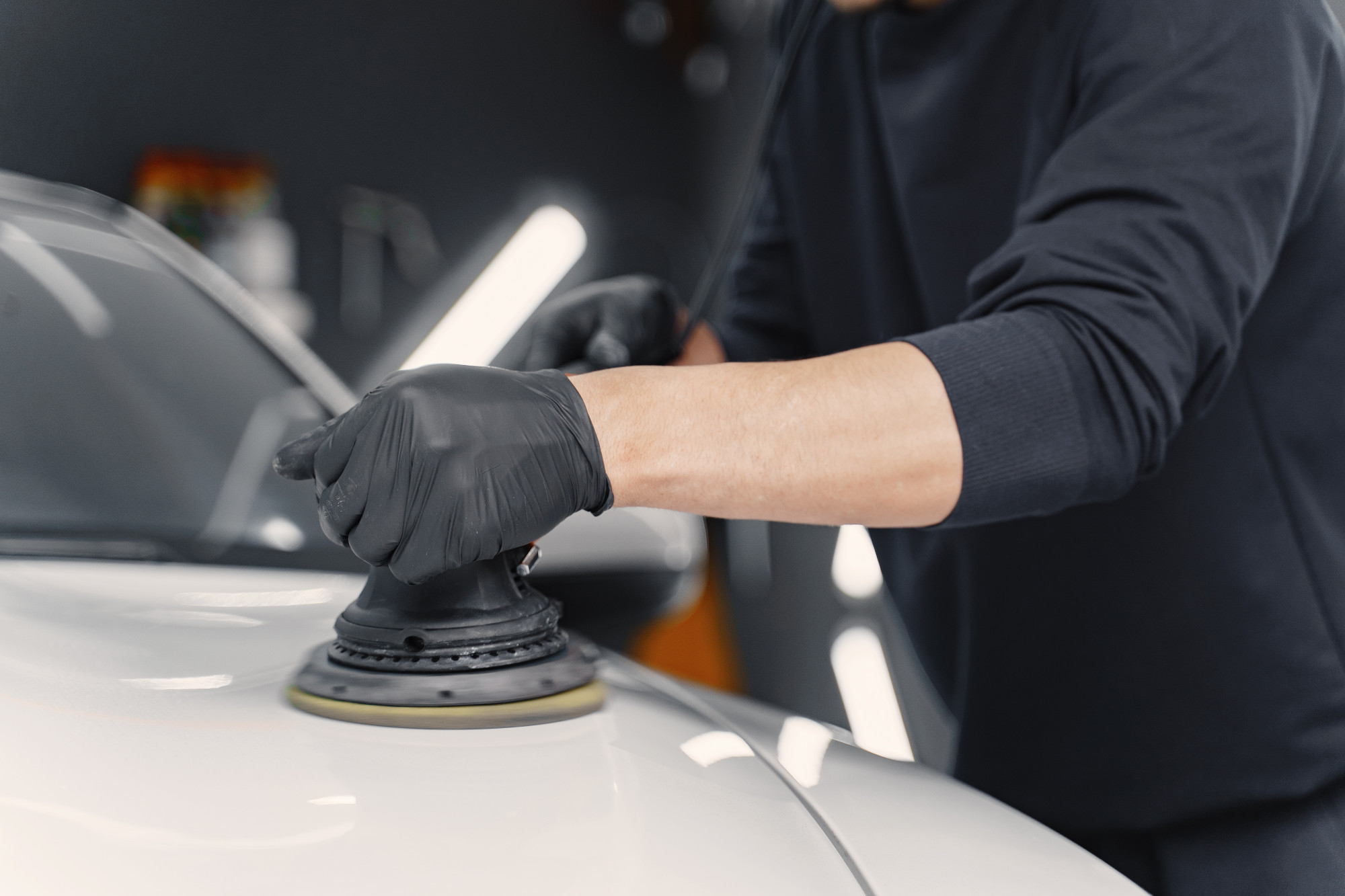
Car paint protection has become essential for Indian vehicle owners facing harsh sunlight, pollution, and extreme weather conditions. The Indian paint protection film (PPF) market, a major part of this sector, was valued at USD 19.89 billion in 2024 and is expected to reach USD 39.2 billion by 2034, growing at a CAGR of 7.21%. Protective coatings are also emerging as a steadily expanding segment.
The difference between Teflon and ceramic coating lies primarily in their chemical composition and longevity. Understanding these options helps you make informed decisions about protecting your vehicle's paintwork and maintaining its resale value.
Understanding Teflon Coating
Teflon coating provides a synthetic fluoropolymer barrier that creates temporary protection for your car's paint surface. Made from polytetrafluoroethylene (PTFE), this coating offers basic defence against environmental contaminants while delivering an attractive glossy finish.
What is Teflon Coating?
Teflon coating is a synthetic fluoropolymer material applied to vehicle surfaces, forming a non-stick protective layer. This coating uses the same polytetrafluoroethylene (PTFE) technology found in non-stick cookware, adapted for automotive applications. The coating bonds temporarily with your car's paint, creating a barrier against water, dirt, and minor contaminants.
Only Chemours India, a subsidiary of DuPont, can legally produce authentic Teflon products. This exclusivity creates authenticity concerns in the Indian market, where many service providers offer "Teflon-like" coatings that may not deliver the same performance.
Key Features and Benefits
Teflon coating offers several practical advantages for vehicle protection:
- UV Protection: Reflects harmful ultraviolet rays, preventing paint oxidation and fading
- Hydrophobic Properties: Repels water effectively, making cleaning easier
- Scratch Resistance: Guards against minor scratches from dust and light abrasions
- Chemical Resistance: Protects against bird droppings, tree sap, and acidic contaminants
- Enhanced Gloss: Provides an attractive, shiny finish that highlights vehicle contours
- Heat Resistance: Withstands temperatures up to 260°C without degradation
Limitations and Disadvantages
Despite its benefits, Teflon coating has significant drawbacks that affect its long-term value:
|
|
|
|---|---|
| Short Lifespan | Only 6 months of protection |
| Limited Durability | Wears off quickly under harsh conditions |
| Frequent Reapplication | Requires coating every 6-12 months |
| Temperature Sensitivity | Can release fumes if overheated |
| Scratch Vulnerability | Provides minimal protection against deep scratches |
Typical Application Process
The Teflon application process involves several critical steps:
- Surface Preparation: Thorough washing and decontamination of the vehicle
- Paint Correction: Addressing existing scratches and swirl marks
- Application: Even distribution using spray or wipe-on methods
- Curing Process: Allowing proper bonding through heat or UV treatment
- Final Polish: Enhancing the glossy finish
The entire process typically takes 3-6 hours and can be completed as a DIY project or through professional services.
Lifespan and Maintenance
Teflon coating typically lasts 6-12 months, depending on usage patterns and environmental exposure. Proper maintenance includes using pH-balanced car shampoos, soft microfibre cloths, and avoiding high-pressure washing that can weaken the coating. Regular maintenance extends the coating's effectiveness, but frequent reapplication remains necessary.
Understanding Ceramic Coating
Ceramic coating represents advanced paint protection technology that chemically bonds with your vehicle's surface at the molecular level. This liquid polymer creates a semi-permanent protective layer offering superior durability and performance compared to traditional coating options.
What is Ceramic Coating?
Ceramic coating is a liquid polymer containing microscopic ceramic particles that form a hard, transparent protective layer when applied to vehicle surfaces. Unlike Teflon's temporary bonding, ceramic coating creates chemical bonds with the paint at the molecular level, resulting in a semi-permanent protective shell that won't wash away with regular cleaning.
The coating transforms from liquid to a glass-like surface that provides exceptional protection against environmental damage while enhancing the vehicle's appearance.
Key Features and Benefits
Ceramic coating delivers comprehensive protection through advanced technology:
|
|
|
|---|---|
| Superior UV Protection | Prevents paint fading and oxidation |
| Enhanced Scratch Resistance | Guards against swirl marks and light scratches |
| Strong Hydrophobic Properties | Excellent water repellent for easy cleaning |
| Chemical Resistance | Protects against acid rain and contaminants |
| High-Gloss Finish | Creates deep, mirror-like shine |
| Heat Resistance | Withstands extreme temperatures |
Limitations and Disadvantages
Ceramic coating's advanced benefits come with certain considerations:
- Higher Initial Cost: Significantly more expensive than Teflon coating
- Complex Application: Requires professional expertise for optimal results
- Paint Correction Necessity: Existing scratches remain visible under the coating
- Not Damage-Proof: Cannot prevent rock chips or major impacts
- Curing Requirements: Needs 24-48 hours in controlled conditions
Application Process and Professional vs DIY
Professional ceramic coating application involves meticulous preparation:
- Deep Cleaning: pH-balanced washing with microfibre cloths
- Clay Bar Treatment: Removing embedded contaminants
- Paint Correction: Eliminating swirl marks and scratches
- Surface Preparation: Ensuring perfect bonding conditions
- Multi-Layer Application: Applying coating in thin, even layers
- Controlled Curing: Maintaining optimal temperature and humidity
A professional application is strongly recommended over DIY approaches due to the complexity and precision required for proper bonding.
Lifespan and Maintenance
Ceramic coating provides 2-7 years of protection depending on product quality and maintenance. High-quality professional applications can last up to 7 years with proper care. Maintenance involves pH-balanced washing, microfibre drying, and periodic application of ceramic boosters to maintain hydrophobic properties.
Detailed Comparison Between Teflon and Ceramic Coatings
The Teflon vs ceramic coating comparison reveals significant differences in performance, cost, and long-term value. Understanding these distinctions helps you select the most suitable protection for your specific needs and budget.
Durability and Longevity
The most striking difference between Teflon and ceramic coating lies in their lifespan:
|
|
|
|
|---|---|---|
| Teflon | 6 months | Every 6-12 months |
| Ceramic | 2-7 years | Every 2-7 years |
Ceramic coating's chemical bonding creates substantially longer protection compared to Teflon's temporary surface layer.
Protection Levels (Scratch, UV, Chemical Resistance)
Both coatings offer protection, but ceramic coating provides superior defence:
- UV Protection: Ceramic offers better long-term UV resistance
- Scratch Resistance: Ceramic handles deeper scratches more effectively
- Chemical Resistance: Both resist bird droppings and tree sap, but ceramic lasts longer
- Environmental Protection: Ceramics better withstand harsh Indian weather conditions
Hydrophobic Properties and Ease of Cleaning
Both coatings create hydrophobic surfaces, but the ceramic coating maintains water-repelling properties longer. Water beading remains consistent throughout the ceramic coating's lifespan, while Teflon's hydrophobic effects diminish within months.
Cost Comparison and Value for Money
Initial costs differ significantly, but long-term value calculations reveal interesting insights:
|
|
|
|
|---|---|---|
| Teflon | ₹2,000-₹8,000 | ₹20,000-₹80,000 |
| Ceramic | ₹10,000-₹35,000 | ₹10,000-₹35,000 |
Disclaimer: Prices are indicative and subject to change. Please verify with the manufacturer/dealer.
Application Complexity and Time Required
Teflon coating offers a simpler application suitable for DIY projects, taking 3-6 hours. Ceramic coating requires professional expertise, taking 1-3 days, including curing time.
Appearance and Gloss Finish
Both coatings enhance vehicle appearance, but ceramic coating provides deeper, more durable gloss that maintains its brilliance throughout its lifespan.
Choosing the Right Coating for Your Vehicle
Selecting between protective coatings depends on your specific requirements, budget constraints, and usage patterns. India's diverse climate conditions and growing vehicle ownership create unique considerations for coating selection.
Factors to Consider: Budget, Usage, Environmental Conditions
Key factors influencing your coating choice include:
- Budget Allocation: Initial investment vs long-term costs
- Vehicle Usage: Daily driving vs occasional use
- Climate Conditions: Hot, humid, or dusty environments
- Maintenance Preferences: DIY vs professional servicing
- Vehicle Value: New cars vs older vehicles
When to Choose Teflon Coating
Teflon coating suits specific scenarios:
- Budget Constraints: Limited initial investment capability
- Older Vehicles: Cars with existing paint imperfections
- Temporary Protection: Short-term ownership plans
- Low Exposure: Garage-kept vehicles with minimal use
- Entry-Level Protection: First-time coating experience
When to Choose Ceramic Coating
Ceramic coating benefits include:
- Long-Term Ownership: Planning to keep the vehicle for years
- New Vehicles: Protecting fresh paint from day one
- High Exposure: Daily driving in harsh conditions
- Premium Protection: Maximum defence against environmental damage
- Investment Protection: Maintaining resale value
Maintenance Tips to Maximise Coating Life
Proper maintenance extends coating performance regardless of type:
- Regular Washing: Weekly cleaning with pH-neutral shampoos
- Gentle Drying: Microfibre towels prevent scratching
- Avoid Automatic Washes: Hand washing protects coating integrity
- Indoor Parking: Reduces UV and environmental exposure
- Professional Inspection: Annual coating condition assessment
Importance of Vehicle Coating
Vehicle coating protection has become increasingly important as India's automotive market expands.
Protecting Your Investment
Vehicle coatings provide measurable financial benefits:
- Resale Value: Well-maintained paint increases vehicle worth
- Maintenance Costs: Reduced detailing and repair expenses
- Paint Preservation: Prevents costly repainting requirements
- Long-term Savings: Initial coating investment pays dividends over time
Preventing Environmental Damage
Indian driving conditions create multiple paint threats:
- UV Radiation: Intense sunlight causes paint fading and oxidation
- Acid Rain: Polluted precipitation damages unprotected surfaces
- Temperature Fluctuations: Extreme heat and cold stress paint systems
- Dust and Pollution: Urban contaminants cause permanent staining
Enhancing Vehicle Appearance
Protective coatings significantly improve vehicle aesthetics by maintaining showroom-quality shine, enhancing paint depth and clarity, and ensuring consistent appearance throughout ownership.
Your Smart Car Protection Strategy
Choosing between protective coatings requires careful consideration of your specific needs and circumstances. The Teflon vs ceramic coating decision ultimately depends on your budget, vehicle value, and protection requirements.
For budget-conscious owners seeking temporary protection, Teflon coating provides adequate defence at a lower initial cost. However, ceramic coating delivers superior long-term value through extended durability and enhanced protection capabilities.
Royal Sundaram Car Insurance Protection
While protective coatings like Teflon or ceramic safeguard your vehicle's paint and appearance, Royal Sundaram Car Insurance offers comprehensive financial protection against accidents, theft, fire, natural calamities, and third-party liabilities for property damage. It offers personal accident cover for the owner-driver, legal costs, and options for wider liability to paid drivers or employees, backed by a network of over 7,600 cashless garages and 24/7 roadside assistance cover.
Enhance coverage with add-ons like zero depreciation, roadside assistance, and voluntary deductibles for premium discounts, ensuring hassle-free claims and no claim bonus accumulation up to 50%. This policy complements coatings by protecting your investment from unforeseen damages, providing peace of mind for Indian roads.
FAQs
The primary difference between Teflon and ceramic coating lies in their chemical bonding and durability. Ceramic coating chemically bonds with paint for 2-7 years of protection, while Teflon provides temporary surface coverage lasting 6 months.
Teflon coating typically lasts 6-12 months, depending on usage, maintenance, and environmental exposure. Harsh Indian weather conditions may reduce this lifespan to as little as 3-6 months.
Yes, ceramic coating offers superior long-term protection with 2-7 years of durability, better UV resistance, and stronger scratch protection compared to Teflon's 6-month coverage.
Teflon coating can be applied as a DIY project with proper preparation. Ceramic coating requires professional application due to complex preparation requirements and precise application techniques.
Both coatings provide glossy finishes, but ceramic coating delivers a deeper, more durable shine that maintains its appearance throughout its longer lifespan.
Ceramic coating offers better long-term value despite higher upfront costs, lasting 3-5 years compared to Teflon's 6-12 months lifespan.
Both coatings provide UV protection and chemical resistance, but the ceramic coating offers superior protection against acid rain, bird droppings, and oxidation.
Main disadvantages include higher cost, complex professional application requirements, and potential inconsistent quality if applied incorrectly.
Use gentle washing methods with microfibre cloths and pH-neutral shampoos, and avoid abrasive cleaning agents. Ceramic coatings benefit from annual booster applications.
Perform a water beading test — coated surfaces create tight water beads that roll off easily. Professional inspection provides definitive confirmation of coating type and condition.


Discover the perfect insurance plan for you!
Get your free quote now!
Get StartedBy Clicking on Get Started, You agree to our Terms and Conditions and override DNC/NDNC registration.
More like this
View more

.png)