
You have been Successfully Subscribed to Newsletter


Top Car Brands in India: Your Ultimate Buying Guide
Apr 16, 2026 • 10 Min Read
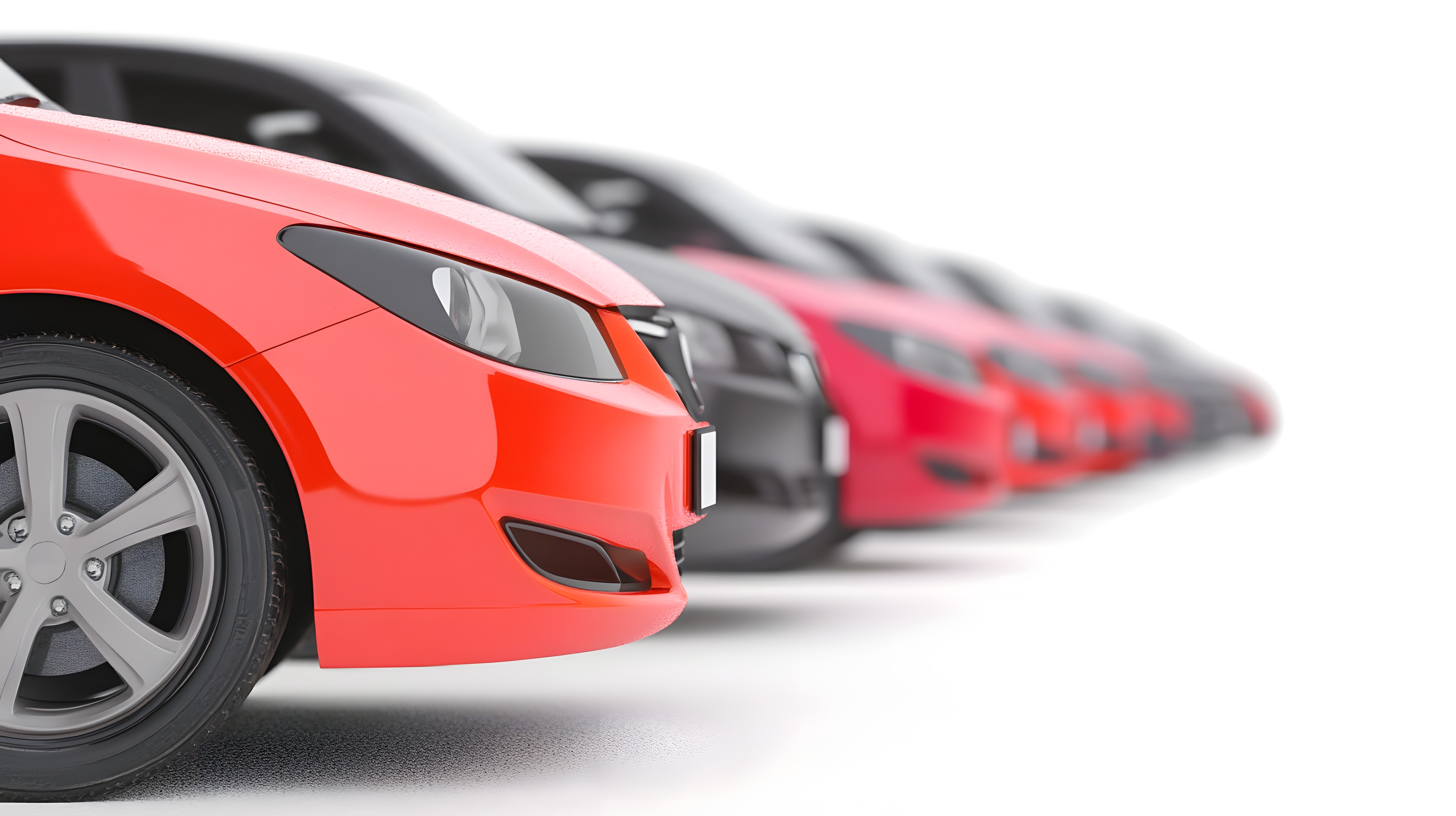
Car ownership in India tells a fascinating story of dreams and practicality. While very few households own automobiles, the Indian automotive sector has emerged as a $250 billion industry, creating a vast number of jobs and positioning India as the world's third-largest car market by production.
The top car brands in India have built their success on understanding local needs – from fuel-efficient engines that tackle rising petrol prices to robust builds that handle diverse road conditions. This guide explores the brands shaping India's automotive landscape and helps you choose the right vehicle for your needs.
Overview of the Indian Car Market in 2025
The Indian automotive market stands at an exciting crossroads, combining traditional strengths with emerging technologies. The sector demonstrates strength and growth potential despite global economic challenges.
Market Size and Growth Trends
India's automotive industry has achieved significant milestones in recent years. Automobile sales recorded a 2.5% increase in FY2025 as compared to FY2024 and 11.3% as compared to FY2023. This growth trajectory continues with the market demand pegged at 5,156,483 units in 2024 and expected to grow at a CAGR of 7.3% from 2025 to 2030.
The passenger vehicle segment specifically shows strong momentum. This segment saw impressive growth in 2024, with total sales reaching 4.3 million units, marking a 4.2% increase from the previous year.
Factors Driving Demand for New Cars in India
Several key factors fuel India's automotive growth. The market has enormous expansion potential.
- Rising disposable income
- Easier access to financing
- Rapid highway construction
- Semi-urban areas and rural markets see a massive shift from two-wheelers to entry-level cars.
- Government initiatives supporting development and manufacturing also boost the sector's growth prospects.
Shift Towards SUVs and Electric Vehicles
SUVs have become the driving force in India's passenger vehicle market. The SUV segment's market share in the total Indian passenger vehicle market grew 65% in FY25. This share is expected to reach rise steadily for the foreseeable future.
Electric vehicles represent another significant trend. Sales in India crossed 2 million in 2024, marking a 24% growth and an 8% market share, up from 6.8% in 2023. The sector shows tremendous potential, with the Indian EV market valued at US$ 2.36 billion in 2024 and projected to grow to US$164.42 billion by 2033.
Top Car Brands in India by Market Share
The Indian automotive landscape is dominated by a few key players who have successfully captured consumer preferences through strategic positioning and product offerings that match local requirements.
Maruti Suzuki
Maruti Suzuki commands the largest share of India's passenger vehicle market with approximately 41.17% market share. The brand's success stems from its focus on affordable, fuel-efficient vehicles and an extensive service network that reaches every corner of the country.
Hyundai
Hyundai holds a strong position with around 11.9% market share. The Korean manufacturer has built its reputation on stylish designs, feature-rich models, and consistent quality across its product range.
Tata Motors
Tata Motors maintains a market share of 13.75%, establishing itself as a safety-focused brand. The company leads India's electric vehicle segment and has successfully repositioned itself as a modern, innovative automaker.
Mahindra & Mahindra
Mahindra has risen to secure around 12.58% market share, specialising in SUVs and utility vehicles. The brand's strength lies in rugged vehicles designed for Indian road conditions and rural markets.
Toyota
Toyota holds approximately 6.78% market share, positioning itself in the premium segment. The Japanese brand is renowned for reliability, superior build quality, and excellent resale value.
Kia
Kia has captured around 6.78% market share since entering the Indian market. The brand focuses on modern design, advanced features, and competitive pricing.
Honda
Honda maintains a smaller but steady market presence (2%) and is known for reliable engines and premium positioning in the sedan and compact car segments
Renault
Renault targets the budget-conscious segment with affordable models like the Kwid, focusing on value-for-money propositions. It currently holds less than 1% of the market share.
Nissan
Nissan has a limited presence (less than 1%) but offers competitive models in specific segments, particularly with the Magnite compact SUV.
MG Motor
MG Motor focuses on premium features and electric vehicles, targeting tech-savvy urban consumers. It is growing steady and currently accounts for nearly 2% of the market share.
Skoda
Skoda operates in the premium segment, offering European engineering and design for discerning buyers. The Czech Republic car company holds close to 2% market share.
Volkswagen
Volkswagen targets the premium market with German engineering and build quality, though with limited market share. Automobile enthusiasts have helped keep the market share at a steady 1%.
BYD
BYD has doubled its numbers to 5,121 units, maintaining a steady rise in market share as compared to previous years in the electric vehicle segment.
Volvo
Volvo operates in the luxury segment, focusing on safety and premium features. The company commands a tiny niche but has loyalty in its customers who help them hold about 0.04% of the market.
Brand Profiles and What Makes Them Popular
Understanding what drives the success of popular car brands in India helps buyers make informed decisions based on their specific requirements and preferences.
Maruti Suzuki: Affordability and Extensive Network
Maruti Suzuki's dominance in the Indian market stems from its focus on value, efficiency, and widespread service availability. The brand offers affordable, fuel-efficient vehicles with strong CNG variants that appeal to cost-conscious buyers. Their extensive service network ensures easy maintenance and spare parts availability across urban and rural areas. Additionally, the trust associated with this brand also helps it fetch higher prices in resale scenarios.
Hyundai: Stylish Designs & Feature-Rich Models
Hyundai has built its reputation by introducing premium features first in the Indian market. The brand appeals to younger, style-conscious buyers with modern designs and comprehensive feature sets. Models like the i20 have established the "premium hatchback" segment in India.
Tata Motors: Safety and Indigenous Innovation
Tata Motors: Safety and Indigenous Innovation Nexon became the first Indian car to achieve a 5-star Global NCAP safety rating, setting new standards for the industry. The brand leads India's electric vehicle segment and continues to prioritise safety across its product range.
Mahindra: Rugged SUVs and Off-Road Capability
Mahindra specialises in utility vehicles and SUVs designed for Indian conditions. The brand's strength in rural markets and focus on rugged, durable vehicles has made it a preferred choice for buyers seeking reliability and off-road capability.
Toyota: Reliability and Resale Value
Toyota's reputation for exceptional reliability and build quality has made it a benchmark in the Indian market. The brand's vehicles consistently retain the highest resale values, making them attractive long-term investments despite higher initial costs.
Other Brands: Kia, Honda, Renault, Nissan, MG, Skoda, Volkswagen, BYD, Volvo
These brands serve specific market segments with unique value propositions. Kia focuses on modern design and features, Honda on reliable engines, Renault on affordability, and MG on premium technology, while Skoda and Volkswagen target the premium European segment.
Popular Models from Each Top Brand
Each of the best car companies in India has flagship models that define their brand identity and market position.
Maruti Suzuki's Swift, Baleno, Dzire
The Swift remains a popular hatchback choice, while the Dzire sedan offers compact practicality with excellent fuel economy. The Baleno targets the premium hatchback segment with modern features and styling.
Hyundai Creta, Venue, i20
The Creta dominates the compact SUV segment, while the Venue serves entry-level SUV buyers. The i20 continues to define the premium hatchback category with superior features and build quality.
Tata Nexon, Altroz, Harrier, Nexon EV
The Nexon leads as India's best-selling compact SUV, available in multiple fuel options, including electric. The Altroz competes in the premium hatchback space, while the Harrier targets the mid-size SUV segment.
Mahindra Thar, Scorpio, XUV700
The Thar has gained popularity among adventure enthusiasts, while the Scorpio maintains its position in the utility vehicle segment. The XUV700 represents Mahindra's premium SUV offering.
Toyota Innova Crysta, Fortuner, Glanza
The Innova Crysta dominates the MPV segment with exceptional reliability, while the Fortuner leads the premium SUV category. The Glanza offers an entry point into the Toyota brand.
Kia Seltos, Sonet
The Seltos competes in the compact SUV segment with modern features, while the Sonet targets younger buyers in the subcompact SUV category.
Honda City, Amaze
The City has long been a benchmark in the mid-size sedan segment, while the Amaze serves the compact sedan market with Honda's reliable engineering.
Renault Kwid, Triber
The Kwid offers an affordable entry into car ownership, while the Triber provides a budget-friendly MPV option for larger families.
Nissan Magnite
The Magnite competes in the compact SUV segment with competitive pricing and modern features.
MG Hector, ZS EV
The Hector targets the mid-size SUV segment with premium features, while the ZS EV serves the electric vehicle market.
Skoda Kushaq, Slavia
The Kushaq and Slavia represent Skoda's India-focused models, offering European engineering at competitive prices.
Volkswagen Taigun, Virtus
The Taigun and Virtus showcase German engineering and build quality in the Indian market.
Price Ranges and Segment Coverage
Understanding price segments helps buyers identify suitable options within their budget constraints.
Budget and Entry-Level Cars
Entry-level vehicles range from ₹4-8 lakh, focusing on basic transportation with acceptable fuel efficiency. Models like the Renault Kwid and base variants of Maruti Suzuki cars dominate this segment.
Mid-Segment Hatchbacks and Sedans
The ₹8-15 lakh range offers feature-rich vehicles with improved safety, comfort, and technology. This segment sees intense competition between brands offering premium hatchbacks and compact sedans.
SUVs and Premium Segments
SUVs and premium cars range from ₹10-25+ lakh, representing the fastest-growing segment in India. These vehicles offer space, modern features, and elevated driving positions that appeal to Indian buyers.
Electric Vehicle Offerings
Electric vehicles currently range from ₹8-25 lakh for mass-market options, with government incentives making them increasingly attractive to environmentally conscious buyers.
Disclaimer: Prices are indicative and subject to change. Please verify with the manufacturer/dealer.
Key Factors Influencing Indian Buyers' Choices
Several critical factors guide purchase decisions in the Indian automotive market, reflecting local priorities and practical considerations.
Fuel Efficiency and Running Costs
Fuel efficiency remains the top priority for Indian buyers due to rising fuel costs and budget consciousness.
Safety Features and Crash-Test Ratings
Safety has emerged as a crucial consideration, driven by stricter regulations and increased awareness. In the first half of 2025, Bharat NCAP tested a total of 10 vehicles, highlighting the growing focus on vehicle safety standards.
After-Sales Service and Network
A robust service network significantly influences brand choice in India. Buyers prioritise brands with extensive service centres and reliable spare parts availability.
Resale Value and Brand Reputation
Strong resale value affects long-term ownership costs, making established brands with proven reliability more attractive.
Emerging Preference for Electric and Hybrid Cars
Environmental consciousness and fuel cost savings are driving interest in electric and hybrid vehicles. Government incentives and improving charging infrastructure are making these options increasingly viable for Indian buyers.
Upcoming & Future Cars to Watch in 2025-2026
The Indian automotive market expects around 91 new car launches in 2025-2026. Key anticipated models include the Maruti Suzuki e-Vitara (Maruti's first EV), Tata Sierra EV, Hyundai Venue N Line, and Mahindra XUV700 facelift. These launches reflect the industry's focus on electrification, SUV dominance, and feature enhancement.
How to Choose the Right Car Brand for Your Needs
There are numerous factors that you should consider while narrowing down your choices when it comes to buying a car.
- Set a realistic budget that includes registration, insurance, and running costs.
- Analyse your primary usage, such as city commuting or highway driving.
- Consider your family size and space requirements.
- Prioritise cars with strong safety ratings.
- Check whether the brand has a reliable service network in your area for easy maintenance.
- Evaluate long-term factors like resale value.
- Choose a fuel type that suits your needs—petrol, diesel, CNG, or electric.
Your Path to Smart Car Insurance
Once you've chosen from the top car brands in India, protecting your investment becomes crucial with Royal Sundaram's comprehensive car insurance. Our digital platform makes buying and managing policies simple, with online purchase and renewal possible in just a few steps. You can not only customise your IDV with us but also pick from 15+ add-on perks to create the best all-round plan. Our wide coverage allows you access to over 7600 cashless garages and you can breathe easy as we offer hassle free claim settlement.
Frequently Asked Questions
Maruti Suzuki dominates with approximately 41% market share due to affordable pricing, excellent fuel efficiency, and extensive service network coverage across urban and rural areas.
Tata Motors leads safety ratings, with the Nexon being the first Indian car to achieve 5-star Global NCAP rating. Other safe options include Mahindra, Toyota, and Honda models with strong crash test performances.
Maruti Suzuki leads with models offering up to 25 kmpl, especially CNG variants. Renault's economical offerings and emerging electric vehicles from Tata Motors also provide excellent fuel economy.
The Tata Nexon EV offers a 489 km range at ₹14.49-19.49 lakh, while the MG ZS EV provides a 461 km range at ₹18.98-24.98 lakh. Both represent leading EV options in India.
Maruti Suzuki and Hyundai lead in after-sales service due to their extensive nationwide service networks, reliable spare parts availability, and customer-focused service approach.
Consider budget (including running costs), fuel efficiency, safety ratings, service network availability, resale value, intended usage, and emerging preferences for electric or hybrid technology.
Yes, SUVs represent 65% of passenger vehicle sales in FY24, growing from 40.1% in FY22, driven by consumer preference for space, elevated driving position, and road presence.
The Indian market has exciting times ahead as launches like the Tata Sierra EV, Hyundai New Venue N Line and many more are set to come soon. As for Maruti fans, there are the e-Vitara and new Brezza to look forward to. While Kia will be bringing in their new-generation Seltos, MG is all set to unveil the MG ZS HEV and MG 4 EV.


Discover the perfect insurance plan for you!
Get your free quote now!
Get StartedBy Clicking on Get Started, You agree to our Terms and Conditions and override DNC/NDNC registration.
More like this
View more


.png)