
You have been Successfully Subscribed to Newsletter


Explore Types of Engines in Cars
March 18, 2026 • 10 Min Read
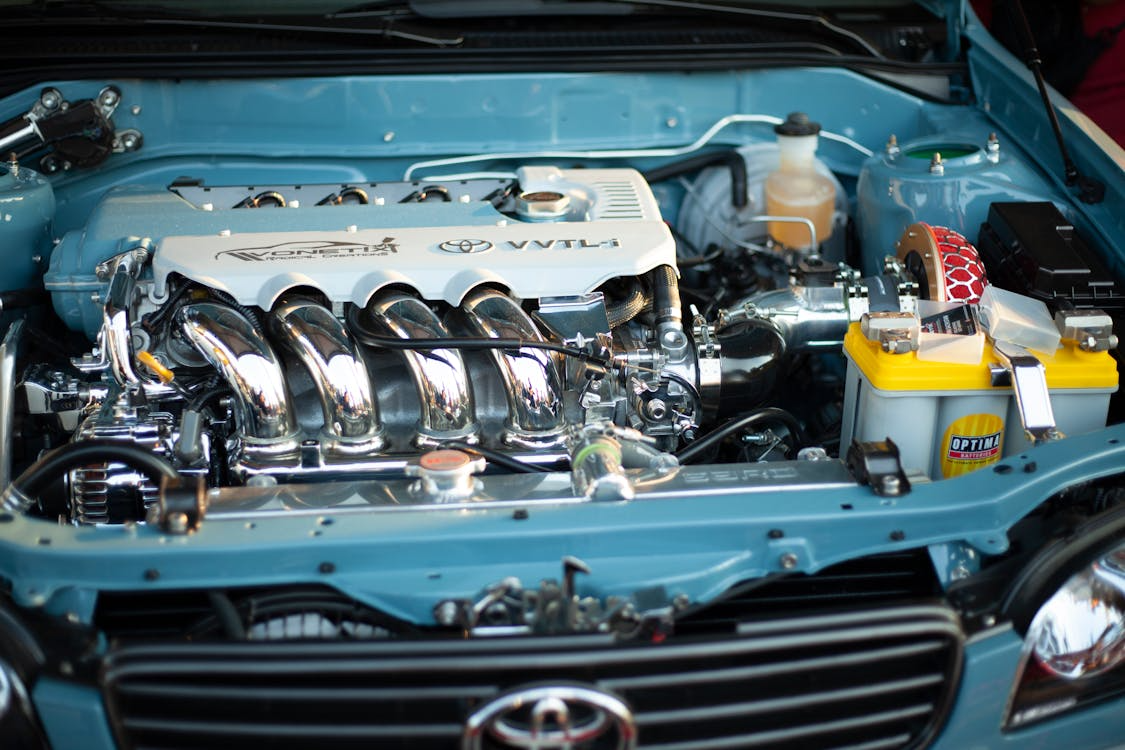
The automotive landscape offers numerous engine options, each designed for specific needs and driving conditions. From fuel-efficient three-cylinder units to powerful V8 configurations, modern engines balance performance, efficiency, and emissions. This guide explores the types of engines in cars to help you understand which option suits your requirements best.
Introduction to Car Engines
A car engine is an internal combustion powerplant that generates motion through controlled explosions. Modern engines use precise timing to ignite air-fuel mixtures inside cylinders, creating the power that propels your vehicle forward. The engine's cylinder configuration shapes performance characteristics, efficiency levels, and overall driving experience.
How Car Engines Work: The Combustion Cycle
Knowing how the combustion cycle operates makes it easier to appreciate the practical differences between the various types of engines in cars. Every car engine operates through a four-stroke combustion cycle that repeats thousands of times per minute:
- Intake Stroke: The piston moves downward while the intake valve opens, drawing the air-fuel mixture into the combustion chamber
- Compression Stroke: Both valves close as the piston moves upward, compressing the mixture to create optimal combustion conditions
- Power Stroke: The spark plug ignites the compressed mixture, causing an explosion that forces the piston downward
- Exhaust Stroke: The exhaust valve opens as the piston moves upward, pushing burnt gases out through the exhaust system
Difference Between Engine and Motor
Engines and motors serve similar purposes but operate differently. Engines burn fuel internally to create power, while motors use external energy sources like electricity. Traditional cars use engines, whereas electric vehicles (EVs) use motors powered by batteries. Hybrid vehicles combine both technologies for optimal efficiency.
Types of Engine Layouts in Cars
Engine layouts determine how cylinders are arranged, affecting vehicle balance, space utilisation, and performance characteristics. Understanding the various types of engines in cars helps you compare how each layout influences refinement, efficiency, and drivability.
|
|
|
|
|
|
|---|---|---|---|---|
| Straight Engine Layout | Cylinders arranged in a single row along the crankshaft. | Cost-effective, easy to maintain | Budget-friendly cars, older compact vehicles. | 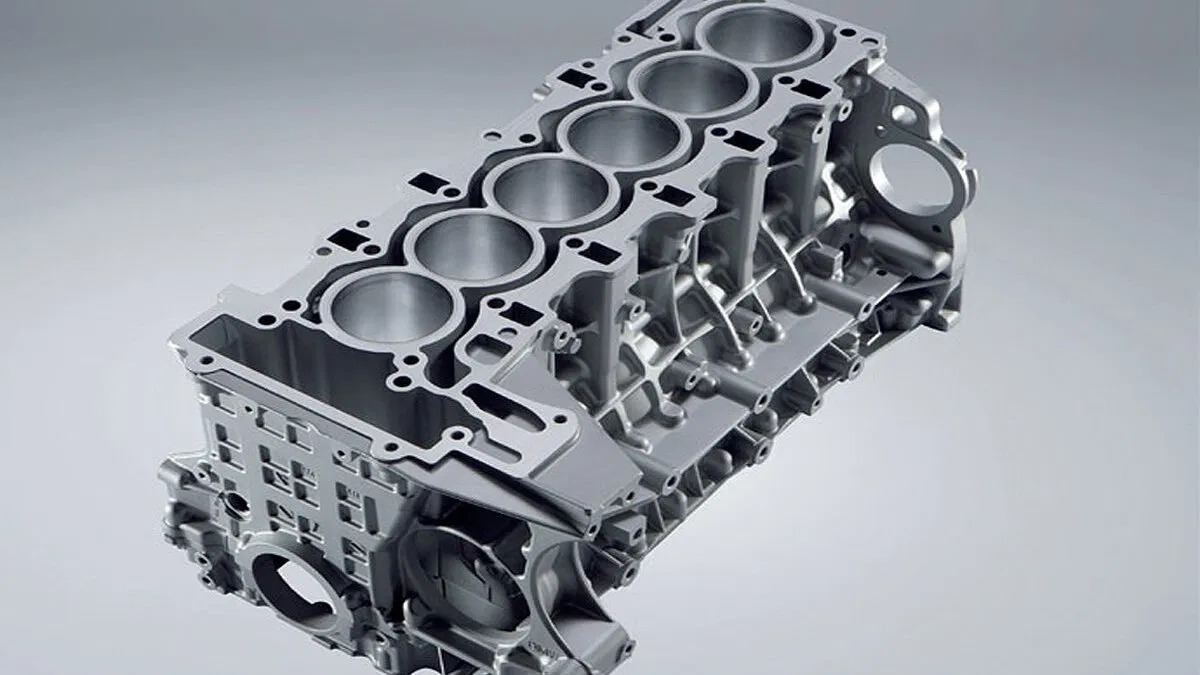
|
| Inline Engine Layout | Cylinders placed in a straight line, similar to straight engines but more refined and compact. | Smooth operation, compact packaging, efficient for small engines. | Common in Indian hatchbacks and sedans (especially 3- & 4-cylinder engines). | 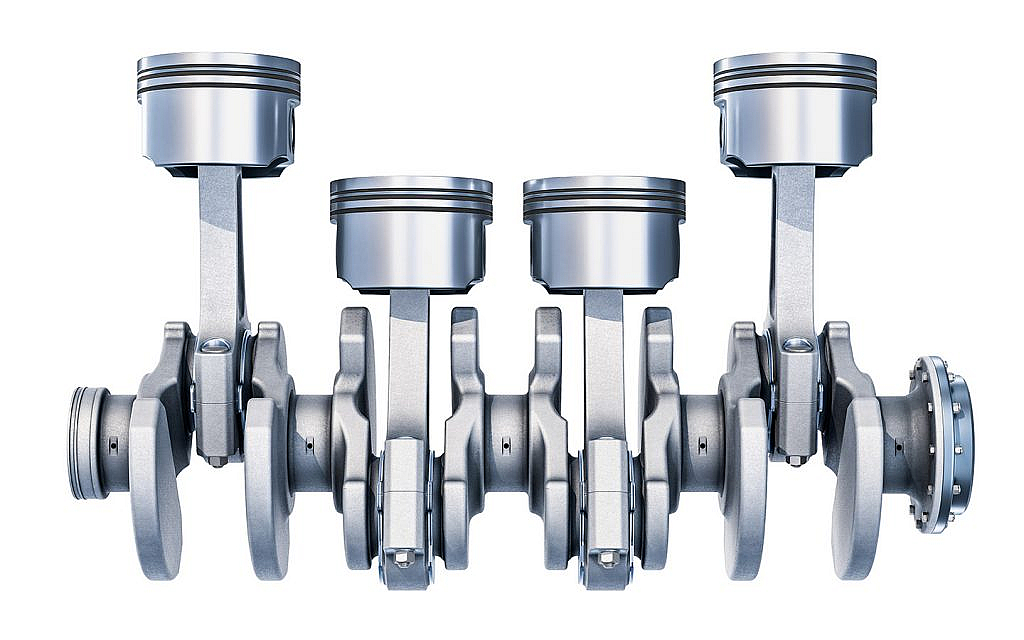
|
| V Engine Layout | Cylinders split into two banks forming a V shape, allowing more cylinders in a compact form. | Lower centre of gravity, space-efficient, supports higher power outputs. | Performance cars, SUVs, luxury vehicles. | 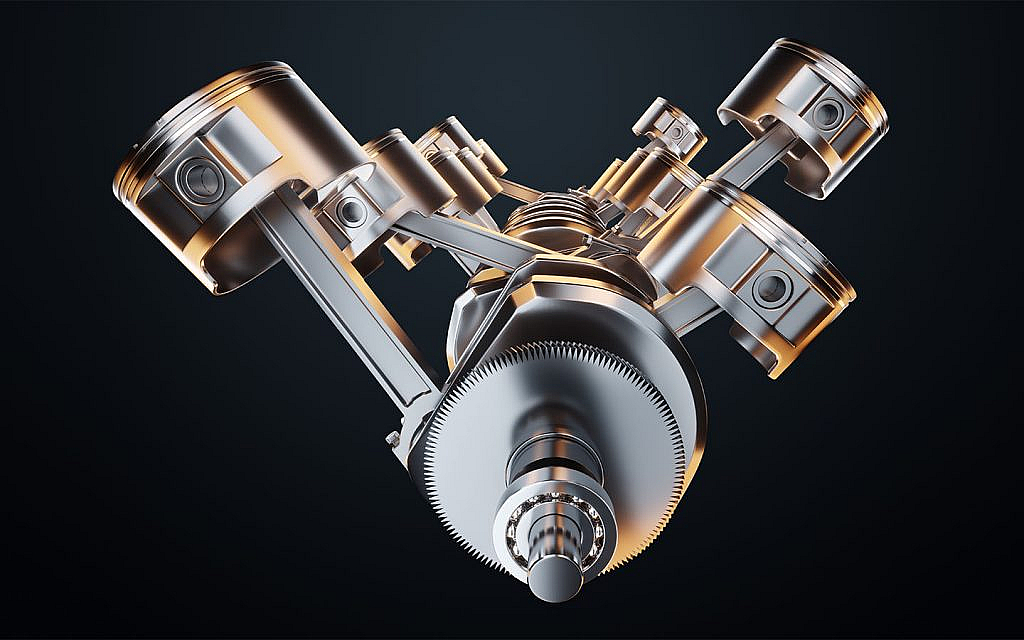
|
| Flat (Boxer) Engine Layout | Cylinders lie flat horizontally on opposite sides of the crankshaft, giving a very low centre of gravity. | Excellent stability, smooth balance, improved handling. | Sports cars, select performance-focused models. | 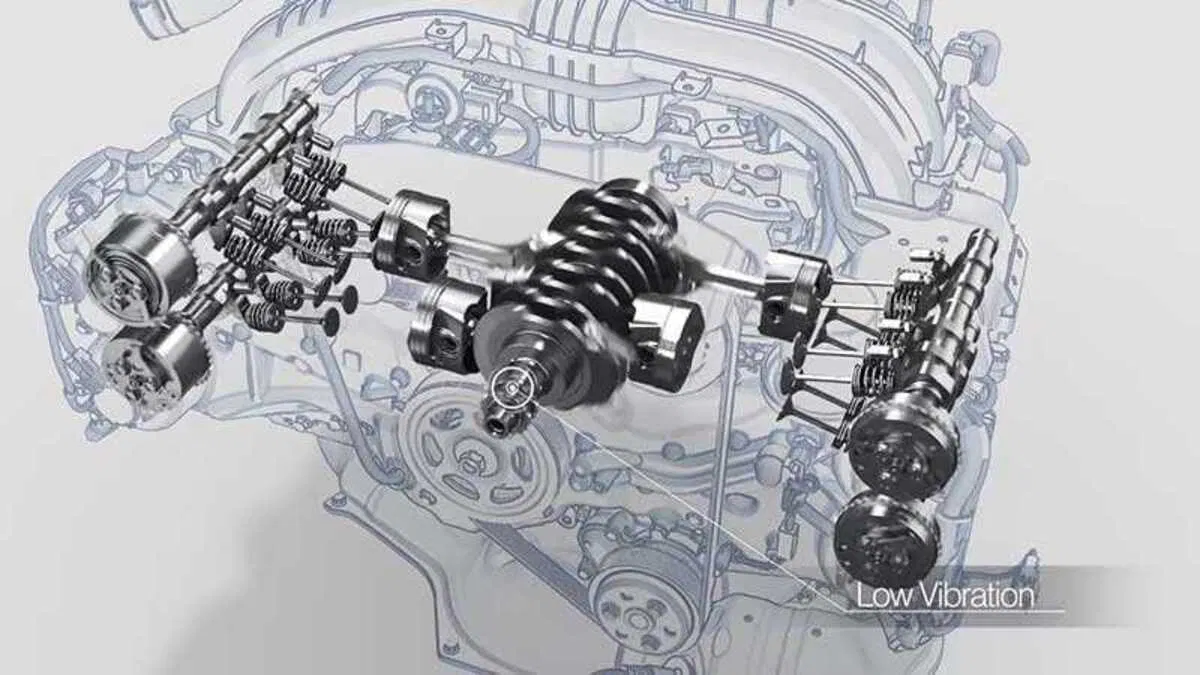
|
| W Engine Layout | Multiple cylinder banks arranged in a W shape to fit many cylinders compactly. | High power density, fits large engines in limited space. | High-end luxury and ultra-performance vehicles. | 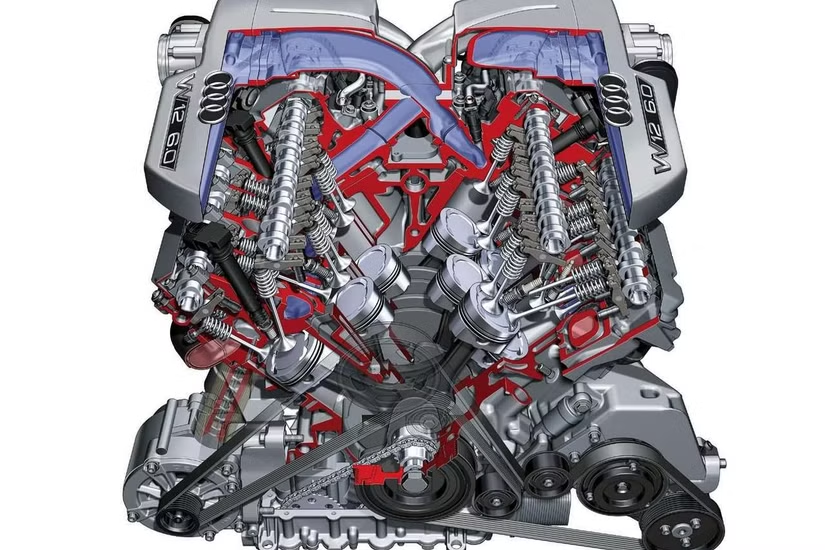
|
Common Cylinder Configurations
Cylinder count directly affects engine power, smoothness, and fuel consumption. Understanding car engine types and classification by cylinder number helps you choose the right balance of performance and efficiency.
|
|
|
|
|
|---|---|---|---|
| Twin-Cylinder Engines | Mostly used in motorcycles and small cars. | Extremely fuel-efficient, low running costs. | Limited power; best only for city speeds. |
| Three-Cylinder Engines | Lightweight, efficient engines popular in India. | Fuel-efficient, affordable, compact. | Noisier at high RPM; more wear due to higher workload per cylinder. |
| Four-Cylinder Engines | Most common setup in India. | Strong performance, smooth operation, good fuel economy. | Slightly larger and heavier than 3-cylinders. |
| Five-Cylinder Engines | Rare in India; sits between 4- and 6-cylinder power levels. | More power and unique sound; reasonable efficiency. | Higher cost; limited availability. |
| Six-Cylinder Engines | Smooth, powerful engines suited for high-speed cruising and towing. | Excellent performance, refined power delivery. | Higher fuel consumption; less practical for daily Indian driving. |
| Eight & More Cylinders | High-output engines used where performance is prioritised over efficiency. | Maximum power, superior smoothness. | Very high fuel consumption; expensive to maintain. |
Types of Engines by Fuel and Aspiration
Fuel type and aspiration method significantly impact engine performance, efficiency, and environmental impact. This section breaks down different car engine types so you can compare how each configuration impacts power, efficiency and long-term running costs.
|
|
|
|
|---|---|---|
| Petrol Engines | Internal combustion engines running on petrol; lighter and capable of high‑revving performance. | Smooth power delivery, quieter operation, good acceleration. |
| Diesel Engines | Engines running on diesel fuel, known for high fuel efficiency and strong torque. | Excellent mileage, high torque for load‑carrying, durable. |
| Turbocharged & Supercharged Engines | Forced‑induction engines using exhaust gases (turbo) or mechanical drive (supercharger) to boost power. | Higher power output, improved performance, better efficiency for small engines. |
| Naturally Aspirated Engines | Engines that draw air naturally without forced induction. | Simple design, reliable operation, low maintenance. |
| CRDi Diesel Engines | Diesel engines using a high‑pressure common rail system for precise fuel injection. | Cleaner emissions, smoother operation, better efficiency. |
| MPFI Petrol Engines | Petrol engines with individual injectors for each cylinder, ensuring optimal fuel delivery. | Improved fuel economy, smoother running, lower emissions. |
Alternative Engine Types
Alternative powertrains are reshaping India's automotive landscape, offering cleaner and more efficient transportation options. These technologies address environmental concerns while meeting diverse consumer needs.
Hybrid Engines
Hybrid engines combine an internal combustion engine (ICE) with an electric motor. The electric motor assists the ICE, improving fuel efficiency and reducing emissions. There are different configurations, such as parallel and series hybrids, each suited for different driving needs.
Electric Motors
Electric motors power EVs by converting electrical energy into mechanical energy. These vehicles produce zero tailpipe emissions and are powered solely by rechargeable batteries.
Mild Hybrid Electric Vehicles (MHEV)
MHEV systems use small electric motors to assist internal combustion engines, improving fuel efficiency without requiring external charging. These systems provide seamless operation while reducing fuel consumption.
Plug-in Hybrid Electric Vehicles (PHEV)
PHEV vehicles offer larger battery packs that can be charged externally, allowing limited electric-only driving. They combine electric efficiency for short trips with petrol backup for longer journeys.
Fuel Cell Electric Vehicles (FCEV)
FCEV technology uses hydrogen fuel cells to generate electricity, producing only water vapour as exhaust. While promising, this technology remains limited by hydrogen infrastructure availability.
Compressed Natural Gas (CNG) Engines
CNG engines operate similarly to gasoline engines but use compressed natural gas as fuel. They are modified for spark ignition and have specialised fuel systems for storing and delivering CNG. CNG engines are known for lower emissions and reduced fuel costs, especially in heavy-duty applications.
Liquefied Petroleum Gas (LPG) Engines
LPG engines run on liquefied petroleum gas, which is a mixture of propane and butane. Like CNG engines, LPG engines are modified versions of gasoline engines, designed to handle gaseous fuel. LPG vehicles offer lower emissions and cost savings, and are common in some regions for taxis and fleet vehicles.
Popular Car Engines in India
India's automotive market produced 3.10 crore vehicles in FY 2024-25, up from 2.84 crore vehicles in FY 2023-24. This growth reflects strong demand across all engine types and configurations.
Turbocharged Petrol and Diesel Engines
Turbocharged engines are gaining popularity in Indian markets, allowing smaller displacement engines to produce impressive power outputs while maintaining reasonable fuel consumption. The Hyundai Verna's 1.5-litre turbocharged engine produces 160 horsepower, demonstrating this technology's potential.
Naturally Aspirated Engines
Naturally aspirated engines remain popular for their simplicity, reliability, and lower maintenance requirements. These engines suit Indian driving conditions well, offering dependable performance without complex forced induction systems. They are typically found in hatchbacks (like the Maruti Suzuki Swift) and sedans (like the Hyundai Verna), offering smooth driving and lower maintenance costs
Notable Engine Models and Specs
The following table highlights some of the most popular car engines currently available in India:
|
|
|
|
|
|
|---|---|---|---|---|
| Tata Nexon | Turbo Petrol / Diesel | 1.2L / 1.5L | 120 / 116 | 170 / 260 |
| Hyundai Venue | Turbo Petrol | 1.0L | 120 | 172 |
| Mahindra Scorpio N | Turbo Diesel | 2.2L | 175 | 400 |
| Maruti Suzuki Swift | Naturally Aspirated | 1.2L | 89 | 113 |
Disclaimer: The specifications are based on publicly available information and may vary by variant, model year, or manufacturer updates. Always verify details with the authorised dealership before making a purchase decision.
Choosing the Right Engine for You
Selecting the appropriate engine requires balancing performance needs, fuel efficiency requirements, maintenance costs, and budget constraints. Consider your typical driving patterns and long-term ownership costs.
Performance vs Fuel Efficiency
Three-cylinder engines excel in city driving with excellent fuel efficiency, while four-cylinder engines provide better highway performance and smoother operation. Choose based on your primary driving requirements and performance expectations.
Engine Maintenance and Longevity
Turbocharged engines require disciplined maintenance schedules and high-quality oil, while naturally aspirated engines need less attention. Both engine types can exceed 200,000 kilometres with proper care, depending more on maintenance quality than cylinder count.
Cost Considerations
CNG vehicles offer lower operating costs compared to electric alternatives, with quicker refuelling and extensive infrastructure support. Four-cylinder engines typically retain better resale value due to broader market appeal and greater versatility.
Pick the Engine That Truly Drives You
Understanding the different types of engines in cars helps you make informed decisions, matching your driving needs and budget requirements. From efficient three-cylinder units to powerful turbocharged engines, each configuration offers specific advantages for different applications.
Your car's engine represents a significant investment requiring proper protection against unexpected damage. Royal Sundaram Car Insurance offers comprehensive protection plans through specialised add-on covers, like the Aggravation Cover, so you don’t have to worry about driving through waterlogged roads during the monsoon. You can stay confident behind the wheel knowing your engine is safeguarded, even in unpredictable weather.
FAQs
Inline four-cylinder engines generally offer the best balance of fuel efficiency and power for everyday driving. Their simple design reduces friction and manufacturing costs while providing adequate performance for most Indian driving conditions.
Turbochargers use exhaust gases to spin a turbine that forces more air into the engine, while superchargers are belt-driven and provide an immediate boost. Turbochargers offer better fuel efficiency, whereas superchargers deliver instant power response.
Hybrid engines provide superior fuel economy and lower emissions compared to conventional engines, especially in city driving. However, they have higher purchase prices and more complex maintenance requirements than traditional engines.
More cylinders typically produce more power and smoother operation, but consume more fuel. Four-cylinder engines offer the best balance for most drivers, while three-cylinder engines prioritise fuel efficiency over performance.
Electric motors convert electrical energy directly into motion with fewer moving parts, producing zero local emissions and instant torque. Combustion engines burn fuel to create power but require complex mechanical systems and produce emissions.
Flat engines position cylinders horizontally, creating an extremely low centre of gravity that improves handling and reduces vibrations. Manufacturers like Subaru use this layout for enhanced vehicle stability and balanced weight distribution.
Multi-Point Fuel Injection (MPFI) systems deliver precise fuel amounts to each cylinder separately, improving combustion efficiency, reducing emissions, and providing smoother engine operation compared to older carburettor systems commonly used in budget vehicles.
Diesel engines use compression ignition, offer better fuel efficiency and higher torque, but are usually noisier and have stricter emission controls compared to petrol engines, which use spark ignition.
CC refers to engine displacement — the total volume of all cylinders. Higher CC generally means more power, but also higher fuel consumption.
Not always. They deliver more power and smoother performance, but for daily city driving, they are often unnecessary and can reduce fuel efficiency.


Discover the perfect insurance plan for you!
Get your free quote now!
Get StartedBy Clicking on Get Started, You agree to our Terms and Conditions and override DNC/NDNC registration.
More like this
View more


.png)