
You have been Successfully Subscribed to Newsletter


Understanding Car Transmission: Types of Gearboxes in Cars Guide
June 16, 2026 • 10 Min Read
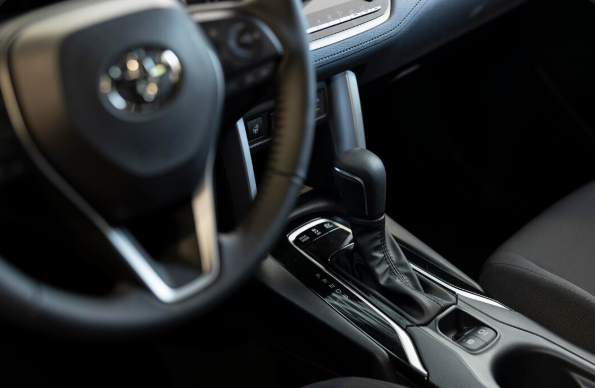
Different gearbox types serve various driving needs and budgets. Manual transmissions lead the Indian market with a 68.5% share, while automatic cars, according to 2025 auto trends, account for about 38-40% of total passenger vehicle sales. Each type of gearbox in an automobile offers distinct advantages: manuals provide control and efficiency, CVTs deliver smoothness, Your car's gearbox acts as the crucial link between your engine's power and your wheels' motion. This mechanical marvel determines how smoothly you accelerate, how efficiently you consume fuel, and how comfortable your driving experience becomes.
The Indian automotive market offers multiple transmission options, each designed for specific driving conditions and preferences. From budget-friendly manual systems to advanced automatic technologies, modern gearbox types cater to diverse needs ranging from city commuting to highway cruising. Understanding the types of gearboxes in cars helps you make informed decisions about your next vehicle purchase.
What is a Car Gearbox?
A car gearbox serves as the mechanical bridge that transfers engine power to your wheels while multiplying torque for different driving conditions. This system allows your engine to operate efficiently across various speeds and load requirements.
Basic Definition and Purpose
A car gearbox consists of gears, bearings, shafts, and other mechanical components positioned between the engine and the wheels. It transmits power generated by the engine to the wheels, making vehicle movement possible. The gearbox multiplies engine torque when you need more pulling power and reduces it when you require higher speeds.
How Gearboxes Impact Car Performance
The type of gearbox in an automobile directly affects acceleration, fuel efficiency, and overall driving comfort. Larger gears provide more torque and lower speeds, while smaller gears deliver higher speeds with reduced torque. First gear offers maximum pulling power for starting from rest, while top gear enables efficient highway cruising.
Main Parts of a Car Gearbox
Understanding gearbox components helps you appreciate how these systems transfer power efficiently. Each part plays a specific role in the power transmission process.
Clutch Shaft
The clutch shaft receives power directly from your engine through the clutch system. When you engage the clutch, this driving shaft rotates at the same speed as your engine's crankshaft. Only one gear is permanently fixed on the clutch shaft, ensuring consistent power input to the transmission system.
Counter Shaft
The counter shaft connects directly to the clutch shaft and contains multiple gears that link with both the input and main shafts. This component can operate at engine speed or below, depending on the selected gear ratio. It serves as the intermediate power transfer mechanism within the gearbox.
Main Shaft
The main shaft, also called the output shaft, rotates at different speeds and provides the necessary torque to your vehicle's wheels. This splined shaft allows gears to move along its length for engaging and disengaging different gear ratios. The main shaft's speed determines your vehicle's final speed.
Bearings
Bearings support all rotating components within the gearbox while reducing friction between moving parts. These precision components are mounted at both ends of every shaft, ensuring maximum power transfer with minimal energy loss. Quality bearings significantly impact gearbox longevity and efficiency.
Gears
Gears transmit power between different shafts within the transmission. The torque transmitted depends on gear size, number of teeth, and gear ratios. Higher gear ratios provide more torque and acceleration but lower top speeds, while lower ratios enable higher speeds with reduced pulling power.
How Does a Car Gearbox Work?
Gearboxes operate by selectively engaging different gear combinations to match engine power output with driving requirements. This process varies between manual and automatic systems.
Power Transfer and Torque Multiplication
The counter shaft meshes with the clutch shaft through gear combinations, maintaining constant operation when the engine runs. When you select a gear, the counter shaft connects with the main shaft through specific gear ratios. This connection determines how much torque multiplication occurs and at what speed the wheels rotate.
Gear Ratios and Speed Control
Gear ratios control the relationship between engine speed and wheel speed. Lower numerical ratios provide more torque multiplication for acceleration, while higher ratios enable efficient cruising. The quantity of torque transmitted depends on gear size and tooth count.
Manual vs Automatic Operation
Manual transmissions require driver input to engage the clutch and select gears using a gear lever. You control when and how gear changes occur based on driving conditions. Automatic transmissions use internal sensors, hydraulic systems, and computer controls to select appropriate gears without driver intervention, providing seamless gear changes.
Types of Gearboxes in Cars
The automotive industry offers several transmission technologies, each suited for different driving preferences and budgets. Current market trends show manual systems still dominating, but automatic adoption is growing rapidly.
Manual Transmission
Manual gearboxes give drivers complete control over gear selection and timing. Most modern cars feature five-speed or six-speed manual transmissions, with four-speed systems now obsolete. These systems offer affordability, low maintenance costs, and excellent fuel efficiency on highways.
Torque Converter Automatic
Torque converter automatics use a hydraulic coupling to transfer power from the engine to the transmission. These systems excel in low-end torque delivery and provide consistently smooth operation, especially in stop-and-go traffic. They're commonly found in cars with larger engines, but typically consume more fuel than other automatic types.
Continuously Variable Transmission (CVT)
CVT systems use belt-and-pulley mechanisms instead of fixed gears, providing infinite gear ratios for seamless acceleration. These transmissions deliver the smoothest driving experience and excellent fuel efficiency in city conditions.
Dual Clutch Transmission (DCT)
DCT systems use two separate clutches - one for odd gears (1, 3, 5) and another for even gears (2, 4, 6). This setup enables extremely fast gear changes by pre-selecting the next gear while driving in the current one. Volkswagen and Skoda models commonly feature DCT technology in India.
Automated Manual Transmission (AMT)
AMT combines manual gearbox mechanics with automated clutch and shifting operations. These systems offer automatic convenience at manual transmission prices.
Epicyclic (Planetary) Gearbox
Planetary gearboxes use central sun gears surrounded by planetary gears within ring gears. This compact design enables multiple gear ratios within a smaller space, commonly used in automatic transmissions and hybrid vehicles for smooth operation.
Detailed Overview of Manual Gearboxes
Manual transmissions have evolved through several design iterations, each addressing specific performance and durability requirements.
Sliding Mesh Gearbox
Sliding mesh systems allow gears on the main shaft to slide and mesh directly with layshaft gears. This older design requires careful timing during gear changes but provides a direct mechanical connection between gears for efficient power transfer.
Constant Mesh Gearbox
Constant mesh gearboxes keep all gears permanently engaged, using dog clutches for gear selection. This design reduces wear during gear changes and enables smoother transitions compared to sliding mesh systems. The system uses separate clutches mounted on the main shaft for different gear ranges.
Synchromesh Gearbox
Modern cars predominantly use synchromesh gearboxes, which synchronise gear speeds before engagement. This technology eliminates grinding noises and enables smooth gear changes even when engine and transmission speeds differ significantly.
Detailed Overview of Automatic Gearboxes
Automatic transmissions use various technologies to eliminate manual gear changing while optimising performance and efficiency.
Torque Converter Transmission
These systems use fluid coupling to transfer power smoothly from the engine to the transmission. Torque converters multiply engine torque during acceleration and provide seamless power delivery. Modern versions include lock-up clutches for improved highway efficiency.
CVT Transmission
CVT systems provide stepless gear changes through variable pulley diameters. This technology keeps engines operating at optimal RPM for fuel efficiency while delivering smooth acceleration without traditional gear shifts.
DCT Transmission
Dual clutch systems offer manual transmission efficiency with automatic convenience. Pre-selecting gears enables shift times faster than human drivers can achieve, making DCT popular in performance vehicles.
AMT Transmission
AMT uses electro-hydraulic actuators to operate conventional manual gearbox clutches and gear selection. This cost-effective solution brings automatic convenience to budget-conscious buyers without significant price premiums.
Hydramatic Transmission
Hydramatic represents early automatic transmission technology using hydraulic controls for gear selection. While largely superseded by modern systems, these transmissions established the foundation for current automatic technologies.
Advantages and Disadvantages of Gearbox Types
Each transmission type offers specific benefits and limitations depending on your driving requirements and budget considerations.
|
|
|
|
|
|---|---|---|---|
| Manual Transmission | Lower initial cost, reduced maintenance expenses, better control over gear selection, and generally cheaper to repair | Constant gear shifting can be tiring in heavy traffic, especially in crowded cities | Traditionally, more fuel-efficient on highways due to lower power loss |
| Automatic Transmission | Eliminates clutch fatigue, reduces driver stress in traffic, provides a smoother driving experience, and consistent performance regardless of driver skill | Higher purchase price and increased maintenance/service costs | Modern automatic systems like CVT and dual-clutch transmissions offer fuel efficiency close to manuals, and hybrids can even outperform them |
Common Issues and Maintenance Tips for Gearboxes
Proper maintenance ensures optimal gearbox performance and longevity while preventing costly repairs.
Signs of Gearbox Problems
Watch for these warning indicators of potential gearbox issues:
- Grinding noises indicate inadequate lubrication, causing friction between components
- Whining or humming sounds: Suggest transmission fluid degradation
- Check engine light: May signal transmission-related performance issues
- Delayed or harsh shifting: Points to pressure problems from degraded fluid
- Sudden RPM spikes: Could indicate slipping gears or internal wear
How to Keep Your Gearbox in Good Condition
Regular maintenance prevents major gearbox problems and extends transmission life:
- Check fluid levels regularly: Low or contaminated fluid causes most transmission failures
- Follow service schedules: Replace automatic transmission fluid every 60,000-70,000 km
- Service manual transmissions: Manual gearboxes usually require a gearbox oil change every 48,000 to 80,000 km
Interesting Facts and Innovations in Car Gearboxes
The transmission industry continues to evolve alongside India’s rapidly growing automotive market. India’s automobile sales reached an all-time high of 2.5 crore units in 2024, marking an 11.6% increase over 2023’s 2.3 crore units, according to data from the Society of Indian Automobile Manufacturers (SIAM).
The rising demand for convenience and urban driving ease is accelerating the shift toward automatic transmissions. While exact import growth figures vary across reports, industry trends consistently show strong growth in automatic vehicle adoption, especially in urban markets and premium segments. AMT technology, introduced widely by companies like Maruti Suzuki, has played a key role in making automatic transmissions accessible to budget-conscious buyers.
In the used car market as well, automatic transmissions are gaining traction, reflecting changing consumer preferences. Although specific percentages differ across sources, industry insights indicate a steady increase in automatic vehicle share, driven by ease of driving, traffic conditions, and improved affordability of automatic technologies.
Your Path to Smart Car Insurance
Understanding gearbox types helps you choose the right car, but protecting it requires the right insurance. Royal Sundaram Car Insurance offers Engine & Gearbox Protection that covers internal components like the engine, transmission, and power steering against risks such as water damage and oil leakage.
With a strong claim settlement ratio and quick processing, it ensures you’re covered when it matters most. Secure your car with Royal Sundaram and drive confidently, knowing your gearbox and key components are well protected.
Frequently Asked Questions
The primary gearbox types include manual transmission, torque converter automatic, CVT, DCT, and AMT systems. Each offers distinct advantages for different driving conditions and budgets.
Manual gearboxes require driver input for clutch operation and gear selection, while automatic systems handle these functions independently using sensors and computer controls for seamless operation.
DCT uses two separate clutches - one for odd gears and another for even gears. This allows pre-selection of the next gear while driving, enabling faster shifts than conventional automatics.
Modern automatic transmissions have improved significantly, but typically consume 0.8-1.5 kmpl more fuel than manual systems. CVT and hybrid automatics often match manual efficiency in city driving.
Regular fluid level checks, timely transmission fluid changes, and prompt attention to shifting issues ensure optimal gearbox performance and longevity.
Burning smells usually indicate overheated transmission fluid, internal component friction, or fluid leaks. Stop driving immediately and consult a qualified technician for inspection.
A gearbox specifically refers to the gear-changing mechanism, while transmission encompasses the entire power transfer system, including the gearbox, clutch, and related drivetrain components.
CVT and AMT systems excel in city conditions due to smooth operation in stop-and-go traffic. These types of gearboxes in cars reduce driver fatigue while maintaining good fuel efficiency.
Switching requires learning new driving techniques since automatics eliminate clutch pedal use and manual gear selection. Most drivers adapt within a few days of regular driving practice.


Discover the perfect insurance plan for you!
Get your free quote now!
Get StartedBy Clicking on Get Started, You agree to our Terms and Conditions and override DNC/NDNC registration.
More like this
View more


.png)