
You have been Successfully Subscribed to Newsletter


Types of Sensors in a Car: Understanding Modern Vehicle Technology
June 11, 2026 • 10 Min Read
Modern cars contain 60-100+ sensors that monitor everything from engine performance to safety systems. All car sensors and their functions work together to optimise fuel efficiency, enhance safety, and provide comfort features. Critical sensors include oxygen, MAF, crankshaft position, and ABS wheel speed sensors. Safety sensors can reduce accidents by up to 40%, while engine sensors improve fuel efficiency. Future trends include wireless technology, AI integration, and sensor fusion for autonomous vehicles.
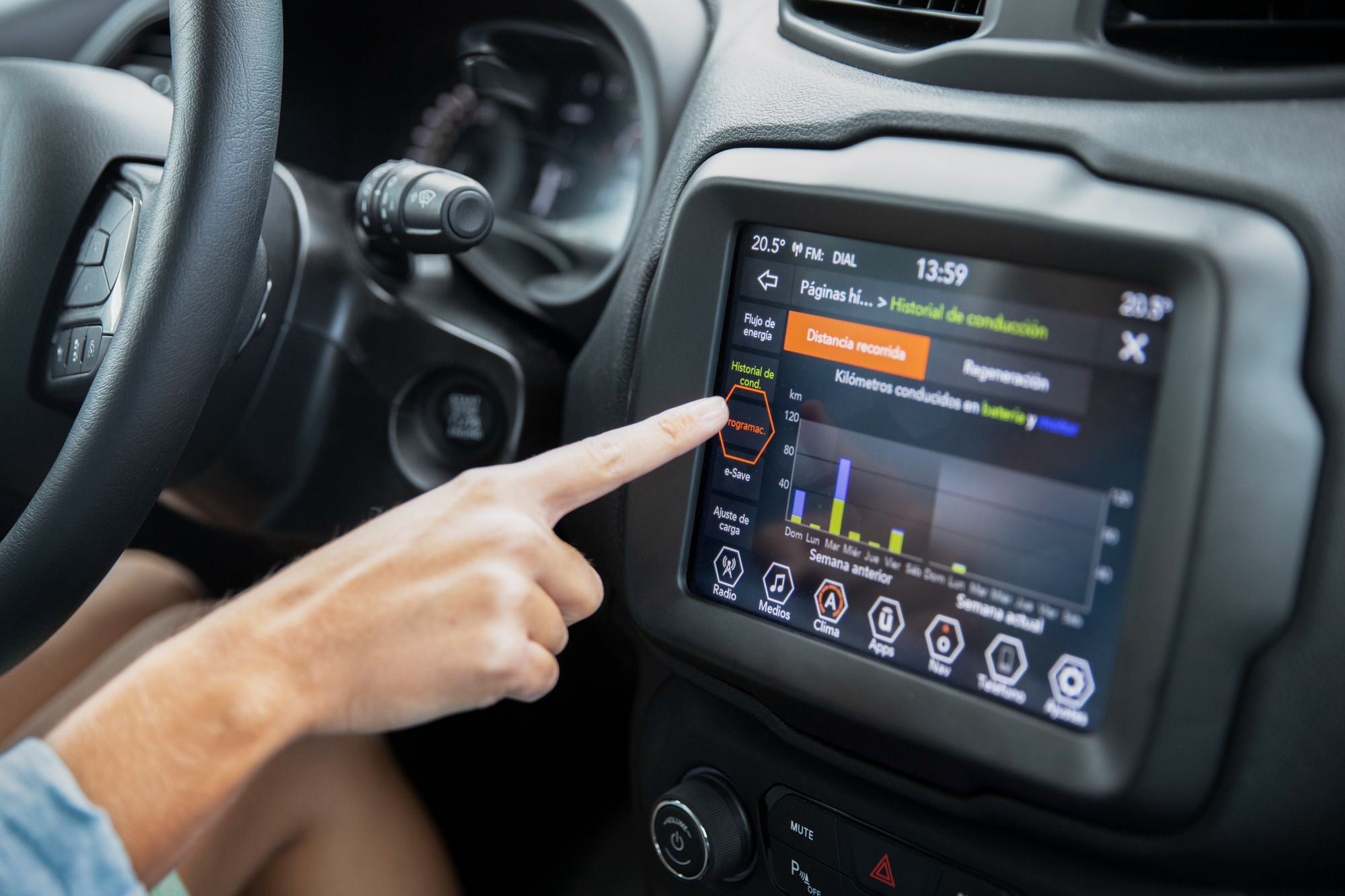
Cars contain dozens of electronic eyes and ears working silently to keep you safe, comfortable, and efficient on the road. These automotive sensors act like your vehicle's nervous system, constantly monitoring everything from engine temperature to obstacles around your car. Without these intelligent devices, modern cars would be unable to meet emission standards, provide safety features, or deliver the smooth driving experience you expect. This guide will help you understand the different types of car sensors and how they work together to make your driving safer and more efficient.
Introduction to Car Sensors
Car sensors form the foundation of modern automotive technology, serving as the critical link between your vehicle's physical environment and its electronic control systems.
What is a Car Sensor?
A car sensor is an electronic device that detects and responds to changes in your vehicle's environment or internal systems. These sensors gather data such as temperature, speed, pressure, and position, then send this information to your car's onboard computer called the Electronic Control Unit (ECU).
How Car Sensors Work
Sensors detect changes in parameters such as speed, temperature, pressure, motion, and fuel levels. These physical or environmental changes are converted into electrical signals that travel to your vehicle's ECU. The ECU processes this data using pre-programmed algorithms to determine whether adjustments or alerts are needed.
Importance of Sensors in Modern Vehicles
Car sensors ensure safety, performance, and efficiency in modern vehicles. From detecting obstacles and monitoring tyre pressure to managing fuel injection and engine temperature, automotive sensors continuously collect real-time data to help your car respond intelligently to various situations. The sensors play crucial roles in meeting emissions regulations, providing advanced safety features, and enabling comfort systems that make driving more enjoyable.
Classification of Car Sensors
Understanding how all car sensors and their functions are classified will help you appreciate the complexity and sophistication of modern automotive systems. Sensors can be categorised based on what they measure and how they detect changes.
Based on Physical Properties
Car sensors are primarily classified according to the physical properties they monitor:
- Position sensors track the location and movement of various components.
- Pressure sensors measure force applied over an area.
- Temperature sensors monitor heat levels throughout your vehicle.
- Flow sensors measure the rate of fluid or gas movement.
Based on Technology and Detection Method
- Optical sensors use light-based detection methods to monitor conditions.
- Magnetic sensors employ magnetic fields to detect position and movement.
- Mechanical sensors rely on physical movement or contact to detect changes.
- Electronic sensors process digital signals and often incorporate microprocessors for advanced functionality.
Common Types of Car Sensors and Their Functions
The types of sensors in a car for engine management form the heart of modern automotive technology. Some of the important sensors are as follows:
Oxygen (O2) Sensor
The oxygen sensor measures the amount of oxygen in your vehicle's exhaust gases. Located in the exhaust manifold, it helps the engine control module adjust the air-fuel ratio for optimal combustion.
Mass Air Flow (MAF) Sensor
The mass airflow sensor measures the volume of air entering your engine's intake system. The ECU uses this information to determine the precise amount of fuel needed for optimal combustion. Without accurate airflow data, your engine cannot maintain the proper air-fuel mixture.
Throttle Position Sensor
The Throttle Position Sensor (TPS) monitors the position of your throttle plate, allowing the ECU to adjust engine performance based on your accelerator pedal input. This sensor ensures precise fuel injection and smooth engine operation across all driving conditions.
Crankshaft Position Sensor
This critical sensor tracks your crankshaft's position and rotational speed. Essential for engine timing, it helps the ECU manage spark timing and fuel delivery with precision.
Camshaft Position Sensor
The camshaft position sensor detects the position of your camshaft relative to the crankshaft. This ensures accurate valve timing and helps optimise engine performance.
Knock Sensor
The knock sensor detects vibrations caused by abnormal combustion. When it senses these harmful vibrations, it sends signals to the ECU to adjust ignition timing and prevent engine damage.
Coolant Temperature Sensor
Also known as the Engine Coolant Temperature Sensor (ECTS), this device measures your engine's temperature within the cooling system. The sensor informs the ECU about engine heat levels, triggering cooling procedures when temperatures rise above optimal levels.
Engine Oil Pressure and Level Sensors
Engine oil sensors maintain proper lubrication by monitoring both oil pressure and level. The oil pressure sensor, usually located at the bottom of the cylinder head, connects to your dashboard warning light to alert you of dangerous pressure drops.
Manifold Absolute Pressure (MAP) Sensor
The MAP sensor monitors engine load by measuring the difference between manifold pressure and atmospheric pressure. This information helps the ECU determine how much fuel the engine needs based on load conditions.
Boost Pressure Sensor
Found in turbocharged and supercharged engines, the boost pressure sensor monitors the pressure of compressed air entering the engine. Proper boost pressure monitoring prevents engine knock (a knocking sound from the engine) and maintains optimal performance under varying boost conditions.
Air Intake Temperature Sensor
This sensor monitors the temperature of air entering your engine. By checking incoming air temperature, it ensures proportionate mixing of fuel and oxygen.
Battery Voltage Sensor
The battery voltage sensor monitors your vehicle's electrical system health by measuring battery voltage and charging system performance.
Safety and Driver Assistance Sensors
Safety sensors represent the most critical advancement in automotive technology, directly protecting occupants and preventing accidents. These systems have become increasingly sophisticated.
ABS Wheel Speed Sensor
The Anti-lock Braking System (ABS) uses sensors on each wheel to monitor rotational speed. This information helps prevent wheel lockup during hard braking, maintaining steering control and reducing stopping distances on most surfaces.
Airbag Sensors
Airbag sensors deploy safety systems during collisions by detecting rapid changes in vehicle speed or impact forces. These accelerometer-based sensors can distinguish between normal driving conditions and crash scenarios within milliseconds.
Tyre Pressure Monitoring Sensor (TPMS)
TPMS sensors monitor air pressure in each tyre, alerting you to dangerous pressure drops that could lead to blowouts or handling problems. These sensors ensure optimal tyre performance, fuel efficiency, and safety.
Parking (Proximity) Sensors
Parking sensors detect obstacles around your vehicle using ultrasonic waves. The system provides audio alerts that increase in frequency as you approach obstacles.
Blind Spot Detection Sensor
Blind spot detection systems use radar sensors to monitor areas beside and behind your vehicle that mirrors cannot cover. When vehicles enter these blind spots, the system provides visual or audio warnings.
Lane Departure Warning Sensor
Lane departure warning systems use cameras to monitor road markings and detect when your vehicle begins to drift out of its lane without signalling. The system provides warnings through steering wheel vibration, audio alerts, or visual indicators.
Forward Collision and Pedestrian Detection Sensors
These sensors use radar, cameras, or lidar to detect vehicles, pedestrians, or obstacles ahead of your vehicle. When collision risk is detected, the system provides warnings and may apply automatic emergency braking.
Ultrasonic Sensors
Ultrasonic sensors serve multiple functions beyond parking assistance, including occupant detection, intrusion monitoring, and proximity sensing for various vehicle systems.
Ultrasonic technology is reliable, cost-effective, and works well in various weather conditions, making it popular for automotive applications.
Comfort and Convenience Sensors
Comfort sensors enhance your driving experience by automating routine tasks and maintaining optimal cabin conditions. These systems work quietly in the background to improve convenience and comfort.
Rain Sensor
Rain sensors automatically activate windscreen wipers when they detect moisture on the glass. Located on the windscreen, these optical sensors use light refraction to detect water droplets.
Ambient Light Sensor
Ambient light sensors automatically control headlight operation and dashboard illumination based on surrounding light conditions.
Humidity Sensor
Humidity sensors monitor cabin moisture levels and work with the climate control system to prevent window fogging. When humidity rises to levels that could cause window fogging, the sensor signals the climate system to adjust airflow and temperature.
Advantages and Disadvantages of Car Sensors
Modern automotive sensors provide significant benefits while presenting certain challenges. Understanding both aspects helps you make informed decisions about vehicle maintenance and technology adoption.
Benefits for Safety, Efficiency, and Performance
Sensors primarily enhance safety by providing real-time monitoring and automatic responses to dangerous conditions. The following table shows key sensor benefits:
|
|
|
|
|---|---|---|
| Safety | Collision avoidance, ABS, airbag deployment | Accident reduction |
| Efficiency | Optimised fuel delivery, emission control | Fuel economy improvement |
| Performance | Precise engine timing, load management | Enhanced power and response |
| Convenience | Automatic lighting, climate control | Reduced driver workload |
Challenges like Cost and Maintenance
Sensors are sensitive electronic components that can fail over time and may be expensive to replace. However, the benefits they provide generally outweigh these disadvantages.
Cost Considerations:
- Single sensor replacement is typically low to moderate cost.
- Multiple sensor failures can quickly accumulate costs.
- Diagnostic complexity may increase labour charges.
- Advanced sensors (radar, lidar) cost significantly more.
Maintenance Challenges:
- Environmental factors like heat, moisture, and vibration affect reliability.
- Contamination from dirt, oil, and road debris can cause malfunctions.
- Some sensors require specialised diagnostic equipment.
- Intermittent failures can be difficult to diagnose.
Regular cleaning and maintenance can help prevent sensor issues and extend component lifespan.
Fault Diagnosis and Sensor Reliability
Understanding common sensor problems helps you identify issues early and avoid costly repairs.
Common Sensor Faults
Sensors typically fail due to wear and tear over time or exposure to extreme conditions. Environmental factors represent the primary cause of sensor malfunctions.
Primary Failure Modes:
- Contamination: Dirt, grime, and debris interfere with sensor operation.
- Electrical issues: Corroded connections, damaged wiring, voltage problems.
- Mechanical wear: Moving parts deteriorate, affecting accuracy.
- Temperature damage: Extreme heat or cold exceeds operating limits.
- Vibration damage: Constant engine and road vibration loosens components.
Most Vulnerable Sensors:
- Mass Air Flow (MAF): Sensitive to contamination
- Oxygen (O2) sensors: Affected by fuel quality and deposits
- Wheel speed sensors: Exposed to road debris and moisture
- Temperature sensors: Subject to thermal cycling stress
How Sensors Self-Diagnose and Alert
Modern vehicles use sophisticated On-Board Diagnostics (OBD-II) systems to monitor sensor performance continuously. These systems can detect sensor malfunctions and alert you through dashboard warning lights.
Diagnostic Capabilities:
- Signal validation checks ensure sensors provide reasonable readings.
- Comparison monitoring verifies sensors against each other.
- Range testing detects out-of-specification readings.
- Response-time monitoring identifies sluggish sensors.
Alert Systems:
- Check Engine Light for emission-related sensor problems
- ABS warning light for brake system sensor issues
- TPMS light for tyre pressure sensor problems
- Specific dashboard symbols for various system faults
Environmental and Operational Challenges
Car sensors face harsh operating conditions that can affect reliability and performance. Understanding these challenges helps you maintain sensor systems properly.
Environmental Stressors:
- Temperature extremes (-40°C to +150°C in engine bay)
- Moisture and humidity exposure
- Salt corrosion in coastal areas
- Vibration from engine and road conditions
- Electromagnetic interference from electrical systems
Operational Challenges:
- Fuel quality variations affect oxygen sensors.
- Driving habits impact sensor wear rates.
- Maintenance neglect accelerates sensor degradation.
- Aftermarket modifications may interfere with sensor operation.
Future Trends in Car Sensors
The automotive sensor industry continues advancing rapidly, driven by autonomous vehicle development, electrification, and connected car technologies. These trends will reshape how vehicles sense and respond to their environment.
Increasing Number and Integration
Modern vehicles contain 60-100+ sensors depending on features and ADAS level, with this number expected to grow significantly as autonomous capabilities advance.
Integration Trends:
- Centralised computing platforms processing multiple sensor inputs
- Sensor fusion combining data from different sensor types
- Standardised communication protocols reducing complexity
- Modular sensor packages for easier installation and service
Growth Drivers:
- Autonomous driving requirements
- Electrification sensor needs
- Enhanced safety regulations
- Consumer demand for convenience features
Wireless and Smart Sensors
Future sensor technology focuses on wireless communication, artificial intelligence integration, and predictive capabilities that anticipate problems before they occur.
Wireless Advantages:
- Reduced wiring complexity and weight
- Easier installation and service access
- Enhanced reliability through elimination of wire connections
- Lower manufacturing costs
Smart Capabilities:
- AI-enhanced accuracy and filtering
- Predictive maintenance alerts
- Self-calibration and compensation
- Machine learning adaptation to driving patterns
Role in Autonomous and Connected Vehicles
Autonomous vehicles require sophisticated sensor arrays to perceive their environment accurately. Most manufacturers use sensor fusion combining cameras, radar, and LiDAR for comprehensive environmental awareness.
Autonomous Vehicle Sensor Requirements:
- 360-degree environmental monitoring
- Redundant systems for safety-critical functions
- High-resolution mapping and localisation
- Real-time decision-making capabilities
Connected Vehicle Integration:
- Vehicle-to-Vehicle (V2V) communication sensors
- Vehicle-to-Infrastructure (V2I) connectivity
- Real-time traffic and hazard information sharing
- Cloud-based sensor data processing
Your Smart Car Insurance Solution
Understanding all car sensors and their functions helps you appreciate why comprehensive car insurance coverage is essential for modern vehicles. With sensors costing hundreds of rupees each and sophisticated systems requiring specialised repair expertise, protecting your investment becomes crucial.
Royal Sundaram Comprehensive Car Insurance recognises the complexity of modern vehicles and provides comprehensive coverage in case of accidental damage, natural disaster and theft that protects both traditional components and advanced sensor systems.
Why Choose Royal Sundaram for Your Vehicle:
- Extensive Network: Access to 8000+ cashless garages nationwide for convenient repairs
- Quick Claims: High claim settlement ratio for faster resolution
- Expert Assessment: In-house motor assessors for accurate damage evaluation
- 24/7 Support: Round-the-clock roadside assistance add on for emergencies.
Frequently Asked Questions
Car sensors detect physical or environmental changes like temperature, pressure, or position and convert these into electrical signals. The Electronic Control Unit (ECU) processes these signals and triggers appropriate responses.
The most critical engine sensors include oxygen sensors for air-fuel mixture control, mass air flow sensors for intake measurement, throttle position sensors for load detection, and crankshaft/camshaft position sensors for timing control.
Modern cars cannot operate properly without critical sensors. Essential sensors like crankshaft position and camshaft position sensors are required for engine start-up and timing.
Common causes include environmental factors like extreme temperatures and moisture; contamination from dirt and debris; electrical problems from corroded connections; mechanical wear from vibration; and normal ageing of electronic components over time.
Modern vehicles contain 60-100+ sensors depending on features and technology level.
Multiple sensors provide improved safety through collision avoidance and stability systems, enhanced fuel efficiency through optimised engine management, real-time diagnostics for preventive maintenance, and increased driving comfort through automated convenience features.
ABS sensors monitor wheel speed to prevent lockup during braking, while airbag sensors detect collision impacts using accelerometers.
Position sensors track the movement or location of parts like the throttle or crankshaft, pressure sensors measure fluid or air pressure, and temperature sensors monitor heat levels in systems like the engine or coolant.
Sensors such as radar, ultrasonic, and cameras help detect obstacles, monitor blind spots, and assist with features like lane-keeping and collision warnings to improve driving safety.
The cost depends on the type of sensor, as some are simple and inexpensive while others require advanced diagnostics and professional installation, which can increase repair expenses.


Discover the perfect insurance plan for you!
Get your free quote now!
Get StartedBy Clicking on Get Started, You agree to our Terms and Conditions and override DNC/NDNC registration.
More like this
View more


.png)