
You have been Successfully Subscribed to Newsletter


Tyre Speed Rating Chart: Your Complete Guide to Understanding Speed Codes
Aug 05, 2026 • 10 Min Read
Tyre speed rating charts show maximum safe speeds for different tyre codes. Speed ratings are letters (like H=210 km/h, V=240 km/h) tested in laboratories under controlled conditions. Using incorrect ratings can void insurance and cause dangerous blowouts. The tyre speed index appears after the load rating on sidewalls. Most Indian vehicles use T-V ratings (190-240 km/h). Higher ratings offer better performance but cost more. Repairs void original speed ratings. Always match manufacturer recommendations for safety and insurance coverage.
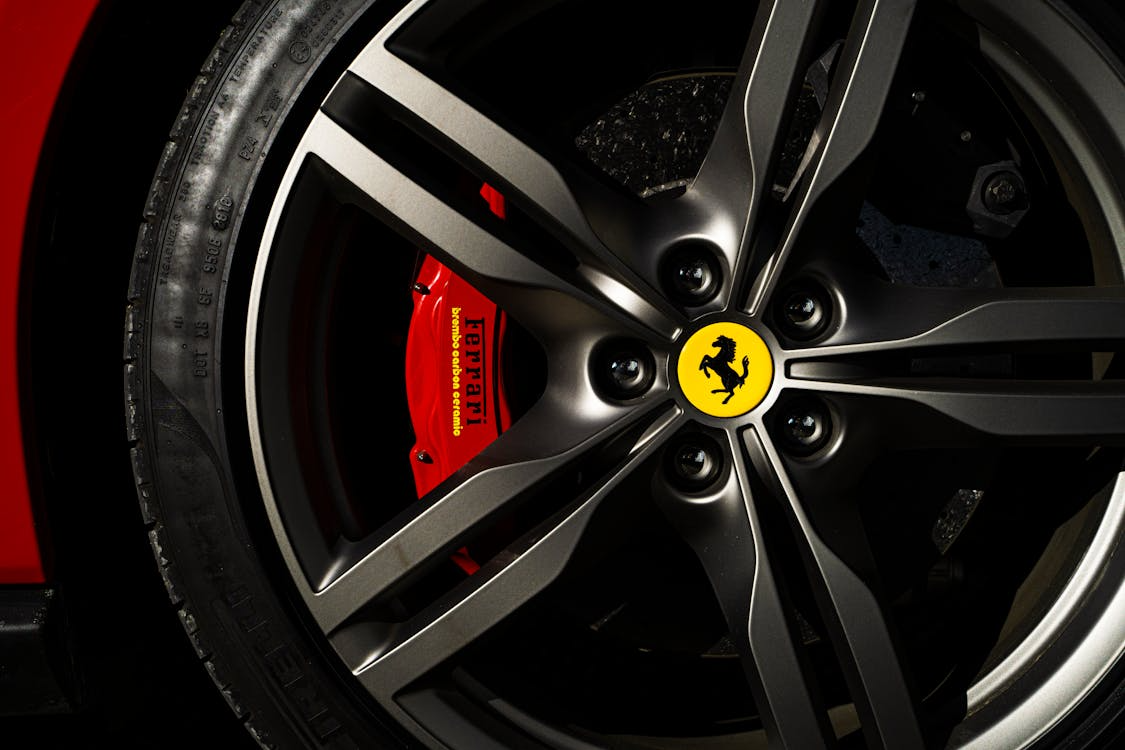
Your car's tyres carry a hidden code that could save your life. Every tyre sidewall displays letters and numbers that tell you exactly how fast the tyre can safely travel. These codes aren't suggestions – they're scientifically tested limits that determine whether your tyre will hold together or catastrophically fail at high speeds.
What tyre speed ratings are becomes crucial when you consider that overspeeding contributed to 68% of road accident deaths in 2023, with 480,583 road accidents occurring nationwide. Understanding your tyre speed rating chart helps you make informed decisions that protect both your safety and your wallet.
What is Tyre Speed Rating?
Tyre speed ratings represent the maximum speed a tyre can safely sustain under specific conditions. These ratings serve as safety certifications rather than performance targets, ensuring your tyres can handle your vehicle's capabilities without compromising safety or stability.
Definition and Purpose of Speed Ratings
Tyre speed ratings are codes that show the highest speed a tyre can safely maintain over time. Each letter code corresponds to a specific maximum speed limit, marked clearly on your tyre's sidewall. These ratings only apply when your tyre remains undamaged, properly inflated, and not overloaded.
How Speed Ratings Are Tested
Engineers conduct rigorous laboratory tests to determine speed ratings. The testing process involves mounting an inflated tyre on a testing machine and subjecting it to controlled conditions.
The testing methodology follows these steps:
- Initial Setup: Tyre inflation to recommended pressure
- Machine Mounting: Positioning on high-speed testing equipment
- Incremental Testing: Speed increases in 10 km/hr steps over 10-minute intervals
- Damage Assessment: Evaluation for structural integrity after each speed increment
- Final Certification: Rating assignment based on highest sustained speed without damage
How to Read a Tyre Speed Rating
Reading your tyre's speed rating requires understanding where to look and how to interpret the alphanumeric code system. Your tyre speed index appears as part of a larger marking system that tells you everything about your tyre's capabilities.
Locating Speed Rating on Your Tyre Sidewall
Your tyre's speed rating appears immediately after the load index number on the sidewall. In a typical marking like "P215/65R15 95H", the letter "H" represents your speed rating, while "95" shows the load index.
Understanding Alphanumeric Tyre Markings
Your tyre sidewall contains a wealth of information beyond just the speed rating. Understanding the complete marking system helps you make better tyre choices and ensures compatibility.
A complete tyre marking like "195/55 R16 87V" breaks down as follows:
|
|
|
|
|---|---|---|
| Width | 195 | Tyre width in millimetres |
| Aspect ratio | 55 | Sidewall height as percentage of width |
| Construction | R | Radial construction |
| Rim diameter | 16 | Wheel rim diameter in inches |
| Load index | 87 | Maximum load capacity code |
| Speed rating | V | Maximum speed capability (240 km/h) |
In this example, the "V" indicates that your tyre can safely reach speeds up to 240 km/h under proper conditions. This systematic approach helps you understand not just speed capabilities but also load limits and size compatibility.
Tyre Speed Rating Chart
The tyre speed rating chart uses a letter-based system where each letter corresponds to a specific maximum speed. Understanding this system helps you choose appropriate tyres and avoid dangerous mismatches.
Common Tyre Speed Rating Symbols and Their Speeds
Most passenger vehicles in India use speed ratings from T (190 km/h) to V (240 km/h), matching typical highway speed requirements. Here's the complete speed rating breakdown:
| L | 120 | 75 | Off-road vehicles |
| M | 130 | 81 | Temporary spare tyres |
| N | 140 | 87 | Temporary spare tyres |
| P | 150 | 94 | Light commercial vehicles |
| Q | 160 | 99 | Winter tyres |
| R | 170 | 106 | Light trucks |
| S | 180 | 112 | Family sedans |
| T | 190 | 118 | Standard passenger cars |
| U | 200 | 124 | Family cars |
| H | 210 | 130 | Sport sedans |
| V | 240 | 149 | Sports cars |
| W | 270 | 168 | High-performance vehicles |
| Y | 300 | 186 | Exotic sports cars |
Disclaimer: The information provided above is based on available data and may vary under real conditions.
Explaining ZR, VR, and Other High-Speed Ratings
Some manufacturers use special designations for high-performance applications. The "ZR" marking indicates tyres rated for speeds above 240 km/h, originally created when "Z" was considered the maximum possible rating.
When speed rating "Z" was introduced, manufacturers thought vehicles wouldn't exceed 240 km/h. However, automotive technology advancement required new categories:
- ZR designation: Indicates speeds above 240 km/h.
- W and Y ratings: Created for speeds beyond original Z limits.
- (Y) marking: Maximum current rating for speeds over 300 km/h
- VR marking: Older system indicating variable speed ranges.
These high-performance ratings rarely apply to typical Indian driving conditions, where speed limits and road infrastructure make such capabilities unnecessary. Most Indian drivers benefit more from focusing on appropriate T, H, or V ratings that match their actual driving needs.
Why Tyre Speed Ratings Matter
Tyre speed ratings directly impact your safety and vehicle performance. Understanding their importance helps you make informed decisions that protect both your life and your financial interests.
Safety Risks of Exceeding Speed Ratings
Using tyres with inadequate speed ratings creates serious safety hazards. When you exceed a tyre's rated speed threshold, excessive heat buildup can cause catastrophic failure, including tread separation and sudden air pressure loss.
Effects on Insurance and Vehicle Warranty
Insurers may consider various vehicle details, including tyre specifications, during the claims process. Using tyres with speed ratings that don't align with manufacturer recommendations may affect the outcome of a claim.
Performance and Fuel Economy Considerations
Speed ratings influence more than just maximum velocity – they affect overall vehicle behaviour, fuel efficiency, and operating costs. Higher-rated tyres typically offer better performance characteristics but may come with trade-offs.
Choosing the Right Tyre Speed Rating for Your Vehicle
Selecting appropriate speed ratings requires balancing manufacturer recommendations, driving needs, and cost considerations. Tyre speed ratings become a practical question when you're standing in a tyre shop trying to make the right choice for your specific vehicle and driving habits.
Matching Tyre Speed Rating with Manufacturer Recommendations
Your vehicle manufacturer specifies minimum required speed ratings based on your car's maximum possible speed. This ensures your tyres can withstand the vehicle's full performance capabilities safely.
Upgrading to Higher Speed Ratings: Pros and Cons
You can replace worn tyres with higher speed ratings than originally specified, which often provides performance benefits. However, this upgrade comes with both advantages and disadvantages worth considering.
Advantages of higher speed ratings:
- Enhanced Performance: Better handling and responsiveness.
- Improved Safety Margins: Greater capability reserves.
- Superior Construction: Stronger internal structure.
- Better Heat Resistance: Reduced failure risk.
Disadvantages of higher speed ratings:
- Increased Cost: Higher-rated tyres cost more.
- Reduced Fuel Economy: Slightly lower efficiency.
- Firmer Ride: Less comfort on rough roads.
- Shorter Tread Life: May wear faster under normal use.
When your tyres need replacement, selecting higher speed ratings is perfectly acceptable and often beneficial. However, you should never mount tyres with lower speed ratings unless using specialized winter or all-season tyres designed for specific conditions.
Using Lower Speed Ratings for Winter or All-Season Tyres
Winter and all-season tyres often carry lower speed ratings due to their specialized compound and tread design optimized for cold weather conditions rather than high-speed performance.
You should never mount tyres with lower speed indices unless fitting tyres with winter capabilities or manufacturer-approved alternatives. The specialized compounds and tread patterns in winter tyres prioritize traction and control over maximum speed capability.
Related Tyre Ratings: Load Index and XL Tyres
Tyre speed ratings work alongside load indices and special markings to provide complete tyre specifications.
What is Tyre Load Rating?
The tyre load rating appears as a numerical code corresponding to the maximum weight a single tyre can safely carry when properly inflated. This rating appears immediately before the speed rating on your tyre sidewall.
For example, a load index of 87 means each tyre can safely support 545 kg. The load rating system ensures your tyres can handle your vehicle's weight plus cargo without compromising safety or performance.
What Does XL Mean for Tyres?
XL markings indicate tyres with reinforced construction capable of carrying heavier loads than standard tyres of identical dimensions. These tyres feature additional reinforcement layers and a stronger internal structure.
How Load Rating and Speed Rating Work Together
Load and speed ratings have an inverse relationship – higher load capacity generally requires more reinforcement, which can limit maximum safe speeds. Understanding this relationship helps you choose balanced specifications.
The interaction works as follows:
- Heavy load tyres: Often have lower speed ratings due to reinforcement needs.
- High-speed tyres: Typically optimized for performance over maximum load capacity.
- Balanced designs: Moderate ratings for both load and speed capabilities.
- Specialised applications: Specific combinations for particular vehicle types.
Maintaining Tyre Speed Rating After Repairs
Tyre repairs significantly impact speed rating validity, with most manufacturers taking conservative positions on post-repair capabilities. Understanding these implications helps you make informed decisions about repair versus replacement.
Do Repairs Affect Speed Ratings?
Most tyre manufacturers state that any tyre loses its original speed rating once damaged, even after successful repair. This position reflects safety concerns about structural integrity following punctures or cuts.
Even professionally executed repairs cannot restore a tyre's original speed rating according to most manufacturer guidelines. The repair process, while making the tyre functional for normal use, cannot guarantee the same high-speed performance as an undamaged tyre.
Manufacturer Guidelines on Damaged Tyres
Tyre manufacturers maintain strict positions on damaged tyres to protect both safety and liability concerns. They state that a tyre loses its original speed rating if it has witnessed damage, regardless of repair quality. This conservative approach reflects the difficulty of guaranteeing high-speed performance after structural compromise.
With road accidents claiming an average of 20 lives every hour in 2023, having both the right tyres and comprehensive car insurance becomes essential for Indian drivers. While standard car insurance typically only covers your tyres if your vehicle is involved in a major accident, you can bridge this protection gap by choosing our 'Tyre Cover Clause.'
This specific add-on ensures you are indemnified for the cost of repairing or replacing tyres and tubes even without an accident, covering you against impact cuts, bursts, and side wall bulging. Additionally, we provide coverage for tyre flattening caused by hard braking, ensuring that your commitment to road safety is backed by comprehensive financial security.
By integrating this specific protection into your policy, you ensure that even the smallest road mishap doesn't lead to significant out-of-pocket expenses, keeping you secure through every kilometer.
Common Questions About Tyre Speed Ratings
The letter in your tyre speed rating chart represents the maximum speed that tyre can safely maintain under laboratory conditions. Each letter corresponds to a specific speed limit, such as "H" meaning 210 km/h or "V" indicating 240 km/h capability.
Using lower speed-rated tyres than manufacturer recommendations compromises safety and performance. This practice may void your insurance coverage, violate regional regulations, and create dangerous situations during emergency manoeuvres or high-speed driving.
Yes, replacing worn tyres with higher speed ratings is generally safe and often beneficial when size and load ratings match your vehicle requirements. Higher-rated tyres typically provide better performance, handling, and safety margins than minimum specifications.
Your tyre speed index appears on the tyre sidewall immediately after the load index number. In markings like "205/55R16 91V", the letter "V" represents your speed rating, while "91" shows the load capacity index.
No, most manufacturers assert that tyres lose their original speed rating after damage, even following successful repairs. The repair process cannot restore the structural integrity required for high-speed performance certification.
ZR markings indicate tyres rated for speeds above 240 km/h, while VR represents older variable rating systems. These special designations apply to high-performance applications that exceed standard letter rating capabilities, rarely needed for typical Indian driving conditions.
Yes, winter tyres often carry lower speed ratings due to specialized compounds and tread designs optimized for cold weather traction rather than high-speed performance. This trade-off prioritizes safety in specific weather conditions over maximum velocity capability.
Engineers test speed ratings using laboratory equipment that incrementally increases speeds in 10 km/hr steps over 10-minute intervals. Tyres must maintain structural integrity without damage at each speed level to achieve certification for that rating.


Discover the perfect insurance plan for you!
Get your free quote now!
Get StartedBy Clicking on Get Started, You agree to our Terms and Conditions and override DNC/NDNC registration.
More like this
View more

.png)