
You have been Successfully Subscribed to Newsletter


Understanding the Use of Clutches in Car Systems
Apr 17, 2026 • 10 Min Read
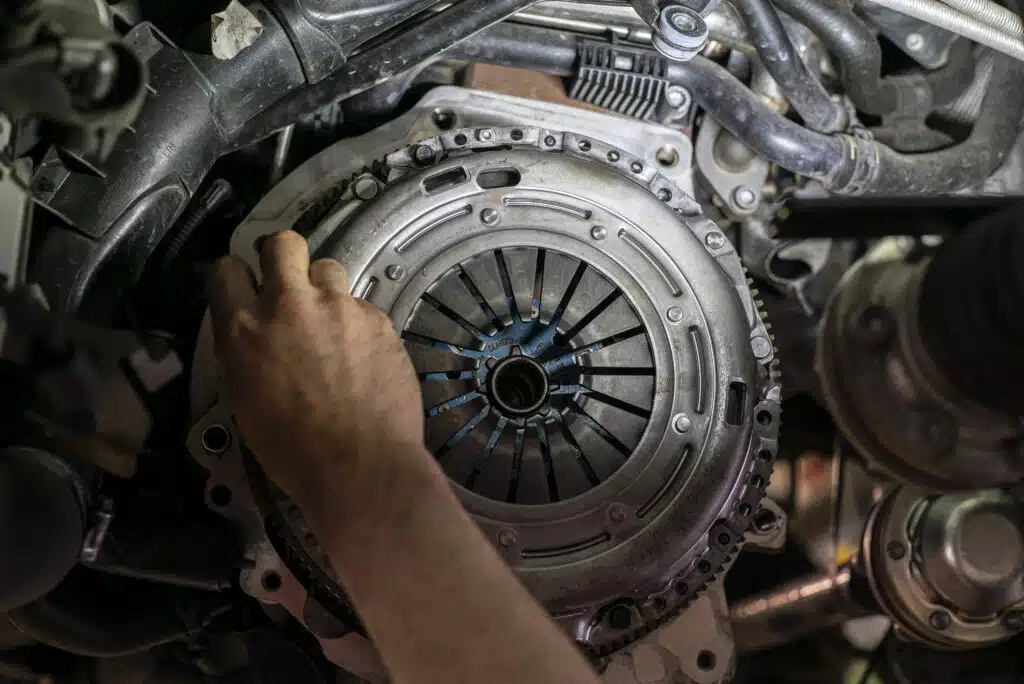
Every car owner with a manual transmission faces a crucial question about the use of the clutch in car systems. This mechanical component serves as the vital link between your engine's power and the wheels that move your vehicle forward. Yet many drivers struggle with understanding what a car clutch is and how to operate it correctly.
Understanding the purpose of the clutch in car systems becomes essential for millions of Indian drivers who rely on manual transmissions for daily transportation. This guide will help you master clutch operation, maintenance, and troubleshooting for safer, more efficient driving.
What Is a Car Clutch?
The clutch acts as a mechanical bridge between your car's engine and transmission system, allowing you to control power flow and change gears smoothly. This component enables you to start moving from a standstill, shift gears during driving, and stop without stalling the engine.
Definition and Role in the Vehicle
What is a car clutch in simple terms? A clutch is a mechanical device that connects and disconnects your engine from the transmission system. When you press the clutch pedal, you break this connection, allowing the engine to run independently of the wheels. When you release the pedal, the connection re-establishes, transferring engine power to move your vehicle.
The clutch system performs several critical functions in your vehicle:
- Power Control: Manages how engine power reaches the wheels
- Smooth Starting: Allows gradual power application from standstill
- Gear Changes: Enables shifting between different gear ratios
- Engine Protection: Prevents stalling during stops and starts
Clutch Types Commonly Used in Cars
Here's a breakdown of the most common types:
|
|
|
|
|---|---|---|
| Single Plate Clutch | Most common design with one friction plate | Standard manual cars, economy vehicles |
| Multi-Plate Clutch | Every 40,000 km | Chemical cleaning service |
| Mixed conditions | Every 35,000 km | On‑car cleaning treatment |
| Severe conditions | Every 25,000 km | Complete injector service |
How Does a Car Clutch Work?
The clutch operates on friction principles, using pressure plates and friction materials to engage or disengage power transmission. When engaged, friction between components transfers engine torque to the transmission. When disengaged, this friction disappears, breaking the power connection.
Basic Mechanics: Engagement and Disengagement
Understanding clutch mechanics helps you operate it more effectively. The system relies on three main components working together: the flywheel (attached to the engine), the clutch disc (friction material), and the pressure plate (which applies clamping force).
Engagement Process:
- Clutch pedal released
- Pressure plate pushes clutch disc against flywheel
- Friction transfers engine power to the transmission
- The vehicle moves forward
Disengagement Process:
- Clutch pedal pressed
- The pressure plate moves away from the clutch disc
- Power transmission stops
- Gears can be changed safely
Step-by-Step Clutch Operation Process
The best way to use a clutch in car systems follows a specific sequence that protects components and ensures smooth operation:
- Starting Position: Clutch fully pressed, gear in neutral. Keep your foot off the accelerator.
- Engagement: Slowly release the clutch pedal to find the bite point (where you feel the car start to move). Gently press the accelerator to build light engine speed.
- Power Transfer: Continue smoothly releasing the clutch while gradually increasing accelerator input to match engine power with wheel movement—avoid jerky motions.
- Full Engagement: Clutch pedal completely released for normal driving. Accelerate as needed for speed.
- Gear Changes: Press the clutch fully to disengage, shift the gear, then release smoothly while adding accelerator to match revs.
- Stopping: Press the clutch fully when engine speed drops too low (around 1,000 RPM) to prevent stalling; brake as required.
Key Components of a Car Clutch
A complete clutch system includes several interconnected components that work together for smooth operation:
Primary Components:
- Clutch Pedal: Driver-operated control mechanism
- Flywheel: Engine-mounted rotating disc
- Clutch Disc: Friction material between the flywheel and pressure plate
- Pressure Plate: Applies clamping force to clutch disc
- Release Bearing: Moves the pressure plate during disengagement
- Clutch Fork: Mechanical linkage system
Supporting Systems:
- Hydraulic System: Fluid-based operation in modern cars
- Cable System: Mechanical linkage in older vehicles
- Springs: Maintain proper pressure and return mechanisms
When and How to Use the Clutch in a Manual Car
The clutch should be used specifically for gear changes, starting, and stopping, not for speed control or as a footrest. Proper usage prevents premature wear and ensures smooth vehicle operation.
Situations to Use the Clutch
You need to operate the clutch in specific driving situations. Here are the essential times when clutch use becomes necessary:
Essential Clutch Usage Scenarios:
- Engine Starting: Clutch pressed while starting the engine
- Moving from Standstill: Gradual engagement to start moving
- Gear Changes: Full disengagement during shifts
- Complete Stops: Prevent engine stalling at low speeds
- Hill Starts: Controlled engagement on inclines
- Parking: Final disengagement when parking
Traffic Situations:
- Heavy traffic with frequent stops
- Slow‑speed manoeuvring in tight spaces
- Reversing operations
- Emergency stops
Starting, Stopping, and Gear Shifting
Mastering these fundamental operations ensures safe driving and prevents clutch damage. Each operation requires specific techniques for optimal results.
Starting Technique:
- Press the clutch pedal completely
- Engage first gear
- Apply slight accelerator pressure
- Slowly release the clutch to the bite point
- Feel engine speed drop slightly
- Continue releasing the clutch smoothly
- Coordinate accelerator and clutch release
Stopping Procedure:
- Gradual downshifting through gears
- Clutch pressed at walking speeds
- Shift to neutral for complete stops
- Engine brake using lower gears when appropriate
Gear Shifting Method:
- Press the clutch pedal fully
- Move the gear lever to the desired position
- Release the clutch smoothly and completely
- No partial clutch engagement during normal driving
Common Mistakes and How to Avoid Them
Many drivers develop harmful habits that reduce clutch life and affect driving smoothness. Avoiding these mistakes can extend your clutch's lifespan significantly.
Critical Mistakes to Avoid:
|
|
|
|
|---|---|---|
| Riding the Clutch | Premature wear, overheating | Full engagement or disengagement only |
| Using it as a footrest | Constant pressure, wear | Rest your foot beside the pedal |
| Half‑Clutch in Traffic | Excessive wear, heat buildup | Use neutral and handbrake |
| Harsh Engagement | Transmission damage, jerky driving | Smooth, controlled release |
| Holding on Hills | Clutch overheating, wear | Use the handbrake technique |
Functions and Importance of a Car Clutch
The purpose of the clutch in car systems extends beyond simple power transmission, encompassing vehicle safety, component protection, and driver control. Understanding these functions helps appreciate the clutch's critical role in vehicle operation.
Power Transmission and Control
The clutch serves as a variable connection between the engine and transmission, allowing drivers to control power delivery precisely. This control enables smooth acceleration, deceleration, and precise vehicle positioning.
Power Control Benefits:
- Variable Torque Transfer: Adjust power delivery based on driving needs
- Smooth Acceleration: Gradual power application prevents wheel spin
- Precise Control: Fine‑tuned vehicle movement in tight spaces
- Load Management: Distribute engine power effectively across wheels
Gear Shifting Without Damage
Proper clutch operation protects expensive transmission components by synchronising speeds during gear changes. Without this synchronisation, gear teeth would clash, causing significant damage.
Protection Mechanisms:
- Speed Matching: Equalises engine and transmission speeds
- Shock Absorption: Reduces impact during engagement
- Component Isolation: Separates the engine from the transmission during shifts
- Wear Prevention: Prevents gear grinding and damage
Engine Protection and Safety
The clutch provides crucial safety functions that protect both the engine and occupants during various driving situations.
Safety Functions:
- Stall Prevention: Disconnects the engine when the vehicle stops
- Emergency Disconnection: Quick power cutoff during emergencies
- Vibration Dampening: Reduces engine vibrations transmitted to drivetrain
- Overload Protection: Prevents engine damage during shock loads
Engine Protection:
- Prevents damage from sudden stops
- Reduces stress on engine components
- Allows the engine to run independently of wheel speed
- Protects against reverse rotation forces
Maintenance and Care Tips for Your Car Clutch
Proper clutch maintenance can extend its lifespan from the typical range to maximum performance boundaries. Regular care and correct driving habits make the difference between frequent replacements and long-term reliability.
Avoid Riding the Clutch
Riding the clutch means keeping partial pressure on the pedal, causing continuous slippage and premature wear. This harmful practice significantly reduces clutch life and creates unnecessary heat buildup.
Why Riding Damages Clutch
- Continuous friction generates excessive heat
- Partial engagement causes constant wear
- Pressure plate springs weaken over time
- Friction material deteriorates rapidly
Alternatives for Traffic Situations:
- Use neutral gear during long stops
- Apply the handbrake instead of clutch control
- Maintain proper following distance
- Plan stops to avoid constant clutch use
Proper Clutch Pedal Usage
Correct pedal technique protects clutch components and ensures smooth operation. The best way to use a clutch in car systems involves full engagement or disengagement, never partial positions.
Correct Pedal Technique:
- Rest Position: Foot beside pedal, not on it
- Full Depression: Press the pedal completely for gear changes
- Smooth Release: Gradual, controlled pedal release
- Complete Engagement: Allow full clutch engagement during driving
- Quick Operation: Minimise time spent in partial engagement
Traffic Light Protocol:
- Stops under 10 seconds: Keep clutch pressed
- Longer stops: Shift to neutral, release clutch
- Use the handbrake on inclines
- Avoid clutch control for speed management
Driving Habits That Extend Clutch Life
Developing good driving habits can more than double your clutch's lifespan. These practices reduce wear and prevent costly premature replacement.
Beneficial Driving Habits:
|
|
|
|
|---|---|---|
| Smooth Acceleration | Reduces clutch stress | Gradual throttle application |
| Proper Hill Technique | Prevents overheating | Use handbrake, quick engagement |
| Gentle Gear Changes | Minimises shock loading | Smooth pedal operation |
| Speed Planning | Reduces frequent stops | Anticipate traffic conditions |
| Regular Maintenance | Early problem detection | Follow service schedules |
Signs of Clutch Wear and When to Get It Checked
Recognising clutch wear symptoms early prevents complete failure and reduces repair costs. Regular monitoring helps maintain vehicle reliability and safety.
Warning Signs Checklist:
Performance Issues:
- Clutch slipping during acceleration
- Higher engagement point than normal
- Difficulty shifting gears smoothly
- Engine revs without speed increase
Physical Symptoms:
- Burning smell from the clutch area
- Vibrations through the clutch pedal
- Unusual noises during operation
- Spongy or hard pedal feel
When to Seek Professional Help:
- Any slipping symptoms appear
- The pedal feel changes significantly
- Burning odours during driving
- Difficulty engaging gears
- Unusual noises from the clutch area
Lifespan of a Clutch and Factors Affecting It
Clutch longevity varies dramatically based on driving conditions, maintenance practices, and usage patterns. Understanding these factors helps maximise your clutch's service life and plan for replacement costs.
Typical Clutch Lifespan Range
In Indian driving conditions, clutch lifespan typically ranges from 80,000 to 100,000 kilometres, with significant variation based on usage patterns and maintenance quality.
Lifespan Factors:
|
|
|
|
|---|---|---|
| Highway Driving | 80,000–100,000 km | Minimal clutch use, consistent speeds |
| City Traffic | 30,000–40,000 km | Frequent stops, traffic congestion |
| Mixed Conditions | 60,000–80,000 km | A combination of city and highway |
Disclaimer: Lifespan estimates are indicative and subject to driving habits and maintenance practices.
Driving and Maintenance Impact
Your driving style directly affects clutch longevity.
High-Impact Driving Behaviours:
- Frequent driving reduces lifespan by 30–40%
- Hill station driving creates additional stress
- Towing or heavy loads accelerate wear
- Racing or performance driving significantly reduces life expectancy
Maintenance Impact:
- Regular fluid changes (hydraulic systems)
- Proper adjustment prevents premature wear
- Early problem detection saves major repairs
- Quality replacement parts ensure longevity
How to Maximise Clutch Longevity
Implementing proper techniques and maintenance practices can extend clutch life to the upper range of expectations, saving significant replacement costs.
Longevity Strategies:
Driving Techniques:
- Smooth, gradual clutch engagement
- Minimal use in stop‑and‑go traffic
- Proper hill‑driving technique
- Avoid using the clutch for speed control
Maintenance Practices:
- Regular clutch fluid inspection (hydraulic systems)
- Professional adjustment when needed
- Quality replacement parts during service
- Early attention to warning signs
Your Road to Smart Car Insurance
Understanding clutch systems and their maintenance is key to responsible vehicle ownership, but protecting your investment goes further with comprehensive car insurance tailored for Indian roads. Royal Sundaram Car Insurance stands out with insurance solutions, trusted by over 4 crore customers and 8,000+ cashless garages nationwide, offering reliable coverage against accidents, theft, natural disasters, and more.
This includes cashless repairs at authorised centres for accident-related damage, 24/7 emergency support, affordable premiums, and add-ons like zero depreciation and engine protection. While routine wear-and-tear issues like clutch repairs require regular maintenance, proper car insurance ensures you're prepared for unexpected accidental expenses.
Frequently Asked Questions
Use the clutch pedal when starting the engine, changing gears, coming to complete stops, and during low-speed manoeuvring. The best way to use a clutch in car systems is for gear operations only, never for speed control or as a footrest.
The clutch acts as a mechanical switch that connects or disconnects your engine from the transmission. When you press the pedal, it breaks this connection, allowing gear changes. When released, it re-establishes the connection to transfer engine power to the wheels.
Key warning signs include clutch slipping during acceleration, a higher engagement point, difficulty shifting gears, burning smells, and unusual vibrations. Any of these symptoms requires immediate professional inspection to prevent complete failure.
No, manual transmission cars require proper clutch operation for safe driving. Attempting to drive without using the clutch properly can cause severe transmission damage, gear grinding, and potentially dangerous situations on the road.
In Indian conditions, clutches typically last 40,000-100,000 kilometres depending on driving habits and maintenance. Highway driving extends life, while city traffic reduces it significantly due to frequent stops and starts.
Avoid riding the clutch, use proper pedal technique, employ the handbrake on hills instead of clutch control, shift to neutral during long stops, and maintain smooth driving habits. Regular maintenance and early attention to problems also extend clutch life.
The main components include the clutch pedal, flywheel, clutch disc with friction material, pressure plate, release bearing, and clutch fork. Modern systems may also include hydraulic components like master and slave cylinders for smoother operation.


Discover the perfect insurance plan for you!
Get your free quote now!
Get StartedBy Clicking on Get Started, You agree to our Terms and Conditions and override DNC/NDNC registration.
More like this
View more

.png)