
You have been Successfully Subscribed to Newsletter


What Is Boot Space in a Car? A Complete Guide to Storage Capacity
Apr 21, 2026 • 10 Min Read
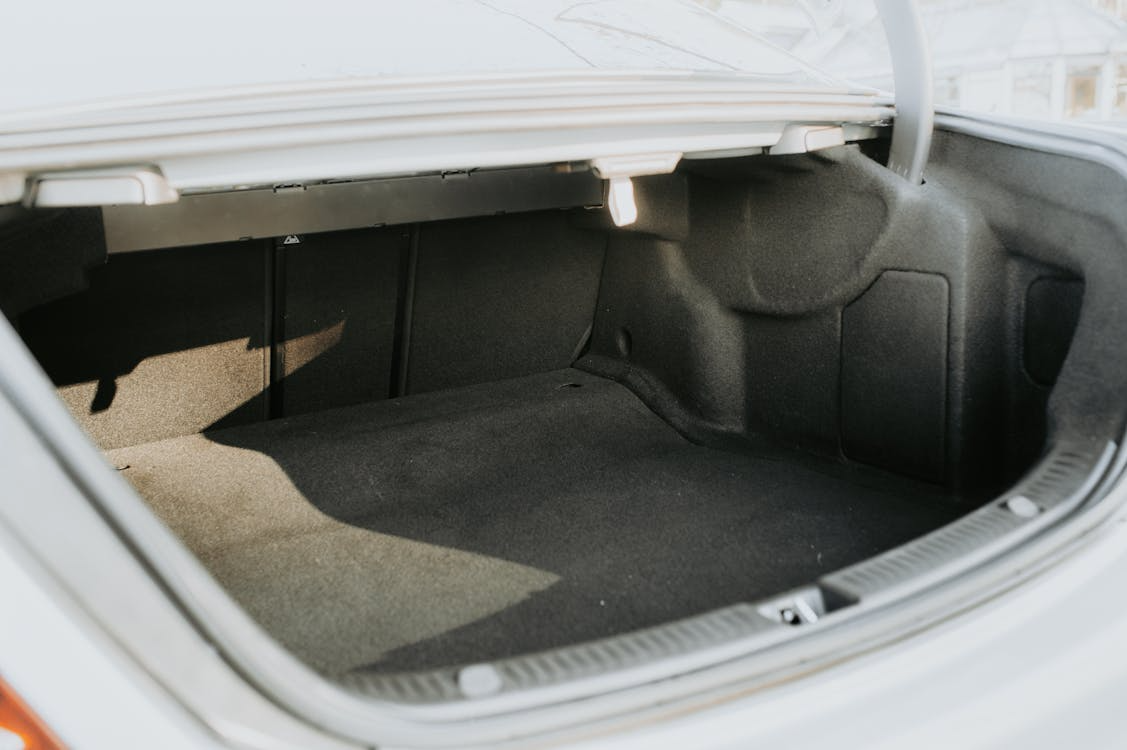
Every family weekend trip starts with the same puzzle: fitting everyone's luggage into the car without compromising passenger comfort. The storage area at your vehicle's rear determines whether you embark on stress-free journeys or struggle with cramped spaces and scattered belongings.
Understanding what boot space in a car is becomes crucial when choosing your next vehicle or planning family trips. This guide explores everything about car boot space, from measurement methods to maximising your vehicle's cargo capacity.
What Is Boot Space in a Car?
Boot space refers to the rear storage compartment, designed for carrying luggage, groceries, and various cargo items. This essential feature varies significantly across vehicle types and directly impacts your driving experience and practical utility.
Definition and Common Terms (Boot, Trunk, Dickie)
The storage area at the rear of your car goes by different names depending on your location. In British English, it's called a "boot" while Americans refer to it as a "trunk". Indian drivers commonly use "dickie" or "dickey", a term derived from the British word for a rumble seat. These regional differences stem from historical automotive development. Today, regardless of terminology, this space serves the same fundamental purpose: providing secure, weatherproof storage for your belongings.
Importance of Boot Space for Different Users
Indian families, known for travelling together with substantial luggage, especially during holidays or family visits, require a generous storage capacity. On the other hand, business professionals need space for laptops, documents, and presentation materials, while outdoor enthusiasts require room for sports equipment and camping gear.
Why Is Boot Space Important?
Boot space significantly affects your vehicle's versatility and your overall satisfaction with daily driving and special occasions. Adequate storage capacity eliminates the need for roof carriers, reduces interior clutter, and ensures passenger comfort during journeys.
Travel and Road Trips
Weekend getaways and extended vacations require substantial luggage space for clothing, toiletries, and travel essentials. Road trips involving camping or outdoor activities demand additional room for gear like tents, cooking equipment, and sporting accessories. Without adequate boot space, you're forced to compromise on essentials or invest in external storage solutions.
Grocery Shopping Convenience
Most Indian families shop for groceries weekly or every ten days, often purchasing bulk quantities to last several days. Spacious boot areas accommodate large shopping bags, ensuring organised loading and easy unloading at home. This convenience becomes particularly valuable when shopping for extended family gatherings or festival preparations.
Family Needs and Daily Usage
Families with children require boot space for strollers, school bags, sports equipment, and various daily essentials. Parents often find themselves transporting everything from birthday party supplies to emergency medical kits, making generous storage capacity invaluable.
Carrying Sporting and Emergency Equipment
Sport enthusiasts need space for kit bags, while cyclists require room for bicycles up to certain sizes. Many vehicles accommodate emergency supplies like toolkits, spare parts, jumper cables, and first aid equipment in the boot area.
Almost all cars store essential emergency equipment, including spare tyres, jacks, and basic tools, in designated boot compartments, making this space crucial for vehicle maintenance and roadside assistance.
Moving and Transport Benefits
Occasionally, you'll need to transport large or numerous items without hiring additional vehicles. Spacious boot areas save money and hassle when moving apartments with limited belongings or transporting purchases from furniture stores and electronics retailers.
How Is Boot Space Measured?
Boot space measurement involves standardised methods that account for irregular shapes and varying internal configurations. Understanding these measurement techniques helps you make informed comparisons between different vehicles and assess practical storage capacity.
Measurement Units: Litres and Cubic Feet
Manufacturers measure boot space in litres because car storage areas feature irregular shapes with curves and hard corners, making volume calculation more practical than linear dimensions. In Europe and India, litres serve as the standard unit, while some manufacturers also provide cubic feet measurements for international markets.
Measurement Methods Overview
Three primary methods exist for measuring boot volume: VDA (Vehicle Design Area), SAE (Society of Automotive Engineers), and Maximum Load Volume. Each method calculates usable space differently, leading to varying capacity figures for the same vehicle.
Understanding which measurement method manufacturers use becomes essential for making accurate comparisons between different car models and brands.
Vehicle Design Area (VDA) Method
The VDA method, developed by the German Association of the Automotive Industry and later adopted by ISO standards, uses standardised blocks measuring 200mm x 100mm x 50mm. Engineers fill the boot space with these one-litre blocks, and the total number of blocks that fit determines the VDA rating.
Society of Automotive Engineers (SAE) Method
The SAE method, used primarily by American manufacturers for over 40 years, employs boxes representing different luggage sizes from 67-litre suitcases to 5.6-litre shoeboxes. This approach includes golf bag equivalents and uses smaller objects that fill nooks and crannies.
SAE measurements typically result in larger capacity figures than VDA because smaller objects can fit into spaces where standard luggage wouldn't practically go. However, car owners might not utilise all the space calculated by the SAE method in real-world scenarios.
Maximum Load Volume Method
This method represents the simplest measurement approach, calculating maximum available space regardless of shape or accessibility factors. Engineers treat the cargo area as sealed and measure total volume as if filled with water, including non-practical gaps and crevices.
Practical Usability Differences Between Methods
Real-world examples demonstrate significant measurement variations. For instance, the Kia K4 sedan quotes both VDA (502L) and SAE (413L) measurements, showing how different methods produce different results for identical vehicles.
VDA measurements better replicate typical luggage use by placing blocks in available space, while SAE represents maximum volume calculations. When moving house, people can exceed VDA measures by cramming items into every available space, but normal travel usage aligns more closely with VDA figures.
How to Measure Boot Space Yourself
You can determine your vehicle's actual storage capacity using simple measurement techniques and practical assessment methods.
Method 1: Calculating Using Dimensions (Length x Width x Height)
Measure the length from the back of the rear seats to the boot's edge, width at the widest interior point, and height from the floor to the highest accessible point. Multiply these three dimensions to calculate the approximate volume in cubic centimetres, then convert to litres by dividing by 1,000.
Method 2: Estimating by Loading Luggage
Load your regular travel luggage into the boot and assess how easily items fit and how efficiently space gets utilised. This practical approach provides real-world insights into your vehicle's storage capabilities for typical usage scenarios.
Method 3: Using Cargo Space Calculators or Tools
Specialised boot space calculators help determine ideal cargo capacity for specific trip types or vehicle purchases. These digital tools estimate storage requirements for various makes and models based on user inputs and manufacturer specifications.
Considerations for Rear Seat Folding and Expandable Spaces
Many vehicles offer flexible seating configurations with split-folding rear seats that expand trunk capacity significantly. Different configurations like 60/40 or 40/20/40 splits provide varying expansion options depending on passenger and cargo requirements.
Manufacturers often quote multiple capacity figures: volume up to rear seat tops, volume with seats folded, and maximum cargo capacity when loaded to the roof. Understanding these variations helps you assess your vehicle's total storage potential.
Tips and Tricks to Maximise Your Car's Boot Space
Smart storage strategies can significantly increase your vehicle's practical cargo capacity without requiring larger vehicles or external accessories. These techniques help you utilise every available cubic centimetre efficiently.
Using Storage Accessories and Organisers
Storage organisers, cargo nets, and compartmentalised bins help utilise smaller spaces effectively while keeping belongings tidy and preventing shifting during travel. These accessories make it easier to locate specific items and maximise space utilisation in hard-to-reach corners.
Packing with Soft Luggage vs Hard Suitcases
Soft luggage like duffle bags, backpacks, and leather-bound suitcases adapts better to irregular boot shapes than rigid plastic or metal trolleys. Flexible bags can squeeze into spaces where hard suitcases won't fit, maximising your vehicle's storage potential.
Folding Rear Seats and Flexible Seating Configurations
When your vehicle isn't carrying maximum passengers, fold down rear seats to create additional cargo space for larger items. This temporary expansion proves invaluable for transporting sports equipment, tall furniture pieces, or multiple large bags.
Utilising Underfloor and Side Storage Compartments
Many vehicles provide hidden storage beneath the boot floor for items you won't need immediate access to during travel. These compartments work well for emergency equipment, tools, or valuable items you want to keep secure and out of sight. Side compartments and hidden storage areas optimise cargo capacity by utilising spaces that might otherwise remain empty, providing organised storage for smaller items.
Strategic Loading: Weight Distribution and Space Optimisation
Pack like solving a jigsaw puzzle: place heavier items at the bottom with lighter items on top to utilise boot space effectively while maintaining proper weight distribution. Ensure all items remain secure and won't shift during vehicle movement.
Considering Additional Roof Storage Options
If you regularly transport bulky items like bicycles, kayaks, or extensive luggage, consider installing roof racks or roof cargo boxes. These external storage solutions free up boot space for other cargo while carrying large items that wouldn't fit inside the vehicle.
Factors to Consider About Boot Space When Buying a Car
Beyond raw capacity numbers, several practical factors determine how effectively you can utilise your vehicle's storage space. Consider these elements when evaluating potential purchases to ensure your chosen vehicle meets your actual storage requirements.
Surface Material and Durability for Cargo
Boot flooring varies from rubber to carpeted surfaces, each suited for different cargo types. Delicate items benefit from carpeted floors and soft sides, while heavy tools or sharp objects require sturdier surfaces that resist damage and wear.
Tailgate Design and Angle of Opening
Tailgate closing angles significantly impact the size of objects you can load, particularly in hatchbacks, where steep angles limit tall item accommodation. Some vehicles feature split-opening designs that look appealing but can prove bothersome during inclement weather or on inclined surfaces.
Lighting Inside the Boot Space
Adequate lighting becomes essential for loading and unloading, especially during nighttime or in covered parking areas. Look for vehicles with lights on the sides or ceiling that automatically activate when opening the tailgate.
Boot Access and Loading Height
Loading lip height significantly affects ease of use, particularly when handling heavy items. High loading floors can make it difficult to lift heavy objects, potentially causing items to slip and damage the boot space or your belongings.
Shape and Usable Volume Versus Just Capacity Numbers
Shape and configuration matter more than raw capacity numbers. Deep, wide boots prove more practical than narrow, shallow ones, even with identical litre ratings. Wide, flat floors with minimal wheel arch intrusions often provide better usability than deeper, narrower spaces with awkward shapes.
Boot Features
Power tailgates open and close automatically using electric motors, operating through key fob buttons, interior controls, foot sensors, or trunk-mounted switches. These features prove particularly valuable when your hands are full with shopping or luggage.
Hands-free access systems detect foot gestures beneath the rear bumper, automatically opening the tailgate when you approach with the key fob. Consider whether these convenience features justify their additional cost for your usage patterns.
Cars with the Largest Boot Space in India
The Indian automotive market offers various vehicles with generous storage capacity to meet diverse family and commercial requirements. Understanding capacity differences and practical features helps you choose vehicles that match your specific needs.
Top SUVs With Spacious Boot
The following table shows leading SUVs and their boot space capacities:
|
|
|
|
|---|---|---|
| MG Hector | 30% | Largest capacity, premium features |
| Hyundai Creta | 30% | Balanced space and efficiency |
| Kia Seltos | 30% | Similar to the Creta twin design |
| Tata Harrier | 30% | Expandable to 810L with folded seats |
| Renault Kiger | 30% | Adequate for weekend trips |
Disclaimer: The specifications are indicative. Please verify with the manufacturer/dealer.
Comparison of Boot Space Capacities in Litres
Korean twins Creta and Seltos share nearly identical 433-litre capacities with similar parcel tray designs and boot shapes. The Honda Elevate offers 458 litres, while the Maruti Suzuki Grand Vitara and Toyota Urban Cruiser Hyryder provide 373 litres for petrol variants.
The Kia Seltos specifically offers 447 litres according to updated specifications, providing ample room for luggage and maintaining its position as a strong contender in the compact SUV segment.
Notable Features Contributing to Boot Utility
Beyond raw capacity, several features enhance practical utility. The Tata Harrier's 425-litre space expands to 810 litres with folded rear seats, while the Kia Carens offers flexible seating with 216 litres with all seats up, over 645 litres with the third row folded, and up to 1,164 litres with the second row down.
Common Myths and Facts About Boot Space
Boot space is an important factor for many car buyers, especially for families, travellers, and those who regularly carry luggage or cargo. However, several misconceptions exist about how boot space is measured and how it affects vehicle practicality and performance.
|
|
|
|---|---|
| "More boot space significantly affects car performance by requiring bigger engines and reducing fuel efficiency" | Generally, a larger boot space has minimal impact on performance, but frequently carrying heavy loads can affect fuel efficiency, handling, and braking. |
| "Boot space numbers are directly comparable across all manufacturers" | Different measurement methods (VDA, SAE, Maximum Load Volume) can produce varying results, making direct comparisons difficult without knowing the measurement standard used. |
| "Higher litre ratings always mean more practical space" | Boot shape and configuration matter. Deep and wide boots are often more practical than narrow or shallow ones, even if the stated capacity is the same. |
Your Smart Car Protection Journey
Understanding what is boot space in a car helps you choose vehicles that meet your storage needs and lifestyle requirements. From measurement methods to maximisation techniques, proper boot space planning ensures comfortable, stress-free journeys for you and your family.
As more families invest in vehicles, protecting these valuable assets becomes crucial. Royal Sundaram General Insurance provides comprehensive Car insurance solutions designed to protect your vehicle investment. With coverage for theft, accidents, natural disasters, and even baggage loss stored in your vehicle, our policies ensure complete peace of mind.
Frequently Asked Questions
Boot space refers to the rear storage compartment of a car used for carrying luggage and cargo. It is commonly called a "trunk" (American English) or a "dickie" (Indian usage).
Boot space ensures comfort and convenience by keeping luggage separate from passengers. Families, travellers, shoppers, and hobbyists benefit from adequate cargo capacity. It reduces cabin clutter, improves safety, and allows easier long-distance travel with suitcases, strollers, sports gear, or shopping bags.
Boot space is measured in litres or cubic feet, representing volume. Methods include VDA (using standardised blocks), SAE standards, and Maximum Load Volume (roof-level measurement). VDA offers realistic everyday capacity, while maximum load figures show the largest possible space with seats folded.
Measure the boot’s length, width, and height using a measuring tape, then multiply to estimate the cubic volume. Convert cubic centimetres to litres. Alternatively, load standard suitcases or boxes to gauge practicality. Online cargo volume calculators can also help estimate approximate usable storage space.
Shape, wheel arch intrusions, loading lip height, tailgate opening size, and seat-folding design affect practicality. Flat floors, low loading height, and wide openings improve usability.
In India, SUVs like the Toyota Fortuner, Mahindra XUV700, and Tata Safari offer large boot capacities (around 400–600 litres depending on seating configuration). Among sedans, the Honda City provides about 500+ litres of storage space.
Sometimes, yes, folding rear seats (60:40 split), adjustable seating layouts, and under-floor storage increase capacity. Roof carriers and roof boxes add external cargo space. Removable parcel trays and organisers also help maximise available storage for long trips or bulky items.
Litres measure volume, making it easier to represent irregular storage shapes compared to simple length measurements. Using standardised blocks or volume calculations ensures consistent comparison between vehicles, helping buyers understand real-world cargo capacity more accurately.
Check overall capacity, shape, flat loading floor, low loading lip, wide tailgate access, and seat-folding flexibility. Features like boot lighting, durable lining, cargo hooks, adjustable floors, and power tailgates improve practicality and convenience for daily and long-distance use.


Discover the perfect insurance plan for you!
Get your free quote now!
Get StartedBy Clicking on Get Started, You agree to our Terms and Conditions and override DNC/NDNC registration.
More like this
View more


.png)