
You have been Successfully Subscribed to Newsletter


What is a Hybrid Car? Types, Benefits, and How They Work
March 19, 2026 • 10 Min Read
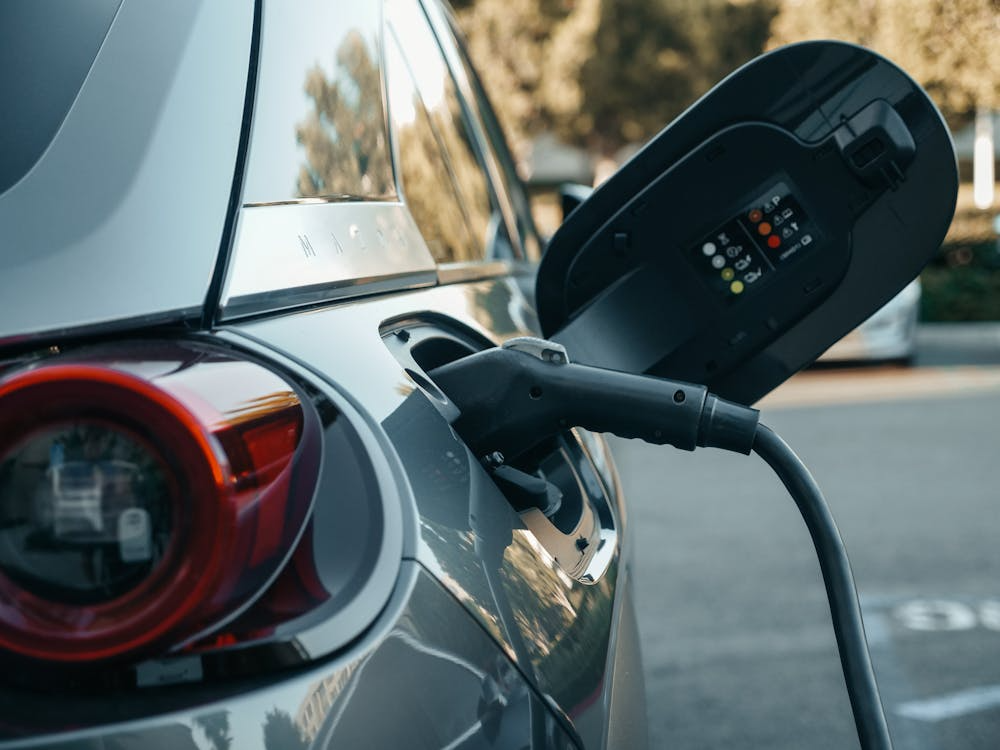
Rising fuel costs and environmental concerns have pushed Indian car buyers towards smarter alternatives. Hybrid vehicles offer a practical solution, combining traditional engines with electric power to cut fuel bills significantly. If you are wondering, "What is a hybrid car?" this guide explains how hybrids work, their advantages, and what models suit Indian roads.
What Is A Hybrid Car?
A hybrid car combines two power sources to create a more efficient driving experience. This dual-engine approach allows vehicles to optimise fuel consumption based on driving conditions, making them ideal for stop-and-go city traffic common across Indian roads.
Definition and Basic Concept
What is a hybrid car? In simple terms, it is a vehicle that uses both an internal combustion engine and an electric motor powered by a battery pack. These vehicles smartly switch between power sources or use both simultaneously, depending on your driving needs. The system automatically decides whether to use the petrol engine, electric motor, or both for maximum efficiency.
Types of Hybrid Cars
Understanding the types of hybrid cars helps you choose the right option for your needs. Here are the main categories available:
|
|
|
|
|---|---|---|
| Mild Hybrid (MHEV) | Electric motor assists the engine but cannot power the car alone | Most affordable hybrid option |
| Full Hybrid (FHEV) | Can run on electric power alone, engine alone, or both combined | Most common type in India |
| Plug-in Hybrid (PHEV) | Rechargeable via an external power source; offers limited pure EV driving | Typically provides 40–60 km electric-only range |
| Series Hybrid | Engine works only as a generator; electric motor powers the wheels | More efficient in city driving |
| Parallel Hybrid | Both engine and motor can directly power the wheels using planetary gears | Better balance of efficiency and performance |
How Hybrid Cars Work
Hybrid cars operate through sophisticated coordination between multiple components. The system constantly monitors driving conditions and automatically selects the most efficient power source for optimal performance and fuel economy.
Internal Combustion Engine and Electric Motor Collaboration
The heart of hybrid technology lies in seamless power management. Your hybrid car's computer system decides when to use each power source based on several factors:
- Low Speeds (under 40 kmph):Electric motor provides silent, emission-free driving
- Highway Speeds:Petrol engine delivers sustained power efficiently
- Acceleration:Both motors work together for maximum power output
- Idle conditions:Engine shuts off completely to save fuel
Battery and Regenerative Braking Explained
Regenerative braking solves the problem of energy waste during stopping. Traditional brakes convert kinetic energy into heat, losing that energy forever. Hybrid cars capture a portion of this kinetic energy and store it in the battery.
When you release the accelerator or press the brake pedal, the electric motor switches roles and becomes a generator. The vehicle's movement produces electricity, which charges the battery for later use. This process extends your driving range and reduces brake pad wear significantly.
Powertrain Configurations and Energy Flow
The Power Control Unit manages energy flow between the engine, motor, and battery for optimal performance. This sophisticated computer ensures:
- Efficient power distribution based on driving conditions
- Battery charging through regenerative braking
- Automatic engine start/stop functionality
- Optimal fuel mixture and timing
Advantages of Hybrid Cars
Hybrid vehicles offer compelling benefits that make them attractive to Indian consumers. These advantages become more pronounced in real-world driving conditions, particularly in congested urban environments.
Improved Fuel Efficiency
Research shows that hybrid cars achieve remarkable fuel savings in Indian conditions.
This superior efficiency stems from India's driving patterns:
- Frequent stop-and-go traffic benefits regenerative braking
- Lower average speeds allow more electric-only driving
- Urban congestion makes the engine start/stop more valuable
Lower Emissions and Environmental Benefits
What are the benefits of a hybrid car in terms of environmental impact? Hybrid vehicles contribute significantly to emission reductions. Self-charging gasoline-electric hybrids can lead to 33% greenhouse gas reductions, making them valuable tools for combating air pollution in Indian cities. Additionally, hybrids contribute to national CO2 reduction goals, directly addressing India's air pollution challenges, particularly in dense urban areas.
Financial Incentives and Resale Value
Several Indian states offer tax incentives on hybrid vehicles, making them more cost-effective in the long-term. Hybrid cars also maintain higher resale values due to:
- Advanced technology appeal
- Growing buyer interest in eco-friendly vehicles
- Lower total cost of ownership
- Reduced maintenance requirements
- Accelerated payback period through fuel savings
Reduced Engine Idling and Brake Wear
Hybrid cars reduce operating costs through:
- Auto Start/Stop:Engine shuts down during idling, restarting when needed
- Extended Brake Life:Regenerative braking reduces friction brake use
- Lower Engine Wear:Electric motor shares the load, reducing engine stress
Disadvantages and Considerations
While hybrid cars offer many benefits, potential buyers should understand their limitations and additional costs before making a purchase decision.
Higher Purchase and Maintenance Costs
Hybrids typically cost ₹2-4 lakhs more than equivalent petrol variants. Moreover, while maintenance costs are often offset by fuel consumption savings and government incentives, the complex systems may require specialised service:
- Need for trained technicians familiar with hybrid systems
- Higher hourly labour rates at specialised garages
- Extended warranties covering hybrid components
Battery Life and Environmental Impact
Battery manufacturing requires rare-earth metals and chemicals, creating environmental concerns. India faces challenges with battery disposal and recycling infrastructure as electric vehicle adoption grows. Most hybrid batteries use lithium-ion technology with lifespans of 6-10 years. Proper recycling becomes crucial as these batteries reach end-of-life status.
Performance and Handling Factors
Some hybrid performance and handling drawbacks include:
- Reduced boot space due to battery placement
- Potentially lower outright performance compared to equivalent petrol models
- Limited service network for hybrid components
- Higher complexity than traditional vehicles
Safety Considerations with High Voltage Systems
Hybrid vehicles operate with high-voltage electrical systems requiring special safety protocols. While generally safe, these systems need trained professionals for maintenance and emergency response procedures.
Common Hybrid Car Models and Market Availability
The Indian hybrid market has grown substantially, with Toyota maintaining a dominant market share and other manufacturers introducing competitive models.
Popular Hybrid Models Globally
Hybrid vehicles have become a global standard for fuel-efficient mobility, with several brands leading the way in technology and sales.
|
|
|
|
|---|---|---|
| Toyota Prius | Compact hatch | Japan, Europe, N. America |
| Toyota Corolla Hybrid | Compact sedan | Global (incl. Europe, APAC) |
| Toyota RAV4 Hybrid | SUV | N. America, Europe |
| Honda CR V Hybrid | SUV | N. America, Europe, Asia |
| Hyundai Ioniq / Elantra H. | Sedan/hatch | Europe, S. Korea, N. America |
| Kia Niro / Sportage Hybrid | Crossover/SUV | Europe, N. America |
Hybrid Cars Available in India
India’s hybrid car market is rapidly expanding, with a mix of compact SUVs, sedans, and premium models offering strong-hybrid technology.
|
|
|
|
|
|---|---|---|---|
| Maruti Grand Vitara Hybrid | Midsize SUV | ~16.6 | 1.5L strong hybrid | s
| Toyota Urban Cruiser Hyryder | Midsize SUV | ~16.5 | 1.5L strong hybrid |
| Honda City e:HEV | Midsize sedan | ~19.5 | 1.5L strong hybrid (e:HEV) |
| Toyota Innova Hycross Hybrid | Muscular SUV | ~25.7 | 2.0L strong hybrid |
| Toyota Camry Hybrid | Premium sedan | ~46.0 | 2.5L strong hybrid |
Note: Prices and specifications are subject to change based on manufacturer updates, location, and ongoing offers. Always verify the latest details with the dealership before making a purchase.
Emerging Technologies and Futuristic Hybrids
The next wave of hybrid vehicles in India will feature advanced strong-hybrid systems and new SUVs, with several launches expected by 2027.
|
|
|
|
|---|---|---|
| Compact Maruti strong hybrids | 2025–2026 | Entry level strong hybrids based on mass models. |
| Additional Honda strong hybrid SUVs | 2026–2027 | Elevate based and new SUVs with e:HEV systems. |
| Hyundai Creta / Kia Seltos hybrids | 2026–2027 | Localised hybrid SUVs to compete with Toyota/Maruti. |
Environmental Impact of Hybrid Cars
Hybrids contribute significantly to reducing transportation-related environmental impact through improved efficiency and reduced emissions.
Fuel Consumption and Emission Reductions
Hybrid vehicles typically consume less fuel and emit less CO2, nitrogen oxides, and particulate matter than traditional cars, especially in urban or stop-and-go driving conditions. Their regenerative braking systems further improve efficiency by capturing and reusing energy that would otherwise be lost.
Battery Production and Recycling Challenges
The production of hybrid batteries—especially lithium-ion types—requires significant energy and resources, contributing to higher manufacturing emissions and environmental impact. Recycling these batteries is complex and requires specialised facilities, and improper disposal can harm the environment.
Raw Material Sourcing and Sustainability
Sourcing raw materials like lithium, cobalt, and rare earth elements for batteries poses sustainability challenges, including ecological damage and social risks in mining regions. Automakers are increasingly focusing on responsible sourcing, recycling, and the use of alternative materials to minimise these impacts.
Hybrid Cars vs. Other Green Vehicles
Understanding how hybrids compare to other eco-friendly vehicles helps you make informed decisions based on your specific needs and circumstances.
PHEVs vs Regular Hybrids
PHEVs offer larger battery packs and external charging capability but require charging infrastructure access. Regular hybrids self-charge through driving and regenerative braking, making them more convenient for most Indian consumers.
Hybrid Cars vs Electric Vehicles
Unlike EVs, hybrids eliminate range anxiety by falling back on petrol engines. You don't need to worry about finding charging stations during long highway drives, making hybrids more practical for the current Indian infrastructure.
Other Alternative Fuel Vehicles
Alternative technologies include CNG, hydrogen fuel cells, and advanced combustion engines. Each offers specific benefits, but hybrids currently provide the best balance of efficiency, convenience, and infrastructure compatibility for Indian conditions.
Protecting Your Hybrid Investment
The answer to the question, "What is a hybrid car?" is clear: it is a smart, efficient alternative that blends petrol power with electric assistance to give you a smoother, more economical drive. Hybrids stand out in India because they work brilliantly in real-world conditions, from heavy traffic to frequent short trips, without depending on a large charging network. As more manufacturers bring advanced strong-hybrid models to the market, these vehicles are becoming an increasingly practical, eco-friendly, and future-focused choice for Indian car buyers looking for long-term value and lower running costs.
Royal Sundaram recognises the unique needs of hybrid vehicle owners and offers specialised insurance designed for vehicles, including hybrids. Our car insurance solutions provide comprehensive protection for your eco-friendly investment. Secure your hybrid car with trusted insurance coverage that matches your vehicle's advanced technology.
FAQs About Fastest Cars in India
A hybrid car combines an internal combustion engine with an electric motor and battery pack, automatically switching between power sources for optimal efficiency. Unlike regular cars that rely solely on petrol or diesel, hybrids can run on electric power alone at low speeds and use both motors during acceleration.
Most hybrid cars self-charge through regenerative braking and the internal combustion engine. The electric motor acts as a generator during braking, capturing a portion of the kinetic energy. Only PHEVs require external charging from power outlets.
The four main types of hybrid cars are MHEVs (motor assists engine), FHEVs (can run on electric alone), PHEVs (external charging capability), and series/parallel configurations (different power delivery methods).
Yes, hybrid cars achieve better fuel efficiency than conventional cars in Indian driving conditions, where regenerative braking and electric motor assistance provide maximum benefits.
Hybrid cars reduce carbon emissions, contributing to cleaner air in urban areas and helping address India's pollution challenges through reduced fuel consumption.
Main limitations include higher purchase costs and complex systems requiring specialised maintenance.
During braking, the electric motor functions as a generator, converting kinetic energy back into electrical energy stored in the battery. This system recovers a portion of the braking energy, increasing overall vehicle efficiency.
Routine maintenance is similar to petrol cars, and hybrids even reduce some wear due to regenerative braking and shared engine load. The main added cost is battery replacement, which can be expensive but is usually needed only after 6–10 years.
Popular options include the Maruti Grand Vitara Hybrid, Toyota Urban Cruiser Hyryder, Honda City e:HEV, Toyota Innova Hycross, and Toyota Camry Hybrid. They offer strong mileage (21–27 km/l) and competitive pricing.
Yes, hybrids are cleaner than petrol cars due to lower fuel use and emissions, especially in city driving. However, battery production and recycling add some environmental impact. So they’re greener but not completely emission-free.


Discover the perfect insurance plan for you!
Get your free quote now!
Get StartedBy Clicking on Get Started, You agree to our Terms and Conditions and override DNC/NDNC registration.
More like this
View more


.png)