
You have been Successfully Subscribed to Newsletter


What is the full form of CNG: Complete Guide to Compressed Natural Gas
May 04, 2026 • 10 Min Read
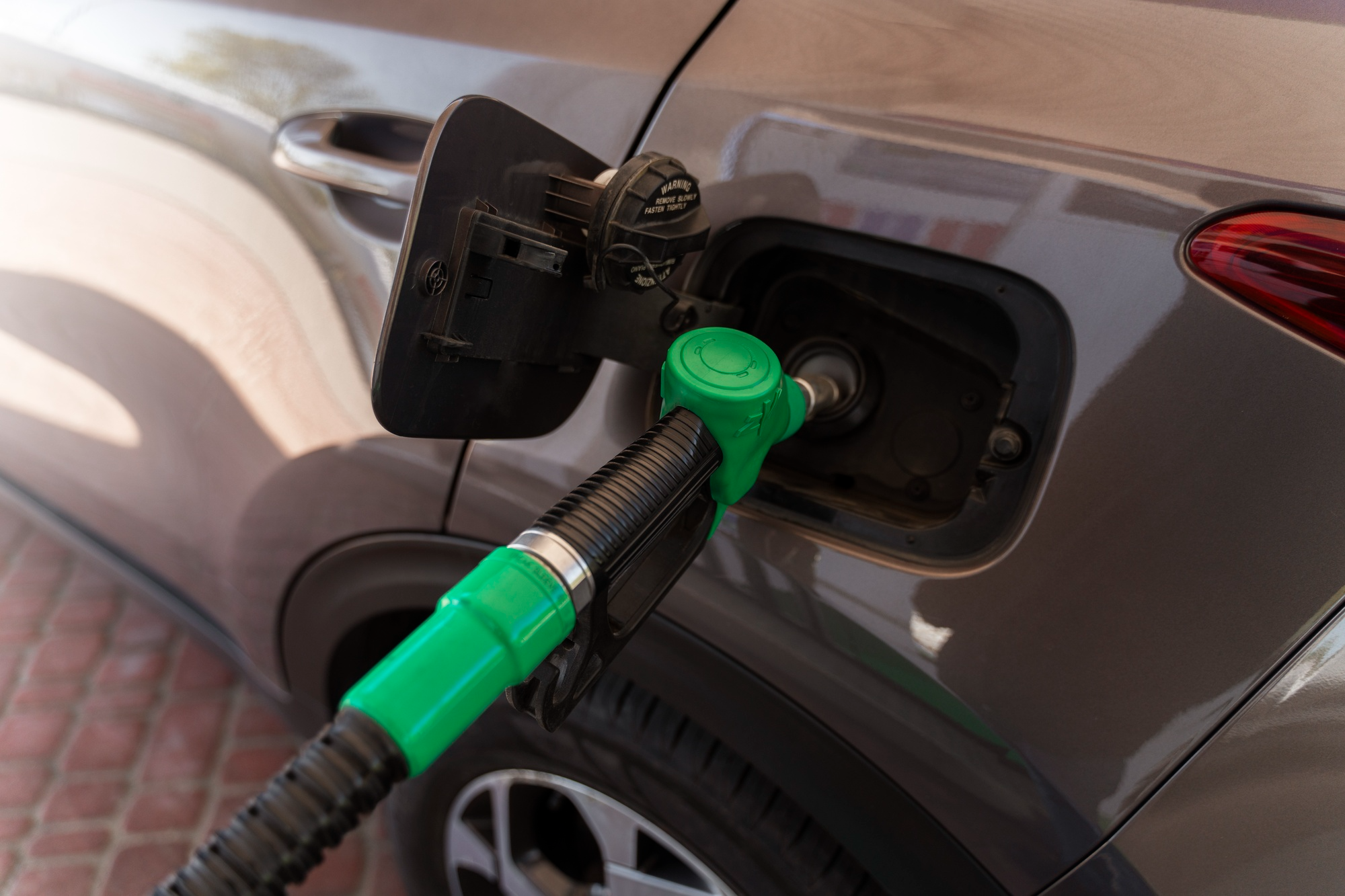
Vehicle owners across India face rising fuel prices and growing environmental worries every single day. As a result, many have started exploring cleaner and more affordable options. Among these alternatives, CNG has quickly become a preferred choice for millions of cost-conscious drivers. Naturally, this leads to an important question that everyone new to this fuel asks: what is CNG, what is the full form of CNG, and why is it becoming so popular?
Understanding the full form of CNG and its practical applications will help you make informed decisions about your vehicle's fuel needs. This guide explores everything from basic composition to real-world benefits and limitations.
What Is The Full Form Of CNG?
CNG full form stands for Compressed Natural Gas - a clean-burning fuel that offers significant advantages over traditional petrol and diesel. This alternative fuel has transformed the automotive landscape by providing an environmentally friendly and cost-effective solution.
Meaning of Compressed Natural Gas
Compressed Natural Gas represents natural gas that has been compressed to less than 1% of its original volume at standard atmospheric pressure. The compression process involves storing the gas at extremely high pressures ranging from 200-250 bar (2,900-3,600 psi).
The compression transforms gaseous methane into a dense fuel suitable for vehicle storage and transportation. This process makes the gas practical for automotive applications by reducing the volume requirements significantly. The high-pressure storage allows vehicles to carry sufficient fuel for reasonable driving ranges.
Composition and Basic Properties
CNG consists primarily of methane (CH4), which comprises approximately 90-95% of its total composition. The remaining 5-10% includes smaller amounts of other hydrocarbons such as ethane, propane, and butane.
Key properties of CNG include:
- Colourless and odourless: Natural state requires no visual identification
- Non-corrosive: Does not damage engine components or fuel systems
- Non-toxic: Safe for human exposure in normal circumstances
- Lighter than air: Disperses quickly if leaked, reducing fire hazards
The high methane content ensures clean combustion with minimal harmful emissions compared to liquid fuels.
How Does CNG Work in Vehicles?
CNG vehicles operate using specialised storage and delivery systems that safely transport compressed gas from tank to engine. The process involves multiple components working together to ensure reliable fuel delivery at appropriate pressures.
Storage and Compression
CNG storage requires robust, high-pressure containers made from steel or composite materials. These cylindrical tanks are typically mounted in the vehicle's boot area or under the chassis, depending on the vehicle design and conversion type.
The storage system includes several critical components:
|
|
|
|
|---|---|---|
| High-pressure cylinder | Stores compressed gas | 200–250 bar |
| Pressure regulator | Reduces pressure for engine use | 2–8 bar |
| Fuel lines | Transport gas to engine | Variable |
| Safety valves | Prevent over-pressurisation | Automatic |
Disclaimer: Specifications may vary by manufacturer and vehicle type.
Engine Operation with CNG
CNG engines function similarly to petrol engines but use compressed gas instead of liquid fuel. The fuel delivery system passes CNG through pressure regulators that reduce the gas pressure to levels compatible with engine requirements.
The combustion process involves:
- Gas injection: CNG enters the intake manifold or combustion chamber
- Air mixing: Gas combines with air for optimal combustion
- Ignition: Spark plugs ignite the air-fuel mixture
- Power generation: Controlled explosion drives the piston
This process produces cleaner combustion with fewer harmful emissions compared to petrol or diesel engines.
Dual Fuel and Bi-fuel Systems
Modern CNG vehicles often feature flexible fuel systems that accommodate multiple fuel types. Bi-fuel systems allow vehicles to run on either CNG or petrol, with separate storage tanks for each fuel type. The engine operates on one fuel at a time, with drivers able to switch between options.
Dual-fuel systems, primarily used in heavy-duty vehicles, combine CNG with diesel fuel. The diesel provides ignition assistance while CNG supplies the primary combustion energy. These systems can achieve 30-40% higher engine efficiency, reducing fuel consumption by approximately 25%.
Benefits of Using CNG as Fuel
CNG car benefits extend beyond simple cost savings to include environmental protection, enhanced safety, and reduced maintenance requirements. These advantages make CNG an attractive option for individual vehicle owners and commercial fleets.
Environmental Advantages
CNG produces significantly fewer harmful emissions compared to conventional fuels. The clean-burning properties result from methane's simpler molecular structure and complete combustion characteristics.
Environmental benefits include:
- 25% less CO2 emissions: Compared to petrol engines covering the same distance
- 90% fewer harmful emissions: Including carbon monoxide and nitrogen oxides
- Zero sulphur content: Eliminates sulphur dioxide emissions entirely
- Reduced particulate matter: Cleaner air quality in urban areas
Cost-effectiveness and Maintenance
CNG offers substantial cost savings for vehicle owners through lower fuel prices and reduced maintenance requirements. CNG provides approximately 40% and 25% savings compared to petrol and diesel respectively.
Financial advantages include:
|
|
|
|
|---|---|---|
| Fuel cost | 40-50% cheaper than petrol | Direct savings |
| Engine life | Extended due to cleaner combustion | Reduced replacement costs |
| Oil changes | Less frequent due to minimal contamination | Lower maintenance |
| Emission compliance | Meets strict environmental standards | Avoids penalties |
Disclaimer: Costs may vary based on location and market conditions.
Safety Features of CNG
CNG demonstrates superior safety characteristics compared to liquid fuels through its physical properties and dispersion behaviour. The gas has a high auto-ignition temperature of 540°C, making accidental ignition less likely than petrol's 280°C ignition point.
Safety advantages include:
- Narrow flammability range: Burns only between 5-15% concentration in air
- Lighter than air: Disperses quickly if leaked, reducing fire risk
- High ignition temperature: Less prone to accidental ignition
- Lower injury rates: Fleet studies show 37% lower injury rates compared to petrol vehicles
Drawbacks and Limitations of CNG
Despite significant advantages, CNG presents certain challenges that potential users should consider before conversion or purchase.
Storage Space Requirements
CNG cylinders occupy considerable space due to the gas storage requirements at high pressure. The tanks typically consume 80-90% of available boot space in passenger vehicles, significantly reducing cargo capacity.
Storage challenges include:
- Large cylinder size: Required for adequate driving range
- Heavy tank weight: Reduces overall vehicle payload capacity
- Fixed installation: Limits flexibility in cargo arrangements
- Multiple cylinders: Some vehicles require additional tanks for extended range
Availability and Infrastructure Challenges
Limited refueling infrastructure remains a significant barrier to CNG adoption, particularly in rural areas. While urban centres have reasonable coverage, long-distance travel requires careful planning to locate refueling stations.
Current infrastructure limitations:
- Urban concentration: Most stations located in major cities
- Rural gaps: Limited availability in smaller towns and villages
- Queue times: Popular stations experience extended waiting periods
- Operational hours: Many stations have restricted operating schedules
India has about 7,000 CNG stations as of May 2024, with ambitious plans to expand this network significantly.
Potential Environmental Concerns
While CNG burns cleanly, methane leakage during extraction, transport, and storage poses environmental challenges. Methane is a potent greenhouse gas with over 100 times the warming potential of carbon dioxide over short time periods.
Environmental considerations include:
- Methane emissions: Leaks during production and distribution
- Lifecycle impact: Total environmental effect from extraction to combustion
- Infrastructure emissions: Gas processing and compression energy requirements
CNG vs Other Fuels
Comparing CNG with alternative fuels helps understand its position in the automotive fuel landscape and guides decision-making for vehicle owners.
Comparison with Petrol, Diesel, and LPG
Each fuel type offers distinct advantages and limitations based on cost, environmental impact, and performance characteristics.
|
|
|
|
|
|---|---|---|---|
| CNG | Cleanest | 40-50% cheaper than petrol | Lower |
| LPG | Clean | Moderate savings | Higher than CNG |
| Petrol | Moderate | Most expensive | High |
| Diesel | Higher particulates | Moderate cost | Highest |
| Electric (EV) | Zero tailpipe emissions | Lowest running cost | Very high (battery-based) |
Disclaimer: Performance and costs vary by region and vehicle type.
Energy Density and Efficiency
CNG has lower energy density compared to liquid fuels, resulting in shorter driving ranges for equivalent tank sizes. However, the efficiency of CNG engines can partially offset this disadvantage through cleaner combustion processes.
Fuel Costs and Emission Differences
CNG costs are 40-50% lower compared to petrol and 20-30% lower than diesel in India. Emission reductions include 20-30% less CO2 compared to petrol and 25-40% less than diesel per kilometre travelled.
Global and Indian Adoption of CNG
CNG adoption varies significantly across different countries and regions based on government policies, infrastructure development, and economic factors.
Worldwide Usage Trends
Natural gas vehicles total about 29.5 million globally, with Asia-Pacific holding most of the fleet, Latin America and Europe following, and China, Iran and India among the largest individual markets.
Prominent Countries and Markets Using CNG
Countries with significant CNG adoption typically have supportive government policies, abundant natural gas resources, and established distribution networks. Iran leads global adoption due to substantial natural gas reserves and government subsidies.
Status of CNG Infrastructure in India
India's CNG infrastructure has expanded dramatically in recent years. The number of CNG stations grew from 1,300 in 2018 to over 5,000 in 2024, representing remarkable growth in accessibility.
Current statistics show:
- Population coverage: CNG refuelling infrastructure is still expanding
- Geographic reach: Network extends to 88% of the country's land mass
- Growth projections: Market expected to grow at 18.24% CAGR until 2030
India aims to establish 18,336 CNG stations by 2032, significantly expanding current capacity.
Your Path to Smart Vehicle Insurance
Protecting your vehicle requires choosing insurance that offers dependable support and a strong repair network. Royal Sundaram car insurance is backed by over 7,600 cashless network garages across India. This network gives policyholders convenient access to authorised repair facilities. Royal Sundaram also has a high claim settlement ratio, reflecting consistent and reliable claim handling for vehicle owners. Also, if you’ve added a CNG or LPG kit after purchase, remember to declare it to your insurer for smooth, hassle-free claims.
FAQs About CNG
CNG stands for Compressed Natural Gas, a fuel largely made of methane that is compressed to a very small volume for storage. Its composition enables clean and efficient combustion.
CNG is considered safe because it has a high auto-ignition temperature, is stored in certified high-pressure cylinders, and disperses quickly into the air if leaked, reducing fire risks.
CNG is a methane-based gas stored at high pressure, while LPG is a liquid mixture of propane and butane. CNG burns cleaner and disperses faster, whereas LPG offers higher energy density.
CNG vehicles offer lower emissions, reduced fuel costs, cleaner combustion that enhances engine life, and lower maintenance needs.
Yes, petrol cars can be fitted with aftermarket CNG kits. These include cylinders and regulators, offering long-term savings despite minor performance and space changes.
CNG requires storage in large, high-pressure cylinders placed in the boot. These cylinders occupy significant space, resulting in reduced trunk capacity.
Countries such as India, Iran, Pakistan, Brazil, and Argentina have high adoption due to expanding infrastructure.
Yes, CNG emits fewer pollutants and greenhouse gases, though methane leakage remains an environmental concern.


Discover the perfect insurance plan for you!
Get your free quote now!
Get StartedBy Clicking on Get Started, You agree to our Terms and Conditions and override DNC/NDNC registration.
More like this
View more


.png)