You have been Successfully Subscribed to Newsletter


Nutritional Advantages of Including Hazelnuts in Your Diet
May 20, 2026 • 15 Min Read
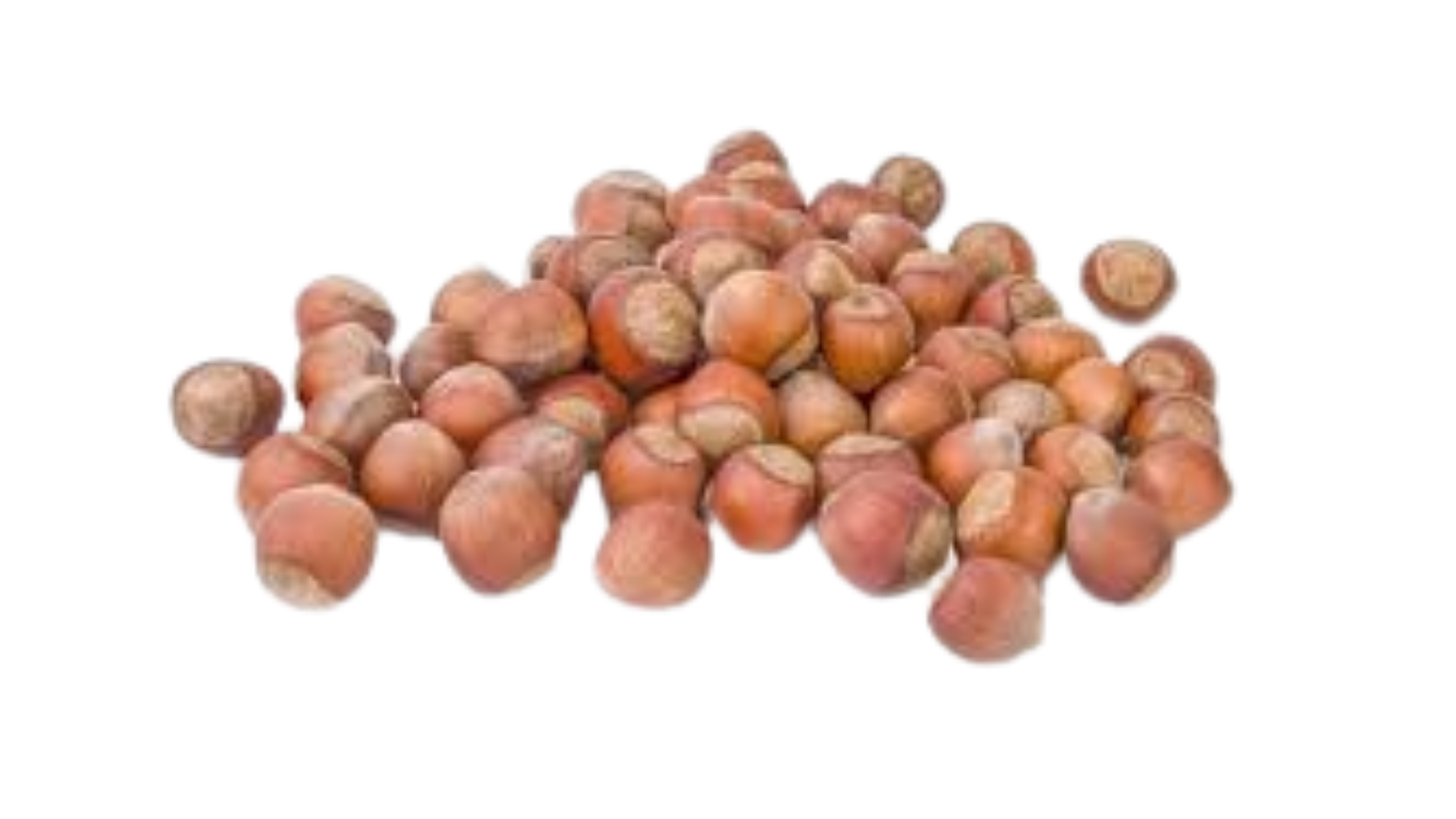
A handful of hazelnuts packs more nutritional punch than most people realise. These small, round nuts deliver an impressive array of vitamins, minerals, and healthy fats that can transform your health when eaten regularly. Unlike many processed snacks that leave you hungry and sluggish, hazelnuts provide sustained energy and genuine nourishment your body craves.
Research consistently shows that people who eat nuts regularly have lower rates of heart disease, better blood sugar control, and healthier body weights. The benefits of hazelnut consumption extend far beyond basic nutrition, offering protection against chronic diseases that affect millions globally.
This guide covers the proportion of different nutrients in hazelnuts and how they support optimal body function.
Nutritional Profile of Hazelnuts
Hazelnuts stand out among nuts for their nutrient density and unique combination of vitamins, minerals, and beneficial compounds. Each ounce provides substantial nutrients your body needs daily while delivering satisfying flavour and crunch.
Key Vitamins and Minerals
The following table shows the impressive vitamin and mineral content that contributes to the nutritional value of hazelnuts:
|
|
|
|
|---|---|---|
| Fibre | 8% | Aids in digestion and weight management |
| Manganese | 87% | Supports bone development, wound healing, enzyme activation |
| Vitamin E | 21% | Optimises skin, heart and liver health |
| Copper | 24% | Improves immunity |
| Magnesium | 12% | Improves many body functions, including heart, nerves and muscles |
Healthy Fats and Antioxidants
One ounce, i.e., 28 grams of hazelnuts contains 17 grams of fats, accounting for approximately 60% of its composition. Most of these are heart-healthy monounsaturated fats, particularly oleic acid. This composition helps improve cardiovascular health. The antioxidant profile includes:
|
|
|
|---|---|
| Phenolic Compounds | Equipped with anti-inflammatory, antioxidant and anti-bacterial properties |
| Proanthocyanidins | Offers antioxidant, antimicrobial, anticancer, antidiabetic and neuroprotective properties, |
| Vitamin E | Provides protection against cellular damage caused due to free radicals |
| Flavonoids | They are a potential antioxidant. |
Most antioxidants concentrate in the nut's skin, making whole hazelnuts with intact skins the most nutritious choice for maximising these protective compounds.
Dietary Fibre Content
A one-ounce hazelnut consumption adds 2.7 grams of dietary fibre, accounting for approximately 11% of your daily value. This fibre content supports digestive health by promoting regular bowel movements and feeding beneficial gut bacteria.
Heart Health Benefits
Hazelnuts provide remarkable cardiovascular protection through multiple mechanisms that ensure improved heart health. Regular consumption can significantly improve key markers of cardiovascular risk when included as part of a balanced diet.
How Hazelnuts Lower Bad Cholesterol (LDL)
Research demonstrates that hazelnut consumption produces measurable improvements in cholesterol profiles. Studies show the following cholesterol changes:
|
|
|
|---|---|
| Total cholesterol | -7.8% reduction |
| LDL cholesterol | -6.17% reduction |
| HDL cholesterol | +6.07% increase |
Disclaimer: The reduction percentage of different cholesterols shown above is mentioned based on various research. The actual extent may vary.
Effects on Blood Pressure and Artery Health
The combination of fatty acids, dietary fibre, antioxidants, potassium, and magnesium in hazelnuts helps normalise blood pressure naturally. Magnesium particularly supports cardiovascular health by helping blood vessels relax, which reduces pressure on artery walls.
Studies analysing vascular function have shown a considerable 56.6% improvement in flow-mediated dilation (FMD), a key aspect of artery health, with hazelnut-enriched diets. This improvement suggests enhanced blood flow and reduces the risk of atherosclerosis, a condition that occurs due to the accumulation of plaque in the arteries, leading to many cardiovascular complications.
Impact on Inflammation Related to Cardiovascular Risk
Hazelnuts help lower cardiovascular inflammation by providing antioxidants, healthy fats, and anti-inflammatory compounds that reduce oxidative stress, support blood vessel health, and improve lipid profiles, collectively lowering heart-related risks.
Blood Sugar and Insulin Sensitivity
The benefit of eating hazelnuts extends to blood sugar management and metabolic health. While effects vary among individuals, research suggests several mechanisms by which hazelnuts support healthy glucose metabolism.
Hazelnuts and Blood Sugar Regulation
With a low glycemic index (GI), hazelnuts are absorbed and digested slowly. As a result, sugar levels rise gradually, instead of reaching a sudden peak. Also, the low glycemic load (GL) ensures minimal impact on blood glucose levels even when consuming large quantities of hazelnuts.
Role of Oleic Acid in Insulin Sensitivity
Oleic acid, the primary monounsaturated fat in hazelnuts, plays a key role in improving insulin sensitivity. Research conducted on individuals with type 2 diabetes showed that meals high in oleic acid improved insulin sensitivity. Oleic acid works by upregulating genes that cause fatty acid oxidation (FAO), a key factor leading to type 2 diabetes among patients.
Studies on Hazelnuts and Type 2 Diabetes
An Iranian clinical trial, replacing 10% of daily energy intake with hazelnuts in 50 type 2 diabetic patients, was conducted over eight weeks. While fasting blood sugar remained unchanged, the study found that hazelnuts helped prevent reductions in beneficial HDL cholesterol, a critical component of effective diabetes management.
Antioxidants and Cancer Risk Reduction
Hazelnuts contain powerful antioxidant compounds that may help protect against cancer risks. In India, where cancer incidence rates are expected to rise from 529.40 per 100,000 population in 20222 to 549.17 per 100,000 by 2031, eating antioxidant-rich foods, such as hazelnuts, becomes increasingly important.
Phenolic Compounds and Proanthocyanidins
Phenolic compounds represent the most abundant antioxidants in hazelnuts, with proven abilities to help decrease blood cholesterol and inflammation. Hazelnuts also contain the highest concentration of proanthocyanidins. Both these compounds neutralise harmful free radicals, protect DNA from oxidative stress, support cellular repair mechanisms, and reduce inflammation that encourages cancer growth.
Vitamin E and Manganese Roles
Hazelnuts provide an impressive 87% of your daily manganese requirement in just one ounce, along with substantial vitamin E content. These nutrients work together as powerful antioxidants that protect cells from damage and prevent cancer risks.
Current Research Limitations and Future Potential
Currently, test tube and animal studies-based research have mostly demonstrated the efficacy of hazelnuts in preventing cervical cancer, liver cancer, breast cancer and colon cancer. However, scientists emphasise that more human studies are required before making direct cancer-prevention claims.
Digestive Health and Weight Management
Combining fibre, healthy fats and protein, hazelnuts support healthy weight management and digestive function. This becomes particularly relevant considering that one in every four Indians is obese according to a government survey.
Dietary Fibre's Role in Bowel Regularity
The 2.7 grams of fibre per ounce helps add bulk to stool, making it easier to pass through the intestines and reducing constipation risks. This fibre content supports comprehensive digestive health by promoting regular bowel movements and encouraging a healthy gut microbiome.
Effects on Weight Gain Prevention
Research shows that people following nut-rich diets often experience weight loss despite high calorie content. Hazelnuts' combination of healthy fats, protein, and fibre creates a "fullness factor" that leaves you satisfied rather than tempted by less healthy foods.
Studies confirm that hazelnuts' inclusion in diets does not alter the body mass index (BMI) . The nuts actually stimulate metabolism, allowing you to burn more calories throughout the day.
Gut Microbiome Support
Hazelnuts contain fibre, polyphenols, and other bioactive compounds that can act as substrates for gut microbes. Some human studies show modest shifts in gut bacterial composition after consuming nuts. These include increases in bacteria known to produce short-chain fatty acids (SCFAs), such as butyrate, to boost colon health.
Skin, Bone, and Cognitive Benefits
The diverse nutrient profile in hazelnuts supports multiple body systems beyond cardiovascular and metabolic health. Essential vitamins and minerals work together to maintain healthy skin, strong bones, and optimal brain function.
Nutrients Supporting Skin Health
Vitamin E serves essential antioxidant functions that protect skin from environmental damage and premature ageing. Hazelnut oil, with its excellent astringent properties, helps keep skin protected from dryness and is used in traditional medicines and cosmetics.
Magnesium and Manganese for Bone Strength
Hazelnuts provide crucial minerals for bone health, including magnesium, calcium, and manganese. These minerals work together to maintain healthy bones, muscles, and overall skeletal integrity.
Folate and Healthy Fats for Brain Function
Hazelnuts stand exceptionally rich in folate, which supports brain health by enabling proper neurotransmitter synthesis and maintaining cognitive function.
The healthy fats, particularly omega-3 fatty acids, support brain structure and function while helping reduce inflammation in neural tissues.
How to Incorporate Hazelnuts into Your Diet
Adding hazelnuts to your daily routine requires considering preparation methods, portion sizes, and food combinations. The nutritional value of hazelnuts remains highest when choosing the right products and preparation techniques.
Eating Raw, Roasted, and with Skins
For maximum antioxidant benefits, eat hazelnuts with their skins intact, as most beneficial compounds lie in this outer layer. While roasting enhances flavour, it may decrease antioxidant levels for a short period. However, the levels can go up soon.
Preparation options include:
- Raw whole nuts with skin (highest antioxidant content)
- Lightly roasted for enhanced flavour
- Ground into flour for baking applications
- Processed into natural hazelnut butter
When recipes require skin removal, bake kernels for 10 minutes to loosen the skin. Subsequently, rub with a clean towel to remove them easily.
Using Hazelnuts in Recipes and Snacks
Hazelnuts' creamy, nutty flavour works well in both sweet and savoury applications. Ground hazelnuts make excellent flour substitutes for gluten-free baking, while whole nuts add texture and nutrition to various dishes.
Creative uses include:
- Hazelnut butter as a nutritious spread
- Chopped nuts in salads and grain bowls
- Ground hazelnuts in pesto (substitute for pine nuts)
- Coating for proteins with spices like cinnamon
- Toppings for yogurt, oatmeal, or desserts
Choosing Products to Avoid Added Sugars and Salts
Select unsalted varieties to avoid complications that added sodium can introduce, particularly important for people managing blood pressure or diabetes. Roasted and salted varieties often contain high sodium levels that counteract health benefits.
Read labels carefully on processed hazelnut products:
- Choose unsalted, unflavoured varieties
- Avoid chocolate-coated options high in sugar
- Limit commercial hazelnut spreads due to added sugars
Allergy Risks and Considerations
While hazelnuts offer significant health benefits, they can cause serious allergic reactions in some individuals. Understanding allergy risks and practicing proper portion control ensures safe consumption for most people.
Hazelnut Allergies and Symptoms
Tree nut allergies affect 0.5% to 1% of people in the United States, with hazelnut allergy being among the most common in the UK, the US, and Europe. Several reports suggest that food allergies affect around 3% of Indians, mostly under 40 years of age. However, most nut allergy cases are diagnosed during childhood.
Allergy symptoms include:
- Skin itching and hives
- Oral swelling
- Digestive upset
- Respiratory difficulties
- Anaphylaxis (most severe, potentially life-threatening reaction)
Cross-reactivity may occur with other tree nuts and birch pollen, so people with these allergies should exercise caution when trying hazelnuts for the first time.
Calorie and Portion Control Tips
Hazelnuts contain approximately 178 kcal, making portion control essential despite their nutritional benefits. A handful of nuts (about 1 ounce or 28 grams) provides optimal health benefits without excessive calorie intake.
Portion control strategies include:
- Measuring out single servings rather than eating from large containers
- Choosing pre-portioned snacks
- Preferring raw or dry roasted hazelnuts over salted or chocolate-coated ones
Precautions When Cooking for Others
When preparing food for others, consider the risk of cross-contamination and hidden hazelnut ingredients. Many processed foods contain tree nuts or are manufactured in facilities that process nuts.
Safety measures include:
- Using separate cutting boards and utensils
- Check labels for hazelnut-containing ingredients
- Cleaning surfaces thoroughly between preparations
- Informing guests about ingredients in homemade items
According to EU regulations, hazelnuts must appear clearly on food labels, helping consumers identify potential allergens in packaged products.
The Connection Between a Healthy Lifestyle and Royal Sundaram Health Insurance
The benefits of hazelnut consumption clearly support multiple aspects of health, from cardiovascular protection to weight management and beyond. Prioritising your health through optimised consumption of nutritious foods can earn you reward points when renewing Royal Sundaram health insurance. These points can be redeemed for several wellness benefits.network hospitals in India, pre- and post-hospitalization coverage, preventive healthcare & wellness benefits, second opinion, and more.
Frequently Asked Questions (FAQs)
Hazelnuts support heart health, provide antioxidants, aid blood sugar regulation, improve digestion, and benefit skin and cognitive function.
Their healthy fats and antioxidants help reduce LDL while maintaining stable HDL levels, as shown in clinical studies.
Oleic acid may improve insulin response, though results vary, with better effects seen in mixed-nut diets.
They can trigger nut allergies, are calorie-dense, and processed versions may contain excess sugar or salt.
Vitamin E, copper, folate, and healthy fats improve skin elasticity and support neural and cognitive functions.
Most studies suggest a minimum of 28 grams per day for benefits without excessive calories.
Roasting slightly reduces antioxidants, especially in the skin, so raw or skin-on roasted nuts are better.
Regular nut consumption is linked to reduced long-term weight gain, though not direct weight loss.

Discover the perfect insurance plan for you!
Get your free quote now!
Get StartedBy Clicking on Get Started, You agree to our Terms and Conditions and override DNC/NDNC registration.
More like this
View more